


Introduction
Where Will The Stars Guide You?
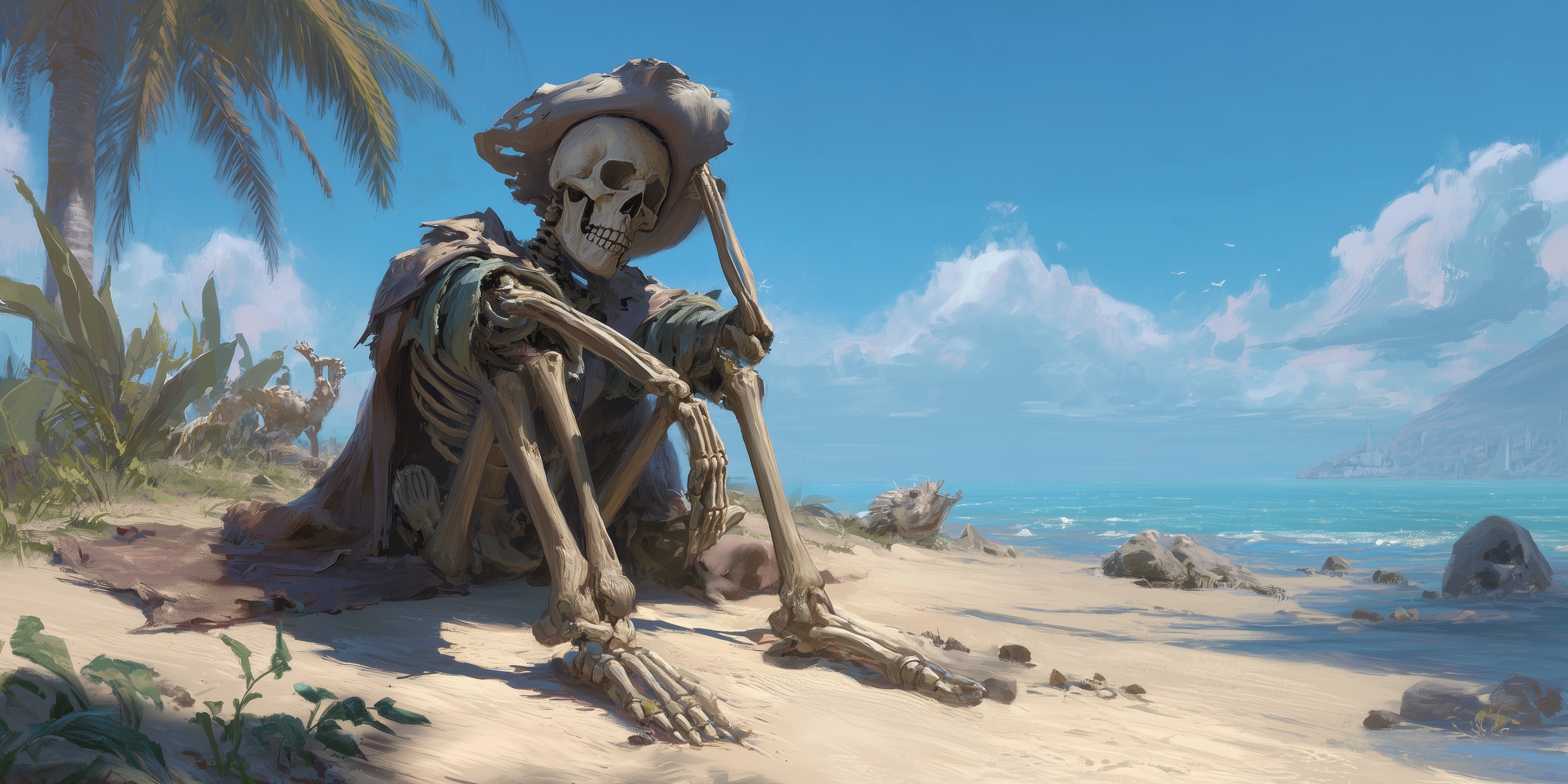
"There's always a moment when you stand on the beach, letting the waves bury your feet in the sand, and you look out at that horizon and wonder what's out there. A part of you imagines that it could be... just about anything."
Unknown Shores is about the pull of the horizon. About what you lose, what you find, and what you become when you chase it. It asks you to admit there is more for you out there, to feel the fear that comes with risk, and to take the first step anyway. This is a world shaped by venturing out. A place where the land, the sky, and the people in it all have something to teach you. It’s about the kinds of questions that keep you up at night. The ones that demand something.
The answers aren’t always welcome but the questions are why you came. Unknown Shores doesn’t tell you who to be. It asks the right questions then lets you decide.
Here, discovery always asks for something in return. A ruined tower can weigh as heavily as a fallen kingdom. A whispered promise in a crowded room can tip the fate of a city. Victories matter because they demand a price. Legends carry the weight of where they began. Nothing here is free, and nothing stays unchanged in a world full of scars, bargains, and things that don’t go away just because you wish they would.
In your explorations, you may notice that some of what you find will be quite long. This world is very old, and has a tremendous amount of lore that I'm still going through, polishing and seeing what's going to make the final cut. So as much as this is a presentation of Unknown Shores to the public, it is also a comprehensive archive. The point isn’t to bury you in lore. It’s to give you a world where wonder feels close and consequences feel real and every scrap of what you find feels earned. One where the mythic becomes intimate and the intmate becomes mythic.
Theme
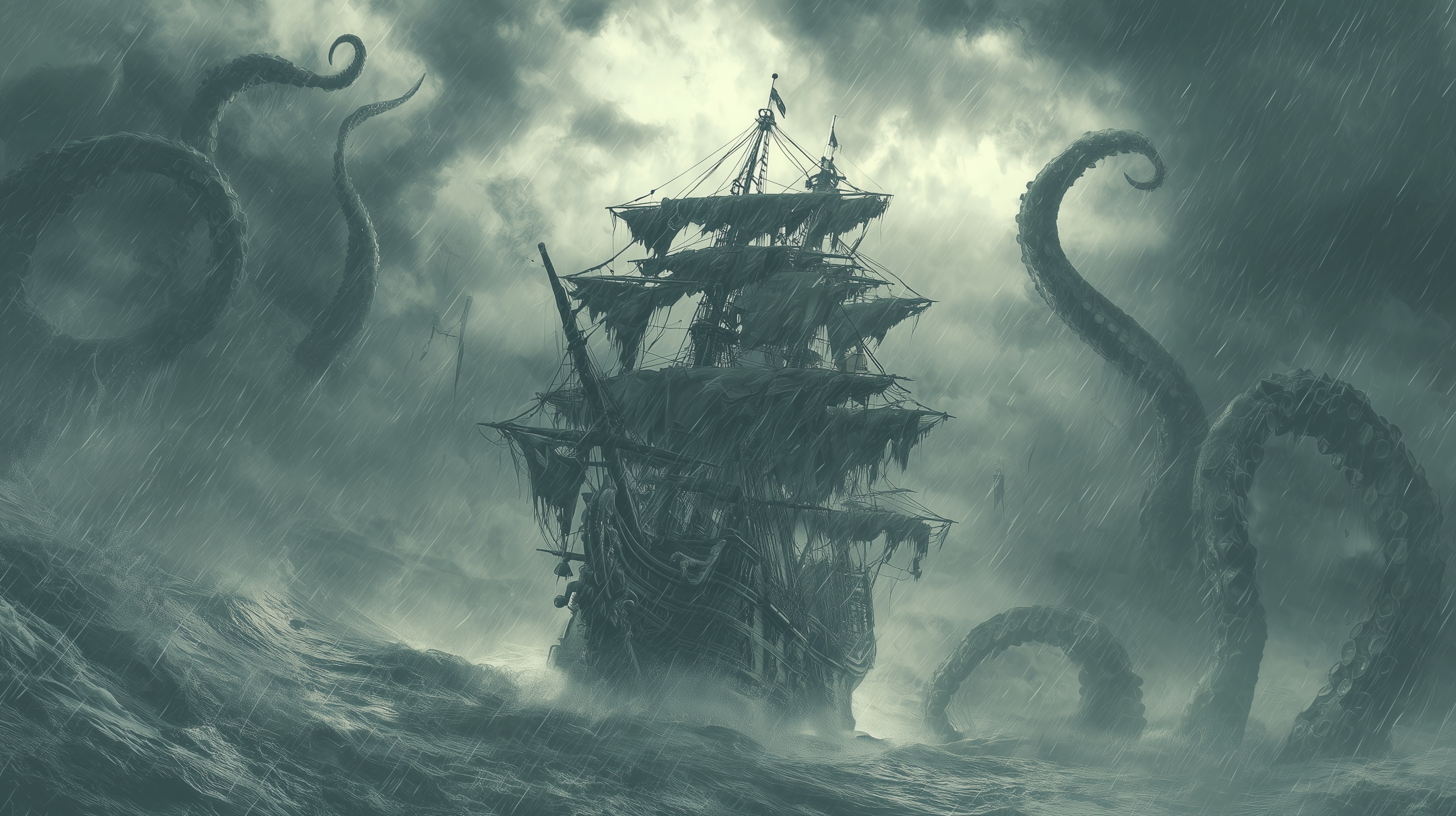
"No, I don't know what's waiting for us out there. That's the best part!"
Tone
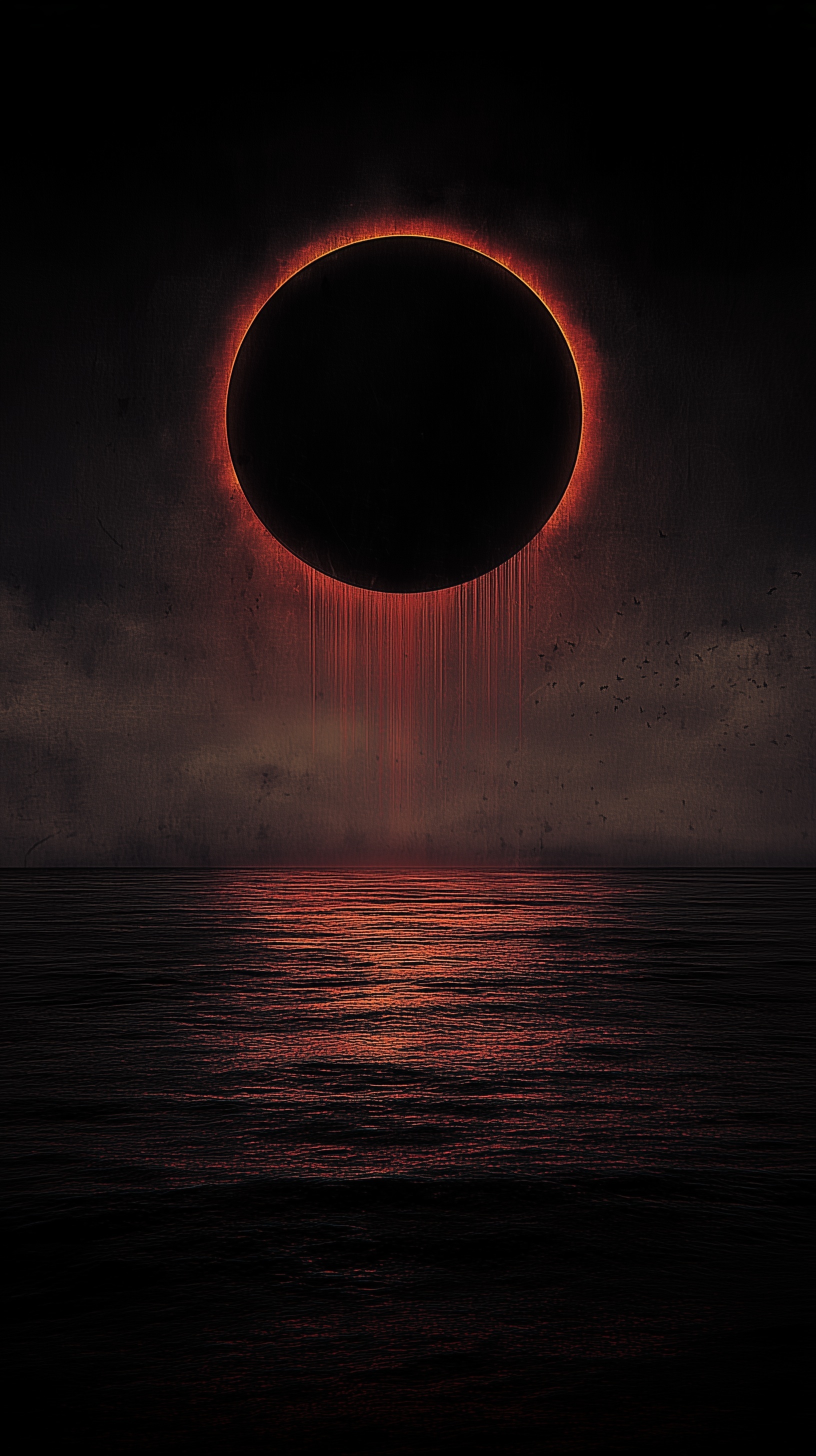
The tone of an Unknown Shores game is restrained, tense, and quietly unforgiving. This is not a romantic world of destined heroes or moral certainty. It is a world that survived the Shattering and continues on out of necessity rather than hope. Stability exists, but it is fragile, carefully maintained, and widely understood to be temporary. People live with the knowledge that reality itself has failed once before, and that knowledge colors every alliance, law, and promise. Adventure in Unknown Shores carries a strong sense of momentum and danger, but it is never weightless. Action is sharp and decisive, often sudden, and frequently costly. Characters may sail into impossible horizons, descend into forgotten vaults, or cross paths with forces older than the world as it now exists, but every bold act leaves consequences behind. Lives are disrupted, power shifts, and scars remain. Courage is respected, but survival favors those who understand restraint as well as daring. A noir sensibility runs deep through the setting. Truth is rarely whole, records are incomplete by design, and many institutions exist to manage damage rather than uphold ideals. Investigations uncover layers rather than answers, and clarity often reveals something worse than ignorance. Power is hidden, compromises are normalized, and even well intentioned actions can serve systems that are fundamentally broken. The prevailing mood is wary and watchful rather than hopeful. Magic reinforces this atmosphere instead of relieving it. After the Shattering, arcane power is treated with caution and discipline rather than awe. It is used because it must be, not because it is trusted. Its limits are known, its failures remembered, and its misuse feared. The presence of the Great Umbra ensures that magic is never purely a tool of progress, but a reminder that the structure of the world is damaged and watching. An Unknown Shores game feels adult, grounded, and unsentimental. It rewards players who accept uncertainty, navigate compromise, and understand that preservation is often the highest ambition available. Doing the right thing is rarely clean or celebrated, and the best outcome is often preventing something worse from happening rather than achieving a lasting victory.“People like to talk about hope as if it’s a virtue. Out here, hope is just what gets you killed faster. What keeps you alive is knowing which truths to ignore, which bargains to honor, and when to walk away before the world remembers it can still break you.”
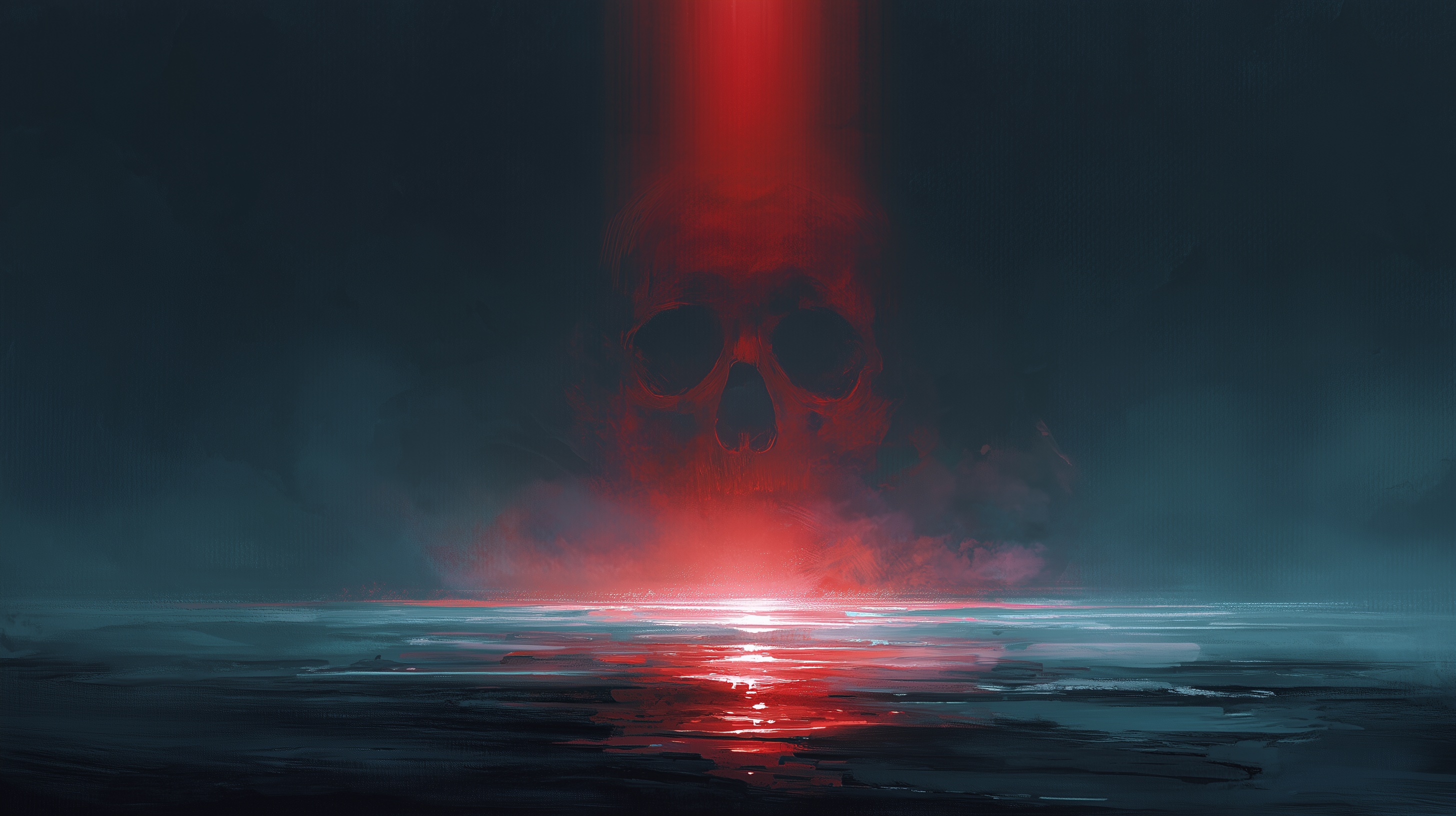
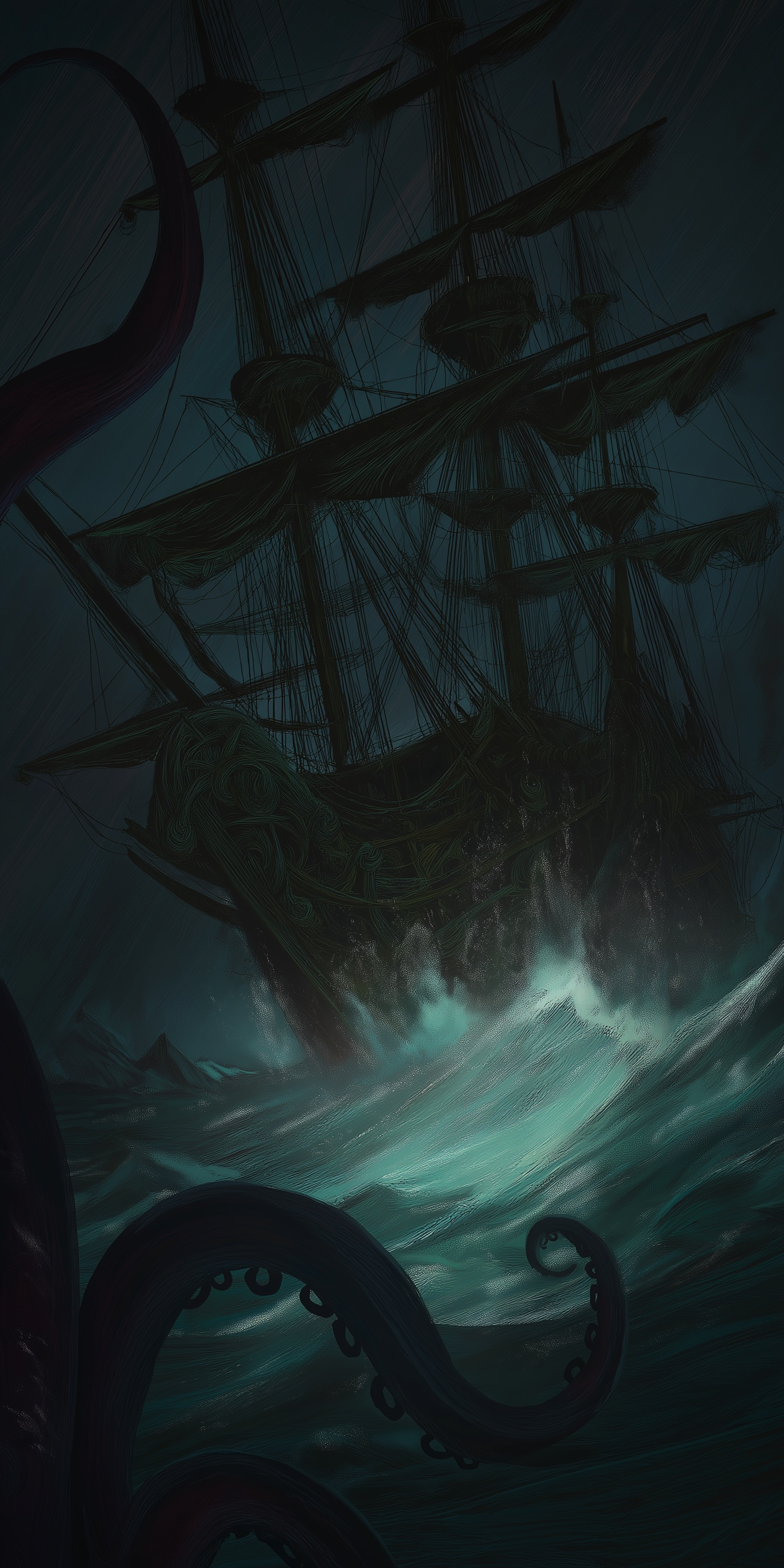
"The world does not end at the edge of the map. It bends, it breaks, it waits, daring you to step past what you know and to pay whatever the journey demands."
A Shared Canvas
Ever since I began writing what would eventually become the world of Unknown Shores, it has been something I have always loved sharing with others. It started, as most in this hobby with being introduced to Hero Quest and Dungeons & Dragons in the late 1980s and early 1990s. It didn't take long to figure out that I love running role-playing games far more than being a player. It never mattered what system, Dungeons & Dragons to Star Wars, Legend of the Five Rings to Spycraft, And it's not because you can spend countless hours plotting to kill all of your friend's psychological doppelgangers, although yes that is part of it. No, it's because I love telling stories, entertain people with stories. and studying why stories impact us in the way that they do. I have been fortunate in my life that I've always had a very constant stable of players around me. Some of them came and left in a session or two. Some stayed longer. Some stayed much longer. It's the only setting I've ever run in a fantasy role playing game since 1993, and there are people playing in the setting, to this day who can say they grew up with this setting every bit as much as I have. People whose characters have entire lineages, deeply ingrained into the history and lore of Aerith. Folks whose imagination and creativity continues to fascinate and inspire me. Even if, for whatever reason, we had to say goodbye. Whether they knew it or not, they are all part of the tapestry that makes this world what it is. Unknown Shores has always and will always be a shared canvas. Anyone who has ever participated in a game and made a character, offered a backstory or even proposed an idea randomly across a table in a New Jersey Diner at 3am, can be found here somewhere in some form. I think audience participation is a big part of what makes any kind of franchise powerful, meaningful and lasting. So I encourage all of you to come explore Aerith, be it here online or at your own game table, hell, even on your phone when you ought to be working. If for no other reason than that stories are supposed to be shared.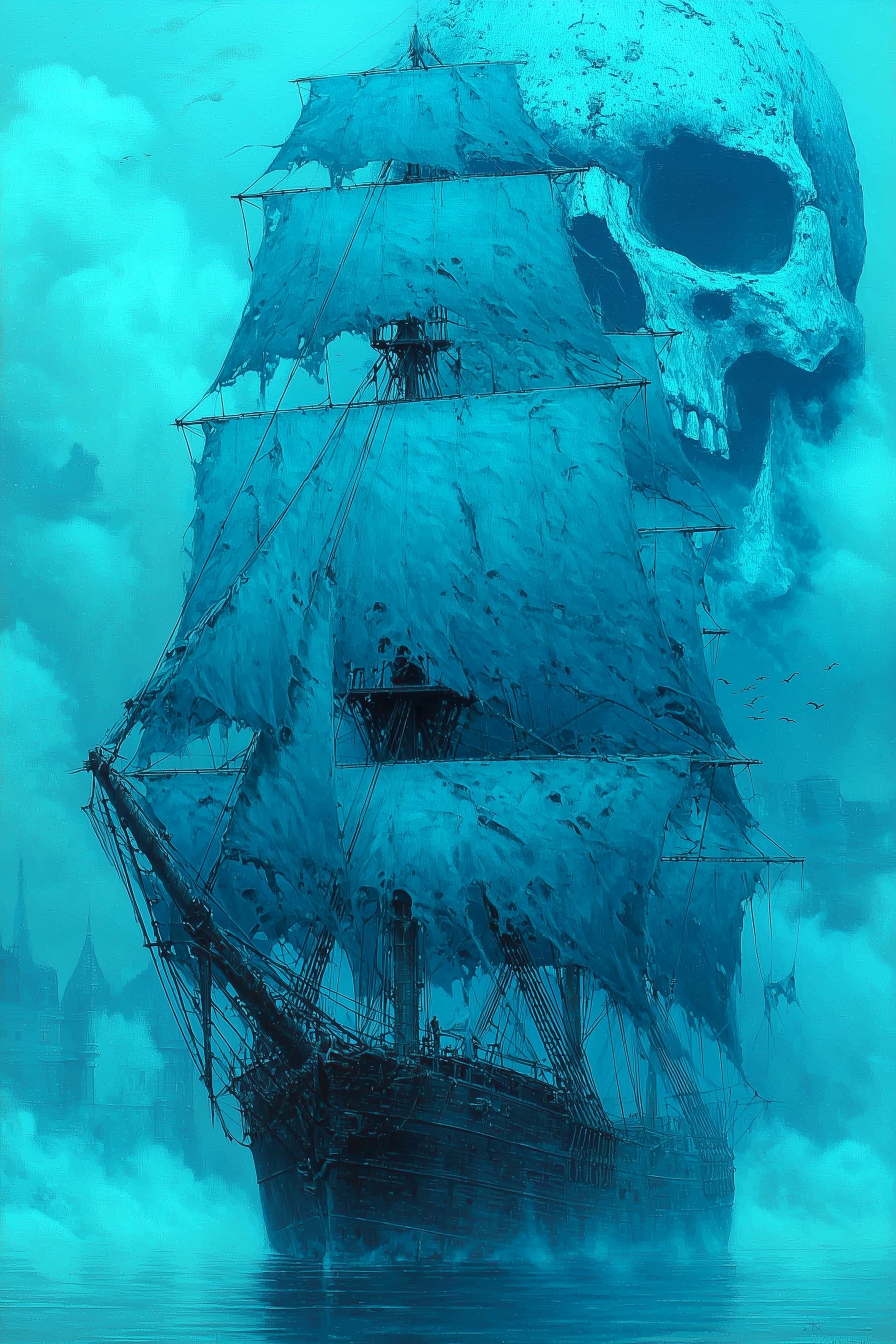





Great Introduction nice to see another lifetime Gamemaster :)
Still standing. Still scribbling. Still here.
The Last Home
Thank you so much. Here's to the control freaks!