

Vedalken
Vedalken is the native language of the vedalken people, a race known for their logical thinking, intellectual discipline, and focus on progress through understanding. The language reflects their cultural values with a structure that favors clarity, consistency, and analytical precision. It is not a language of strong emotions or spontaneous expression. Instead, it is shaped for philosophical discourse, legal argument, scientific observation, and the careful exploration of ideas.
Spoken Vedalken is measured, deliberate, and controlled. It features smooth vowel transitions and soft consonants. There is a natural rhythm to its flow, not from poetic design, but from the internal logic of its grammar. Speakers do not raise their voices for emphasis. They speak with even tone, using phrasing and precise word choice to convey weight or intent. Silence is part of the language and is used to denote pause, contemplation, or respectful deference during complex dialogue.
The grammar of Vedalken is highly structured. Each sentence must have a clear subject, action, and object, and additional clauses follow strict placement rules. Modifiers come before the words they qualify, and every verb is marked with an indicator of certainty. A statement must be identified as fact, belief, hypothesis, or assumption. This forces speakers to distinguish between what is known and what is theorized. Reflexive and conditional structures are common. Redundancy is discouraged unless used for emphasis within formal writing or high-level debate. The language lacks idioms and informal contractions, as these are considered imprecise or misleading.
Vedalken vocabulary is wide in scope but narrow in emotional tone. There are extensive terms for logic, perception, design, and memory. Multiple words exist for forms of thought, each distinguishing the type and depth of analysis involved. The language includes specific terminology for categorization, distinction, and relationship between ideas. However, emotional language is limited. Words for joy, anger, sorrow, or desire are clinical or descriptive. This does not mean Vedalken lack feelings, only that they express them through action or choice rather than language. Abstract concepts such as beauty or inspiration are discussed in terms of harmony, structure, and utility.
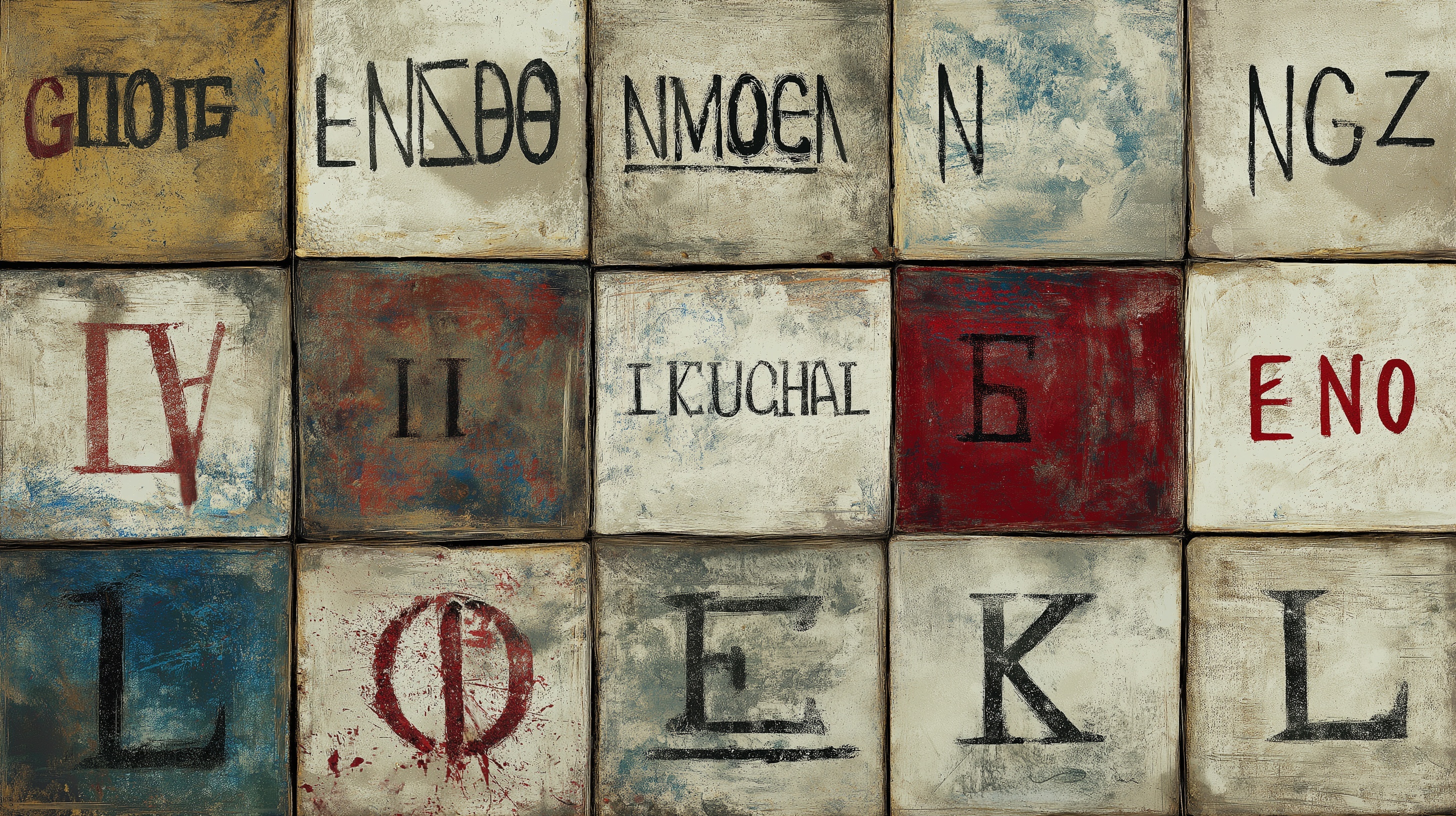
Vedalken script is elegant and mathematical. Written characters are composed of balanced curves and lines, with each symbol occupying a fixed space within a grid. The writing system is syllabic, with additional marks to indicate logical weight or classification. Punctuation is minimal. The script is written left to right and top to bottom, and it is used primarily for record keeping, treatises, and formal correspondence. Handwriting is expected to be legible, consistent, and free of personal flair. Writing is a reflection of thought, and clarity in script is considered a form of intellectual respect.
The Vedalken language is a mirror of its people. It is careful, exact, and dedicated to the pursuit of understanding. Though it may seem cold or detached to outsiders, it is deeply expressive within its intended purpose. Those who learn it must do more than memorize vocabulary. They must learn to think like a Vedalken in order to speak as one.



Comments