


Thieves' Cant
Thieves' Cant is a specialized form of coded language used by criminals, informants, fences, and others who operate outside lawful society. It is not a language in the traditional sense. It does not have its own grammar or full vocabulary for everyday conversation. Instead, it is a layered system of speech, symbols, and gesture designed to conceal meaning in plain sight. To an outsider, the cant sounds like ordinary conversation. To an initiated listener, it carries hidden messages with precision and discretion.
The origins of Thieves' Cant are difficult to trace. It is not tied to a single culture, kingdom, or race. It appears wherever organized theft, smuggling, or subversive activity takes root. Different regions develop their own versions. These regional variants share core concepts but may use different slang terms, phrases, or gestures. In some places, the cant is based on metaphors drawn from fishing. In others, it uses merchant terms, religious references, or even children’s rhymes. This variation makes the cant difficult to decode without immersion or instruction.
The spoken form of Thieves' Cant relies on coded phrases that sound harmless. For example, a statement like “the wind is cold in the west” might mean “there are guards near the western alley.” Entire conversations can be held in front of authorities without detection. The speaker uses emphasis, double meanings, and rhythm to insert information between the lines. Tone and timing matter. Without the right context, the phrases mean nothing. With context, they reveal plans, warnings, or commands.
Nonverbal elements are just as important. Thieves' Cant includes a wide array of hand signals, body language cues, and even specific ways of knocking on a door. In taverns, a slight adjustment to a mug’s position might signal a safe meeting spot. On the street, the way a hood is worn could indicate a lookout is nearby. These visual cues are especially useful when silence is required or when a watcher might be listening in.
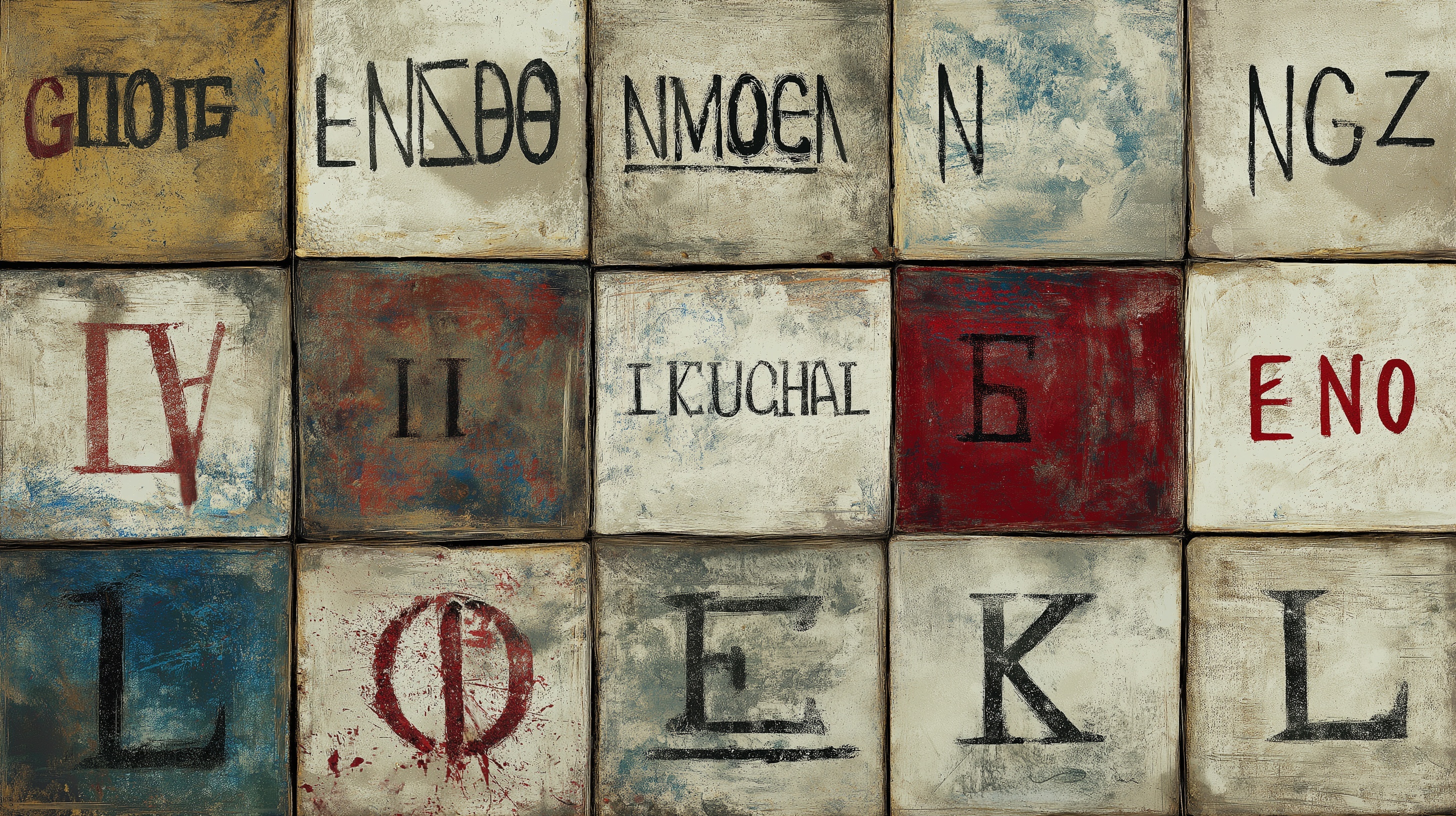
Written forms of the cant also exist. They are often disguised as graffiti, chalk marks, or signs left on buildings or walls. These symbols can convey warnings, mark safehouses, or identify targets. A simple mark near a doorway might mean “wealthy merchant lives here” or “watch for traps.” These symbols are often erased or altered quickly to avoid detection. Most are simple shapes or slashes that mean nothing to an untrained observer.
Learning Thieves' Cant requires exposure and trust. It is not taught openly. It is passed from criminal to recruit, from mentor to apprentice. In many circles, misuse of the cant is treated as betrayal. Speaking it falsely or using it to entrap others carries harsh consequences. Those who know it do not flaunt it. They use it only when needed, and they listen closely when others do the same.
Thieves' Cant is not a static language. It evolves constantly. Phrases become outdated. Symbols shift meaning. Slang terms are replaced as they become too familiar to outsiders. This keeps the cant alive but also demands that its users stay alert. A phrase used five years ago might now mean something else entirely. A symbol once safe might now signal danger.
Though rooted in crime, Thieves' Cant is a form of survival. It allows those who live in the shadows to communicate, organize, and endure in a world that hunts them. It is not meant to be beautiful. It is meant to be useful. And it is.



Comments