


Sylvan
Sylvan is the ancestral language of the fey and the creatures most closely tied to the wild, untamed forces of the natural world. It is a tongue that predates many mortal civilizations and is spoken widely among dryads, satyrs, nymphs, treants, and other beings native to enchanted forests, hidden glades, and liminal spaces. Though not secret in the strictest sense, Sylvan is rarely learned fluently by mortals, and it is almost never taught openly. It is a language of nuance, emotion, and natural rhythm rather than hard structure or formal rule.
Sylvan is a melodic and flowing language. Its sounds are soft, liquid, and rich with vowels. Consonants are present but rarely harsh. Sentences often resemble song or poetry in cadence. Many phrases have multiple meanings depending on context, speaker, and even the surrounding environment. A sentence spoken at sunrise may carry a different connotation when spoken again under moonlight. This quality makes Sylvan difficult to translate cleanly, even with the aid of magic.
Unlike Common or other mortal tongues, Sylvan places great emphasis on tone and mood. Emotion is built into the grammatical structure. A statement can be spoken with a rising inflection to signal joy or hope, or with a descending rhythm to suggest sorrow or warning. There are entire verb forms dedicated to seasonal change, the growth of plants, or the passage of time as it relates to natural cycles. The language assumes a deep connection to the world rather than detachment from it.
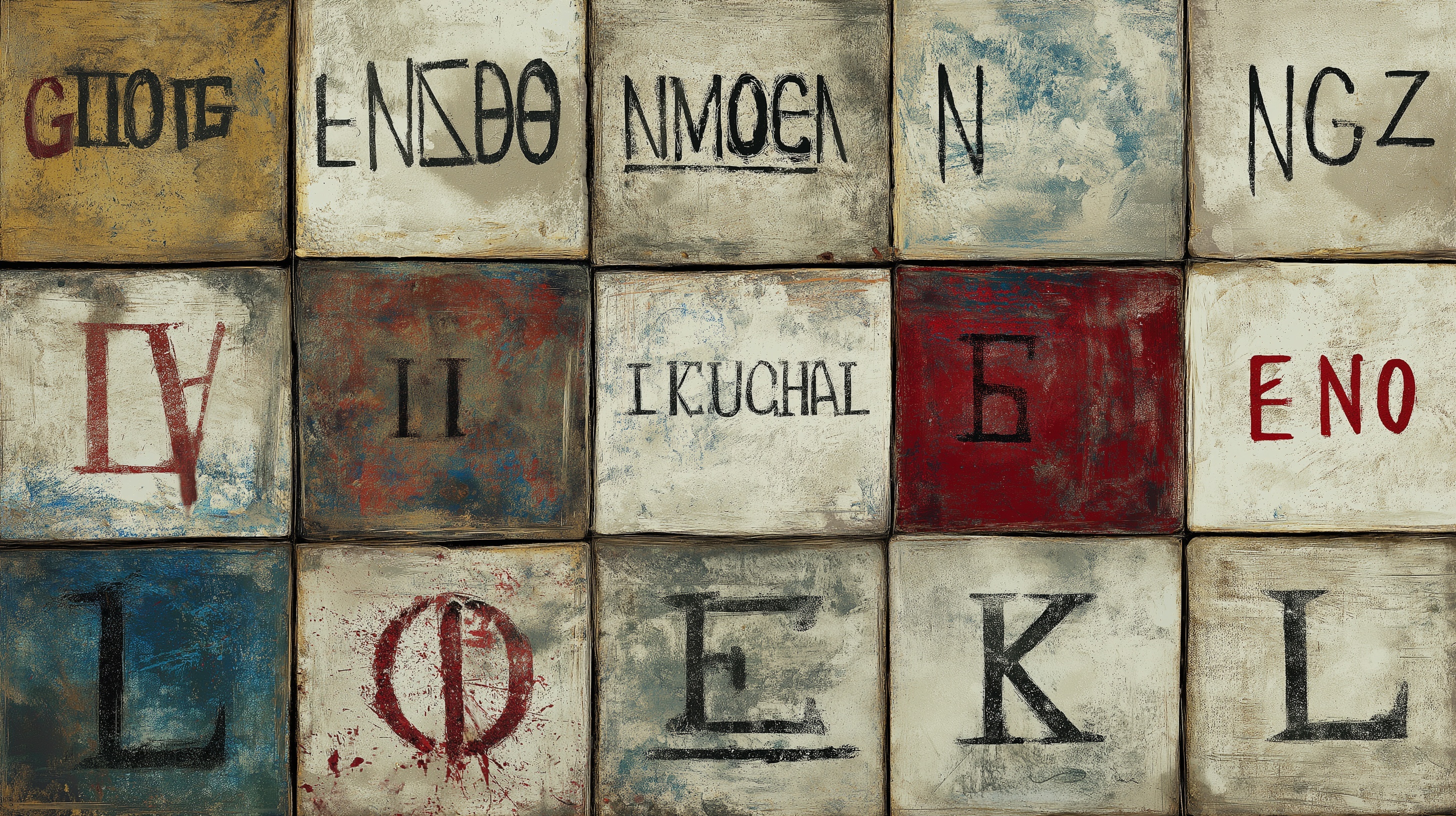
The script associated with Sylvan is rare and typically ceremonial. Most native speakers prefer oral tradition, and many do not use writing at all. When written, the language appears as long, looping glyphs that resemble vines, waves, or branches. These symbols are often carved into living wood or stone in sacred places rather than recorded in books. Few mortal scholars can read them without magical aid. Even when legible, the meanings can be abstract or metaphorical, requiring familiarity with fey customs and thought.
Sylvan is closely related to certain other planar languages, most notably Elven. The two share some roots, but they are distinct in structure and tone. Elven is more refined and deliberate, built around formality and clarity. Sylvan is more instinctive and expressive. To a native Elven speaker, Sylvan may sound wild or unrestrained. To a Sylvan speaker, Elven may sound cold or distant. Despite this, many fey creatures are capable of speaking both languages with fluency, and some move between them freely depending on mood or audience.
The language is often used in spells, songs, or rituals that invoke natural forces. Its cadence lends itself well to enchantment and illusion. Bards, druids, and rangers may learn fragments of Sylvan to strengthen their connection to the wilderness or to communicate with fey creatures. However, true fluency requires immersion, and the fey rarely trust outsiders with the full depth of their speech.
Sylvan is not a language of laws or declarations. It is a language of presence. It is spoken to express what is felt, seen, or remembered in a moment. It does not bind. It does not command. It simply reveals.



Comments