


Sphinx
The language of the sphinxes is ancient, formal, and highly structured. It is not widely spoken outside of their kind, and few have the patience or ability to learn it properly. The language is precise by design. Every syllable has purpose, and there is little room for improvisation or slang. When a sphinx speaks, the weight of its words is intentional. Even brief statements are measured and deliberate, and nothing is spoken without meaning. Their language mirrors their nature, combining clarity with power and a deep sense of time.
The spoken form of the language is complex. It contains tonal elements that shift the meaning of words based on pitch and rhythm. A single word can carry multiple meanings depending on the tone used, and the context surrounding the phrase. These tones are not musical, but they follow predictable patterns that experienced speakers recognize. There are also long vowel sounds that mark emphasis, serving in place of volume or repetition. Silence between words is equally important. It signals intention and often separates clauses without using conjunctions.
Grammar in the sphinx language is rigid but not burdensome. Sentences always begin with a reference to the speaker or the source of the statement. This may be a formal identifier or simply a marker of perspective. Verbs follow a clear order, and modifiers appear before the nouns they affect. Questions are marked with unique ending particles. There is no passive voice. All action is direct and attributed. Plurals are marked by suffixes that also change verb tense, binding the action to the number of subjects without redundancy. There are no contractions.
Vocabulary is rich in terms related to knowledge, time, truth, judgment, and authority. Abstract concepts are given specific and often layered terms that carry weight beyond their surface meaning. The language has few words for trivial objects or daily concerns. Physical items are usually described functionally, not poetically. For example, a chair is named as a resting platform or a ceremonial perch, depending on use. Precision is valued over generality, and the misuse of terms is frowned upon. A sphinx will often pause rather than risk using an imprecise word.
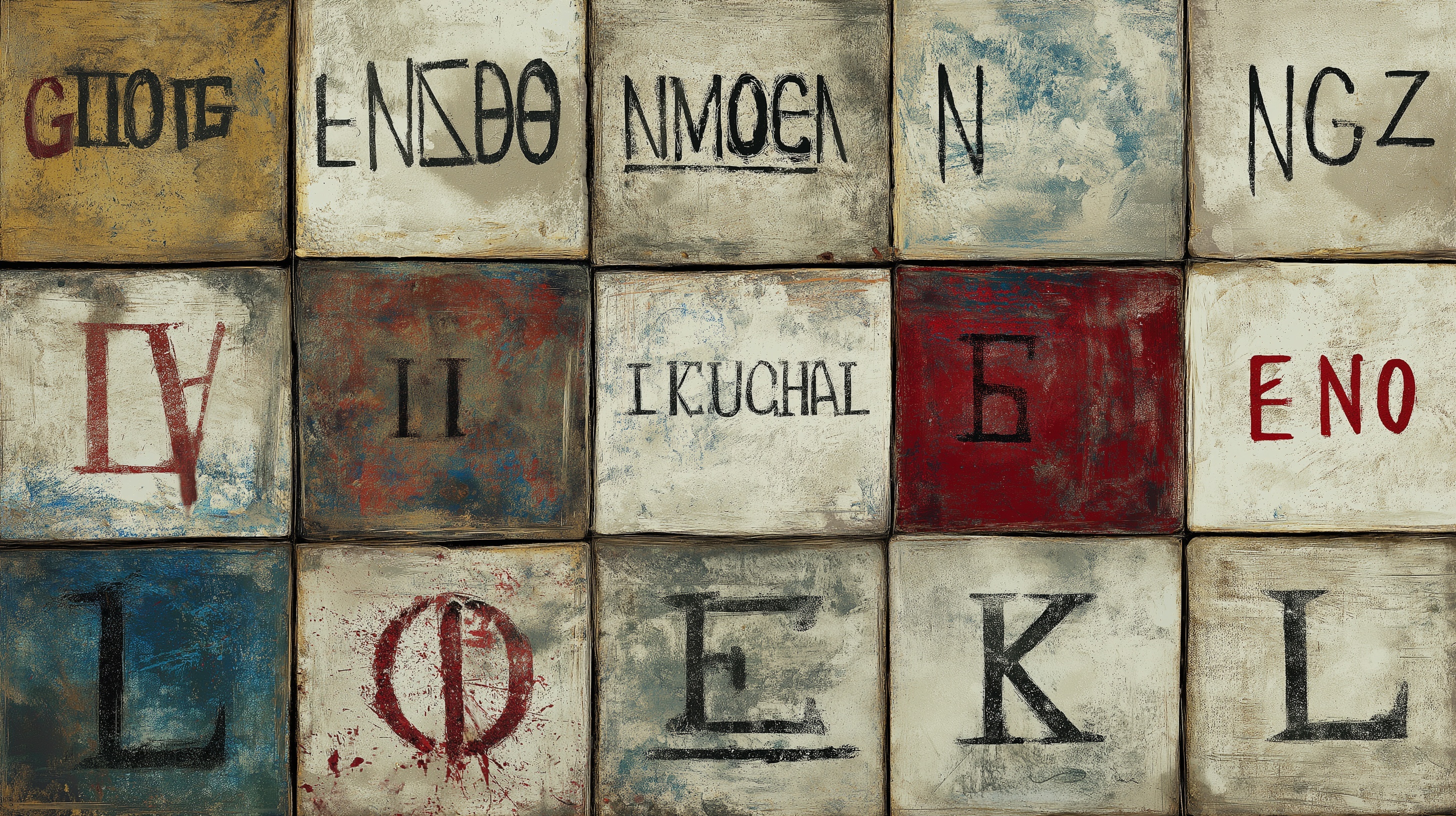
There is a written form, but it is reserved for permanent records and ceremonial texts. The script is composed of pictographic symbols, each representing a full word or phrase rather than individual sounds. It is usually inscribed into stone or carved into long-lasting materials. The writing is read from top to bottom in vertical columns, each carefully aligned. There are no casual written notes or short messages in this language. Writing something down implies that it matters, and the act of recording carries responsibility.
The sphinx language is not meant for casual speech. It is used when accuracy matters, when declarations must hold weight, and when there can be no misunderstanding. It does not lend itself to poetry or humor, though it can be beautiful in its formality. Those who speak it do so with discipline and intent. Those who hear it often sense its weight even if they do not understand the words. It is not merely a tool of communication. It is a means of declaring truth without confusion or compromise.



Comments