

Slaad
The Slaad language is a chaotic and unstable form of communication developed by the Slaadi, a race of aberrant creatures native to the plane of Limbo. Unlike most languages, it does not follow a fixed set of rules or consistent structure. Meaning is fluid, tone is unpredictable, and context often shifts within a single sentence. Despite this instability, it functions effectively among Slaadi, whose minds are naturally attuned to its erratic patterns. For others, learning or understanding the language is nearly impossible without exposure and instinct.
The spoken form of the Slaad language combines guttural vocalizations, erratic pitch shifts, and rapid changes in pacing. Some sounds are drawn out into screeches, while others are clipped and harsh. The language often incorporates seemingly unrelated noises, including growls, clicks, and hums, which may or may not serve grammatical roles. To a nonnative speaker, these utterances appear random or meaningless. However, the Slaadi themselves interpret the whole of a phrase, including tone, rhythm, and emphasis, as part of the intended message. Communication between them is intuitive rather than analytical.
Grammar in the Slaad language is inconsistent by nature. Word order changes from speaker to speaker, even within the same conversation. There are no stable rules for plurality, tense, or case. Instead, shifts in vocal inflection, volume, or length serve to imply these concepts. The same word may act as a noun in one sentence and a verb in another. Rather than follow a defined syntax, the language depends on the listener to extract meaning from the chaos. This reliance on instinct over logic makes the language functionally useless to those who require structure.
Vocabulary in Slaad reflects the priorities of the race. Words for transformation, hunger, freedom, destruction, and movement are numerous and nuanced. Concepts related to order, law, or permanence have little or no direct translation. Emotional vocabulary exists but is unreliable, as the same term may express joy, rage, or fear depending on tone and circumstance. Many Slaad names are untranslatable clusters of sound meant to reflect personality or recent action, rather than identity. Attempts to categorize or standardize vocabulary have failed, as meanings shift regularly without explanation.
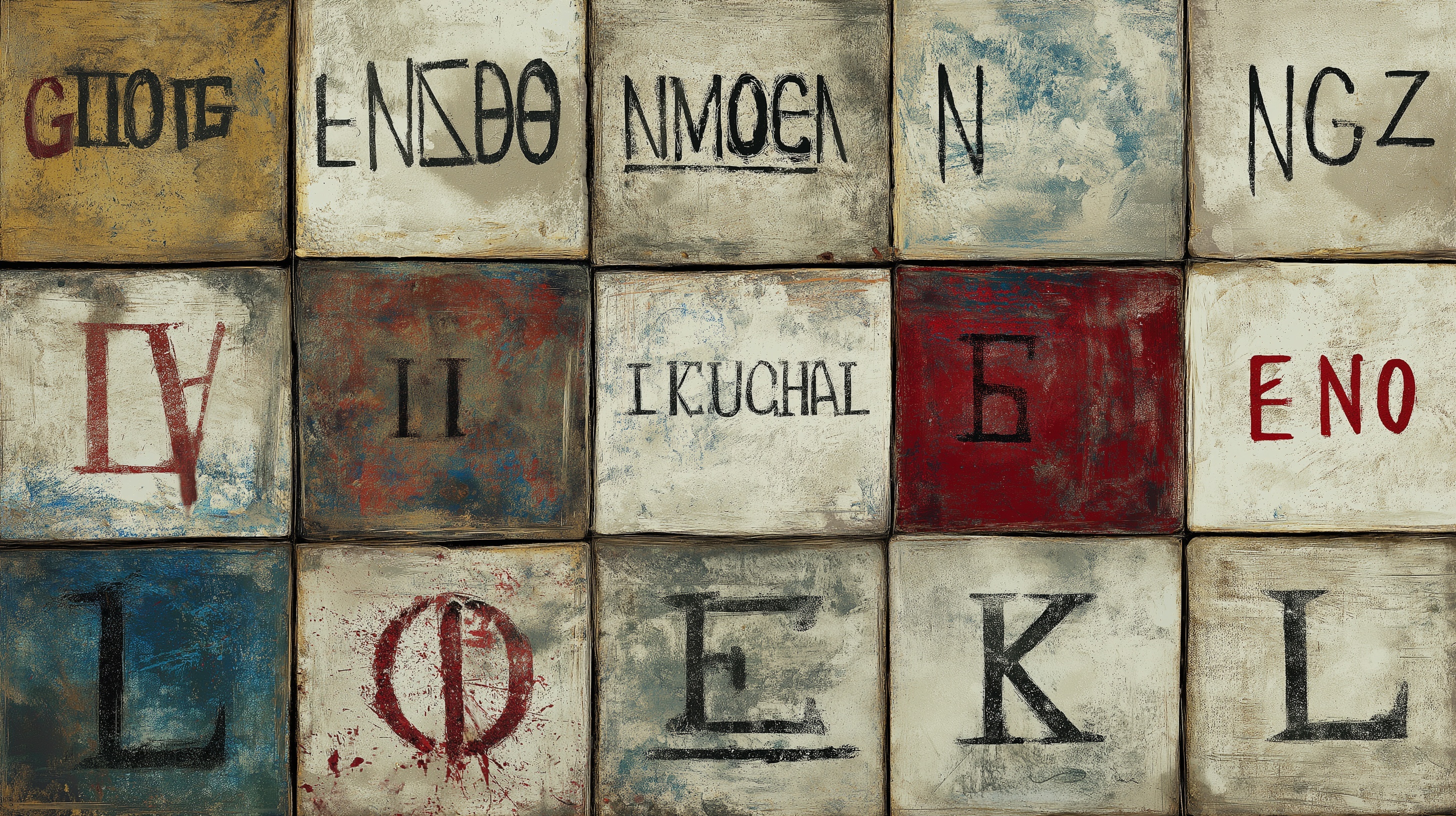
There is no native written form of the Slaad language. The Slaadi have no use for records, history, or documentation. When they do choose to mark something, it is usually done with random scratches, claw marks, or pictorial smears that carry symbolic meaning only to the creator. On rare occasions, magical glyphs or borrowed alphabets are used for specific rituals, but these are exceptions rather than norms. Written attempts to capture the language by outsiders are often inaccurate, relying heavily on phonetic approximations and interpretive guesswork.
Slaad communication defies the expectations of most language systems. It is not designed for clarity, precision, or repetition. Instead, it serves a species that thrives on unpredictability and resists definition. To speak Slaad is to abandon the idea that words must have fixed meaning or that language must follow logic. For the Slaadi, this chaos is not a flaw. It is the very essence of expression. The language does not bind them to understanding. It allows them to express change, unpredictability, and instinct without restraint.



Comments