


Sahuagin
The Sahuagin language is a guttural and aquatic form of communication developed by the sea-dwelling humanoids known as the Sahuagin. It is spoken almost entirely underwater and is nearly impossible to reproduce correctly in dry environments. The language makes use of gurgles, clicks, throat vibrations, and deep exhalations that rely on water pressure and flow for accuracy. Outside observers often mistake the sounds for random noise or animalistic growls, but there is a highly structured system beneath the surface-level aggression.
The phonetics of the language are adapted for use in saltwater environments. Sounds travel differently underwater, and the Sahuagin have evolved to exploit this. Many consonants are voiced through the chest and nasal passages rather than the mouth. Vowels are elongated and often paired with throat resonance to convey emotion or emphasis. Pauses are rare. Most statements flow without interruption, using continuous breath control that only aquatic creatures can sustain. This makes real-time translation nearly impossible for land-based interpreters.
Grammar in the Sahuagin language is based on simple but strict rules. Word order is subject verb object, and modifiers are always placed after the nouns they describe. Tense is marked by prefixes, and mood is conveyed through changes in pitch. There is no passive voice. Every sentence attributes action directly to a subject, whether personal or impersonal. Articles are absent, and plurality is generally indicated by doubling the word or repeating the phrase. Adverbs are few and typically formed by altering the base verb. This creates an efficient but inflexible structure.
Vocabulary is centered on survival, territory, strength, and hierarchy. Words for combat, dominance, and blood are numerous and nuanced. Concepts like mercy, art, or peace either do not exist or are poorly represented. There are many verbs describing specific kinds of hunting, killing, or swimming, and each carries social weight. Honorifics exist but are based solely on rank or recent victories. Disrespect is often communicated by intentionally misusing these terms, which can be seen as a challenge. Sahuagin language is more than a means of communication. It is a reflection of their values.
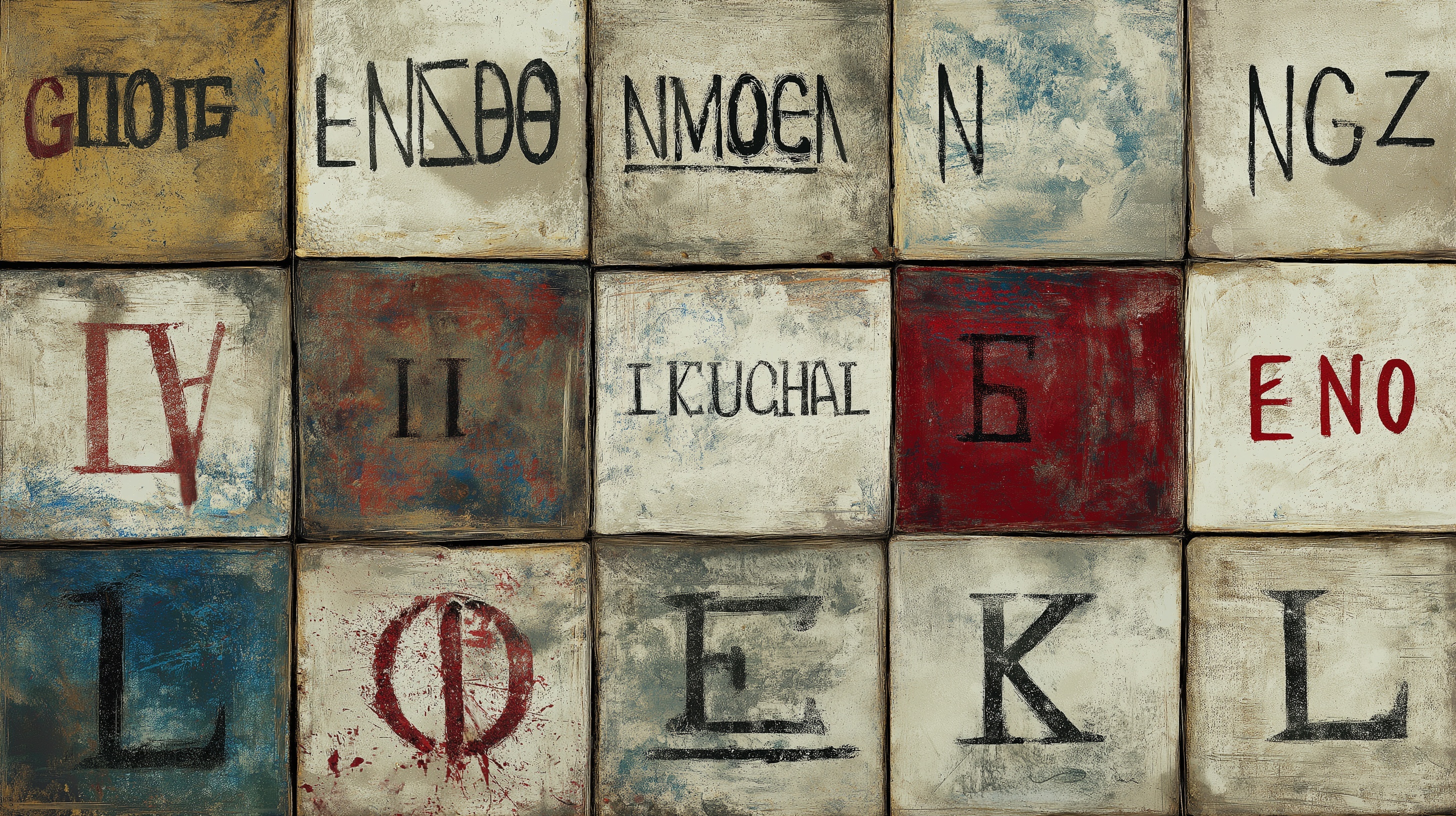
There is a limited written form, used mainly by priests or tribal leaders. It consists of carved symbols etched into coral, stone, or bone. Each symbol represents a full word or concept rather than phonetic elements. The script is not used for storytelling or recordkeeping but for marking sacred places, issuing orders, or cursing enemies. Because of its simplicity and the difficulty of writing underwater, it has never developed into a full writing system. It serves its purpose as a visual supplement to oral tradition.
To outsiders, the Sahuagin language sounds violent, abrupt, and difficult to follow. This impression is not inaccurate. The language was never designed for diplomacy or intellectual debate. It exists to issue commands, assert dominance, and maintain the internal structure of a martial society. Attempts to learn it are met with suspicion. The Sahuagin do not teach their tongue to surface dwellers, and they see little value in sharing it. In their world, language is not a bridge. It is a weapon, sharpened by generations of survival beneath the waves.



Comments