

Primordial
Primordial is one of the oldest and most fundamental languages in existence. It is believed to have formed in the early age of the cosmos, during the first stirring of the elemental planes. As such, it is not a language shaped by society or culture, but by force. It is raw, blunt, and absolute. It was never created to serve poetry or politics. It exists to declare, to define, and to assert. It does not entertain nuance unless that nuance serves the reality it attempts to name.
The sound of spoken Primordial is unlike any mortal tongue. Its phonetics include deep-throated vibrations, sharp percussive sounds, and extended syllables that carry weight. These are not poetic exaggerations. To hear a native speaker is to experience a statement that almost echoes with physical presence. Primordial is often described as heavy on the ear. Each word lands with a kind of finality. The language was not designed to ask or speculate. It was meant to state and to shape.
There is no true equivalent to Primordial grammar in mortal speech. Its sentence structures are not built on subject and object in the familiar sense. Instead, it uses root concepts that represent force, form, change, and permanence. Words are arranged to express a sequence of conditions or effects. A basic statement might involve only a few root terms, but those terms carry with them layers of meaning tied to material state, motion, time, and result. To translate such a statement into Common might take a full sentence. In Primordial, it takes one word.
The language does not possess articles, gendered terms, or honorifics. It does not bend to etiquette. There are no formal greetings or farewells. There is no vocabulary for pleasantries. It is a language that exists to mark the presence of things and the actions they perform. Where a mortal tongue might ask, “Did the wall fall?”, Primordial would say, “Wall collapse past.” It states, it affirms, and it moves on.
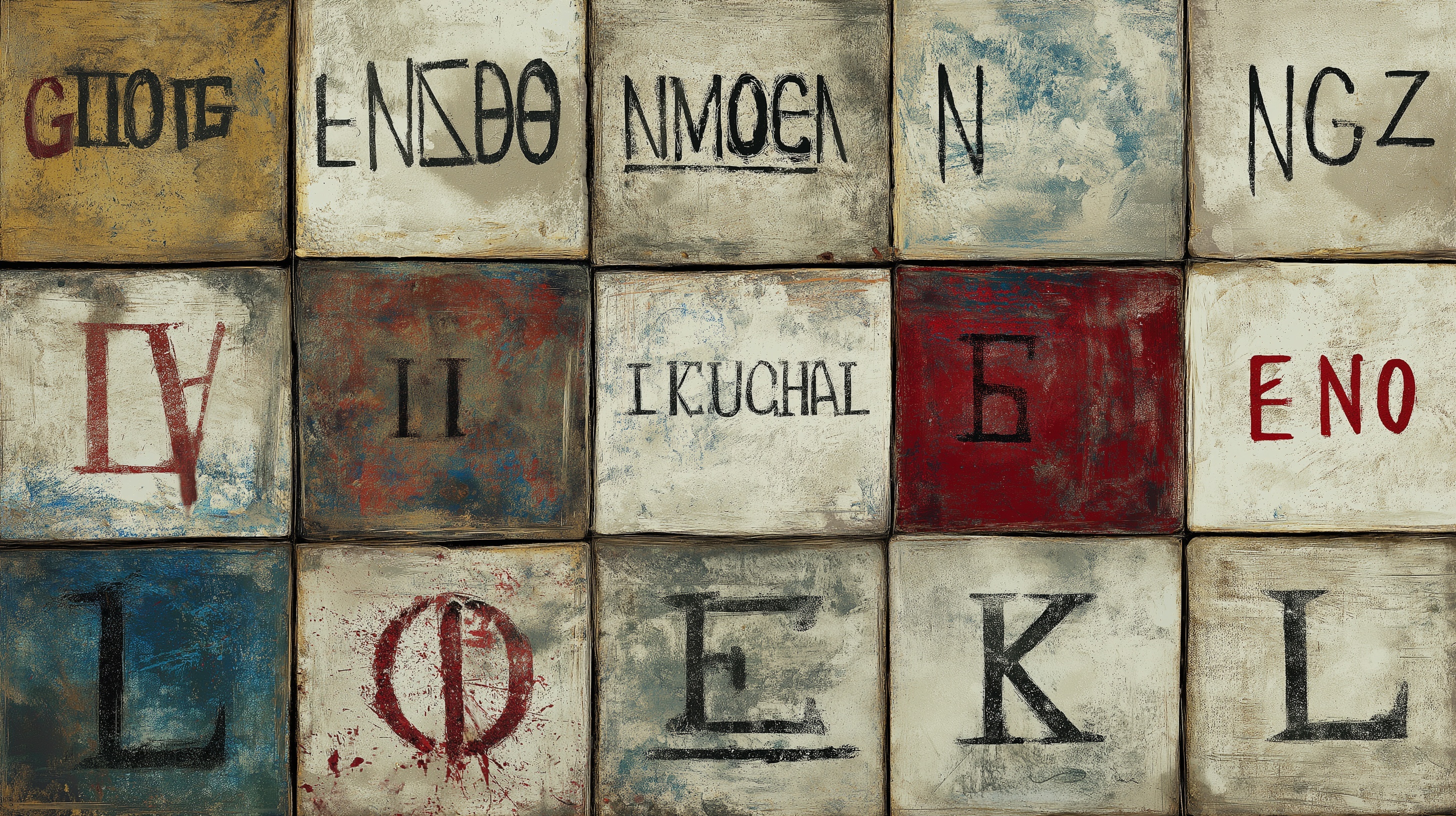
Primordial does not have a native written form. Its speakers rarely use one. When they do, it is usually under duress or for the sake of communicating with other beings who require physical marks to understand meaning. Those written forms vary by region, planar influence, or tradition. Some use angular runes. Others use patterns marked into stone, ash, or soil. None are universal, and most are abandoned as quickly as they are created.
Spells that draw on elemental energy often require the use of Primordial. Its sounds are seen as fundamental to planar forces. Some summoning rituals or enchantments involve not just repeating words, but shaping breath, pressure, and tone. Mages who wish to work with raw elemental power often study the language out of necessity. True fluency remains rare, as few outsiders can manage its vocal demands.
To speak Primordial is to name reality as it is, not as one wishes it to be. It is not a language of aspiration. It is a language of declaration. Those who use it understand that words have weight, and in this tongue, weight becomes consequence.



Comments