


Passmark
“Every border asks the same question. Who are you when the ink dries?”
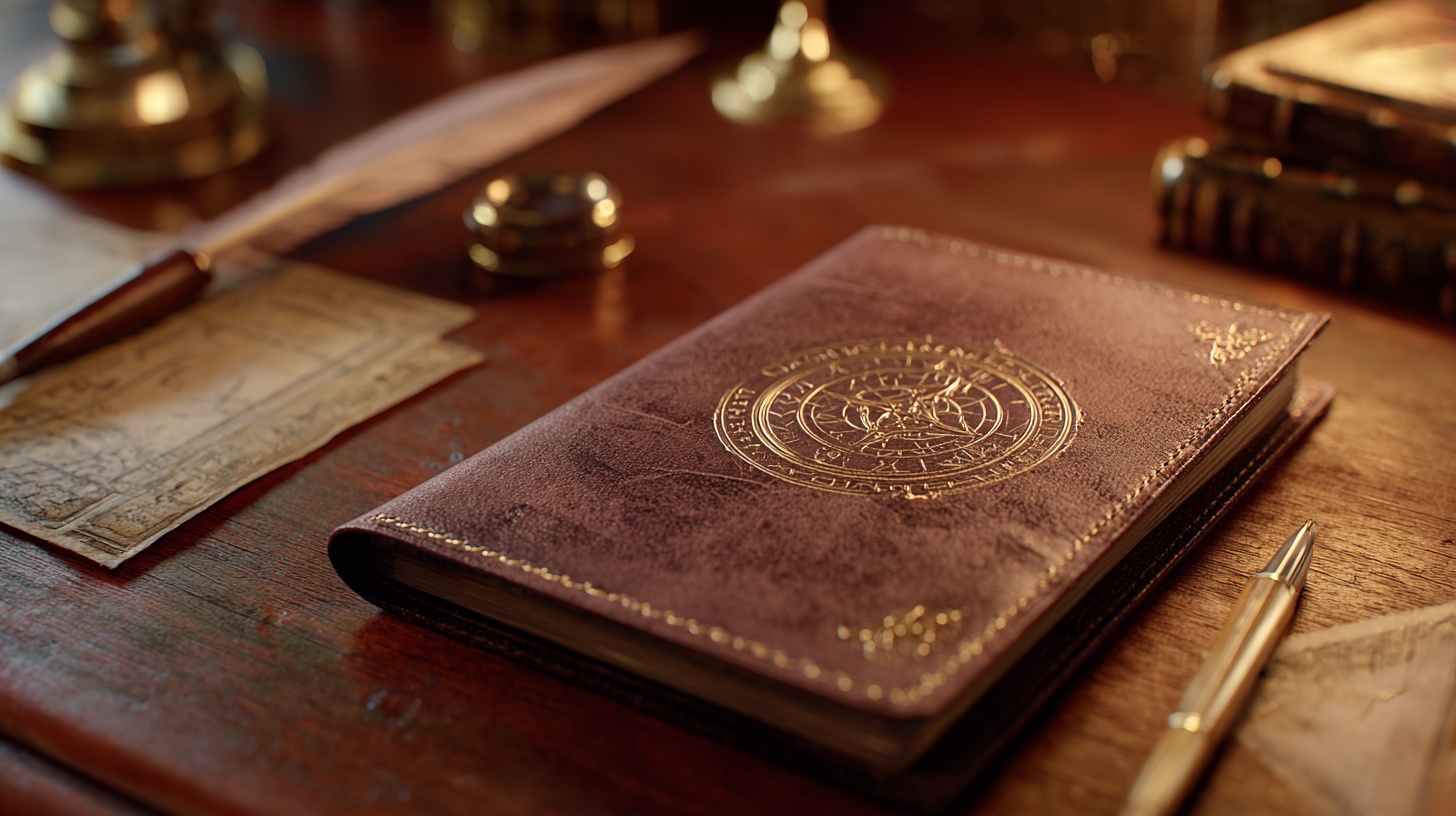
A passmark is the standard travel document recognized across Aerith, an invention of order in an age when movement once meant chaos. It identifies its bearer, records their origin, and grants lawful entry through the borders of sovereign lands. Merchants, sailors, pilgrims, and scholars alike depend on it, for few nations now allow passage without proof of sanctioned identity. Every checkpoint and harbor gate asks for it before coin, cargo, or word of intent.
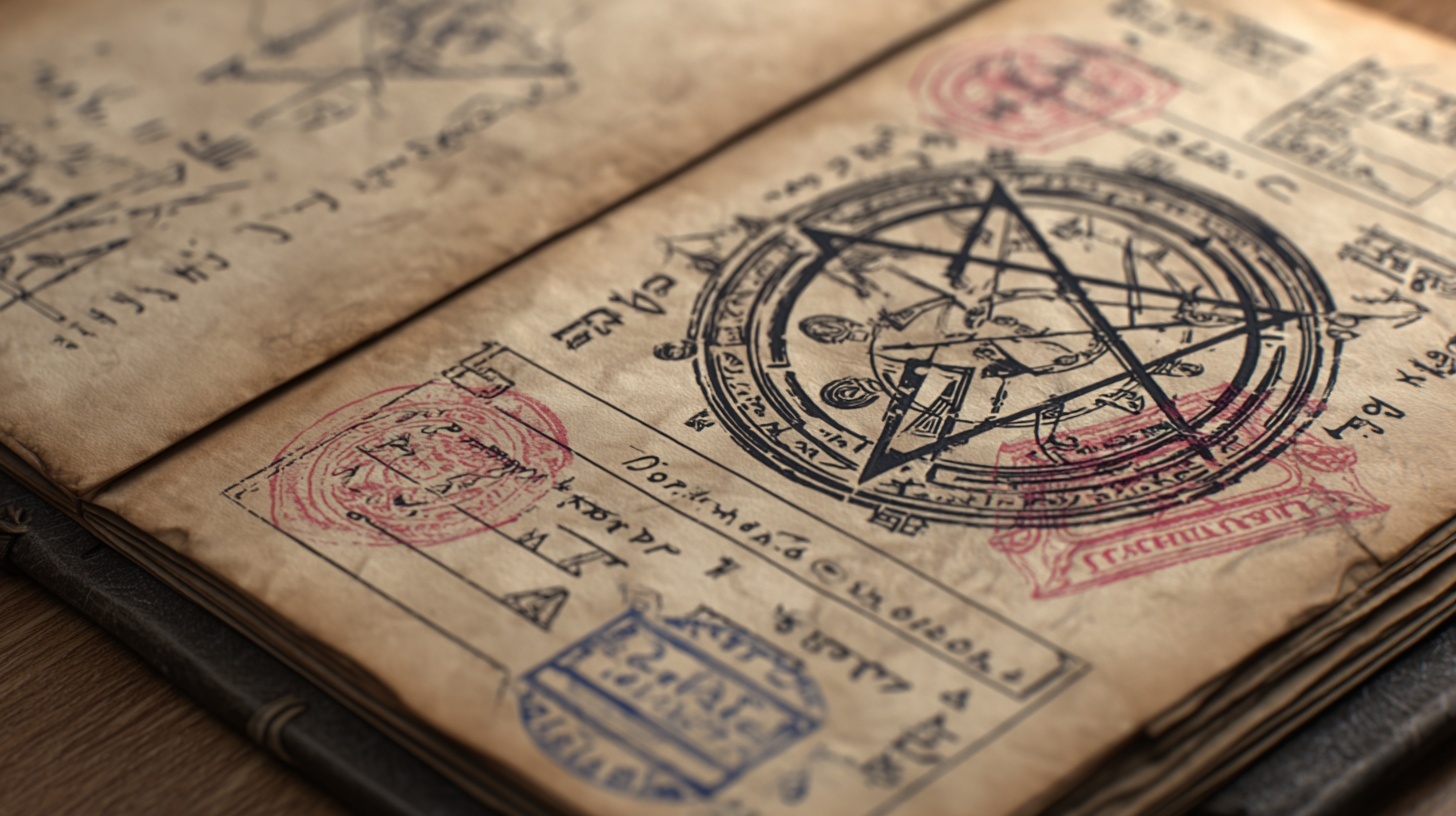
Most passmarks are small, durable folios crafted to survive years of travel. Some are stitched from treated parchment sealed with resin, others are thin plates of etched metal folded into a leather case. Each bears a crest, a registration number, and faint arcane impressions that glow when exposed to verification light. Within are recorded the bearer’s likeness, name, profession, and the endorsements of those who granted or inspected their travel rights. The ink used in official seals is mixed with powdered lodestone so that the document hums faintly when genuine.
Issuing authorities vary from place to place. In powerful nations it is the duty of chartered ministries or royal offices, while in the borderlands it may fall to magistrates, trade guilds, or even temple scribes. Every office maintains its own registry, a catalog of signatures and sigils that can be referenced by other governments. This shared network of recognition, both magical and mundane, is the closest thing the modern world has to a unified law. Its efficiency depends entirely on the honesty of the scribes who maintain it.
Inspection is both ritual and routine. At ports and crossings, travelers queue before tables where warded lanterns glow with slow rhythm. Officials hold the passmark beneath the light, reading the reflected shimmer for signs of forgery or tampering. A missing pulse means the seal is broken, a silent signal that the bearer has no lawful standing. The process is quick but absolute. Even the wealthiest envoy waits for the approving nod that allows them to move forward.
Because of its reach, the passmark shapes far more than travel. It defines trade routes, influences marriage contracts, and determines who may flee from famine or war. Many keep theirs hidden beneath clothing or bound against the skin with cord, fearful of theft or inspection by the wrong eyes. To lose it is to lose one’s place in the world’s ledger, a quiet exile from the systems that remember names and destinations.
Counterfeiters, spies, and smugglers treat the passmark as both obstacle and opportunity. Entire black markets revolve around stolen seals and blank folios smuggled out of bureaucratic vaults. Some learn to etch false sigils that fool the eye if not the light, while others bribe minor clerks to insert their names into official records. The result is a landscape of movement that feels both controlled and fragile, where trust exists only as long as the ink holds.
Mechanics & Inner Workings
"Ink can lie, but a mark that hums with your own soul rarely does."

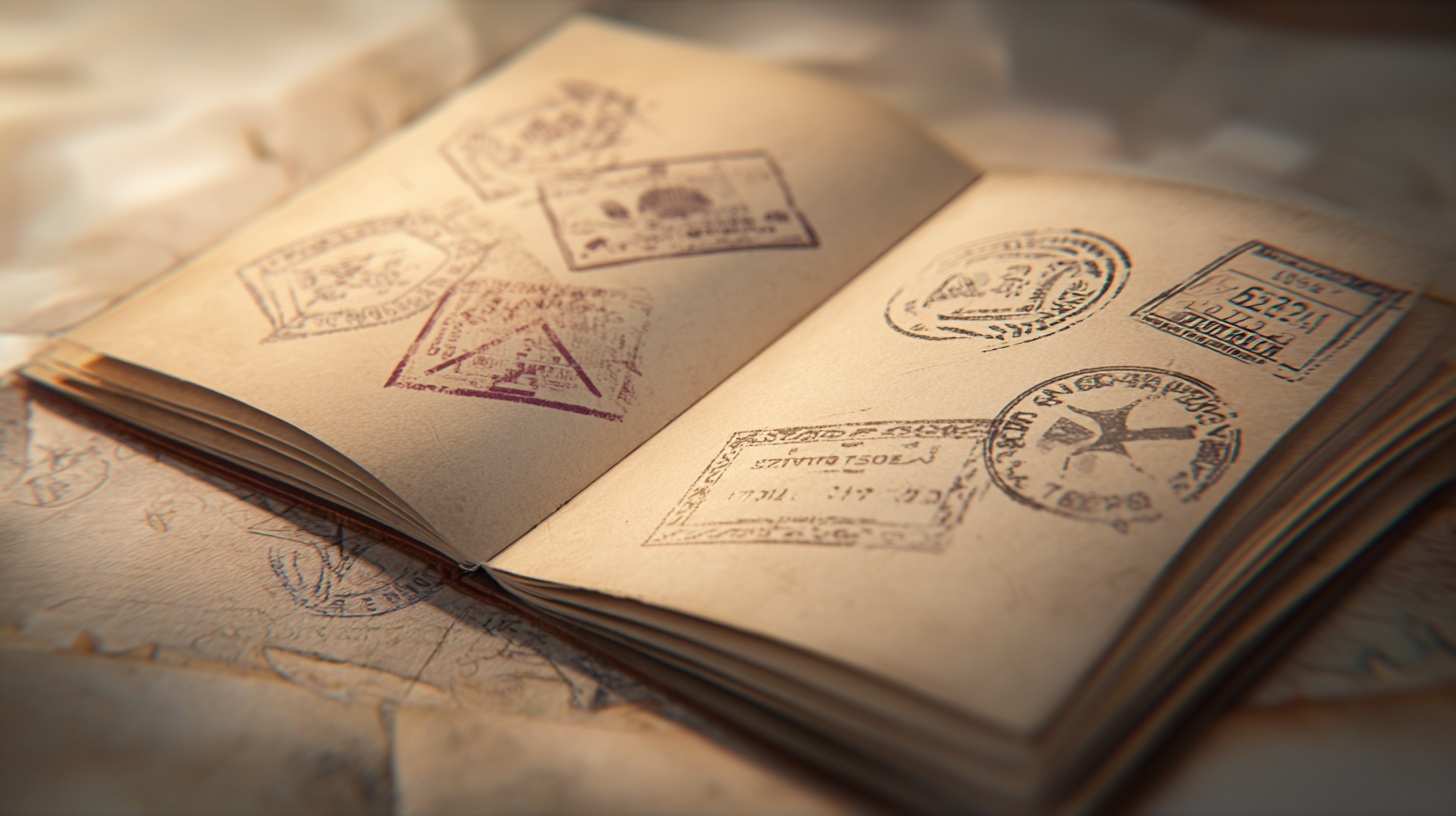
In practical terms, a passmark in Aerith blends mundane bureaucracy with low tier enchantment. Each document is created under strict ritual supervision by a licensed registrar or bonded scribe. The process begins with the preparation of special vellum or treated metal sheets infused with trace elements of lodestone and silver dust. These materials anchor simple identification charms that respond to specific stimuli such as light, touch, or sound. When a new passmark is issued, the scribe records the bearer’s name, likeness, and origin, then seals the information with a binding sigil unique to that issuing office. The sigil connects the document to a central registry, which may be a magical archive, a stone of record, or a sealed codex that mirrors all entries made under its authority.
Verification is performed through sympathetic reaction. Inspectors carry small crystal lenses or runed mirrors that resonate with the sigil embedded in the document. When the passmark is genuine, the verification tool emits a faint light or hum that matches the color of the issuing authority’s seal. If the enchantment has been tampered with, the reaction will flicker or fail. Some nations enhance this process with scent marks, brief illusions, or minor illusions of the bearer’s registered face. None of these spells are powerful, but their reliability lies in uniformity. Every legal passmark functions according to the same arcane template, ensuring that even rival states can read one another’s work.
A destroyed or damaged passmark cannot simply be copied or replaced. Each one contains a soulprint charm that records a fragment of its bearer’s aura at the time of issue. This charm is harmless, but it allows border clerics to confirm that the person presenting the document is the same one it was made for. Forgers often try to mimic the mark by binding false aura strands, yet such attempts decay quickly and draw suspicion when tested. To renew a lost or invalidated passmark, the bearer must appear before the issuing authority to have their aura recast and their signature reentered into the registry.
Because the system is widespread, most governments also maintain an emergency override called the writ of recall. This writ allows officials to nullify a passmark by invoking its linked sigil through the registry. When activated, the affected document turns black and becomes inert, leaving the traveler stranded until a new record is approved. This measure prevents abuse by spies, smugglers, or those who have fallen from favor. The structure may seem cumbersome, but in a world where both deception and magic are common, the passmark remains the simplest fusion of faith, law, and enchantment that civilization has managed to agree upon.
History
"When the borders closed, the world learned the cost of forgetting who was allowed to move."
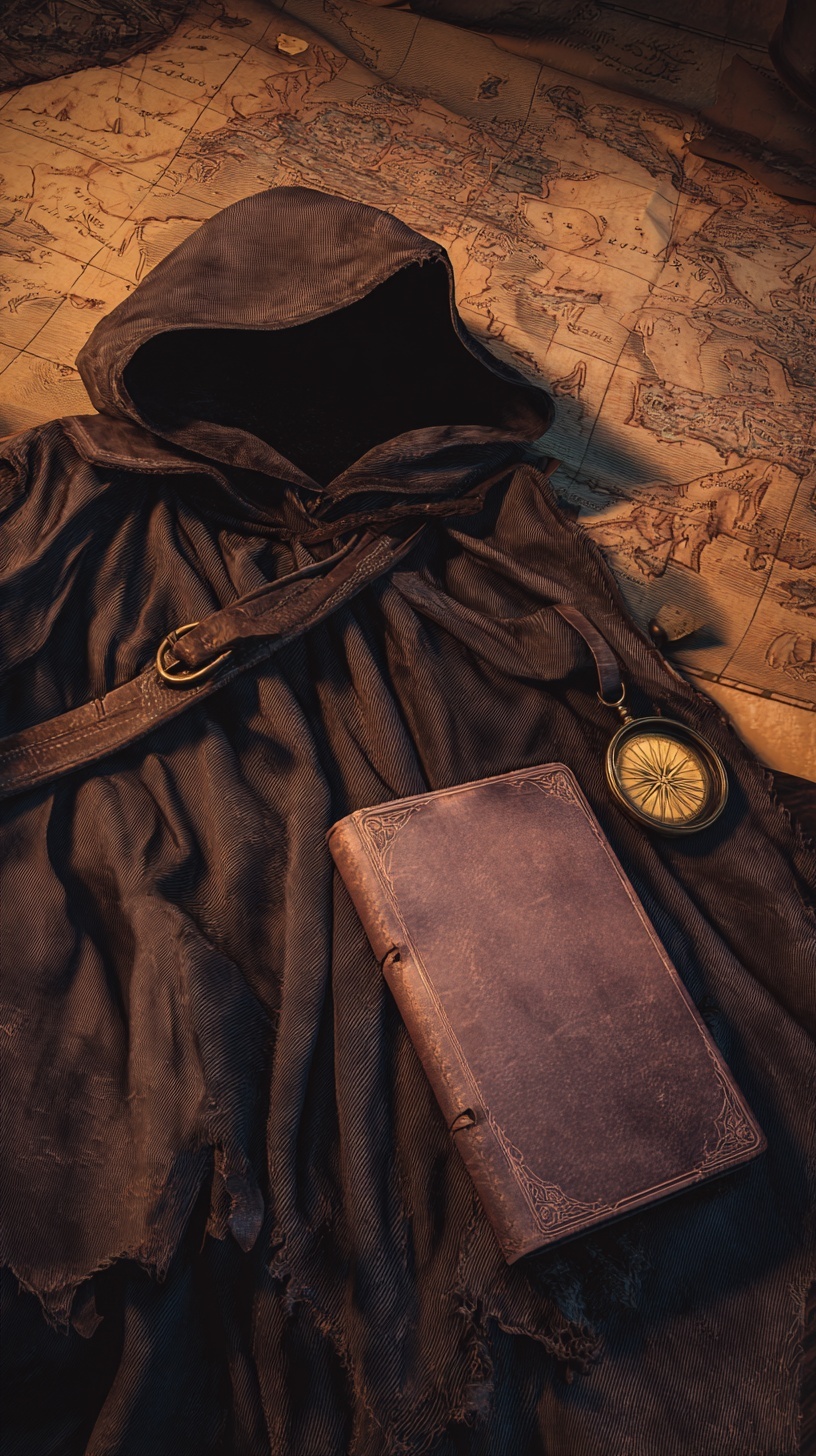
The first passmarks appeared in the century after the Shattering when the fall of the old empires left trade and migration in ruin. Cities that once shared open roads began to fear strangers and famine drove countless refugees from one broken kingdom to another. What began as scraps of parchment bearing a magistrate’s seal soon became a matter of survival. These early marks were crude and inconsistent, signed in wax or blood and recognized only for as long as their witnesses lived. When famine gave way to rebuilding, the growing web of city states sought to bring order to the chaos by creating shared proof of identity.
The first unified form came from the coastal archives where merchant fleets demanded an end to constant suspicion and delay. Trading houses forged an agreement called the Compact of Passage that declared any traveler with a certified mark could move between allied ports without interference. The Compact transformed the passmark from a desperate token into a lawful document. It established rules of authentication, record keeping, and the first minor enchantments to resist forgery. Though limited in reach, this maritime pact became the pattern followed by the inland kingdoms in later generations.
As new governments emerged from the ruins of the old world, each sought to claim authority over the right to travel. Monarchs turned the passmark into a tool of administration, tying it to taxation, military duty, and legal identity. Religious orders used it to track pilgrims and to judge who might carry forbidden knowledge across sacred borders. In some places the poor were forced to wear stamped metal discs that served as living records, while nobles carried engraved folios that displayed wealth and rank. The freedom once found on the open road slowly vanished under the weight of these controls.
In later centuries the passmark became a symbol of both safety and restraint. Its modern design is small, durable, and carefully charmed against deceit, a refinement shaped by generations of law and fear. Officials praise it as proof of civilization’s recovery, yet historians still see in its pages the echo of the hunger and suspicion that first gave it life. Each signature and seal is a reminder of how easily necessity hardens into rule, and how every age must decide anew what movement is worth trusting.

"Every spell fades, every seal cracks, but the passmark still remembers the hand that signed it."



Comments