

Ignan
Ignan is the language of elemental fire. It is spoken by fire elementals, salamanders, azers, and other beings native to the Plane of Fire. The language is also studied by elemental scholars, conjurers, and planar explorers who interact with the creatures of that realm. Ignan is not commonly spoken outside the elemental planes, but those who deal with fire magic often seek to understand it, even if they cannot fully master it. It is a precise and intense language, reflecting the volatile and energetic nature of its speakers.
The spoken form of Ignan resembles a blend of crackling flame, sudden bursts of heat, and rhythmic hissing. Sounds in Ignan are sharp and clipped, with many short vowels and hard consonants. The language is fast paced. Silence is rare between phrases, and pauses are kept brief. Some of its sounds are difficult for material plane beings to reproduce, as they require vocal patterns that mimic the flicker and roar of open flame. Among elemental creatures, speech often blends with visible heat distortion, making the visual component part of the language in many cases.
Ignan grammar is efficient and rigid. It follows a fixed sentence structure, rarely allowing for variation or stylistic change. Word order is typically subject followed by verb and object, with modifiers placed after the words they describe. Tense is marked by sound shifts rather than helper words. Volume and pitch serve grammatical functions. A rising tone might indicate a question, while a steady drop could mark a command. Repetition of a word increases its intensity rather than its quantity. There are no polite forms or formal variants in Ignan. The language assumes clarity of intent and direct expression at all times.
The vocabulary of Ignan focuses on temperature, motion, change, destruction, and renewal. There are hundreds of words to describe heat in varying degrees, from the warmth of smoldering ash to the rage of a wildfire. Terms for combustion, expansion, and energy transfer are extremely detailed. Descriptions of physical objects tend to be minimal. Things are often referred to only in terms of their reaction to heat. For example, a metal might be named by the color it glows when heated, or a person by how quickly they sweat in firelight. Emotional terms are usually metaphorical, relying on references to burning, flickering, or smoldering.
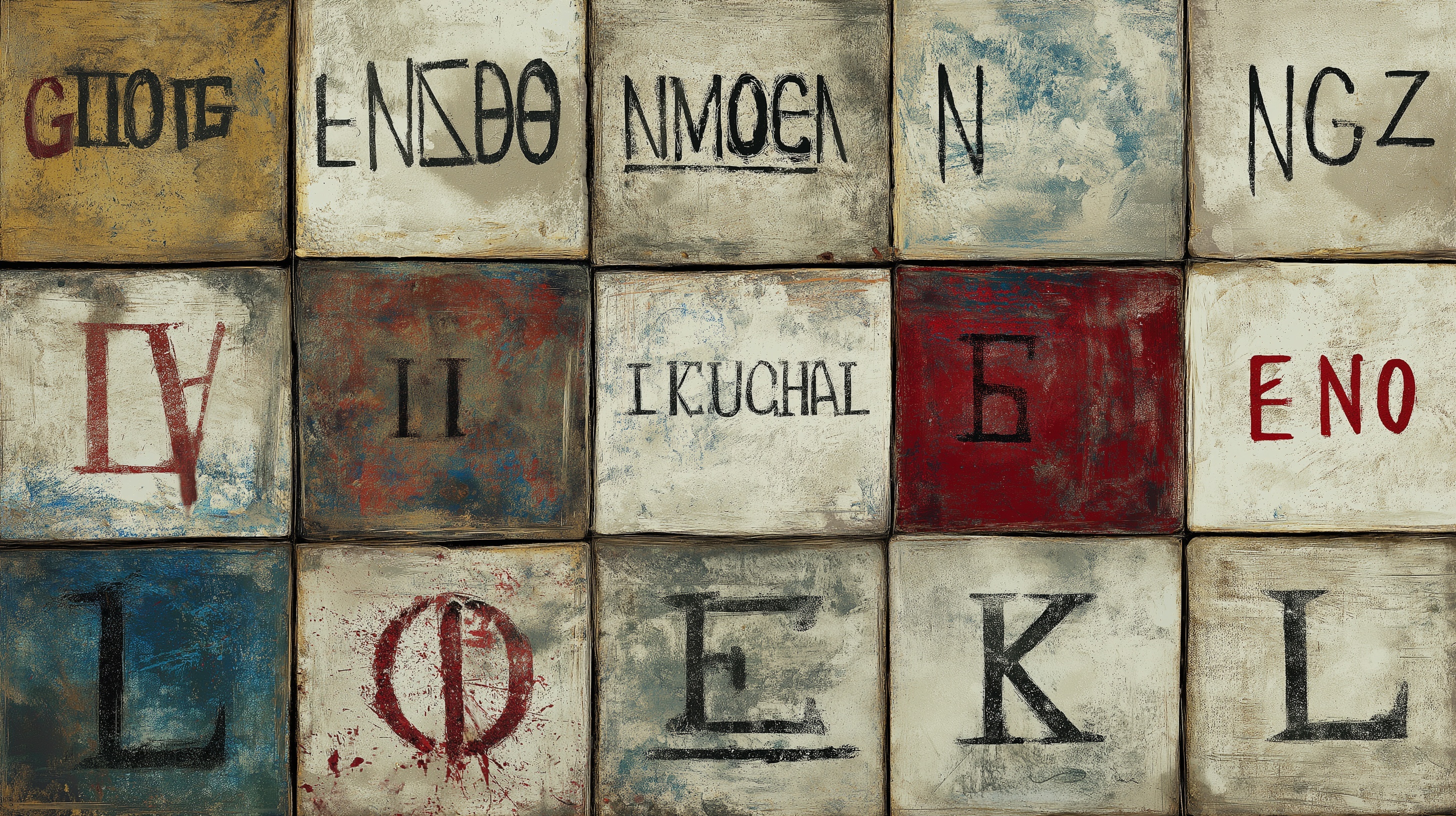
There is no traditional written form of Ignan. Fire elementals and similar beings do not use ink or parchment. When a script is needed, Ignan is usually transcribed using modified symbols from the Primordial root script, adapted to match Ignan sounds. These symbols are used in magical texts, binding scrolls, and planar maps. However, they are not common among native speakers. In its natural context, Ignan is a spoken and sometimes visual language only.
Learning Ignan requires more than memorizing words. It demands an understanding of rhythm, intensity, and pressure. Speaking it well means embodying heat in both sound and intention. Those who truly master the language often describe it not as learning a tongue, but as learning to become fire.



Comments