


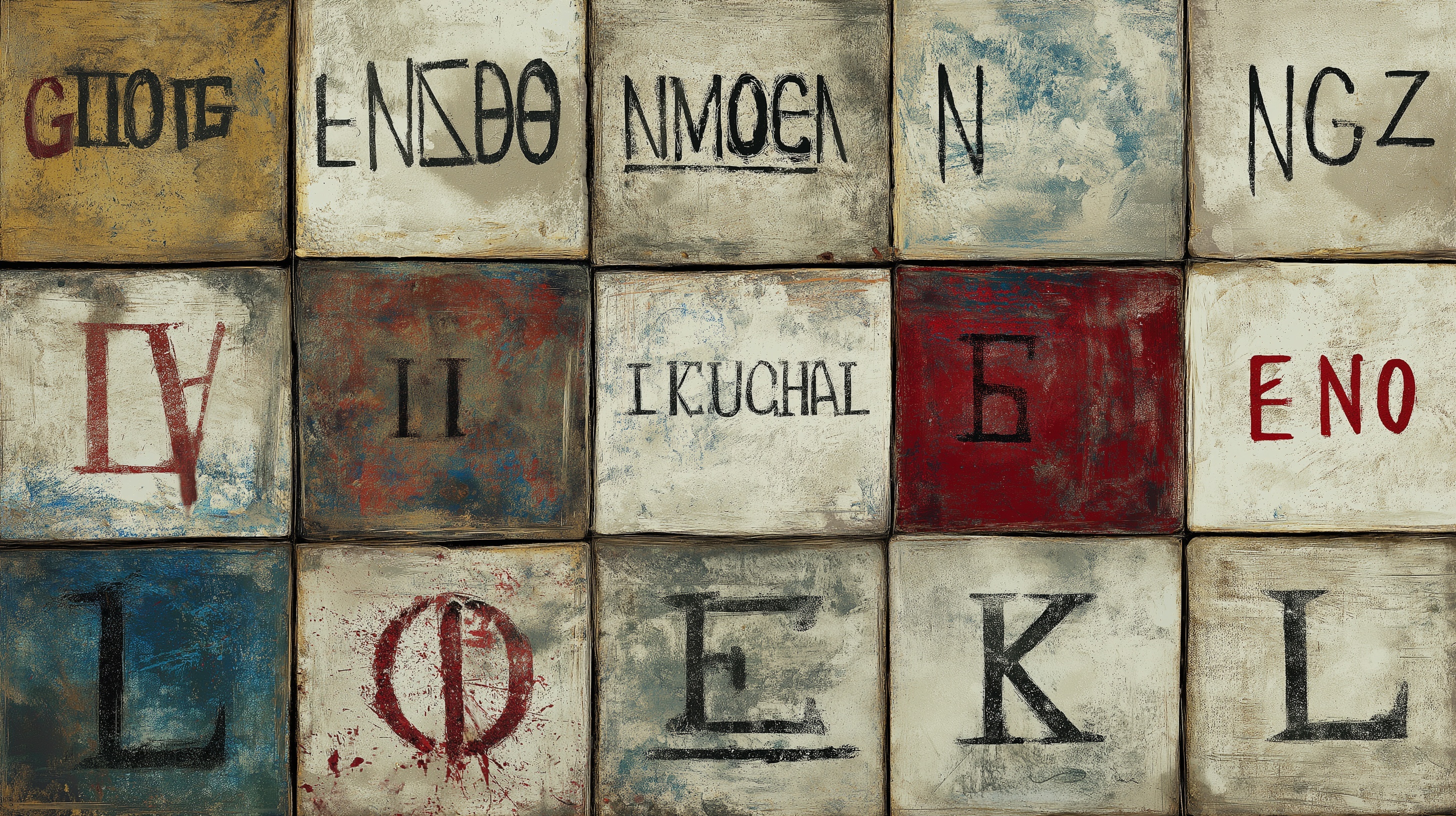
Halfling
Halfling is the primary language spoken by the halfling people in their scattered communities, traveling families, and hidden enclaves. It is not a secret language, but it is rarely studied outside of halfling society. Most non-halflings encounter it only in passing, often picking up a few words through trade, shared roads, or long association. The language is informal, compact, and conversational in tone. It exists to serve practical, everyday needs rather than lofty or ceremonial ones.
The spoken form of Halfling is soft, rhythmic, and understated. It favors gentle consonants and short vowels. Sentences are usually brief, structured for clarity over complexity. Most speech happens at low volume, reflecting a culture that values quiet conversation over public declamation. The language is suited to kitchens, porches, and roadside camps, where small groups talk easily and without performance. Speakers tend to rely heavily on tone, rhythm, and pacing to convey emotional meaning, making the language sound almost musical in casual use.
Halfling grammar is consistent and straightforward. It follows the common sentence order of subject followed by verb and then object, with modifiers placed in predictable positions. There is no elaborate system of conjugation. Verb tense is indicated by small helper words that precede the main verb. Plurals are formed by consistent suffixes, and possessive constructions use linking words instead of altered noun forms. There is no system of gendered nouns. Halfling does not distinguish formal and informal address, nor does it contain honorifics. Social familiarity is assumed rather than marked in speech. Clarity and emotional intent are emphasized over formality or structure.
The vocabulary of Halfling is grounded in domestic life, travel, and seasonal change. There are many words for types of food, tools, weather patterns, walking routes, and family roles. Expressions related to household tasks, farming, and shared meals are particularly abundant. The language also includes a wide array of idioms that describe emotional states and interpersonal situations using metaphors drawn from daily life. A stubborn person might be described as having boots sunk in mud. A cautious one might be called someone who watches stew before it boils. These idioms are vivid but remain grounded in halfling experience.
Written Halfling uses a simplified form of the Common alphabet. The script favors rounded letters and easy strokes, designed for handwriting with chalk, charcoal, or ink. Most written Halfling appears in journals, recipes, travel notes, or messages between families. Halflings do not usually produce books in their own tongue, preferring to read and write longer works in Common. Public signs, contracts, and records are also typically rendered in Common for accessibility. Written Halfling is personal, functional, and informal.
The language is taught from childhood through speech, song, and storytelling. It is rarely written down in formal grammar or studied in an academic sense. Halfling exists as a living tongue, passed from parent to child and neighbor to neighbor. It is a language of hearth and habit, meant for people who know each other and who expect to meet again. Among halflings, it is not just a tool but a reflection of how they live.



Comments