


Goblin
Goblin is the native language of goblins and their related kin, including hobgoblins, bugbears, and certain other goblinoid species. It is a practical and aggressive tongue, shaped by the needs of a culture focused on survival, hierarchy, and direct communication. The language is functional rather than artistic, and it has adapted over time to serve both tribal and militaristic structures. It is rarely studied outside of those who have reason to interact directly with goblinoid communities.
The spoken form of Goblin is sharp, fast, and often harsh to the ear. It uses short words, clipped syllables, and a growling undertone that can carry over long distances. The language favors abrupt sounds, including guttural consonants and hard stops. Vocal tone plays a strong role in shaping meaning. The same phrase spoken with different levels of volume or speed can convey completely different intentions. It is a language meant to be understood quickly and without subtlety, especially in tense or chaotic situations.
Goblin grammar is simple but rigid. Sentences follow a basic subject-verb-object structure, and modifiers are usually placed after the word they affect. There is little room for abstraction or nuance. Statements tend to be direct, often focused on action or command. The language includes consistent rules for marking tense and number, but it avoids unnecessary complexity. There are no polite forms or honorifics. Social rank is expressed through tone and content, not through structural change in the language.
The vocabulary of Goblin reflects the needs and priorities of its speakers. It includes many terms related to combat, movement, dominance, and resource control. Words for tools, weapons, tactics, and body parts are extensive. Emotional vocabulary is limited. Concepts like loyalty or fear are usually expressed through physical metaphor or threat-related imagery. There are few words for abstract thought or long-term planning. Goblin is not used for philosophy or poetry. It is used to survive and to lead.
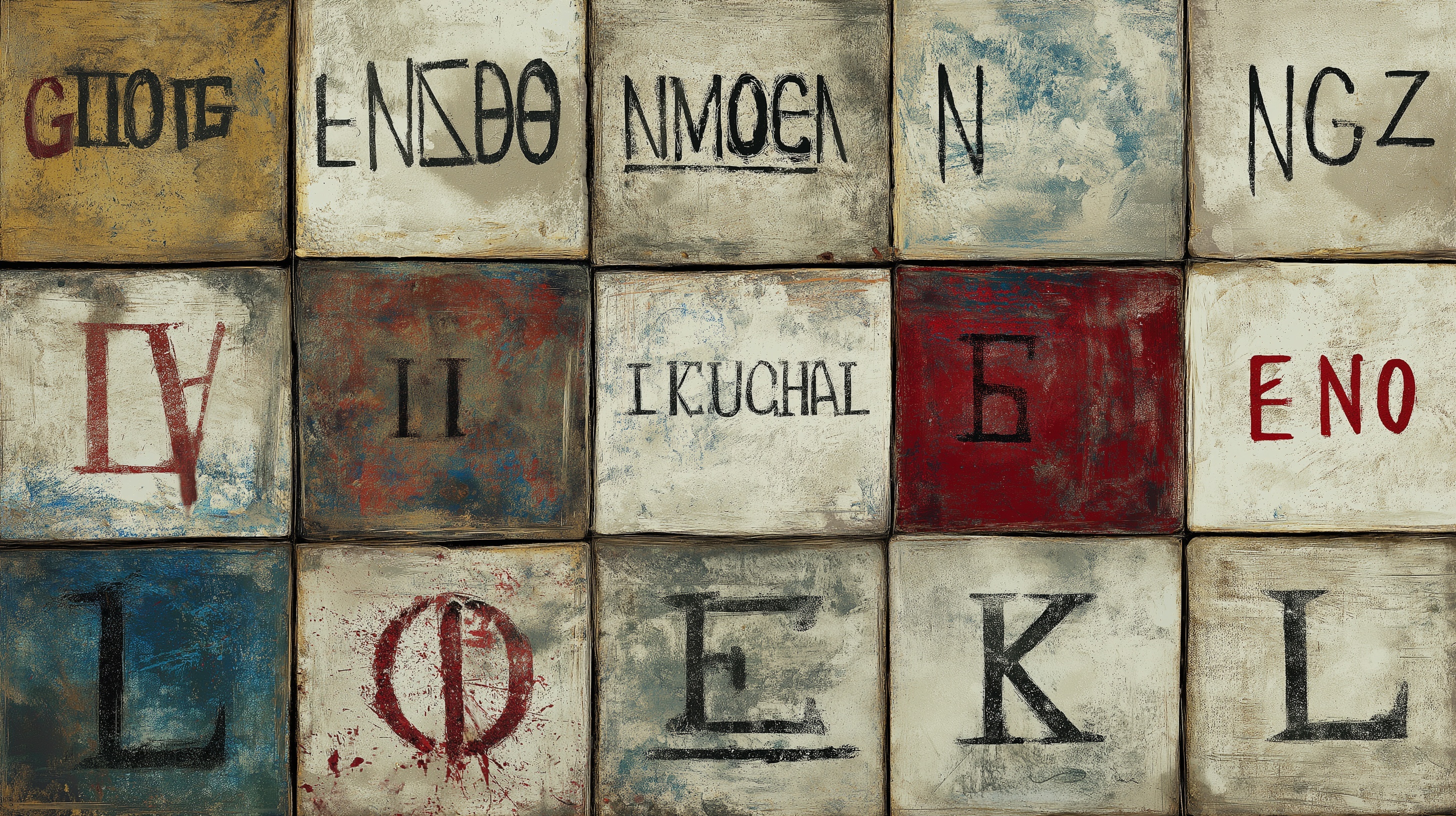
There is a written form of Goblin, though it is not commonly used outside of structured groups such as hobgoblin warbands or organized clans. The script is angular and rough, made up of straight lines and sharp corners. It is designed to be scratched into stone, carved into wood, or painted quickly onto surfaces. Written Goblin is most often used for signs, warnings, commands, or identification marks. Full texts are rare, and formal writing is typically reserved for strategic or ritual purposes.
Goblin is not widely taught outside of goblinoid communities. Some mercenaries, slavers, frontier guards, and military officers may learn a working knowledge of it for practical reasons. Scholars and linguists may record fragments of the language, but full academic treatment is uncommon. Despite this, Goblin is consistent and usable. It functions well within its intended role.
Goblin is not a language for persuasion or diplomacy. It is a tool. It is meant to be used quickly, heard clearly, and obeyed. Those who speak it do so to act, not to discuss.



Comments