

Gnomish
Gnomish is the native language of the gnomish people, known for its complexity, speed, and precision. It is an old language with roots in ancient dialects, yet it remains flexible and adaptive. Gnomish reflects the cultural traits of its speakers, including curiosity, attention to detail, and a tendency toward layered meaning. The language is used in daily life, scholarly work, invention, and magical theory. Despite its challenges, it is a respected and valuable tongue throughout the known world.
The spoken form of Gnomish is fast-paced and highly inflected. It uses a broad range of vowel sounds, intricate consonant clusters, and rhythmic pacing that can be difficult for outsiders to follow. Native speakers shift between formal and informal registers fluidly, sometimes within a single sentence. The language allows for rapid speech, yet maintains clarity through tonal variation and consistent rules of pronunciation. To untrained ears, spoken Gnomish can sound like a stream of unrelated syllables. To fluent speakers, it is a precise and efficient form of communication.
Gnomish grammar is complex but logical. Sentences often follow a subject-verb-object pattern, but word order may shift depending on emphasis, formality, or context. The language includes multiple verb tenses, noun cases, and conditional forms. Prefixes and suffixes are used extensively to indicate relationships, scale, or purpose. For example, a base word for “device” might take on a dozen different meanings depending on the modifiers applied. This system allows speakers to construct detailed ideas using compact phrases, though it also increases the learning curve for non-native speakers.
The vocabulary of Gnomish is both technical and expressive. There are exact terms for mechanical components, alchemical substances, and arcane phenomena. Scientific and magical disciplines often borrow from Gnomish when a more precise term is needed. At the same time, the language includes many idioms, wordplay constructions, and region-specific expressions. Gnomes enjoy using double meanings, puns, and layered metaphor, especially in informal speech. This tendency can frustrate those who are unfamiliar with the language’s cultural context, but among native speakers, it is a mark of intelligence and creativity.
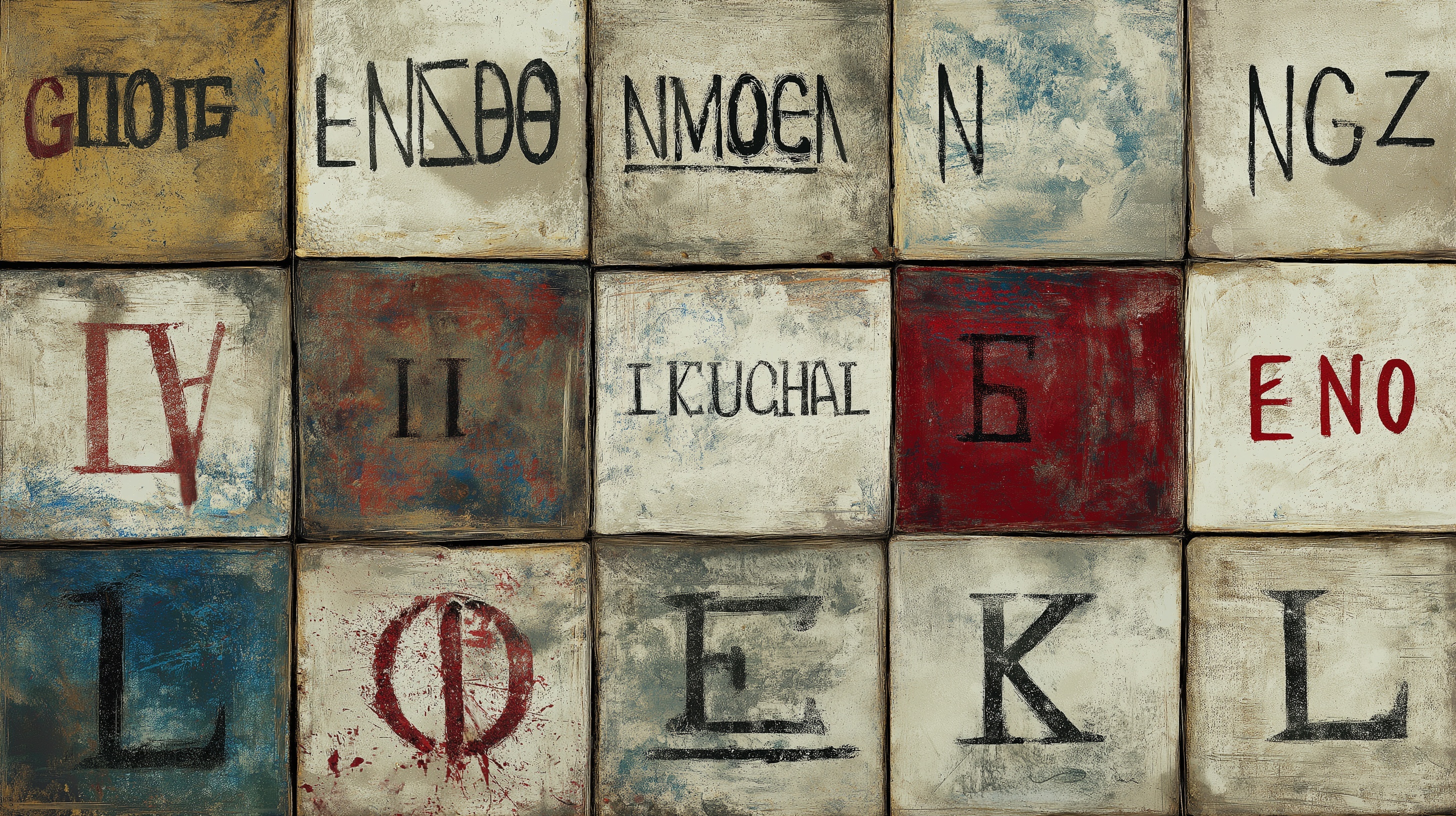
Gnomish has a written script that is dense, angular, and finely detailed. Each character is distinct and represents a phonetic sound, but additional marks can modify tone, volume, or grammatical function. The writing is compact, designed to fit a large amount of information into a small space. It is often used in marginalia, technical drawings, and magical diagrams. Gnomes favor fine tools and tight line work, and many written Gnomish texts require magnification to read comfortably. Despite this, the script is well-organized and consistent once mastered.
The language is taught in gnomish communities from an early age. It is used in education, engineering, literature, and ritual. Many gnomes also learn Common or other regional languages, but Gnomish remains central to cultural identity. Outside of gnome society, it is sometimes studied by wizards, inventors, or scholars who want to understand gnomish texts or collaborate on complex projects.
Gnomish is not a language for vague statements or idle speech. It is a language of precision, crafted to handle complexity without confusion. It rewards those who listen closely and think carefully.



Comments