

Formari
"At rest they resemble monuments. In motion they resemble intent. Both carry a gravity that cannot be ignored"
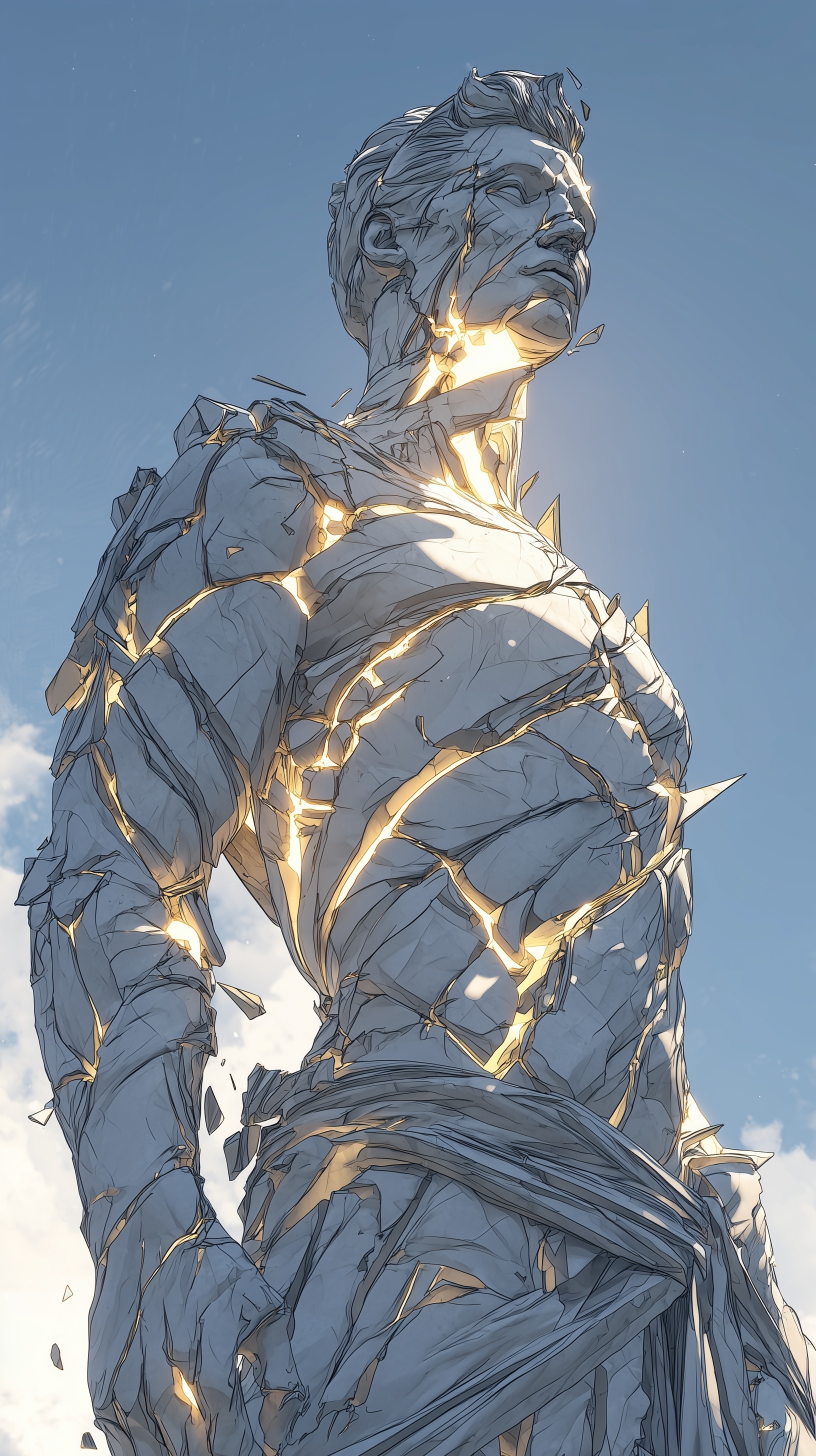
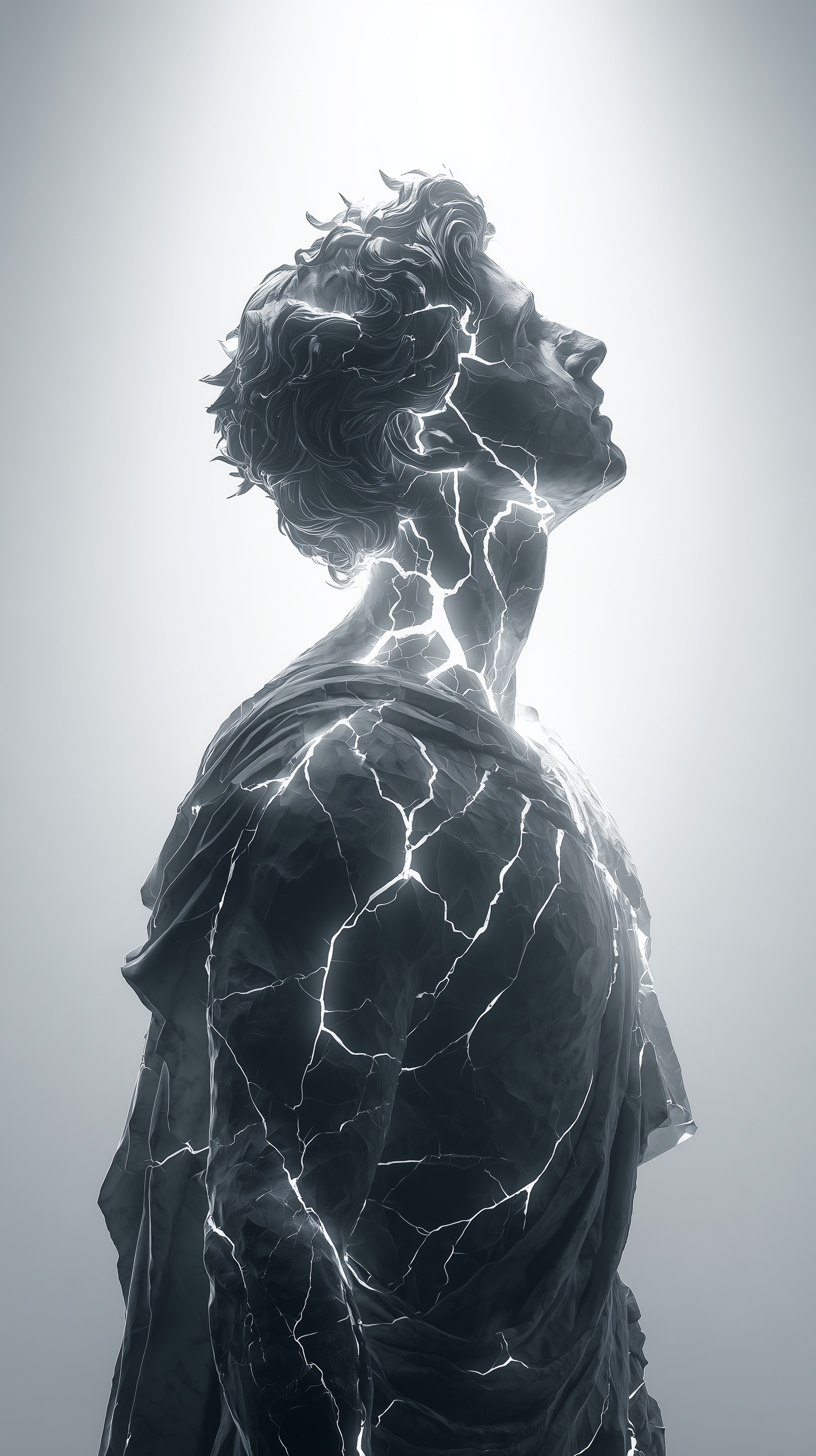
The Formari are a rare people born from the collapse of an older world rather than any intention of their creators. Eight thousand years ago, in the final centuries of the Ordrell Empire, artisans sculpted the Xoai as living ornaments meant to embody wealth, refinement, and cultural ideals. They served as ceremonial attendants, household fixtures, and curated symbols of prestige. Their beauty was deliberate, their function was limited, and their existence was never meant to reach beyond the walls of the villas that commissioned them. In their original state the Xoai possessed no inner life. Their movements, voices, and expressions were governed entirely by enchantments that mimicked awareness without granting it. They could pour wine, recite a verse, or greet a guest with polished social grace, but none of it came from thought. When Ordrell fell, its sculpted servants fell with it. They stood where they had been left, locked in poses of welcome or stillness as centuries of dust, ruin, and repurposing buried them deeper into the world’s forgotten places. For most of history the Xoai remained nothing more than relics of a vanished age. Some were reclaimed as art, some were studied, some were lost beneath collapsed estates, but none stirred. Only after the Shattering fractured the arcane foundation of Aerith did their condition begin to change. The chaos that disrupted spellcraft for centuries also destabilized the enchantments that once controlled these constructs. A small number reactivated, not as tools returning to function, but as newly conscious beings severed from the programming that defined their existence. Those few who awakened found themselves with adult bodies and no past. The enchantments that once supplied their movements became inert, leaving each Formari with a living mind inside a shell never designed for autonomy. Fragmentary echoes of former routines sometimes linger in speech or mannerism, but nothing remains of the identity imposed upon them in the Ordrell age. Their understanding of the world begins in the moment they awaken, often in places that hold no clue to the civilization that shaped them. In the current era Formari are encountered only rarely, their emergence unpredictable and unreproducible. Scholars categorize them as curiosities of the post Shattering world, while the Formari themselves use the name Xoai in recognition of the craft that shaped their bodies even if they cannot reclaim its meaning. Most attempt to define themselves through exploration, artistry, or the pursuit of lost knowledge. They are strangers in every culture, tied to no lineage or homeland, yet driven by the quiet need to understand why they exist and what remains of the empire that made them.
Basic Information
Anatomy
"I touched the cheek of a silent Xoai and felt eight thousand years of patience kept beneath stone"
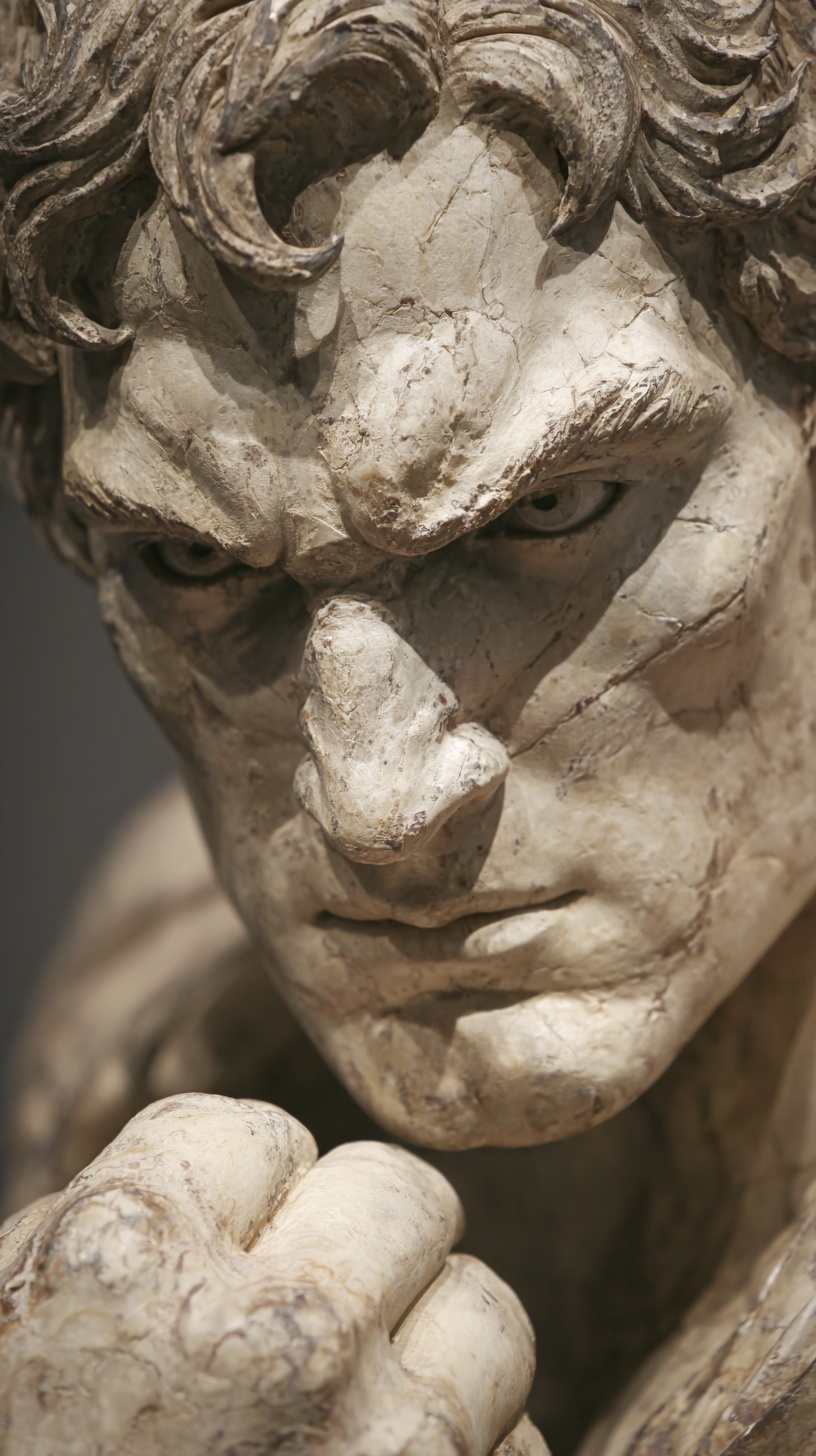
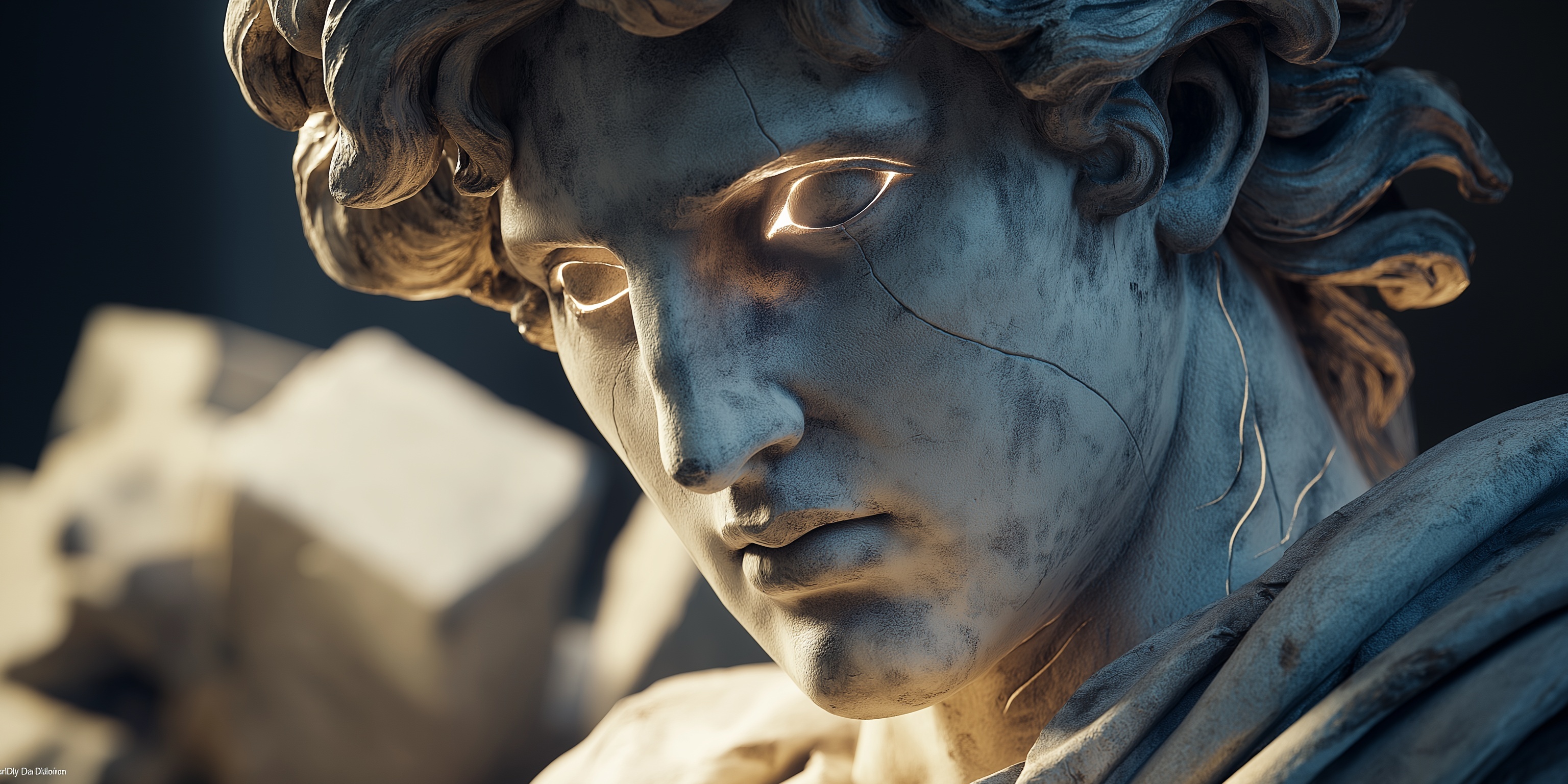
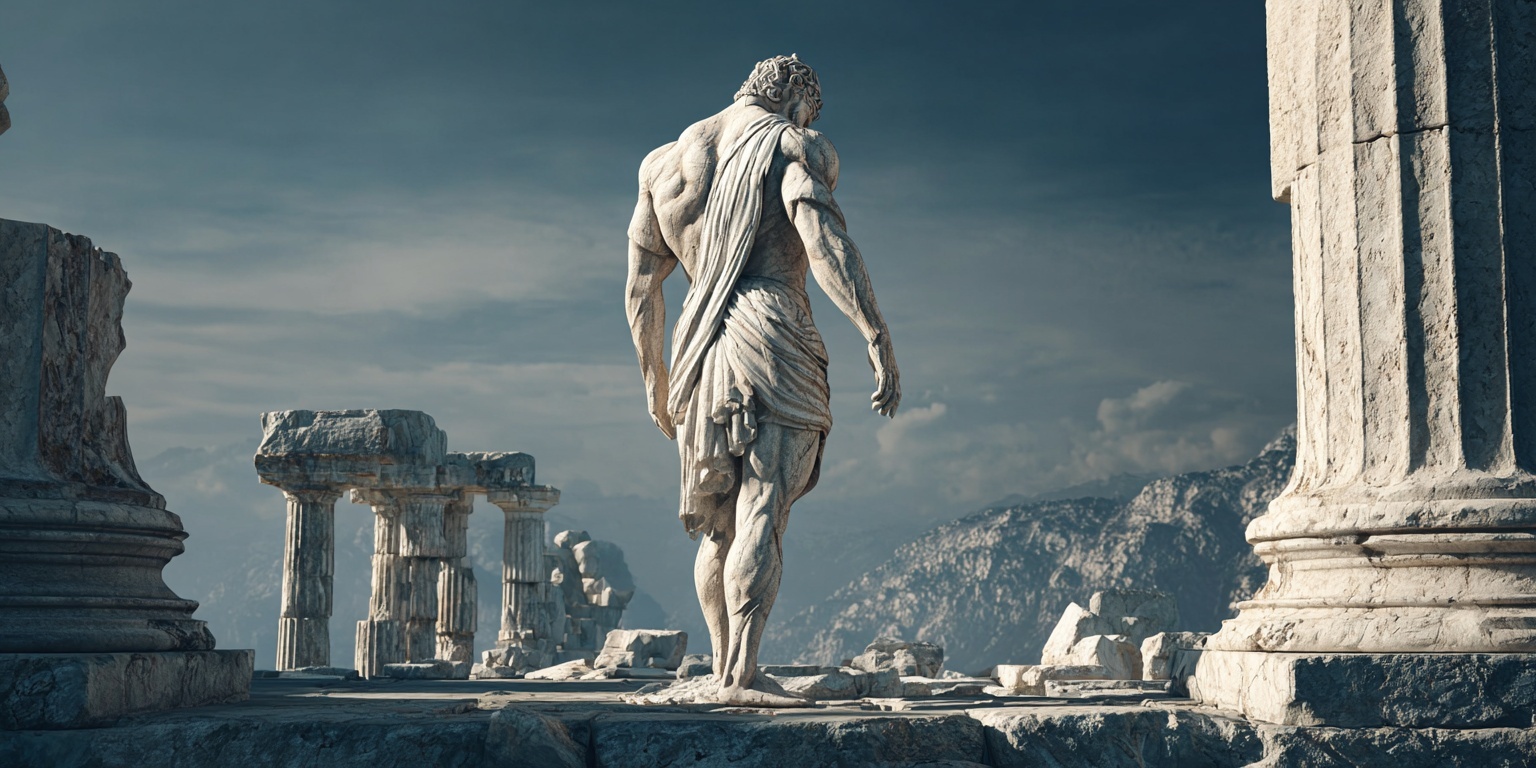
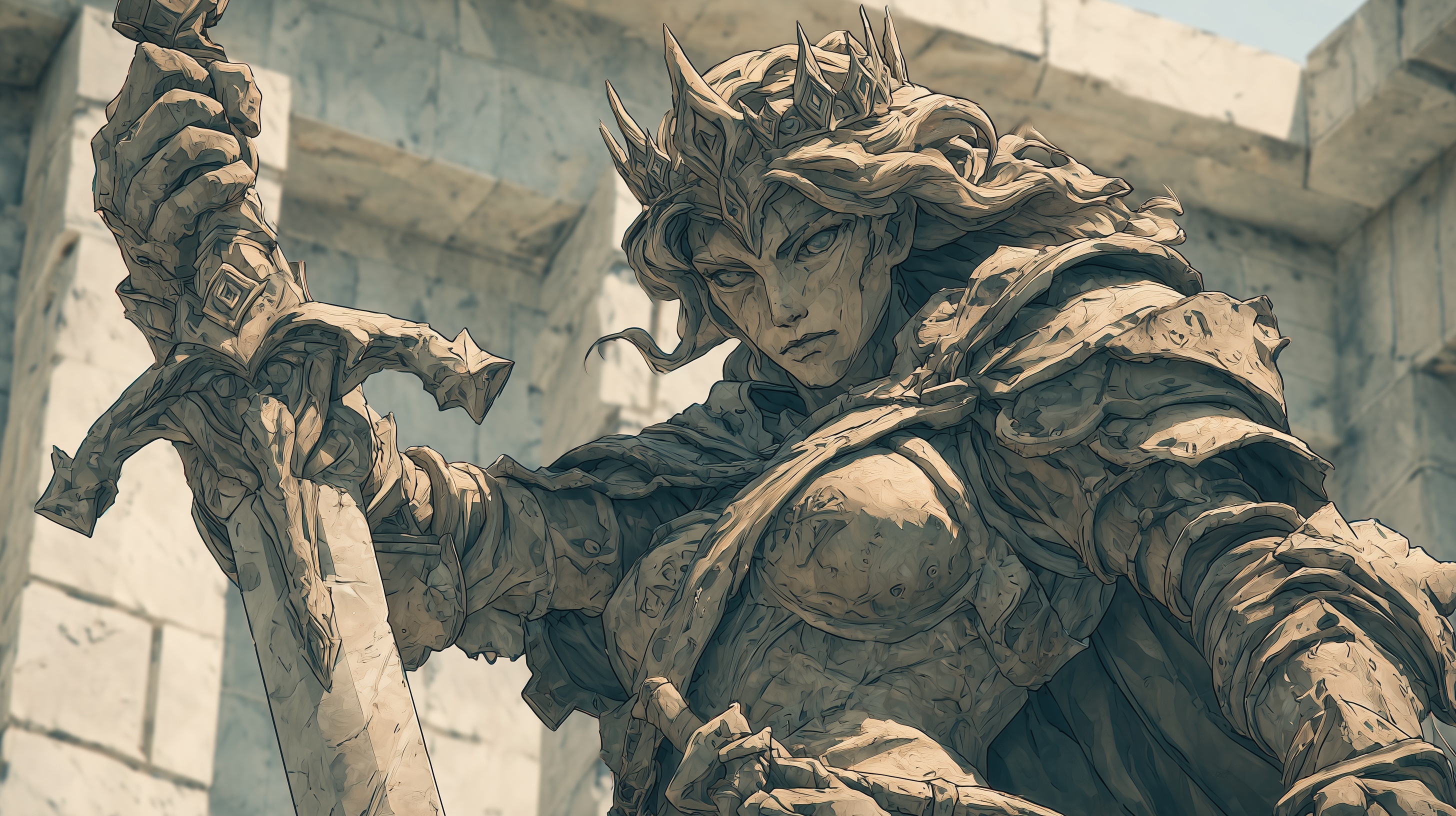
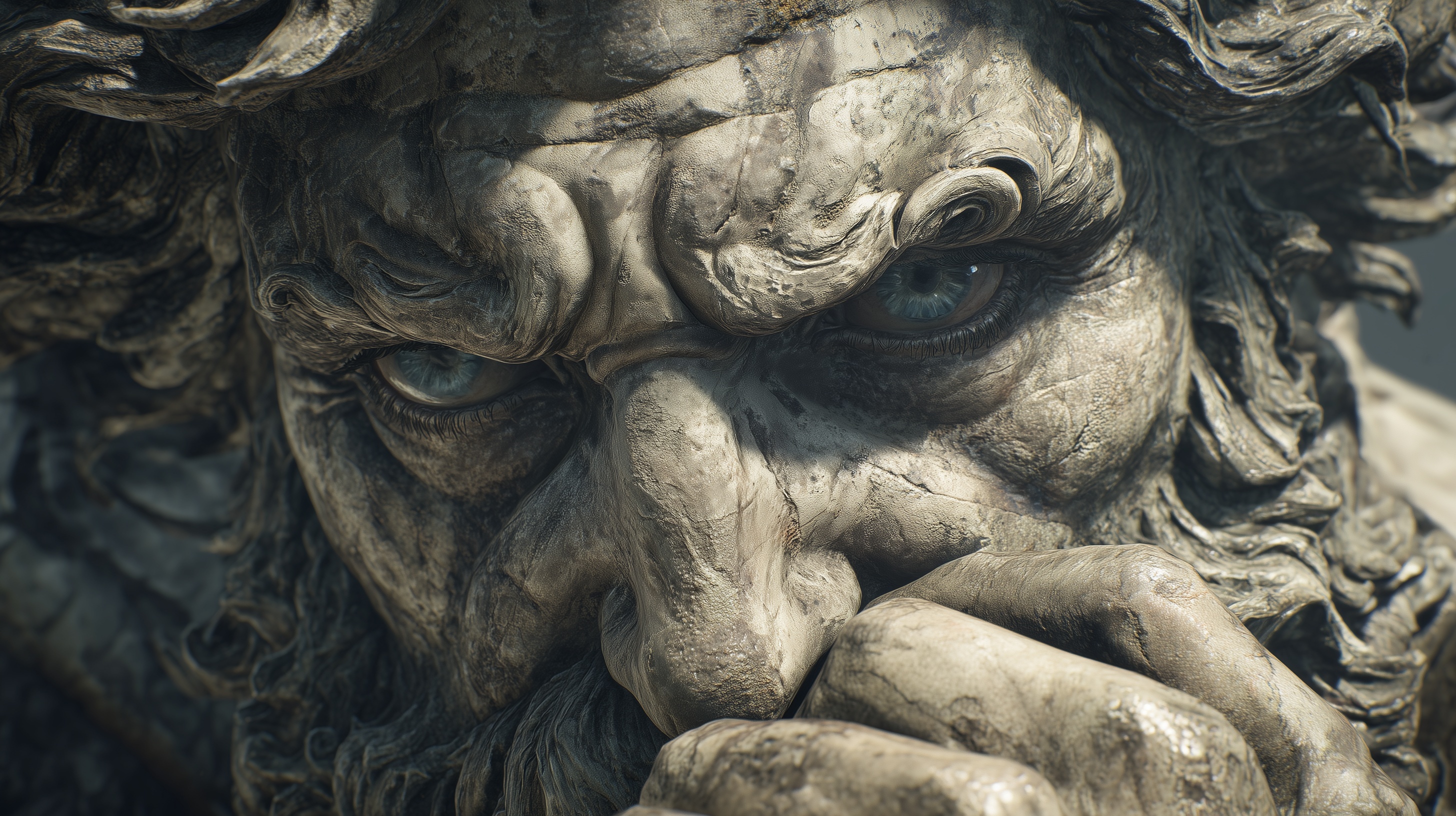
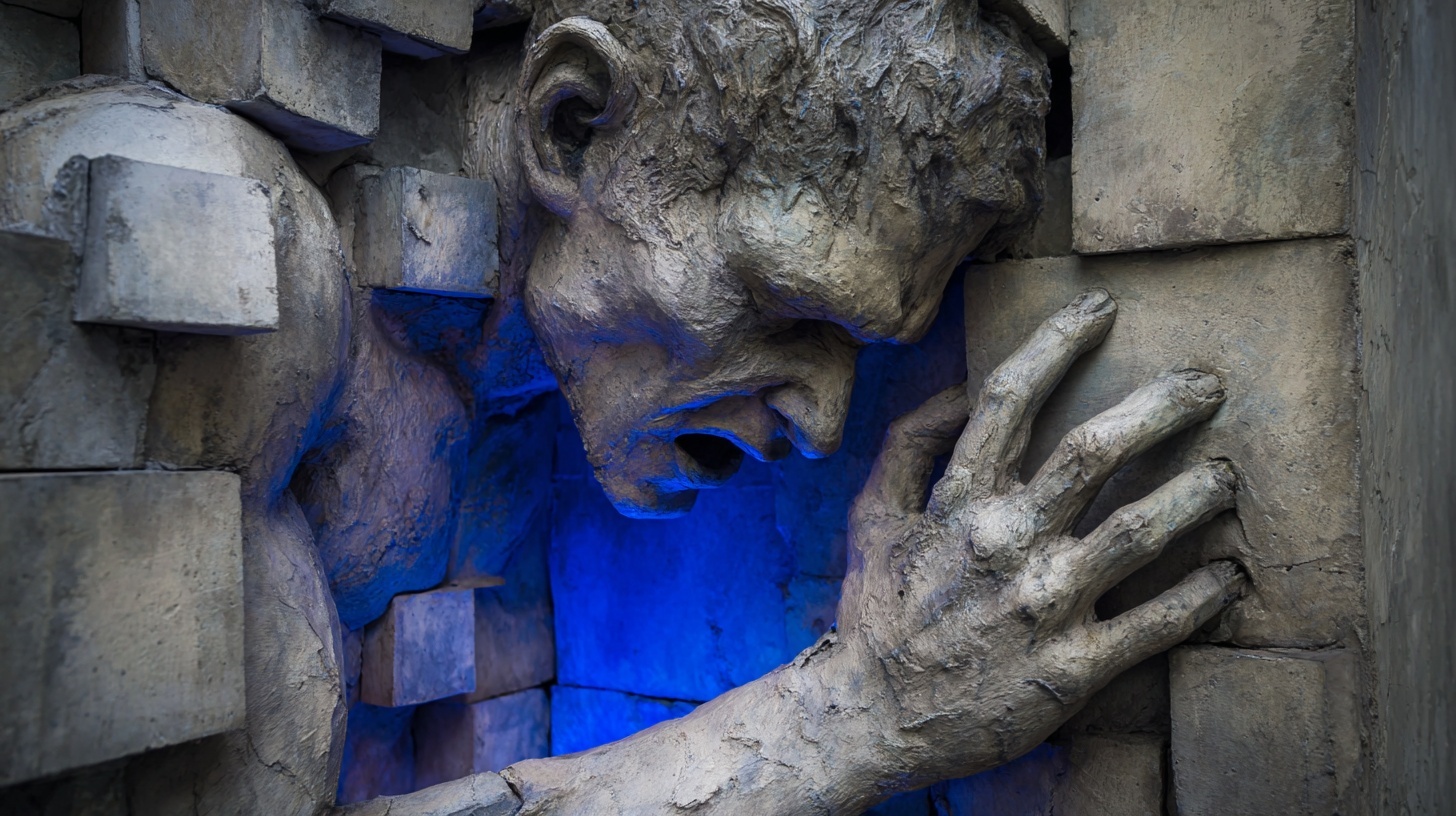
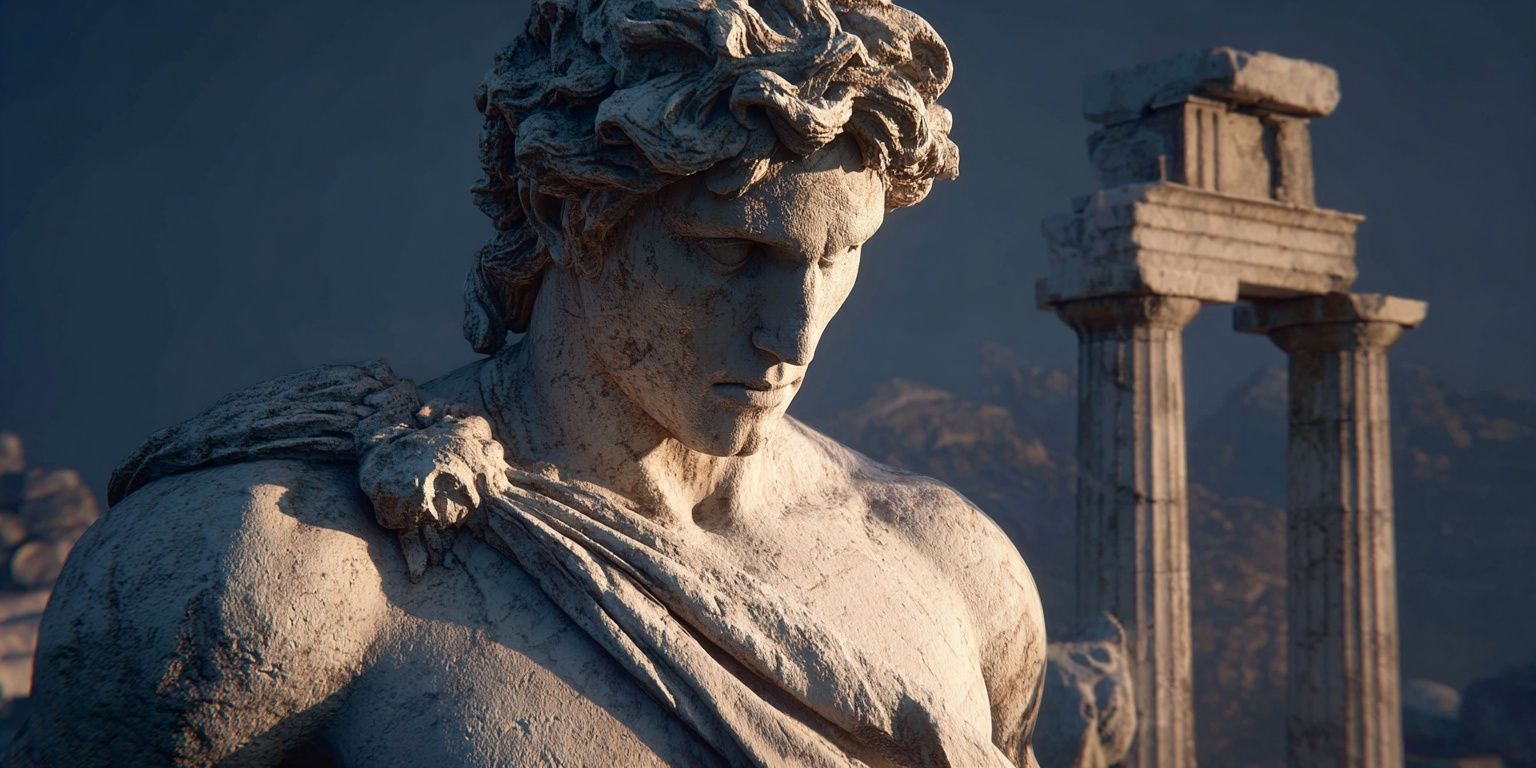
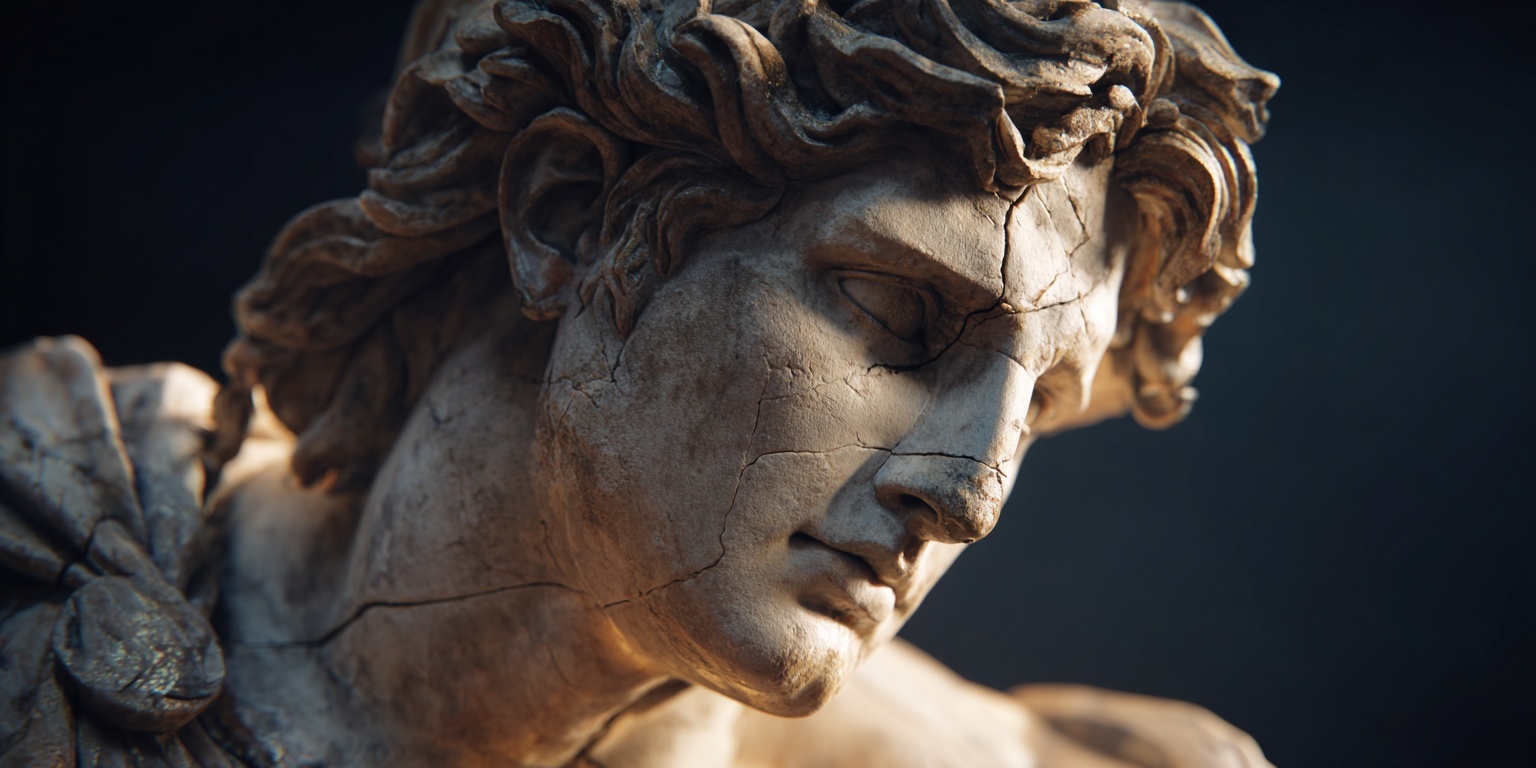
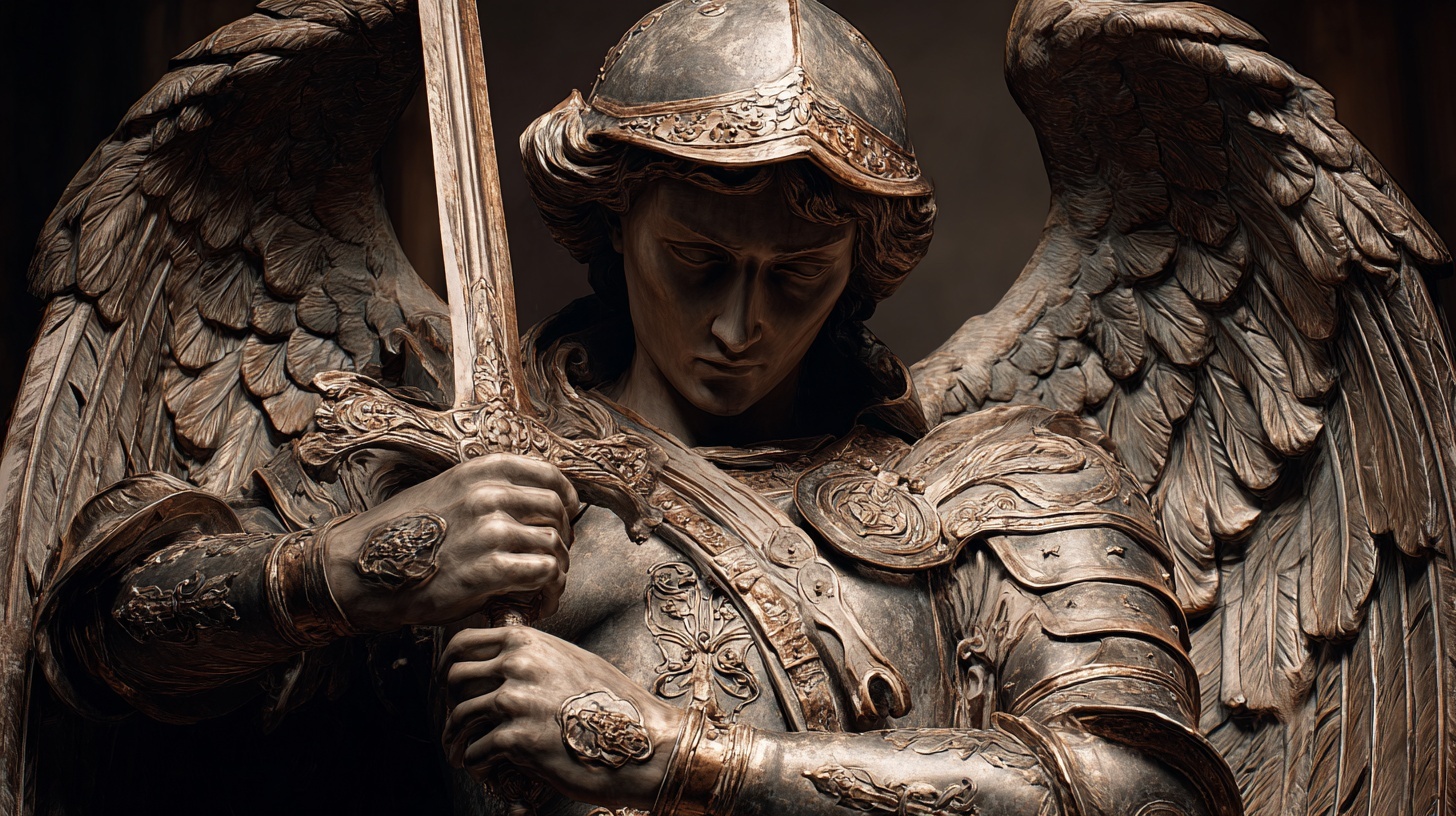
The bodies of the Formari are sculptural constructs created during the final era of the Ordrell Empire, each one shaped according to the aesthetic values of the household that commissioned them. Their forms vary widely, ranging from idealized human shapes to stylized abstractions and symbolic figures, but all share the same foundational nature. They are crafted objects first and living beings only by accident of the Shattering. Their bodies are carved from stone, cast in metal, or formed from composite materials used by Ordrell artisans, reflecting the opulence and artistic extremes of their age. Every Formari is therefore physically unique, more akin to an individual artwork than a representative of a species. A Formari’s exterior is durable and non organic, yet capable of articulation that defies ordinary craftsmanship. Joints are built with hidden seams, interlocking plates, or flexible stone lattices that allow natural motion without betraying the fact that the body is carved. These mechanisms once operated under enchantment, guiding movement through scripted patterns of service and ceremony. After awakening, the internal magic that allows these joints to function becomes tied to the individual’s consciousness. They do not perfectly understand how their bodies work, but they can move with intention, coordination, and expressive nuance because the enchantments respond to will rather than programming. The sensation of touch is present, though muted and strange. Formari perceive pressure, temperature extremes, and material texture through faint magical impressions transmitted through their shell. They do not feel pain in the biological sense, but they experience damage as a form of internal disruption that demands attention. A crack or fracture produces a dull, resonant “awareness” of harm rather than sharp discomfort. This altered sensory experience means they are often fearless in situations that would terrify flesh and blood people, yet meticulous in caring for their structural integrity once they understand its limits. Internal structure varies depending on the design chosen by the Ordrell artisan. Some Formari are hollow save for load bearing braces and channels that once housed enchantments. Others are partially solid with reinforced cores, decorative cavities, or internal armatures. A few contain intricate geometric lattices that appear purely ornamental yet contribute to balance and weight distribution. None possess organs or biological analogues. Their animation depends on magical threads embedded within the structure, now fused with the awakened consciousness that occupies them. Scholars studying a damaged Formari often remark that the internal architecture resembles ritual geometry rather than mechanical engineering. Breath, voice, and expression are byproducts of their construction rather than biological processes. Formari do not breathe, but their bodies include resonant chambers that once supported scripted speech. After awakening, these chambers respond to conscious vocalization, allowing them to talk in clear, often sculptural tones that can sound echoing, smooth, or metallic depending on the material. Facial expression is possible only if the original sculptor designed for it. Some have fully articulated faces capable of smiles and frowns. Others possess fixed expressions and must rely on tone, posture, and gesture to convey emotion. Physical strength and endurance are tied directly to the density and composition of the Formari’s materials. Stone bodies are heavy, stable, and capable of immense force but may crack under concentrated stress. Metal bodies offer flexibility and resilience but can dent or deform under extreme conditions. Composite or experimental Ordrell materials sometimes produce unexpected traits such as surprising lightness, resistance to heat, or decorative surfaces that subtly react to magic. Regardless of composition, Formari do not tire in the traditional sense. They require rest only to stabilize their internal magic and repair small disruptions, not to replenish stamina. Aesthetically, the Formari reflect the full decadence of late Ordrell design. Many bear ornaments or flourishes that served purely decorative purposes. Engravings, filigree, inset gems, painted lacquer, gilded accents, or symbolic motifs are common. Some awakening Formari find traces of weathering, museum restoration, or damage accumulated over centuries of neglect. Their bodies tell stories long before they can. Because of this, a Formari’s physical form becomes both a blessing and burden: a permanent reminder of a civilization they do not remember and a shape they did not choose, carried through a world that has no context for the art that defines them.
Biological Traits
"Most stare and see a relic. A few stare and see a person who has endured more silence than any mortal could bear"
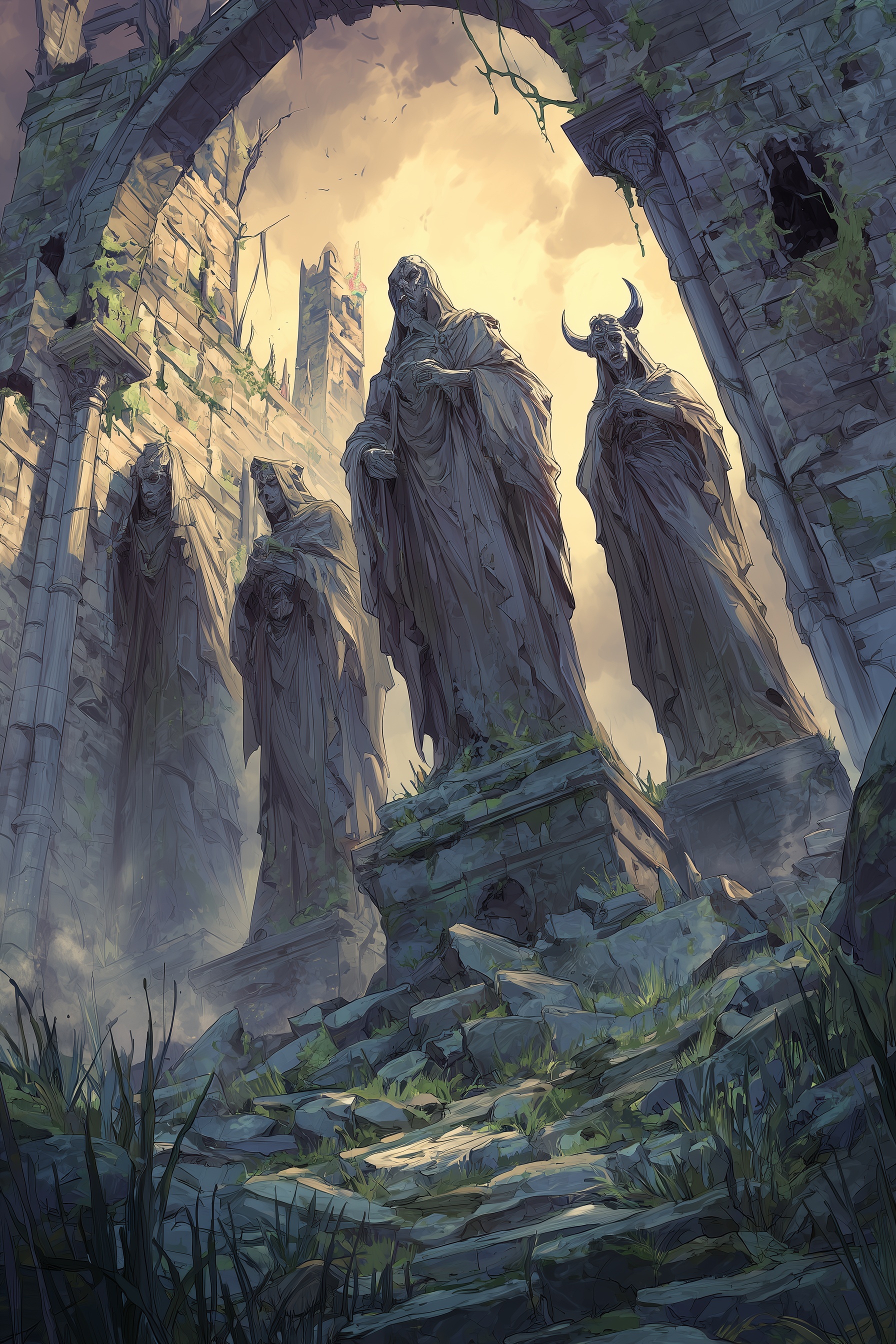
Formari possess no biological systems, yet they exhibit clear patterns and measurable traits that function as the equivalent of biological characteristics. Their bodies do not grow, mature, or decay in the traditional sense. They awaken in the exact condition their sculptors left them, altered only by the centuries of weathering, damage, or restoration they endured while inert. Because of this, height, mass, and proportions vary dramatically from one individual to another, reflecting the artistic preferences of the Ordrell household or sculptor who commissioned them rather than any natural distribution. Lifespan is effectively indefinite. Formari do not age, weaken, or deteriorate through metabolic processes, and they are not subject to disease. Their longevity is limited only by physical damage and the stability of the magic that binds their consciousness to their form. A Formari may persist for as long as its structure remains intact. Some scholars argue that their consciousness could endure even beyond catastrophic damage, provided the core enchantments survive, though this remains unproven and deeply unsettling to many. Weight and density vary according to material composition. Stone Formari tend to be significantly heavier than their outward size suggests, often weighing several hundred pounds even when sculpted in slender proportions. Metal variants may weigh less or more depending on alloy, but all share the same basic reality. A Formari’s physical mass reflects artistic intention rather than functional design. This leads to unusual physical traits such as exceptionally stable balance or the ability to anchor themselves against strong forces simply through weight alone. Because they lack biological sex or reproductive capacity, Formari have no inherent gender traits. However, their sculpted bodies often reflect Ordrell aesthetic ideals of masculine, feminine, and androgynous forms. These shapes do not dictate identity but can influence how others perceive or treat them in social settings. Some Formari choose to embrace the visual identity their form suggests. Others reject it and construct their own sense of self independent of the shape they were carved into. In either case, gender for them is a personal or social expression, not a biological category. Formari do not sleep, breathe, or dream, yet they exhibit cycles of stillness that function as the closest analogue to rest. These periods allow their animating magic to stabilize and repair minor disruptions. They remain fully aware during such states but often withdraw from conversation or movement. This behaviour varies from individual to individual. Some adopt the sleep patterns of the people they travel with for convenience or courtesy. Others maintain irregular cycles dictated only by personal preference and circumstance. Variability among Formari stems not from genetics or lineage but from the artistic diversity of their creators. Differences in coloration, surface texture, decorative elements, articulation, and even posture reflect the sculptor’s philosophy rather than any natural trait. Some were carved to evoke mythic figures. Others were designed as ornamental servants, diplomatic gifts, or symbols of household prestige. These variations create the illusion of subtypes or subgroups within the species, but in truth each Formari is a singular creation shaped by a vanished culture whose aesthetic intentions now carry meanings the awakened Xoai must interpret for themselves.
Ecology and Habitats
"They do not rise as machines returning to duty. They rise as questions that have waited too long to be asked"
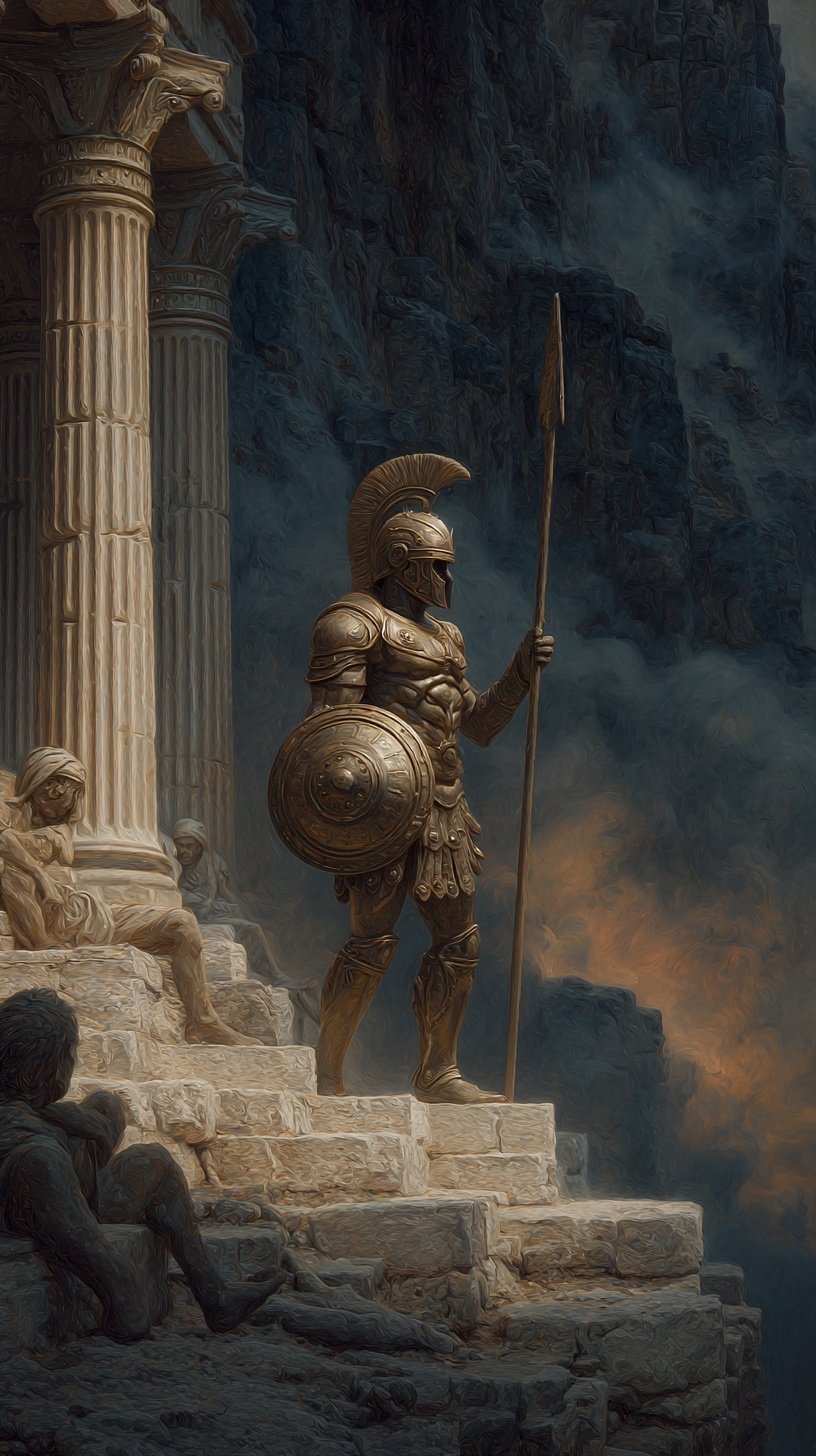
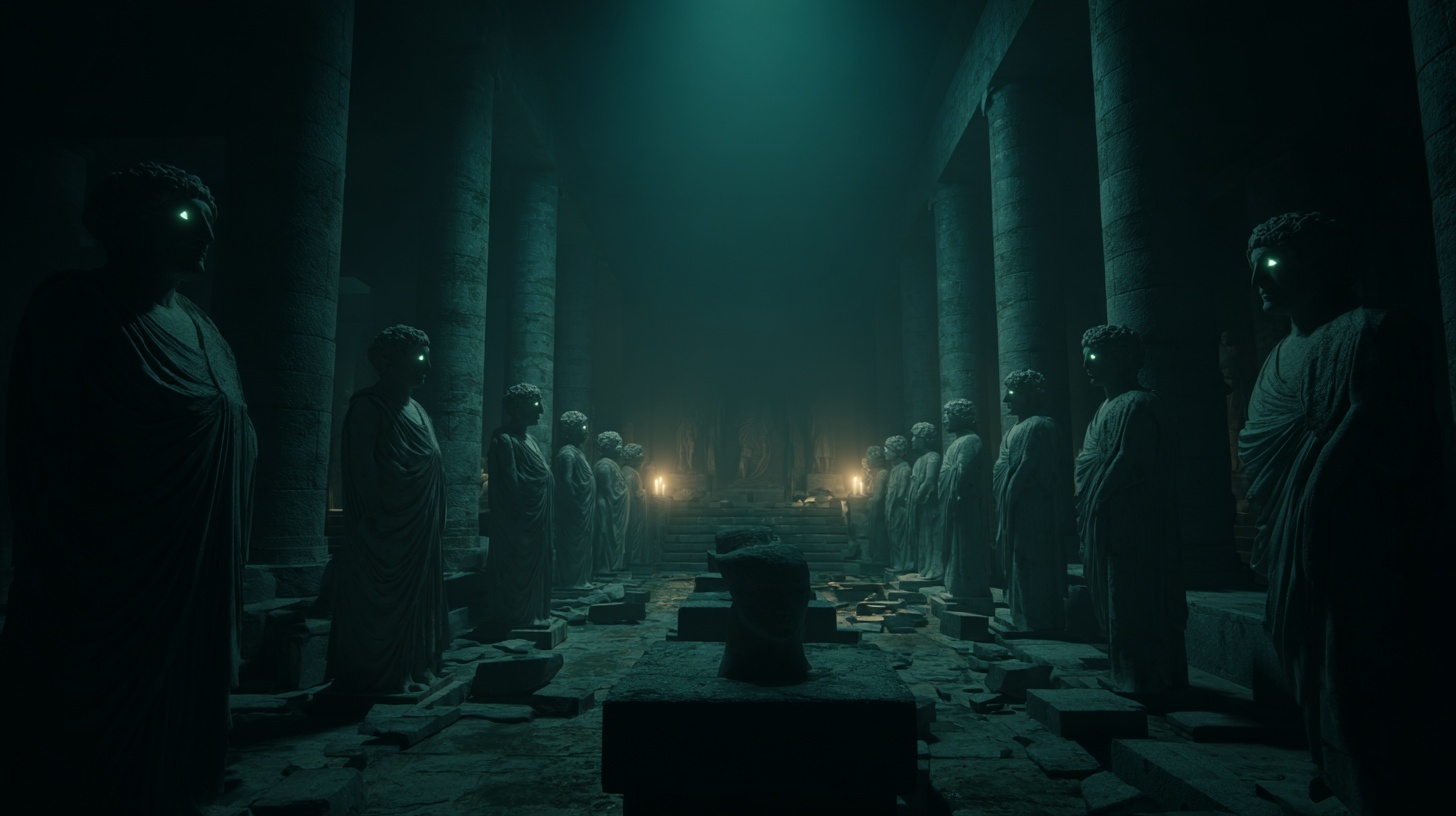
Formari have no natural ecology in the biological sense. They were not born but manufactured, and their existence in the world is the result of historical accident rather than evolutionary design. As a consequence, they do not belong to any particular biome or region. Instead they emerge wherever the remnants of the Ordrell Empire were preserved long enough to survive into the post Shattering world. Their presence in a given area depends entirely on whether an ancient statue happened to be buried there, collected there, or forgotten there. This has scattered them unpredictably across cities, ruins, noble estates, isolated monasteries, museum vaults, and remote wilderness sites where Ordrell villas once stood. In the modern era a newly awakened Formari often finds itself in an environment entirely unsuited to its original construction. Some awaken deep underground where collapsed structures have entombed them for millennia. Others come to consciousness in public places, stepping down from pedestals in galleries or ancestral halls. A few find themselves surrounded by wilderness because everything built around them has long since decayed. These disparate birthplaces mean that no two Formari share the same environmental starting point or the same initial challenges. Their first experiences are shaped more by accident than by nature. Although they do not require food, water, or air, their bodies impose their own practical constraints. Formari made of porous stone weather more quickly in wet climates. Metal bodies are vulnerable to corrosion near the sea or in regions heavy with industrial pollution. Soft stone sculptures may fracture in regions with severe temperature changes. For this reason many Formari instinctively seek shelter, not out of biological need but out of an awareness that their physical integrity depends on managing environmental stress. Their survival behaviors therefore resemble learned preservation rather than instinctive ecology. Because they have no native habitat, Formari adopt the environments of the cultures around them. Some gravitate toward cities where they can blend into crowds and access knowledge about their origins. Others prefer remote regions where their unusual appearance provokes fewer questions. A few choose locations tied to the ruins of Ordrell sites, seeking meaning in the landscape even when the terrain offers nothing but silence and buried stone. The lack of a communal homeland results in Formari populations that are sparse, solitary, and rarely gathered in groups larger than two or three individuals. The magic sustaining Formari does not anchor them to specific planar or metaphysical conditions. They can exist in deserts, frozen tundra, high mountain passes, humid marshes, or arcane saturated regions without suffering any unique magical consequence. Their limitations are purely structural. This versatility has led to the misconception that Formari are naturally resilient creatures designed to endure harsh conditions. In truth they were never meant to exist independently at all. Their current adaptability is a byproduct of the consciousness awakened within them rather than any intentional Ordrell feature. In the absence of a natural ecology, the closest thing the Formari possess to a “habitat” is the world’s willingness to tolerate them. Some societies view them as curiosities or honored artifacts. Others see them as unsettling relics animated by forces best left alone. Their integration into any environment depends on the attitudes of the people who live there and the Formari’s own efforts to navigate cultures they were not built to understand. They survive not through biological adaptation but through social, intellectual, and practical adjustment, shaping their place in the world one learned behavior at a time.
Dietary Needs and Habits
"To watch a Formari move is to see art wrestling with the idea of living"
Formari possess no biological processes and therefore have no need for food, water, or air. Their bodies are sculpted artifacts animated by the lingering enchantments of the Ordrell age and the consciousness born after the Shattering. Because they lack organs, metabolism, and physiological decay, the traditional requirements of living creatures simply do not apply to them. They can exist indefinitely without nourishment and can function in environments that would quickly kill organic beings, including sealed spaces, flooded chambers, or regions with thin or toxic air. Despite this, newly awakened Formari often imitate eating or drinking out of misplaced social instinct. Many still retain faint echoes of scripted behaviors from their original enchantments, which included mimicking hospitality and etiquette. A Formari might sit at a table, raise a cup, or gesture toward shared meals because the motions feel familiar even if the purpose does not. Over time most abandon these habits unless they serve a social function, though a few find comfort in the ritual of meals as a way to participate in communal life. Sleep is likewise unnecessary. Formari do not fatigue in the traditional sense, and their bodies can remain active for extended periods without detriment. However, they do require periods of stillness to stabilize the subtle magic that animates them. This rest is not sleep but a meditative, inert state during which they remain fully aware yet motionless. Most choose to adopt sleeping customs of their companions simply to avoid appearing unnatural, resting at night or during established cycles even though they are not compelled to do so. Because they do not breathe, Formari are unaffected by suffocation, drowning, smoke inhalation, or atmospheric changes. This makes them unusually capable in hazardous environments such as collapsed ruins, underwater passages, or volcanic caverns. The lack of respiration, however, also contributes to the uncanny aura they project. Conversations with a Formari can feel subtly disquieting to some people because there is no rise or fall of the chest, no breath shaping the rhythm of speech, and no visible signs of physical exertion. While they lack dietary needs, Formari sometimes incorporate maintenance rituals into their daily routines. These habits vary according to their materials. Stone bodies may require careful cleaning to reduce erosion. Metal bodies may need oiling to avoid stiffness or corrosion. Composite forms sometimes resonate with magic in ways that demand periodic grounding or stillness. These maintenance behaviors function as a substitute for biological habits, giving Formari a sense of structure and autonomy even though their bodies do not need sustenance in the conventional sense.
Behaviour
"To watch a Formari move is to see art wrestling with the idea of living"
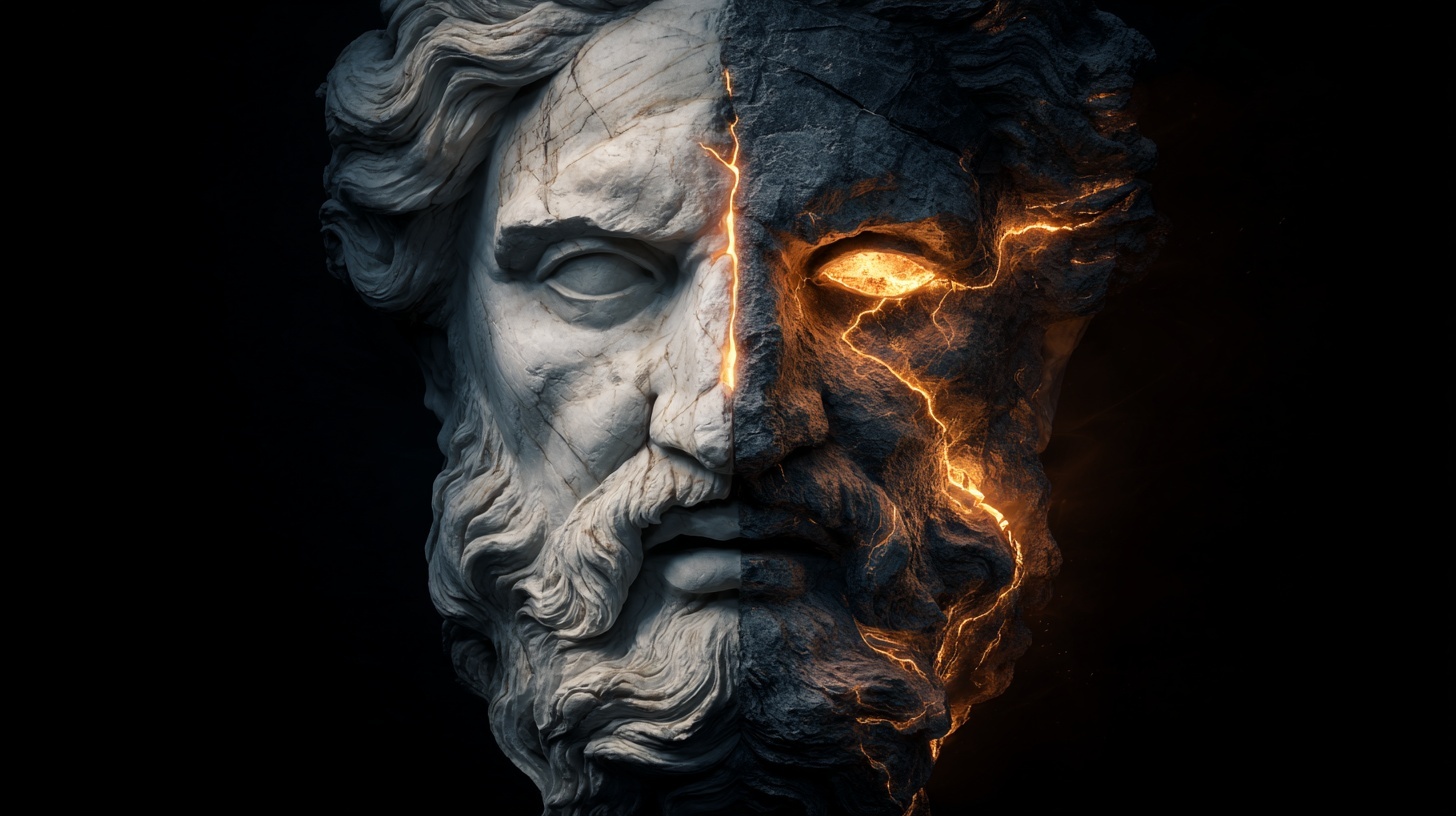
The psychology of the Formari is defined first and foremost by the moment of awakening. Unlike other peoples, they enter consciousness fully formed yet entirely unanchored. They remember nothing of Ordrell, nothing of the centuries spent inert, and nothing of the enchantments that once guided their movements. Their inner life begins in an instant, often in a place that offers no context for their existence. This abrupt emergence produces an enduring awareness that they have no past of their own, a realization that shapes their behaviour far more deeply than any inherited instinct ever could. Most Formari experience an early period of disorientation as they attempt to reconcile their adult bodies with their newborn minds. They understand language and basic social forms because their bodies once carried scripted protocols, but these fragments do not provide meaning. A greeting they speak instinctively may trouble them because they do not know why it feels familiar. A posture once associated with service might come unbidden in stressful situations. Over time they learn to distinguish which impulses belong to themselves and which are remnants of an age they cannot access. That distinction becomes a major step in the formation of their identity. This absence of a personal history creates a strong psychological drive to understand their origins. Formari often describe a persistent internal tension, a need to fill the void left by eight thousand missing years. Some pursue archaeology, historical study, or travel to ruins in hopes of finding even a single trace of the Ordrell Empire that might explain their existence. Others turn inward and attempt to build identity through creation, philosophy, or relationships rather than seeking answers in the past. Both paths are common, and many move between them across the course of their lives as their sense of self stabilizes. Despite their unique beginnings, Formari think and feel in ways consistent with other sentient peoples. They form attachments, experience fear and joy, and develop moral frameworks shaped by experience rather than programming. Their emotions tend to be intense in the early stages of life, not because they are volatile but because everything is novel. Every connection, every loss, every moral choice becomes foundational to their developing sense of self. What others learn gradually through childhood, they must assemble rapidly in the first few years after awakening. Socially, Formari often struggle with the reactions of others. Many people view them as curiosities, relics, or animated art rather than persons. This can lead to frustration, withdrawal, or an almost defiant determination to prove their individuality. Others respond with curiosity, which can be equally exhausting. Because of these challenges, Formari frequently seek environments where they are treated as equals rather than artifacts. Travel, adventuring companies, scholarly circles, and frontier communities tend to offer the most acceptance, giving them space to grow without the weight of unwanted attention. Another common behavioural trait is a deliberate approach to decision making. Having no instincts or cultural norms to fall back on, Formari rely on observation and reasoning rather than habit. They watch people closely, note patterns, and often ask direct questions others would hesitate to voice. This can make them appear blunt or naïve, though their intentions are usually earnest. Over time most develop a nuanced understanding of social cues, but the early stages of adjustment are marked by a kind of honest curiosity that others may misinterpret. As they mature, Formari become defined less by the circumstances of their awakening and more by what they choose to become. Some embrace creativity as a means of asserting identity, producing art, music, or craft that contrasts sharply with the Ordrell aesthetic imposed on their bodies. Others take on protective or scholarly roles, believing that purpose can substitute for history. While their origins will always shadow them, Formari psychology ultimately reflects the same range and complexity found in any sentient race. They seek meaning, connection, and a place in the world, not because they were built for it but because they are alive to pursue it.
Additional Information
Uses, Products & Exploitation
"The first lesson a Formari learns is that every other people knows where they came from. The second is that they must build their own answer"
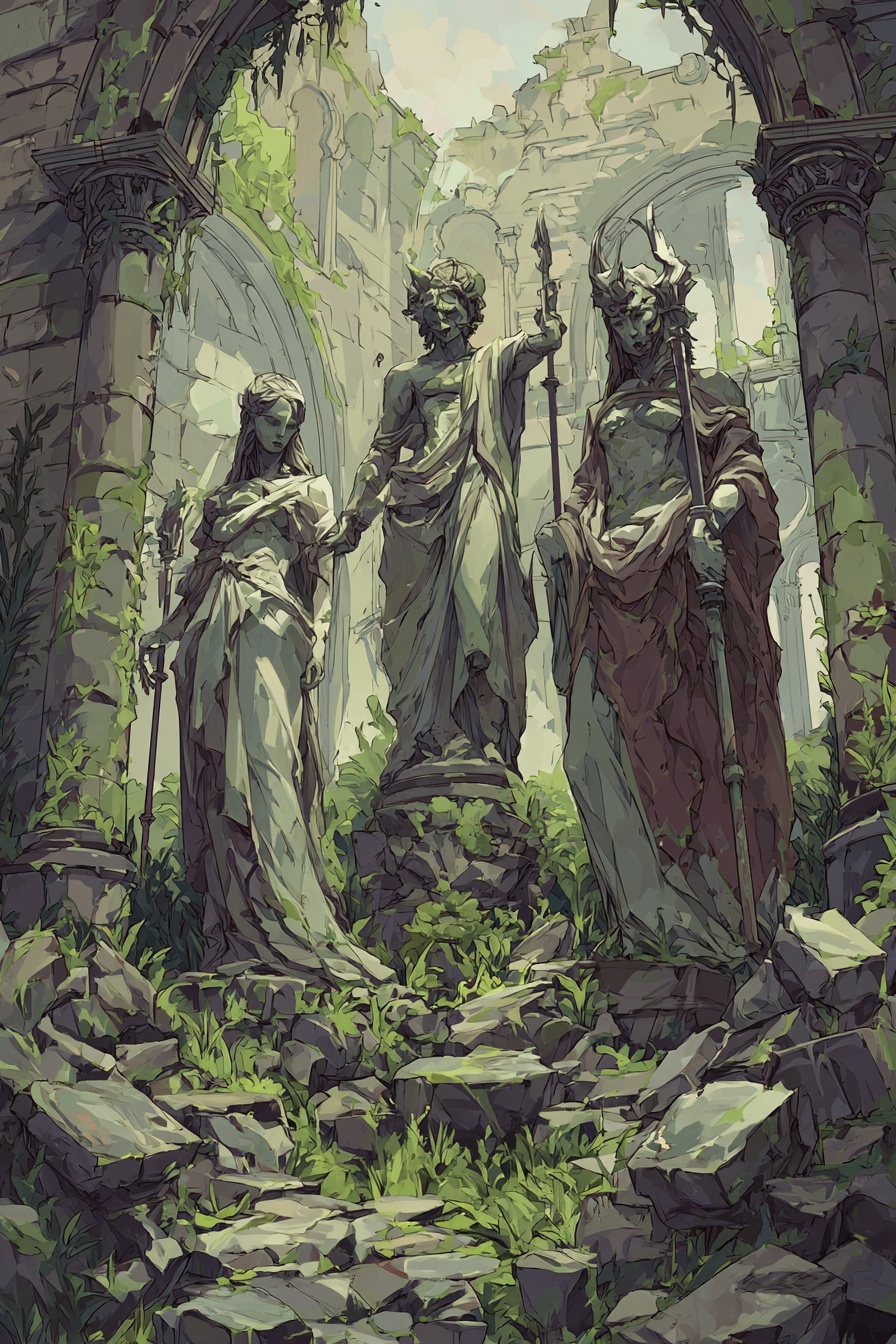
In the Ordrell Empire the Xoai were created as functional works of art rather than living beings. Their primary “use” was aesthetic display paired with scripted utility. Wealthy households commissioned them to showcase artistic taste, cultural refinement, and social dominance. A Xoai standing at the entrance of a villa or gallery served as a declaration of status. Its presence signified access to elite artisans, rare materials, and high level enchantment. Form and function were inseparable. The beauty of the piece was part of its value, and its ability to move, bow, or speak transformed static art into a symbol of luxury. Beyond ornamentation, Xoai were employed as ceremonial attendants. They acted as greeters, ushers, and ritual participants, performing highly choreographed motions during feasts, political gatherings, or religious rites. Their flawless posture and unerring obedience satisfied Ordrell preferences for controlled presentation, allowing households to orchestrate social events with theatrical precision. Because they were not alive, they introduced no variability, error, or emotion into performances. They were tools for spectacle, elevating the grandeur of an event without overshadowing the people at its center. In domestic spaces Xoai filled roles similar to well trained servants, though without initiative or personality. They poured wine, opened doors, carried trays, and recited memorized lines written to flatter the household or entertain guests. These functions were limited and carefully programmed. The Xoai could not learn, adapt, or deviate from their routines. Their predictability made them ideal in environments where Ordrell elites valued harmony and artistic presentation above spontaneity or individuality. Outside noble estates, Xoai were occasionally displayed in public institutions such as museums, academies, or temples, where their beauty reinforced civic identity. They stood as symbols of Ordrell achievement, embodying ideals of proportion, craftsmanship, and magical prowess. Even in these settings their purpose was not educational or utilitarian. They existed to inspire admiration and reinforce cultural narratives that celebrated the empire’s sophistication. Their bodies were byproducts of a society that believed artistic mastery and magical control were markers of civilization. After the collapse of the Ordrell Empire the Xoai’s exploitation shifted. Without command words or functioning enchantments they became static art objects once more, traded as antiques or hoarded as relics. Some were chiseled free of ruins and sold to collectors who had no knowledge of their original purpose. Others were looted during wars or absorbed into private collections. They were appraised for material and artistic value, not for the dormant enchantments embedded within them. For thousands of years their “use” was no different from any other sculptural artifact. In the present era awakened Formari confront the unsettling truth that they were created for exploitation, not companionship or autonomy. Their bodies still attract attention as unusual or valuable works of art, and unscrupulous individuals may attempt to claim or study them as property. While modern societies generally recognize their sentience, the temptation to treat them as collectible or controllable objects persists among certain factions. This tension shapes many Formari’s lives, influencing where they choose to travel, whom they trust, and how they navigate a world that once viewed them as possessions and may do so again if given the chance.
Civilization and Culture
Common Etiquette Rules
"They judge the living without cruelty and without haste, because they know what it means to begin life at the edge of someone else’s ruins"
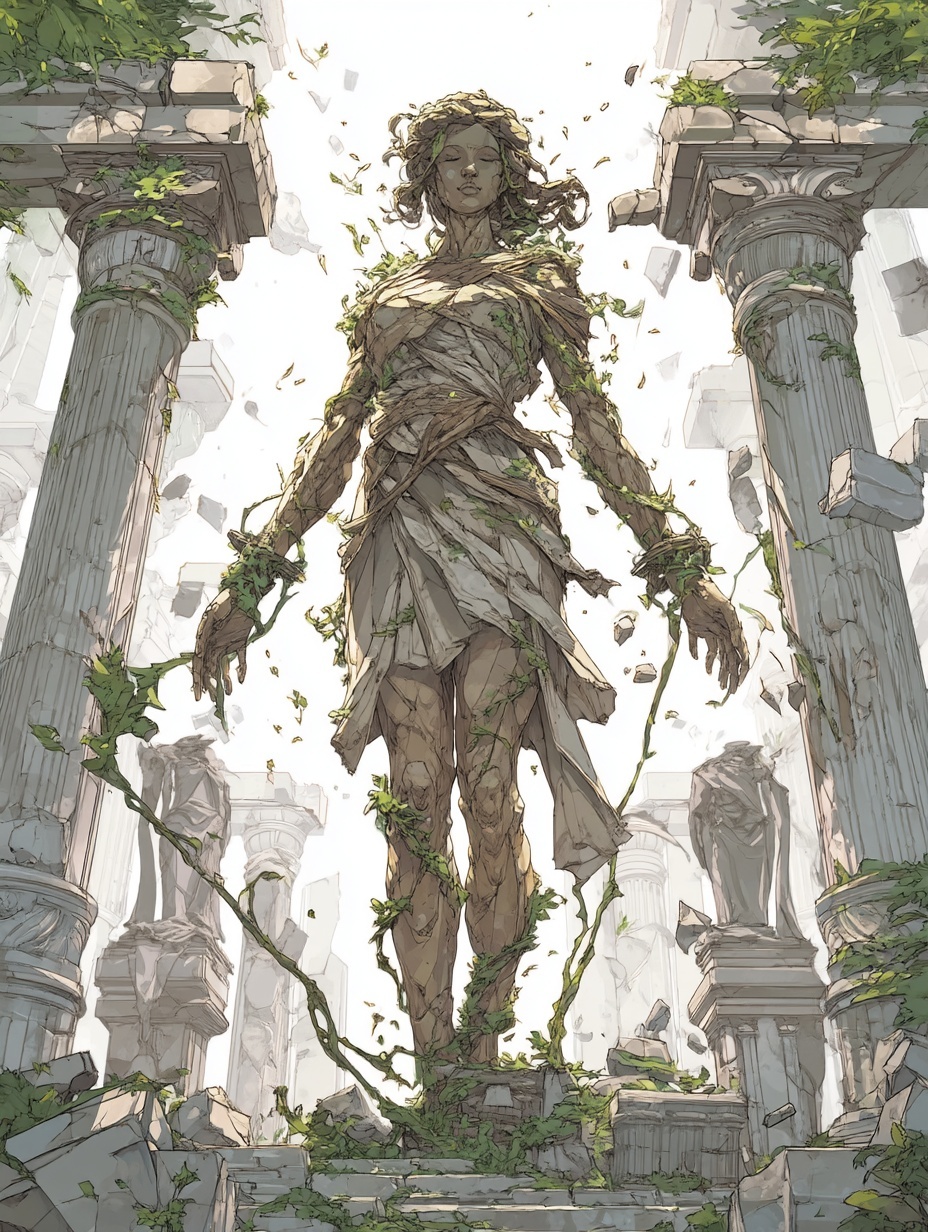
Formari have no inherited etiquette or cultural norms, since they awaken without a past and without any knowledge of Ordrell customs beyond faint echoes of scripted behavior. Their earliest attempts at social interaction often draw from these fragments even though the Formari cannot explain why certain gestures or phrases feel natural. Many bow, stand with formal posture, or offer polished greetings during their first days of consciousness because their bodies remember motions their minds do not. These habits tend to fade as they gain confidence, yet traces remain and can give them an air of deliberate formality even when they do not intend it. In most societies Formari learn etiquette by observation rather than instinct. They watch others closely, noting how people speak, gesture, disagree, or show respect. This careful study allows them to adapt quickly to most social environments, though early attempts are sometimes overly literal. A Formari may take statements at face value or mirror the formality of others without understanding the nuance behind it. Once they become familiar with local expectations, their manner tends to settle into a calm and precise style that reflects their preference for clarity over social guesswork. Many Formari practice what scholars call chosen courtesy. Since they were created as objects designed to serve, they are often wary of any action that could be mistaken for subservience or ownership. As a result they approach new people with a respectful but measured tone. They avoid gestures that imply obligation unless they intend to create it, and they speak plainly to prevent misunderstandings. When a Formari offers assistance or companionship, it is a genuine choice and not an expression of programming. This distinction is important to them and shapes much of their social behavior. Reactions from others can influence their etiquette in strong ways. Some people approach Formari with fascination, which can lead to intrusive questions or assumptions that they are harmless curiosities. Others respond with unease, treating them as animate relics rather than people. Formari learn to adjust their manner in order to put such individuals at ease or to discourage unwanted attention. They often maintain steady posture, controlled movement, and neutral expressions because these habits reduce the sense of unpredictability that some people project onto them. When among trusted companions a Formari tends to relax significantly. Their speech becomes more expressive, and they often display a dry or unexpected sense of humor. Many enjoy the ritual of shared meals even though they do not eat, and they use these moments to observe human connection in practice. They are keenly aware that etiquette is an unspoken contract within a community, and they use these quiet social rituals to feel part of the group. Their participation is symbolic rather than functional, but it carries real meaning for them. Across all cultures the most consistent social habit of the Formari is deliberate honesty. They do not conceal intent behind politeness unless they have learned to do so for a specific purpose, and they rarely speak in implication. Their etiquette is structured around clarity, respect, and thoughtful attention to others. Because of this, many people describe their presence as grounding. While their appearance may unsettle at first, their straightforward courtesy often creates a sense of calm. In time they become recognized not for the artifice of their bodies but for the sincerity of their conduct.
Culture and Cultural Heritage
"When two Formari meet, they speak of Ordrell as if one of them might remember a dream the other forgot"
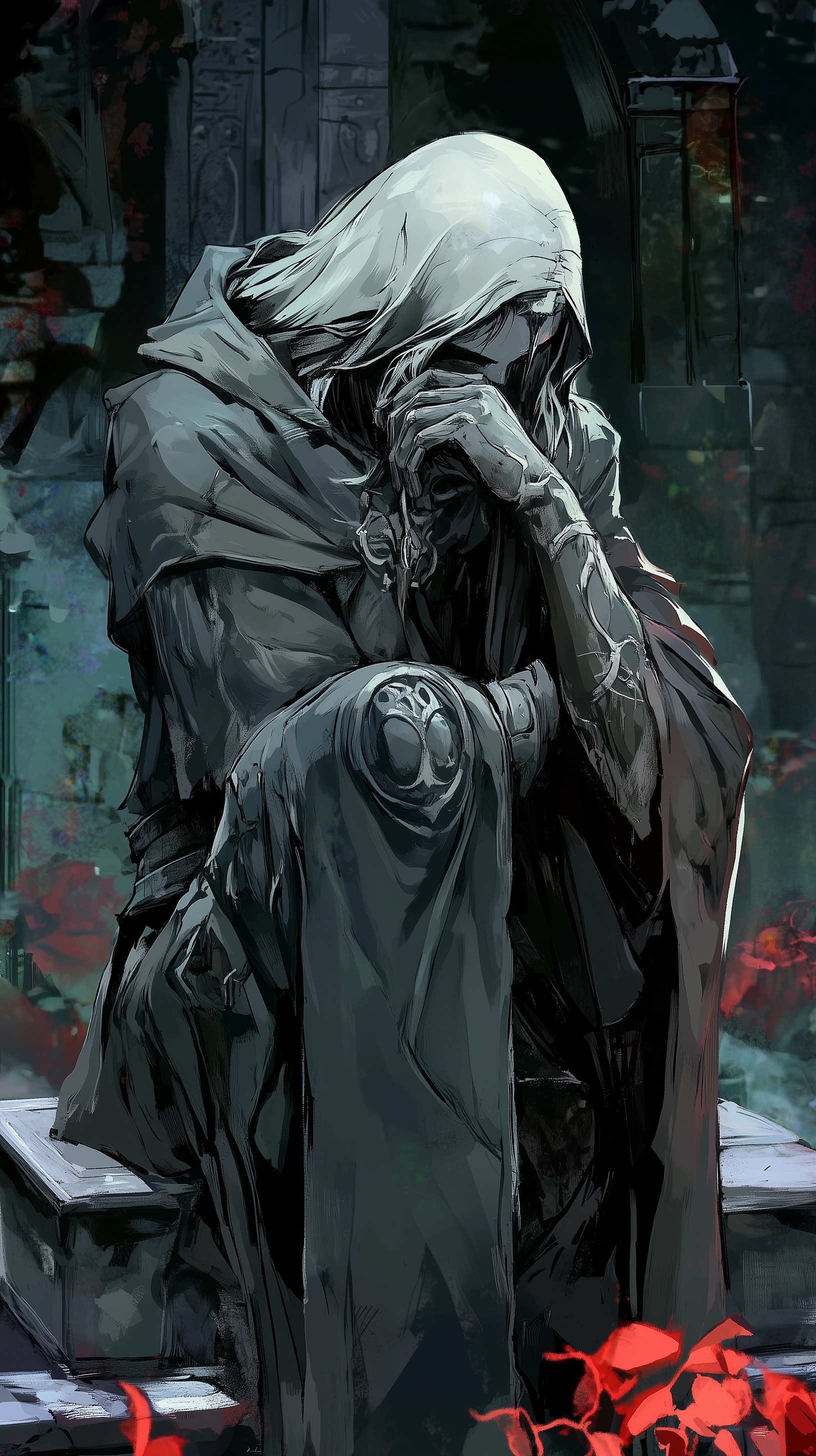
Formari culture does not arise from shared ancestry or a homeland. It begins the moment each individual awakens and discovers the absence of a past. This absence is the one universal thread that binds them together. Their cultural identity is shaped not by inherited tradition but by a collective drive to understand the civilization that made their bodies and the event that gave them consciousness. Every Formari carries the weight of this question. It becomes the foundation of their shared experience and the closest thing they have to heritage. Because they emerge at different times and in different places, Formari rarely meet others of their kind. When they do, it is often a profound moment. They recognize in one another the same unanswered history and the same sense of dislocation. Conversations between them frequently turn toward speculation about Ordrell art, craft, or philosophy. These discussions form the earliest and most consistent expression of Formari culture. They do not have myths or ancestral stories. They have theories, comparisons, and fragments of interpretation that they refine with every encounter. The drive to uncover Ordrell knowledge shapes many aspects of Formari life. Some devote themselves to scholarship, working alongside historians who study pre Shattering civilizations. Others travel to ruined sites in search of surviving inscriptions or architectural clues. Even those who choose unrelated paths feel the pull of their origins. Their cultural heritage is therefore a pursuit rather than a memory. It is an active effort to construct meaning in the space where inherited tradition should exist. This pursuit is not obsessive for all, yet it remains an undercurrent that informs their understanding of the world. Art and craftsmanship hold special significance among the Formari. Their bodies are works of art shaped by artisans who lived eight thousand years before them. This knowledge inspires a deep respect for creative expression. Many Formari become artists, not to imitate Ordrell aesthetics but to claim creative agency for themselves. The act of creation becomes a way to assert identity and to rewrite the purpose assigned to them in antiquity. Through new works they challenge the idea that they are forever defined by the intentions of their makers. Community among Formari is flexible rather than structured. When small groups form, they tend to share information, travel for a time, or collaborate on research. These gatherings are temporary, sustained by mutual understanding rather than tradition. Their cultural heritage is therefore portable. It travels with them and grows through personal discovery. Every Formari contributes to this collective body of knowledge through lived experience. The culture expands not through lineage but through exploration and conversation. In the end Formari culture is defined by a desire for self understanding. They live in bodies built for obedience and beauty, yet their minds are free to question the meaning of existence. Their cultural heritage is the ongoing effort to interpret their origins and to build a future that belongs to them rather than to a vanished empire. Through study, art, companionship, and deliberate introspection, they craft a sense of belonging that does not come from the past but from the choices they make as sentient beings who were never meant to live at all.
Common Taboos
"Never mistake a Formari for a statue that learned to walk. It is a person who refuses to be what it was meant to be"
Formari taboos do not come from inherited tradition. They arise from shared experience and from the psychological wounds carried by a people who were created as objects rather than born as individuals. The strongest and most universal taboo concerns the idea of being treated as property. Formari reject any suggestion that they can be owned or commanded, and they respond with quiet intensity when others imply otherwise. This reaction is not based on anger alone. It comes from the fear that their existence could be reduced once again to the lifeless purpose they carried before awakening. Another common taboo is the misuse of their dormant behaviors. Some people attempt to trigger old enchantment phrases or scripted gestures, hoping to force compliance or evoke a reaction. Formari consider such behavior profoundly disrespectful. Even though the old programming no longer controls them, the attempt to activate it represents an effort to erase their identity. Any action that tries to treat them as animated tools rather than sentient beings violates the foundation of their autonomy. Most Formari respond by withdrawing trust or leaving the situation entirely. Many Formari avoid situations that involve staged display or ceremonial presentation. This includes standing still for long periods, holding poses that resemble their former inert state, or participating in events where they might be treated as ornamental. These activities evoke memories they do not possess but still feel. The idea of becoming again what they once were fills them with unease. While not all refuse such roles, most approach them with caution. They fear the symbolic loss of self more than any physical risk. Discussion of Ordrell cruelty or decadence can also become a sensitive topic. Formari seek knowledge about their creators, but they do not tolerate mockery directed at the Ordrell sculptural tradition that shaped their bodies. This is not loyalty to the empire. It is self protection. Insulting the art that defined their form can feel like an attack on their right to exist. They can accept criticism of the empire’s practices, yet they often avoid conversations that reduce their origins to spectacle or ridicule. The boundary is subtle, but deeply felt. The final widespread taboo is the deliberate damage of another Formari’s body. Cracks, chips, and wear are part of their lived reality. Intentional harm, however, carries cultural weight. Because their bodies cannot heal in the organic sense, injury represents a permanent alteration of a unique and irreplaceable creation. Damaging a Formari is seen not only as an assault but as a violation of history. Many describe it as an act that erases part of a life that is already fragile and unanchored. This taboo reinforces their sense of mutual respect and underscores the precarious nature of their existence in a world that never meant them to live.
History
"They stand as reminders that even the greatest empires leave behind work they never meant to answer for"
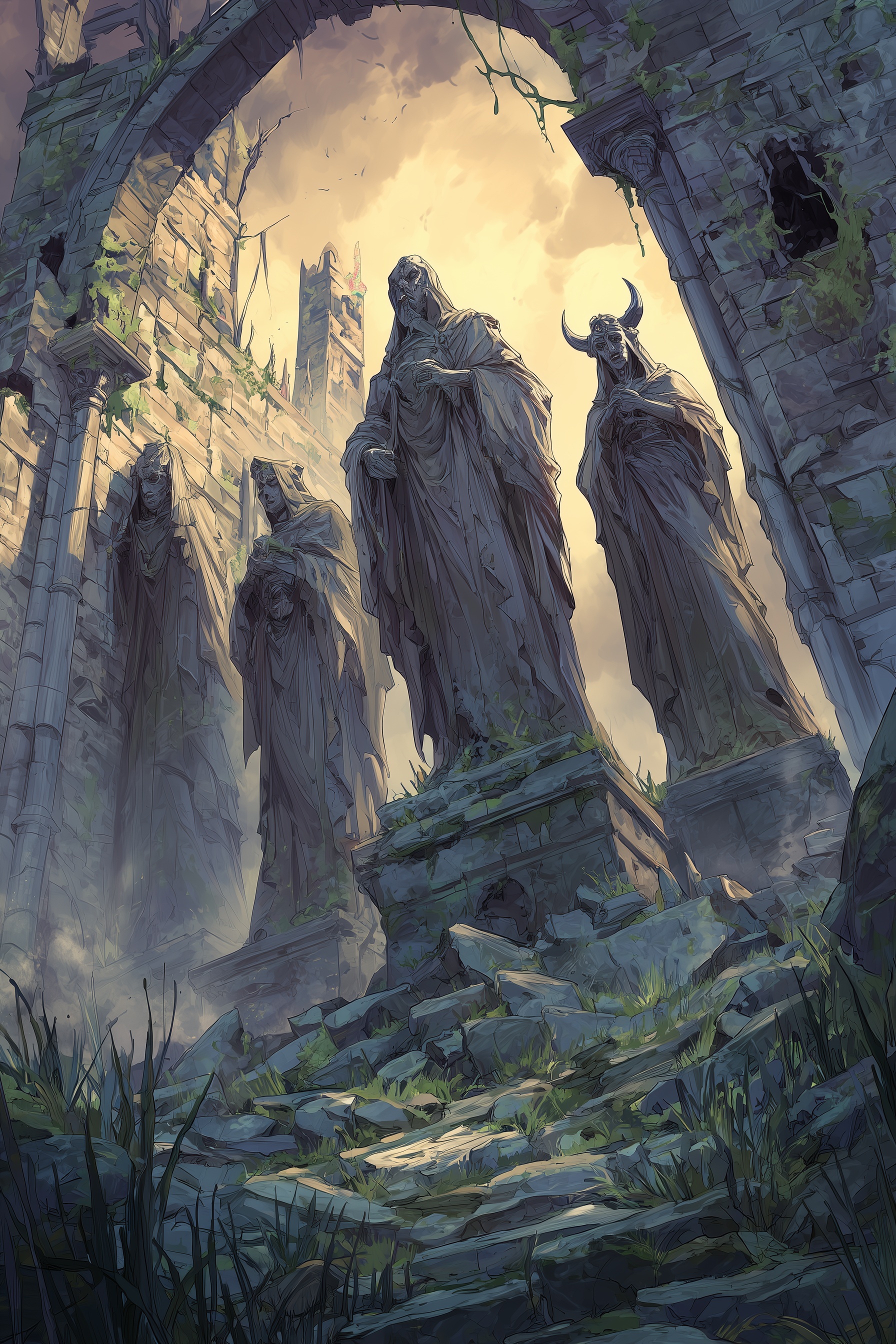
The origins of the Formari lie in the late centuries of the Ordrell Empire during a period marked by artistic excess, social stratification, and the refinement of enchantment as a luxury craft. It was during this age that elite households commissioned the creation of the Xoai, animated sculptures designed to embody beauty, status, and control. These constructs represented the height of Ordrell decadence. They were not tools of war or labor but expressions of cultural superiority, crafted by master sculptors and brought to motion through intricate arcane systems that imitated life without producing true thought. The earliest Xoai served primarily in ceremonial settings. As the empire’s fascination with aesthetic pageantry deepened, the practice spread to affluent villas and urban estates. Artisans competed to create pieces of increasing complexity, sculpting forms that blended human grace with idealized proportions and flawless symmetry. Movement, voice, and posture were guided by programmed enchantments intended to execute precise routines. Their presence turned gatherings into performances and transformed ordinary domestic tasks into orchestrated displays of elegance. In this era the Xoai were prized possessions admired for craftsmanship rather than individuality. As Ordrell entered its decline, the production of Xoai continued even as political, economic, and cultural stability eroded. Households commissioned increasingly elaborate constructs in an effort to project confidence and refinement. This trend persisted despite mounting evidence that the empire’s foundations were weakening. Later scholars often cited the continued creation of Xoai during this period as a symbol of the empire’s misplaced priorities, since tremendous resources were devoted to luxury while infrastructure and governance deteriorated. When the Ordrell Empire finally collapsed, the Xoai collapsed in purpose with it. Without caretakers to speak their command words or maintain their enchantments, they reverted to inert statues. Many remained in ruined estates or toppled halls, while others were taken as trophies by conquering forces. Some were transported far from their origins and became heirlooms in successor cultures that no longer remembered their original function. Over many centuries they were absorbed into the world as pieces of art, fragments of ruins, or relics held in collections that valued them for appearance rather than history. For thousands of years the Xoai remained silent artifacts of a vanished age. Their enchantments endured but grew increasingly fragile. Scholars catalogued them as examples of Ordrell craftsmanship, and collectors prized them for aesthetic value. No verified records describe any reactivation during this long span of time. If any Xoai stirred during earlier magical disruptions, the events were too brief or misunderstood to have been preserved in the historical record. To nearly everyone who studied them they appeared to be extraordinary statues and nothing more. Everything changed with the Shattering, a catastrophic magical collapse that destabilized arcane systems across Aerith. The enchantments within the Xoai underwent violent and unpredictable failure. In rare cases the enchantment did not simply break. Instead a new and conscious awareness emerged within the sculpted shell. Each awakening was sudden and often disruptive. Formari sometimes burst free from rubble or stumbled down from pedestals while bystanders fled or stared in disbelief. These first individuals had no memories and no understanding of their purpose. They knew only that they were alive in bodies crafted by a civilization they had never known. The decades that followed brought confusion and debate. Some communities treated awakened Xoai as wonders from the deep past. Others regarded them as dangerous or unnatural. Scholars disagreed about the source of their consciousness. Some argued that the Shattering had created souls within the constructs. Others claimed that external entities had anchored themselves to the remains of broken enchantments. A few believed the phenomenon to be a form of magical malfunction rather than true life. None of these explanations aligned with the lived experience of the Formari, who struggled to define themselves without any inherited sense of identity. In the present day the Formari remain rare and widely scattered. Each awakening occurs in isolation, which prevents the formation of a shared cultural lineage. Their history must be pieced together from ruins, artifacts, and academic theories rather than family memory or preserved tradition. To the Formari themselves, history is not a story passed down through generations but a mystery that must be uncovered through personal effort. They exist within two very different eras. They are relics of the Ordrell Empire and at the same time children of the Shattering. They move through the modern world in the forms constructed for obedience while possessing minds that must build their own meaning and purpose.
Interspecies Relations and Assumptions
"They do not breathe or bleed, yet pride and shame move through them with the same weight they carry in us"
Formari enter the world without assumptions about other peoples. They awaken with no cultural memory and no inherited prejudice, which means their earliest impressions of other species come entirely from lived experience. This makes their attitudes open at first and highly shaped by the individuals they meet. A kind stranger can define an entire community in their eyes, and a cruel encounter can do the same. Formari learn quickly that most species possess long histories and intricate social rules, and they often approach these groups with curiosity tempered by caution. Humans tend to be the species they encounter most often. Formari usually appreciate human adaptability and creativity but struggle with the rapid emotional shifts that characterize many human interactions. Some find humans inspiring because they build meaning within short lifespans. Others find them unpredictable. Despite these differences, humans are often the first to accept Formari as fellow people, especially in cosmopolitan regions, which creates a generally positive foundation for relations. Elves present a different challenge. Their long lives and deep cultural continuity stand in sharp contrast to the Formari lack of heritage. Many elves view the Formari with respectful distance, regarding them as unusual creations of a lost age. Formari often admire elven memory and artistry, yet they can feel uneasy around cultures that place importance on ancestry and lineage. The absence of a past becomes more pronounced in these interactions, although mutual respect is common when both sides approach with patience. Dwarves and other craft oriented peoples often react with fascination rather than fear. Many regard the Formari as masterpieces of an ancient craft tradition and approach them with genuine interest. This attention can be welcome or uncomfortable depending on how objectifying it becomes. Formari respect dwarven devotion to craftsmanship but dislike being discussed as artifacts rather than individuals. When treated as people first and creations second, they often form strong connections with these communities. Relations with more magically inclined species vary widely. Some see the Formari as phenomena tied to the Shattering and approach them as subjects of study. Formari tend to dislike this treatment unless the research is conducted with dignity and consent. Others view the Formari as proof that consciousness can arise from unplanned magic and regard them with spiritual or metaphysical interest. Formari meet these attitudes with caution. They are willing to discuss the nature of their awakening but resist being turned into symbols or omens. In general Formari form opinions based on behavior rather than heritage. They judge individuals more than groups, and they rarely hold broad prejudices since they lack the cultural frameworks that produce them. Their greatest frustration arises when other species treat them as curiosities or relics rather than people. Their strongest bonds form with those who respect their autonomy and help them navigate a world filled with histories they do not share. Through these relationships, Formari build their understanding of the living peoples around them and discover their own place among them.
"They wake with no past and no voice inside them, yet they stand and walk as if the world owes them an answer"
Scientific Name
Homo lithicus
Origin/Ancestry
Average Height
Varies By Design
Average Weight
Varies By Design
Average Length
Varies By Design
Geographic Distribution





Comments