


Druidic
Druidic is the secret language of druids, passed down through oral tradition and protected by ancient custom. It is not a regional tongue or a cultural dialect. It is a guarded form of communication shared only among those initiated into druidic circles. Outsiders rarely hear it spoken, and it is almost never recorded in writing. The language is not just a method of speech. It is a sign of identity, trust, and shared responsibility to the natural world.
Spoken Druidic has a quiet, deliberate cadence. It uses soft consonants, breathy vowels, and a rhythm that mimics patterns found in nature. The sounds do not carry far and are often mistaken for background noise, such as the rustle of leaves or the call of distant birds. Some aspects of the language are designed to be understood only in close proximity, allowing druids to speak privately even in public places. Words often blend together, and some meanings are shaped as much by gesture or timing as by the words themselves.
Grammatically, Druidic is simple but layered. Sentences follow a basic subject-verb-object structure, with modifiers added through repetition, inflection, or context. The language uses few personal pronouns, instead favoring references to roles, seasons, or natural elements. A druid might say “one who listens to stone” rather than “I hear the mountain.” This practice reinforces the idea that the speaker is part of the world rather than separate from it. Time is usually expressed in relation to natural cycles, such as the moon’s phases or the turning of the seasons.
Druidic vocabulary is shaped by the environment. It includes many specific terms for flora, fauna, weather, and geography. There are words for types of wind, stages of plant growth, and variations in bird calls. Abstract concepts such as balance, change, or memory are often expressed through metaphor or imagery. Rather than using a word for “truth,” a druid might say “the river’s path revealed.” These constructions are not poetic in intent. They are a reflection of the worldview encoded in the language.
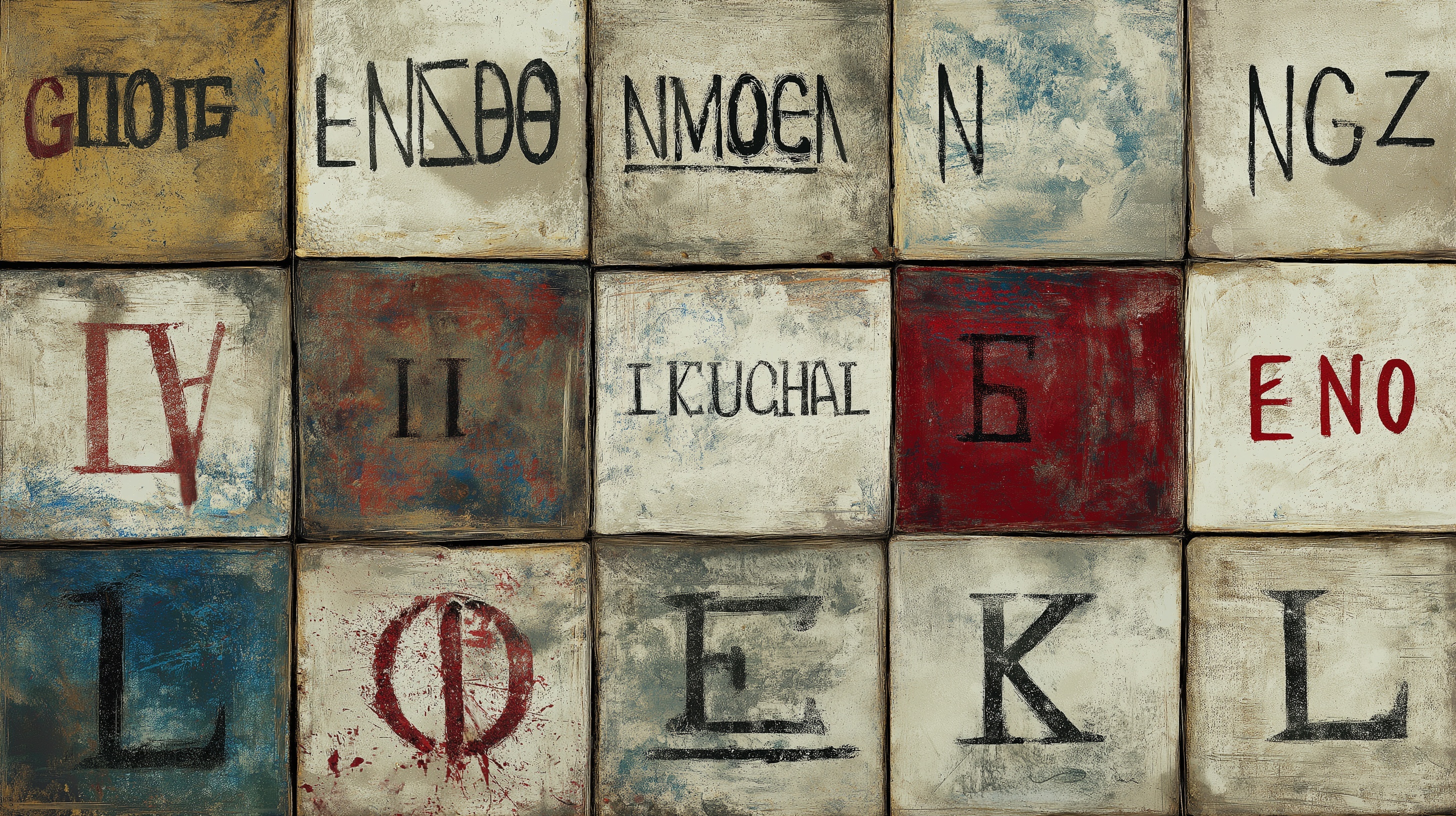
There is no standardized written form of Druidic. The language is taught directly from one druid to another through speech, memory, and ritual. Some circles use pictographs or symbols to mark sacred places or record simple instructions, but these are not used for full sentences or complex ideas. Written Druidic, when it does appear, is intended for those who already understand the language. It is not used to teach or explain. This practice maintains the secrecy that defines its use.
Only those who undergo initiation into the druidic tradition are permitted to learn the language. Sharing it with outsiders is considered a violation of sacred trust. This restriction is not enforced by law but by tradition and oath. Among druids, betrayal of the language carries severe consequences, both social and spiritual.
Druidic is not used for trade, diplomacy, or recordkeeping. It is a language of connection, used in rituals, meditations, and private speech. It is spoken when silence is not enough, but no other voice will do.



Comments