
Aquan
Aquan is the language spoken by the denizens of the Elemental Plane of Water. It is one of the four dialects that stem from the root language known as Primordial. Among the dialects, Aquan is known for its fluid structure, its rhythmic cadence, and its adaptability to underwater environments. It was not developed by scholars or civilizations but evolved naturally among beings shaped by the tides, currents, and depths of their world.
The spoken form of Aquan is smooth and melodic. Its sound resembles flowing water, with long vowels, soft consonants, and a speech pattern that ebbs and flows like the ocean itself. Syllables blend into one another, and pauses are rare. Words are strung together in continuous streams, with tonal inflections and breath control used to indicate breaks or changes in meaning. Listeners unfamiliar with the language often describe it as singing or humming, though the meaning carried beneath its surface is precise and purposeful.
Aquan was developed for use in submerged conditions. Its tones carry well through water, and its phonetic structure allows for clear communication even in turbulent or low-visibility environments. Speakers use variations in tone, volume, and pitch to convey context. In some forms of conversation, meaning is affected by the rhythm of the speaker’s breath or by the shape of the mouth during sound production. This makes accurate pronunciation difficult for surface dwellers without magical assistance or specialized training.
Grammatically, Aquan favors verbs and motion. Sentences are constructed around actions and conditions, with less focus on fixed identity or possession. Articles and gendered terms are absent. Descriptions tend to rely on relative positioning and environmental reference. Instead of saying “the pearl in my hand,” a speaker of Aquan might say “pearl rests near skin at center.” These patterns reflect the priorities of a culture in constant movement, surrounded by shifting currents and ever-changing boundaries.
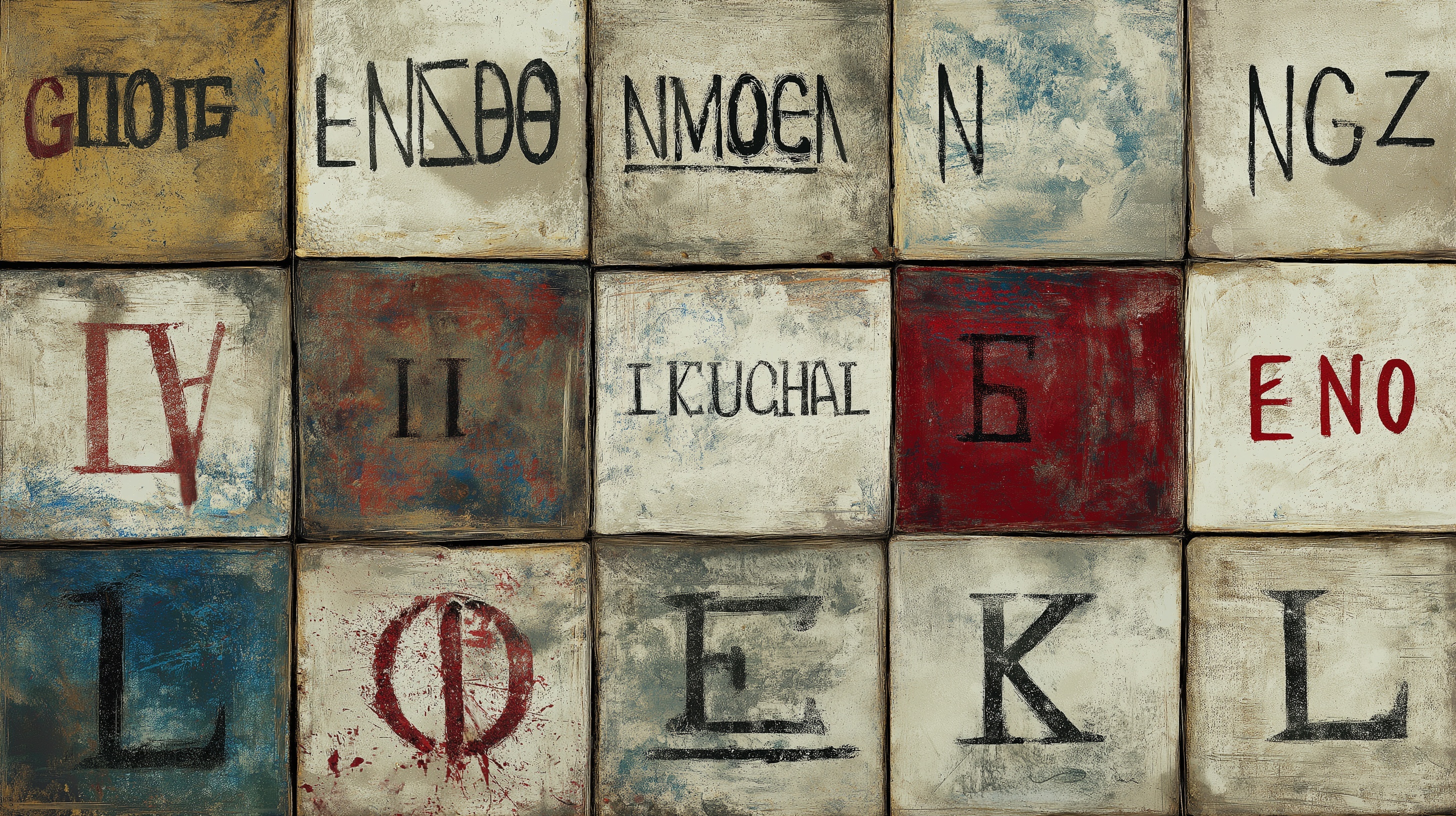
The written form of Aquan is rare. It is primarily ceremonial or magical rather than used for recordkeeping. When written, it appears as curved lines and spirals, often carved into coral, shell, or stone. The symbols are not phonetic in nature. They represent ideas or states of being and are often intended to be interpreted visually rather than spoken aloud. Each symbol flows into the next, mimicking the motion of waves or tides. Some texts are arranged in circular patterns, suggesting that meaning flows without a clear beginning or end.
Aquan is most commonly spoken by water elementals and other native beings of the Plane of Water. Certain mortal cultures, particularly those dwelling beneath the sea or living in close proximity to it, may also use the language. Some druids and scholars study Aquan to better understand oceanic environments or to communicate with aquatic creatures. While learning the spoken form is possible with patience, full fluency requires an understanding of the water’s rhythm and the subtlety of breath-based tone control.
Aquan is not a language of precision or argument. It is a language of motion, flow, and presence. It does not exist to define but to describe. It does not command but connects.



Comments