


Aarakocran
Aarakocran is the native language of the aarakocra, a species of avian humanoids known for their deep connection to the skies and the elemental forces of air. The language reflects this heritage. It is shaped by high-altitude environments, the rush of wind, and the sharp cries of birds. It is a spoken language with limited written tradition, relying heavily on pitch, rhythm, and vocal inflection. Its structure is difficult to imitate for non-native speakers due to the precise control of breath and tone required for proper pronunciation.
Phonetically, Aarakocran is a blend of trills, sharp clicks, whistling tones, and sudden shifts in pitch. It uses a range of vocalizations that mimic birdsong but with structured linguistic purpose. While many of its base sounds are produced in the throat and chest, aarakocra also make use of beak and tongue movements that are unique to their physiology. For this reason, even magically enhanced translations often lose nuance when rendering Aarakocran into Common or other languages.
The language lacks hard consonant clusters and instead favors flowing transitions between vowel-heavy syllables. A sentence may sound like a rising and falling melody, with emphasis placed on length and tone rather than volume. The meaning of a word can change entirely based on the duration of its vowels or the rising and falling tone applied to the final syllable. A short, sharp chirp might indicate direction, while a drawn-out, warbling note might serve as a warning or a greeting, depending on pitch.
Aarakocran is deeply tied to movement and space. Many of its verbs assume the speaker is in flight. Concepts such as “approach,” “descend,” or “circle back” are embedded into common grammatical forms. There are specific verb forms used for speaking during gliding, diving, or hovering. Ground-based actions are described differently and often carry connotations of stillness or caution. For this reason, non-winged speakers may struggle to express certain ideas without sounding awkward or unnatural.
The language includes a limited vocabulary for abstract concepts. Aarakocran tends to express emotions and philosophy through imagery of the sky. Joy might be described as “clear horizon.” Sorrow might be “cloud over dawn.” Wisdom is sometimes called “wind without storm.” These metaphors are consistent across dialects, though they may vary slightly depending on the region or flock.
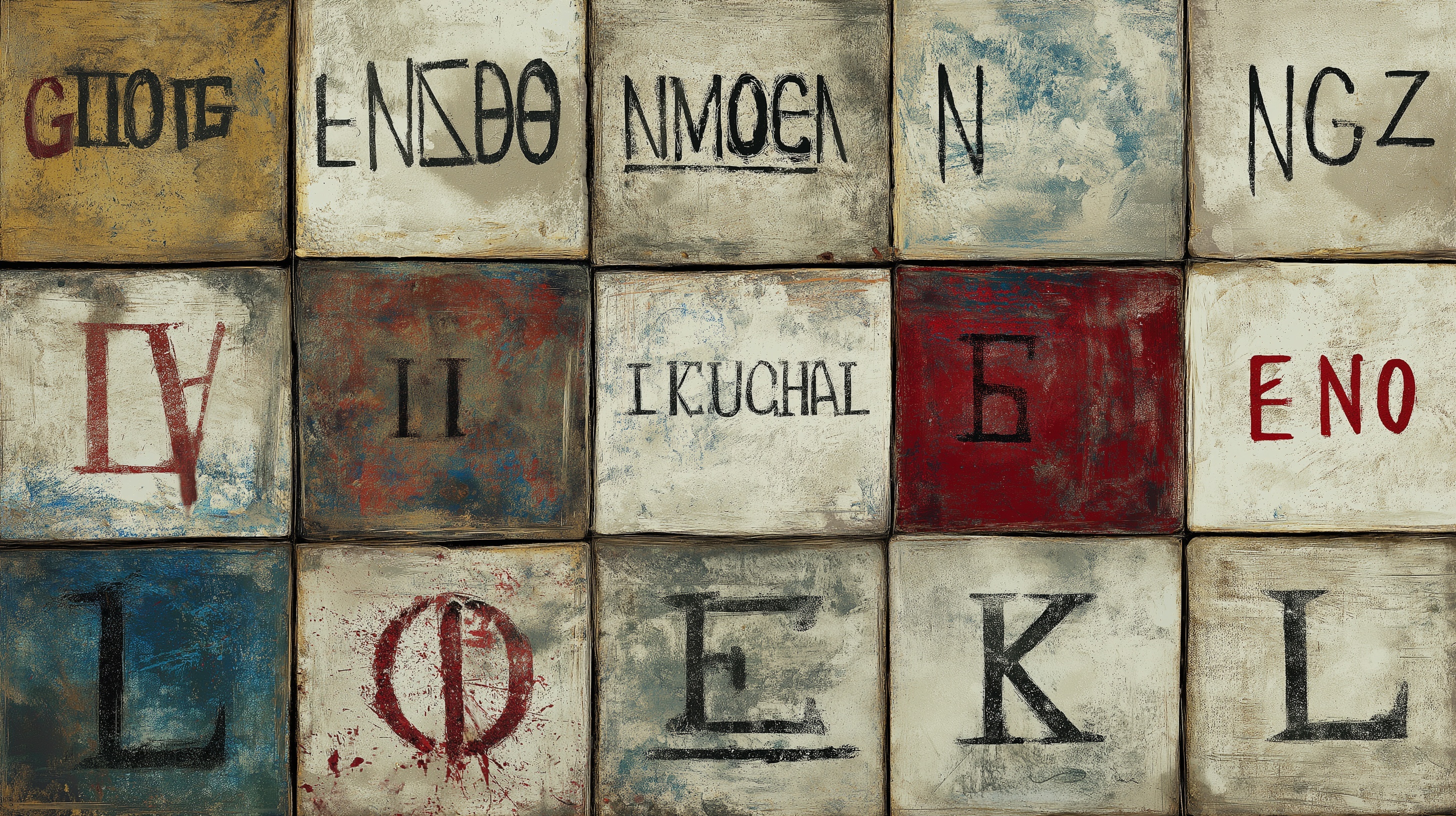
Aarakocran has few written forms. When it is recorded, it is usually done in pictographic symbols scratched into rock, wood, or bone. These symbols represent concepts rather than sounds, and they are intended as navigational aids, territorial claims, or ceremonial markings rather than full records of speech. Written records of history or law are rare. Oral tradition remains the primary method of preserving stories and knowledge. Songs, chants, and call-and-response exchanges are used to pass down important lore from one generation to the next.
In diplomatic or trade situations, aarakocra often rely on Common or another regional language, as most outsiders cannot reproduce or interpret Aarakocran effectively. Some specialized translators exist, often druids or scholars with long-term exposure to the culture. However, even they admit that many meanings remain unclear when stripped from the sound and motion of flight.
Aarakocran is not a language of power or control. It is a language of space, motion, and awareness. To speak it fluently is to think like a creature of the wind, to measure time not in hours but in thermals, and to understand that meaning sometimes lies between the notes, not within them.



Comments