

The Capital
Description
The capital city of the country of Sibra is called New Sibra, and is colloquially referred to as 'The Capital'. It is located centrally in Eastern Sibra, along the river Thalia. The Capital is the largest urban centre and administrative seat of Sibra, a post-colonial rump state on the planet Tria. Originally designed as a model Feln colonial settlement, the city later absorbed waves of refugees when Sibran forces were driven from more densely populated regions during the Trian War of Liberation. This sudden influx outpaced the colonial master-plan, producing today’s striking contrast between meticulously laid-out core districts and the haphazard, overcrowded belts that surround them.History
Planned Colony
The city began as a purpose-built administrative colony under Feln rule. Civil engineers drafted a radial-and-ring street grid centred on a government and financial hub beside the Thalia River, with light-industry wedges and landscaped residential rings for UFFR elites. A modern sewer system and freight rail spine were completed decades before large-scale civilian settlement.Wartime Expansion
As the Free Trian forces advanced, Sibran civilians and officials retreated northward, swelling the colony’s population several-fold. Emergency housing, factories, and barracks were erected with little regard for zoning or long-term infrastructure. Former boulevards were subdivided; parks and yards were filled by makeshift flats; entire shanty towns formed beyond the planned perimeter.Post-war Era
Following Sibra’s surrender and demilitarisation, the Capital became the state’s political and economic nucleus. Wealthy dynastic families—later formalized as the Principal Circle and the Council—fortified select districts and captured landholding rights to the neglected quarters and high-density tenements in the surrounding area. Shortly after the armistice, the so-called “Great Famine” intensified this trend: most of Tria’s fertile farmland lay in southern territories lost during the war, forcing displaced rural populations to flood the city in search of relief. Emergency ration lines and makeshift dormitories became permanent housing, and entire blocks were vertically stacked or subdivided to accommodate the surge. The Capital’s salvation during the Great Famine is credited almost entirely to a handful of visionary families—those who would later be known as the Principal Circle. With all advanced sym-technology crippled and impossible to restore in time to avert mass starvation, these houses turned backward. Harnessing their unmatched organizational genius and at great personal sacrifice, they reopened dormant rail lines, stoked coal-fired power plants, revived traditional farming methods, and re-tooled idle factories into canneries and grain depots—all while administering equitable rationing programmes and calming a restless, hungry populace with steadfast leadership that preserved order and hope alike. Grateful citizen committees petitioned for these benefactors to assume permanent stewardship of the state, arguing that those who had proven capable of saving Sibra were uniquely qualified to govern it. In swift succession, emergency decrees formalised their authority, land titles were “streamlined” into hereditary estates, and the ad-hoc relief boards were transformed into ministerial portfolios. Thus, the modern Sibran government—led by the magnates and administered through the Council—was the natural elevation of the very heroes who ended the famine and secured Sibra's future.Government and Administration
The city is administered indirectly by the Principal Circle’s five active magnate houses. Each portfolio house funds—and effectively owns—key municipal functions (population management, logistics, construction, research, luxury sectors). Day-to-day civic tasks are delegated to counsellor families and the Administrative College; formal legislation is minimal, with policy transmitted via executive decrees and patronage agreements.Society and Culture
Regions
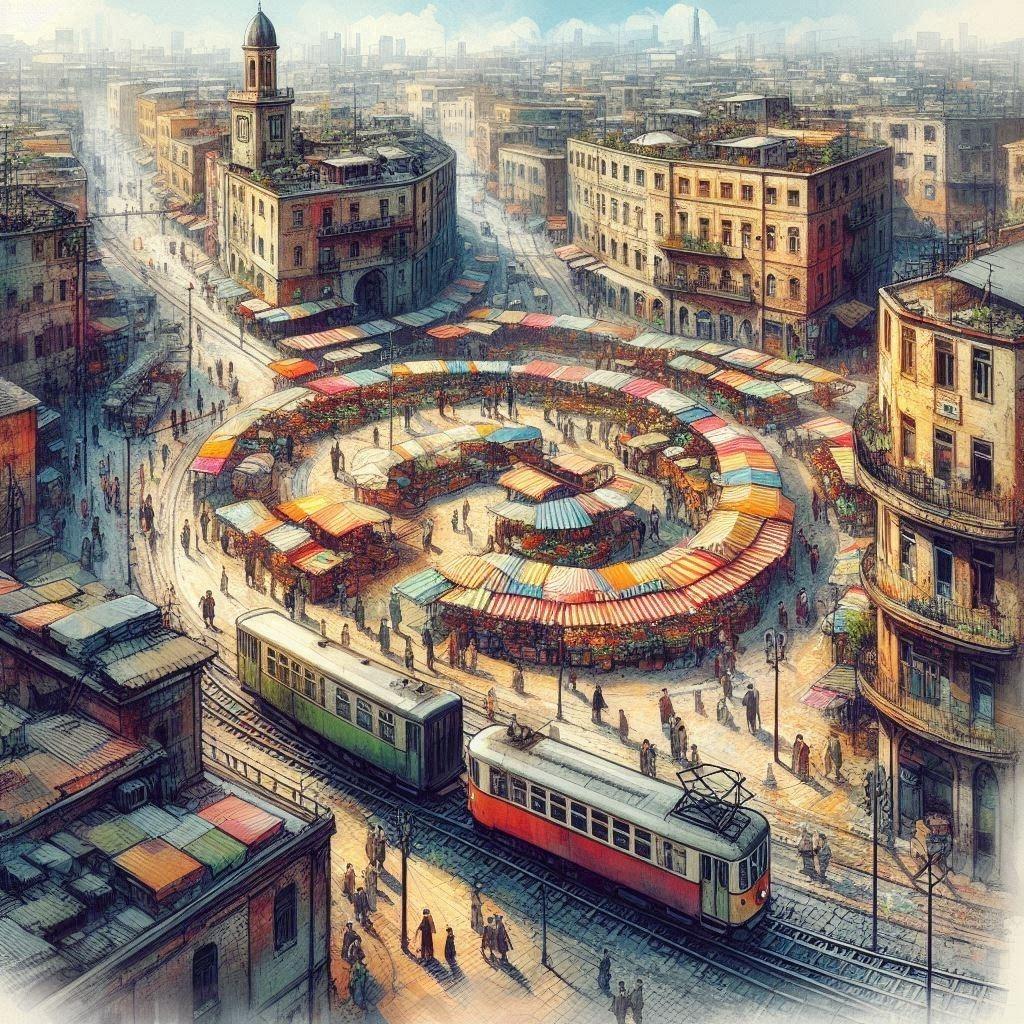
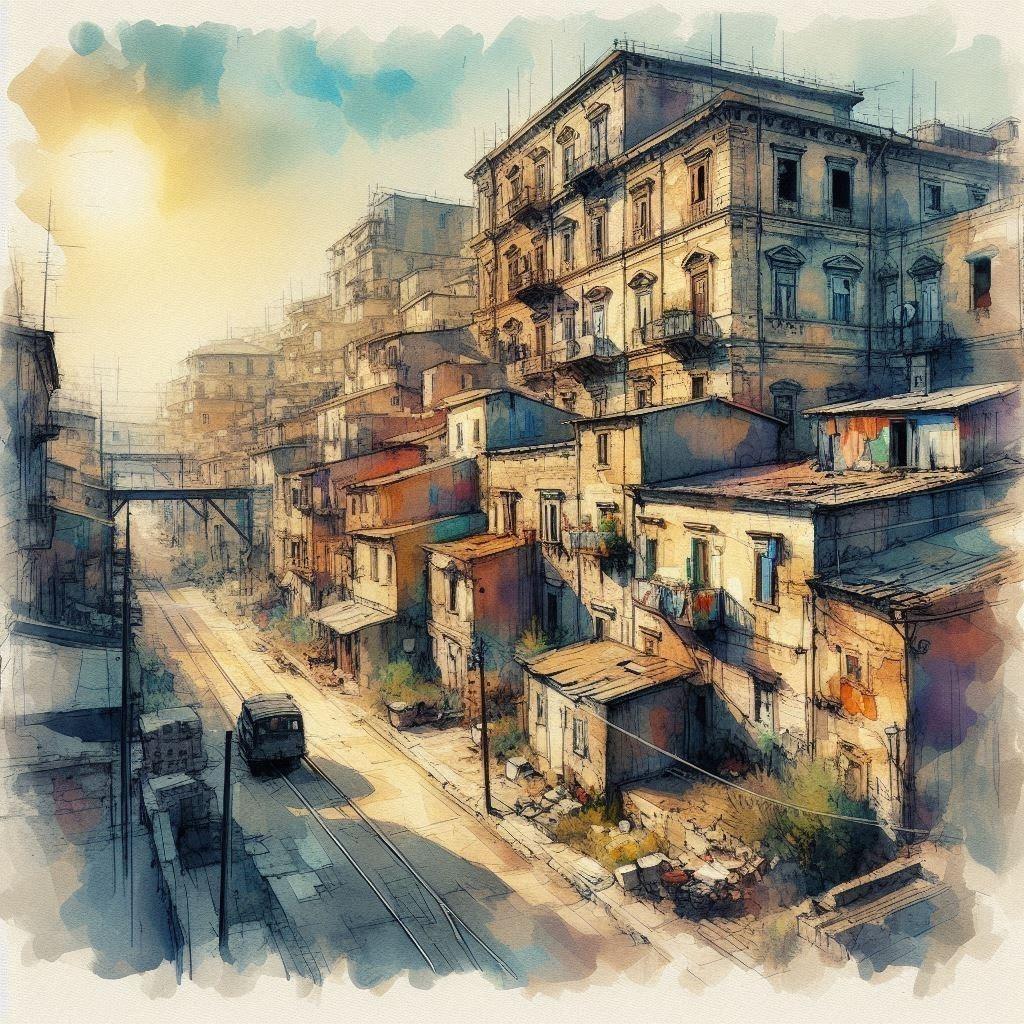
Financial District – A walled, concrete enclosure of luxury apartments, shops and low-rise office blocks. Access is controlled through air-lock gates and patrolled water inlets. Upper-Class Residential Enclaves – Stone-walled manor compounds dating to the war, often isolated islands amid dense housing. High-Density Residential Belt – Blocks of 3-5-storey brick or timber flats, heavily modified since the war. Lower windows are barred. Market District – Interconnected plazas lined with stalls selling basic goods, textiles, and household electronics. Light-Industrial – Canneries, textile mills and appliance workshops occupy converted warehouses near the river and freight yards. Heavy-Industrial – Locomotive yards, machine-tool plants, and shipbuilding slips sprawl along rail corridors outside the city limits. Slums – Ramshackle two-story shacks extend from the fringe, fed by improvised power lines and plagued by winter fires. Sewer Network – A pre-planned utility grid beneath the city. Main arteries feature dual walkways, deep water channels, and rusted maintenance rails. Proximity to the Financial District correlates strongly with wealth and security. Strays—unregistered or abandoned children—populate alleys and sewers, living on petty theft. Upper-class banquets, rooftop parties, and private hunts highlight elite decadence, while working-class families rely on state subsidies.Transport
A free light-rail ring and radial lines connect major districts, though access to stops near elite zones is gated. Freight rail handles industrial cargo. River barges and box trucks serve markets and industry, while private motorcars are mainly confined to upper-class enclaves.Climate
The Capital experiences a temperate maritime climate: wet winters with occasional snow; warm, dry summers; frequent overcast conditions moderated by the Thalia River.Security and Policing
Beat patrols emphasise de-escalation in working districts, while rifle-equipped units secure the Financial District walls. Stray crime is often ignored; threats to elite property elicit rapid, forceful response.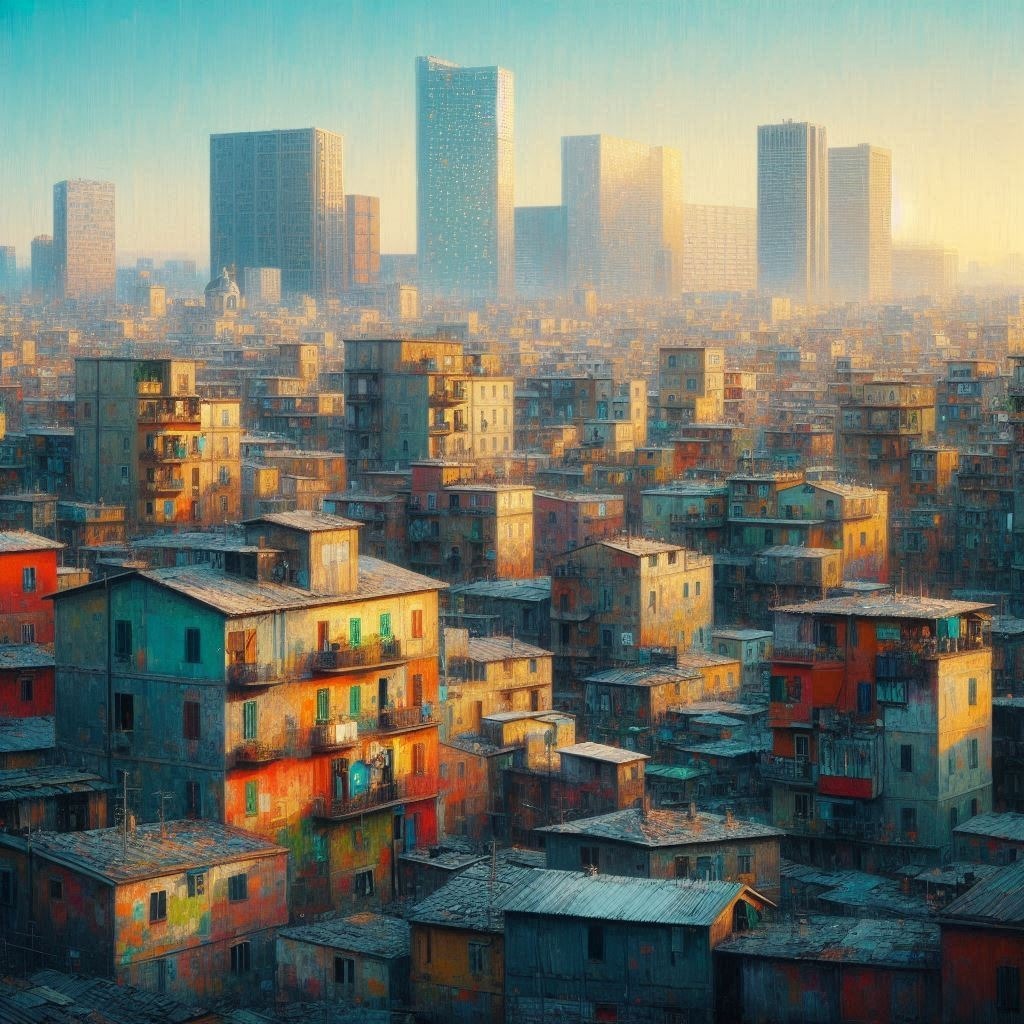
Remove these ads. Join the Worldbuilders Guild

Comments