Valewater
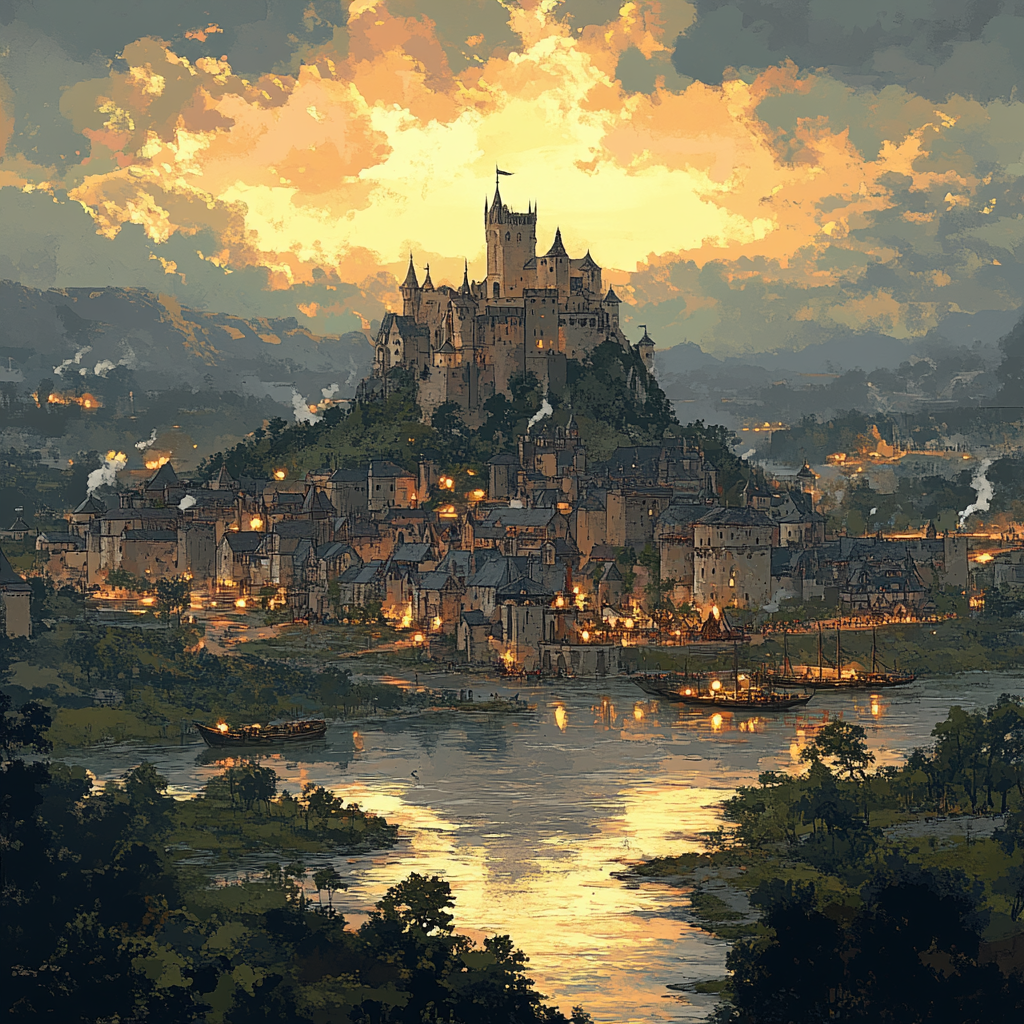
Valewater is the largest and most influential city in the Severed Coast, serving as the political, economic, and cultural heart of the region. Founded centuries ago at the confluence of the Veilwater River and the Tears of a Titan lake, Valewater has grown from a modest settlement into a sprawling metropolis. The city thrives due to its strategic location near abundant natural resources, including rich forests, fertile fishing grounds, and valuable mineral deposits.
Under the rule of King Arlan Valewater, the 90th monarch of his line, Valewater seeks to maintain stability and prosperity amid growing external threats and internal tensions. The city is a hub of activity, where merchants, nobles, adventurers, and commoners mingle in bustling markets, grand halls, and shadowy alleyways. Despite its grandeur, Valewater is a city of contrasts, where wealth and poverty, tradition and ambition, coexist in a delicate balance.
Under the rule of King Arlan Valewater, the 90th monarch of his line, Valewater seeks to maintain stability and prosperity amid growing external threats and internal tensions. The city is a hub of activity, where merchants, nobles, adventurers, and commoners mingle in bustling markets, grand halls, and shadowy alleyways. Despite its grandeur, Valewater is a city of contrasts, where wealth and poverty, tradition and ambition, coexist in a delicate balance.
Demographics
Population Size
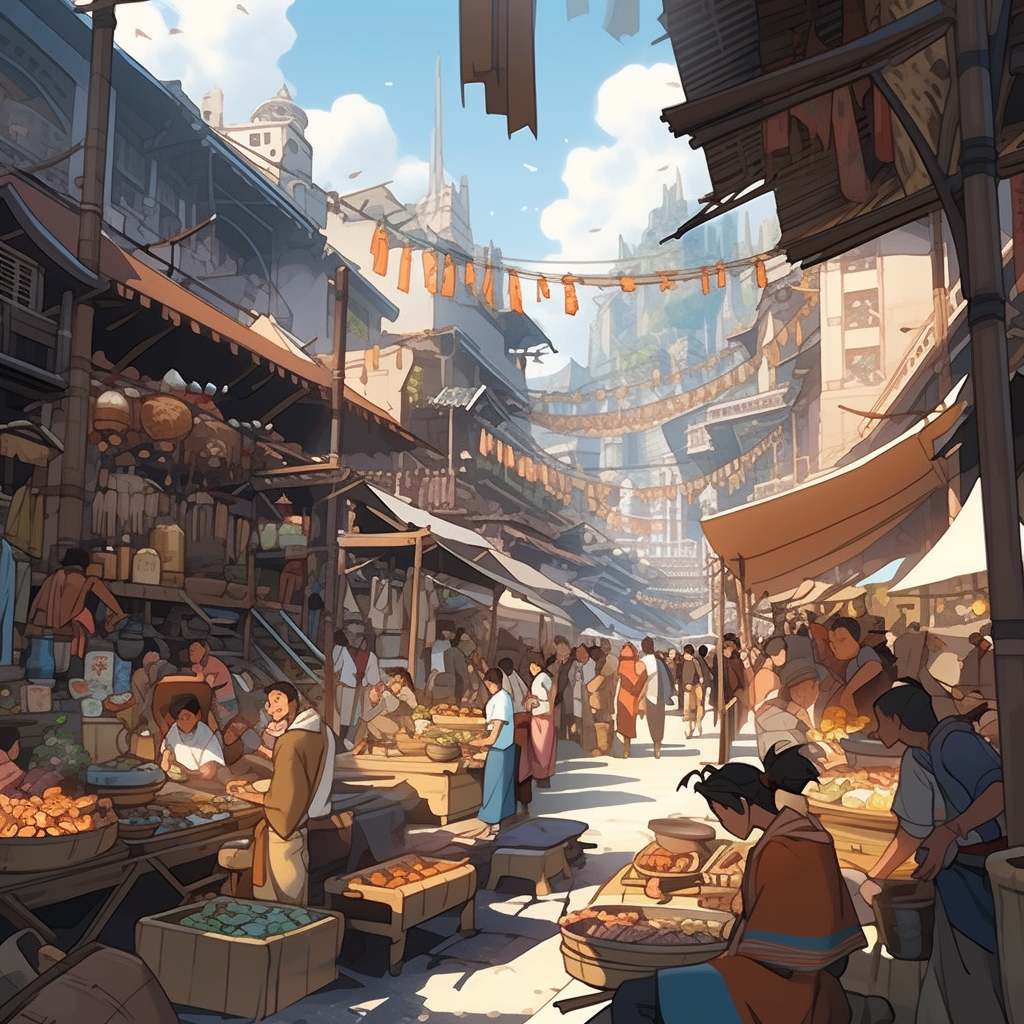
While exact numbers are difficult to ascertain due to the city's constant influx of travelers, merchants, and refugees, it is estimated that Valewater houses approximately 150,000 permanent residents. This number swells during festivals, trade seasons, and times of conflict, as people from surrounding regions converge upon the city for various purposes.Racial Composition
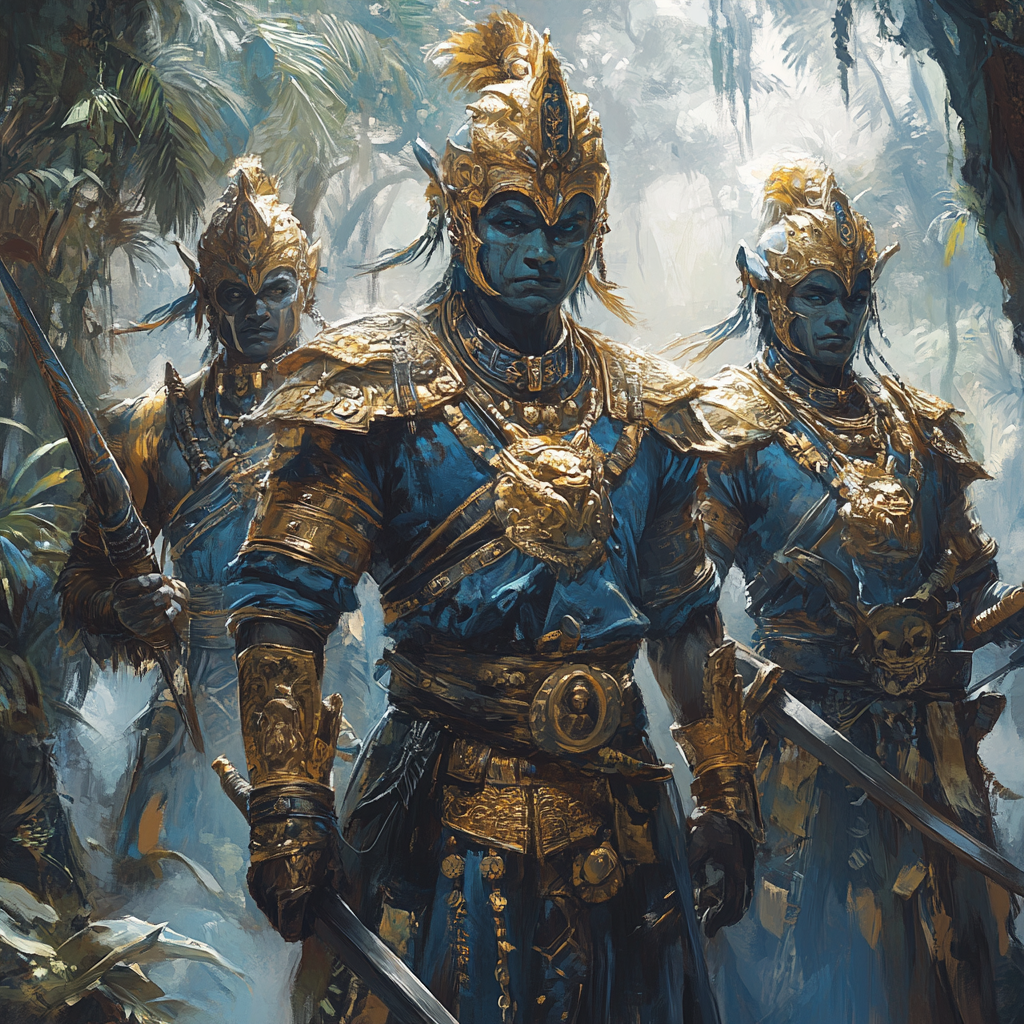
Humans are the predominant race in Valewater, making up about 65% of the population. This reflects the city's founding during the Age of Humanity by King Valen Valewater. Humans occupy all levels of society, from the nobility in the Azure Ward to the laborers in Shadeward and the marginalized in The Grimdark. They hold positions of power within the Royal Vale, engage in trade and craftsmanship in The Merchant's District, and form the majority of the working class, including farmers, laborers, and members of the city watch. Elves constitute approximately 10% of Valewater's population. Associated with arts, scholarship, and arcane studies, they contribute significantly to the city's intellectual and cultural life. Many elves are found in the Valen Academy and the Obsidian Order, engaging in research and magical studies. Others are artists and performers, enriching the city's cultural scene through music, art, and literature. They predominantly reside in the Scholar's Quarter and parts of The Merchant's District. Dwarves, making up around 8% of the population, are known for their craftsmanship, mining expertise, and stoic demeanor. They have integrated into Valewater's economy, particularly in industries requiring precision and durability. Dwarves are highly skilled blacksmiths and engineers, found in the Artisan's Quarter, and many engage in trade of precious metals, gems, and crafted goods. They often live in the Artisan's Quarter and adjacent areas within The Merchant's District. Halflings account for approximately 5% of the population. They are often involved in agriculture, hospitality, and trade, valued for their communal spirit and adaptability. Halflings operate taverns, inns, and small shops as innkeepers and merchants, and some work as farmers in the agricultural lands outside The First Wall. They reside throughout The Merchant's District and Shadeward. Gnomes represent about 4% of Valewater's population. They bring ingenuity and a penchant for invention, often pushing the boundaries of technology and magic. Gnomes are inventors and alchemists in the Artisan's Quarter, and scholars participating in academic pursuits in the Valen Academy. They primarily settle in the Artisan's Quarter and Scholar's Quarter. Various non-human races, including Tieflings, Dragonborn, Half-Orcs, and others, collectively make up about 8% of the population. Their experiences vary, with some facing prejudice while others integrate smoothly. These races engage in varied professions, from mercenaries and adventurers to merchants and clergy. Many non-humans are part of the Obsidian Order, drawn by its mission and inclusivity. They are spread throughout the city, with some concentrations in Shadeward and The Grimdark.Social Stratification
Valewater's society is stratified into several classes. The nobility and elite, comprising about 5% of the population, reside primarily in the Azure Ward. They enjoy luxurious lifestyles, with access to the best resources, education, and significant influence over the city's affairs. The middle class, about 35%, includes merchants, skilled artisans, professionals, and scholars. They live predominantly in The Merchant's District, driving the city's economy, culture, and innovation. The working class, approximately 45%, consists of laborers, farmers, craftsmen, and service providers. They live in The First Wall and the outer areas of The Merchant's District, providing essential goods and services that keep the city functioning. The lower class and marginalized, making up about 15%, are the poorest citizens, including the unemployed, beggars, and those engaged in menial labor. They are concentrated in The Grimdark and the most impoverished parts of The First Wall, facing harsh living conditions and limited access to resources.Cultural Diversity
Valewater's status as a trade hub has attracted individuals from various cultures and backgrounds. This diversity is reflected in the city's languages, with Common widely spoken alongside Elvish, Dwarvish, Halfling, and other tongues heard in different districts. Religious practices are varied, though traditional worship of the old gods has waned since the Age of Death. The Obsidian Order promotes reverence for the lost deities, attracting followers from multiple races. Cultural festivals celebrate the heritage of different races, fostering a sense of community despite differences.Impact of Factions on Demographics
The various factions in Valewater significantly influence its demographics. The Royal Vale, predominantly human, shapes policies affecting all residents. While mostly human, it includes members of other races who have risen in status through merit or alliance. The Velvet Coin's membership reflects the city's mercantile spirit, open to all who possess wealth and business acumen, regardless of race. The Obsidian Order is primarily non-human, welcoming any who wish to atone for humanity's transgressions against the gods. It includes elves, dwarves, tieflings, and other races, as well as humans seeking redemption. The Iron Fist draws members from the marginalized and discontented, often from the lower classes and various races united by a common cause, while the Regarists are exclusively human.Economic Distribution
Wealth in Valewater is heavily concentrated in the hands of the nobility and influential merchants within the Azure Ward and The Merchant's District. Trade and commerce are major employers, especially in the Harbor District and The Merchant's District. Craftsmanship is significant in the Artisan's Quarter, involving multiple races skilled in various crafts. Agriculture employs many humans and halflings in the lands outside The First Wall.Challenges and Social Issues
Valewater faces several social challenges. Economic disparity has led to a significant wealth gap between the elite and the lower classes, causing social tension. Racial prejudices exist, with some races facing discrimination, particularly non-humans in positions of power. Overcrowding in districts like Shadeward and The Grimdark leads to poor living conditions. Limited access to education, healthcare, and opportunities for the lower classes exacerbates social stratification.Demographic Trends
Ongoing migration of individuals seeking opportunities contributes to the city's growth and diversity. Birth rates are higher among the working and lower classes, leading to a youthful population in those sectors. Over generations, cultural assimilation occurs, blending practices and creating a unique Valewater identity while preserving individual heritages.Conclusion
Valewater's demographics are a complex mosaic reflecting its history, economic structure, and position as a cultural crossroads. The interplay of various races, social classes, and factions creates a dynamic environment ripe with opportunities and challenges. Understanding the city's demographics is essential for grasping the nuances of its society, the motivations of its inhabitants, and the potential for stories and adventures within its walls.Defences
Districts
City Districts of Valewater
Valewater is a city meticulously designed with three concentric walled rings, each reflecting the city's social hierarchy and historical development. At its core lies the seat of power and opulence, while the outer rings encompass the industrious middle class and the hardworking common folk. Beneath the city's surface exists a hidden district known as The Grimdark, where the most marginalized struggle to survive. The city's layout not only serves defensive purposes but also mirrors the cultural and economic divisions within Valewater.The Inner Ring: The Azure Ward
The Azure Ward is the innermost district of Valewater, home to the nobility, high-ranking officials, and the city's wealthiest citizens. Named after the legendary Azure Wardens, the elite guards who protect the city and its royal family, this district epitomizes luxury and power. The architecture here is grandiose, featuring sprawling mansions, opulent palaces, and meticulously manicured gardens. Streets are wide and paved with polished stone, lined with ornate lampposts and statues commemorating historical figures. The Royal Keep dominates the skyline, serving as both the residence of King Arlan Valewater and the administrative heart of the city. Access to The Azure Ward is heavily restricted, with gates guarded by the Azure Wardens themselves, ensuring that only those of esteemed status may enter. The atmosphere is one of tranquility and exclusivity, a stark contrast to the bustling districts beyond its walls.The Middle Ring: The Merchant's District
Encircling the heart of Valewater is The Merchant's District, a vibrant area teeming with activity. This district is the commercial hub of the city, inhabited by the middle class, including skilled artisans, merchants, traders, and professionals. Buildings are well-constructed from sturdy stone and timber, showcasing the craftsmanship of the city's tradespeople. Shops, workshops, and markets line the broader, cleaner streets, where the sounds of haggling, hammering, and lively conversation fill the air. The aroma of fresh bread from bakeries mingles with the scent of leather and metal from cobblers and blacksmiths. Members of the City Watch, many of whom reside in this district, patrol regularly, providing a sense of security and order. The Merchant's District serves as a bridge between the laborers of the outer ring and the elites of the inner ring, fueling Valewater's economy and embodying its industrious spirit.The Outer Ring: The First Wall
Beyond the Merchant's District lies The First Wall, the outermost ring of Valewater. This district is home to the city's poorer citizens, including laborers, fishermen, and those engaged in essential yet low-paying jobs. The name "The First Wall" refers to the original fortifications built during the city's founding by King Valen Valewater. Buildings here are modest, constructed from simple stone and wood, often cramped together along narrow, winding streets. The district bustles with life as street vendors sell basic goods, children play in alleyways, and neighbors converse on doorsteps. Just outside The First Wall, vast agricultural lands stretch outward, where farmers cultivate crops that sustain the city's population. These farmlands are vital to Valewater's sustenance, and their proximity allows for the efficient transport of produce into the city markets. Despite facing hardships, the residents of The First Wall exhibit a strong sense of community and resilience.The Underground Slums: The Grimdark
Hidden beneath the city's surface lies The Grimdark, a subterranean district where the sun's rays never reach. Originally part of an old mining network and expanded over the years, The Grimdark has become a refuge for the most marginalized and destitute inhabitants of Valewater. The atmosphere is one of perpetual twilight, illuminated only by flickering torches and dim lanterns. The air is thick with dampness, and the walls glisten with moisture, creating an eerie and oppressive environment. Makeshift dwellings are carved into the cavern walls or constructed from scavenged materials, forming a labyrinth of narrow passages and hidden alcoves. Life in The Grimdark is harsh; resources are scarce, and the reach of the law is virtually nonexistent. It is a place where the desperate and forgotten reside, and where illicit activities often go unchecked. Despite these challenges, a strong sense of camaraderie exists among the inhabitants, who rely on one another for survival in this forsaken underworld.Agricultural Lands Beyond the Walls
Surrounding The First Wall are the fertile agricultural lands essential to Valewater's sustenance. Expansive fields of wheat, barley, and vegetables stretch toward the horizon, interspersed with orchards and vineyards. Farmhouses and barns dot the landscape, and farmers work diligently from dawn to dusk. These lands not only provide food for the city's population but also contribute to its economy through trade. The proximity of these farmlands to the city allows for the swift transportation of fresh produce to the markets within The Merchant's District. Small villages and hamlets have formed around these agricultural areas, fostering tight-knit rural communities connected to Valewater's urban life.Defensive Architecture and Social Stratification
Valewater's three concentric walls serve both defensive purposes and symbolize the city's social stratification. Each wall is a formidable structure built from thick stone, reinforced with battlements and watchtowers. The First Wall, the oldest, encompasses the entire city and its outer ring, with gates that regulate access to the agricultural lands. The second wall separates The Merchant's District from The First Wall, while the innermost wall protects The Azure Ward. These walls have withstood the test of time, representing Valewater's strength and resilience against external threats.Interconnections Between Districts
While the city's design reflects clear social divisions, there are points of interaction among the different rings. Markets in The Merchant's District attract patrons from all over Valewater, facilitating economic and social exchanges. Festivals and public events occasionally draw people from various districts into shared spaces, fostering a sense of communal identity despite the disparities. However, the contrasts are evident—the opulence of The Azure Ward highlights the challenges faced by those in The First Wall and The Grimdark.Conclusion
Valewater's district layout is a physical manifestation of its history and societal structure. The city's design, established during the Age of Humanity by King Valen Valewater, reflects both its aspirations and the realities of its grimdark world. From the grandeur of The Azure Ward to the shadows of The Grimdark, each district contributes to the rich tapestry of Valewater's identity. This intricate design not only provides defense but also shapes the experiences of its inhabitants, offering a multitude of stories and adventures waiting to unfold within its walls.Guilds and Factions
Major Factions

The Royal Vale represents the ruling body of Valewater and the monarchy, tracing its origins back to the city’s founder, King Valen Valewater. Rooted in South East Asian cultural influences, the Royal Vale embodies authority, tradition, and the legacy of the Valewater dynasty. The current ruler, King Arlan Valewater, governs from the Royal Keep within the inner ring, also known as the Azure Ward, where the nobility resides in opulence. The Royal Vale plays a critical role in all aspects of governance, overseeing the laws of the city, administering justice, and ensuring the smooth running of its bureaucracy. With a firm grip on Valewater’s military, they also command the city’s elite Azure Wardens, who act as both protectors of the city and enforcers of the king's will.
The Royal Vale is also deeply entwined with Valewater's cultural fabric, safeguarding traditions and organizing festivals such as Founder's Day, which celebrate the city’s history and promote unity among its citizens. Economically, the Royal Vale works closely with merchant factions like The Velvet Coin, regulating trade agreements, taxes, and economic policies to ensure the city's prosperity. Though they wield immense power, the Royal Vale often faces challenges balancing the needs of the people with the ambitions of other factions, such as the secretive Obsidian Order or the rebellious Iron Fist. Their crest, a majestic elephant adorned in ceremonial armor, symbolizes their wisdom, strength, and royal heritage—a fitting representation for the faction that holds Valewater together.
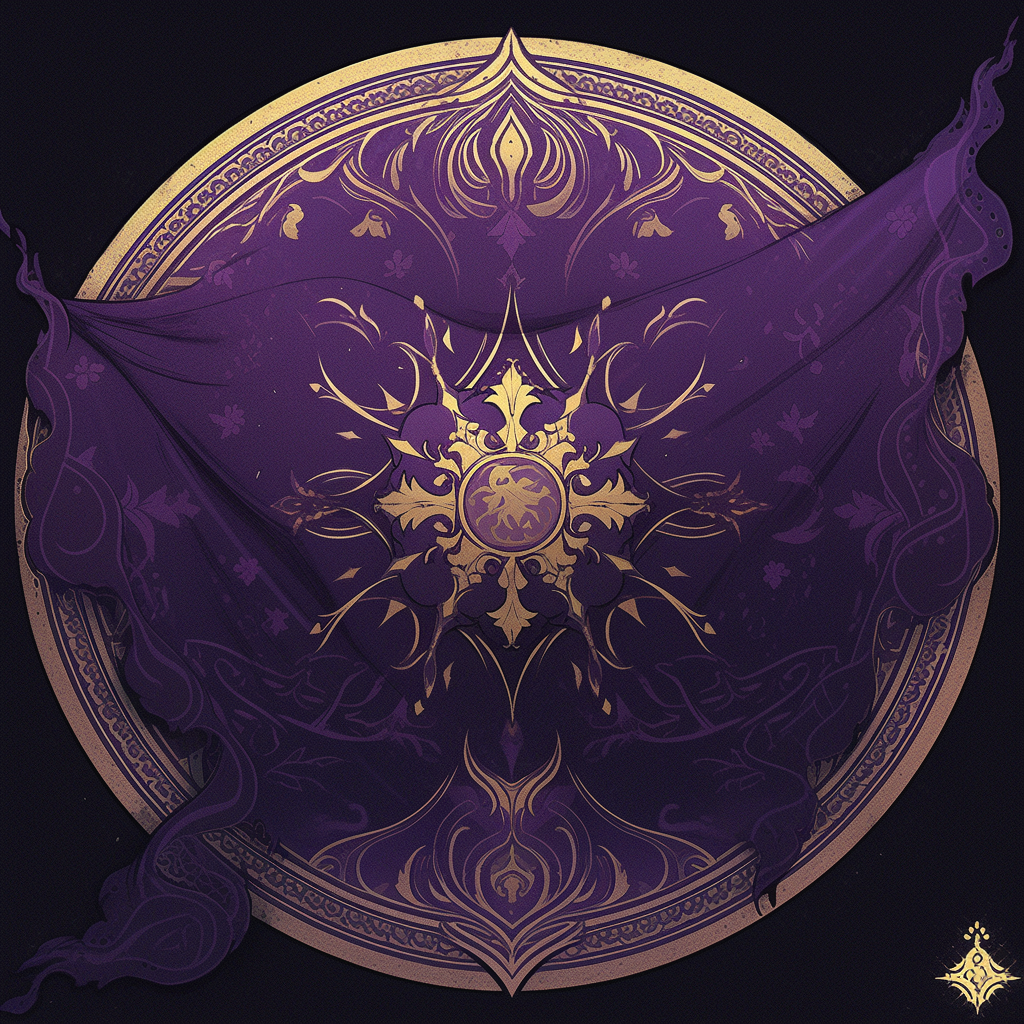
The Velvet Coin is the lifeblood of Valewater’s economy, controlling trade, commerce, and wealth within the city. This merchant guild is a conglomerate of wealthy traders, financiers, and influential business people who dominate the city’s marketplaces and trade routes. From their grand headquarters at the Velvet Exchange in the Merchant’s District, the Velvet Coin oversees everything from local trade to international commerce, leveraging their financial prowess to ensure favorable terms for themselves and their partners. Their control over the supply of goods, combined with their ability to set market prices, makes them one of the most powerful factions in Valewater.
In addition to trade, the Velvet Coin plays a vital role in shaping Valewater’s economy. They regularly advise the Royal Vale on matters such as taxation and economic strategy, ensuring that the city's financial health remains stable. Despite this collaboration, tensions can arise, especially when the interests of the merchants conflict with the policies of the monarchy. The Velvet Coin’s emblem, a golden coin wrapped in luxurious purple velvet, reflects their immense wealth, elegance, and sophistication. While many look up to the Velvet Coin for the prosperity they bring, others criticize their monopolistic tendencies and the vast economic gap they represent within Valewater.

The Obsidian Order is a shadowy and secretive faction within Valewater, primarily concerned with hoarding magical artifacts and punishing those who defy or profane the memory of the gods. Originally composed of religious priests and non-human adherents who were furious after the Age of Blood, when King Regar led humanity in the slaughter of the gods, the Obsidian Order has grown into a powerful force. Their influence extends into the political and magical spheres of Valewater, where they quietly manipulate events from the shadows. Their primary mission is to control all remnants of magic and enforce strict regulation over its use, seeing themselves as the custodians of what remains of divine power.
The Order maintains a formidable presence within Valewater, operating out of their fortified headquarters, the Obsidian Citadel, a dark and imposing structure hidden within the city. Their logo, a shard of obsidian surrounded by arcane symbols and mystical artifacts, reflects their goal of collecting and safeguarding magical items. Although they work with the Royal Vale on issues regarding magic, their true ambitions remain obscured, and their influence is often feared. They are particularly antagonistic toward factions like the Regarists, viewing them as heretics who must be eradicated. The Obsidian Order is respected by some for their role in preserving the sacred and controlling dangerous magic, but others see them as a dangerous authoritarian force, driven by zeal and ambition.
Minor Factions

The Iron Fist is a rebel faction, operating largely in the shadows, advocating for radical changes in Valewater. Founded by a monk who failed to channel his chi due to his impatience and ambition, the Iron Fist has become a symbol of resistance against the established order. Members of this faction are primarily comprised of former monks, fighters, and disillusioned individuals who have turned to more extreme measures to fight the corruption they see within the city. Their base of operations is hidden from view, and they work in secrecy to carry out their plans.
The Iron Fist operates through sabotage, espionage, and small-scale insurgent attacks, aiming to destabilize the current regime. Their symbol—a clenched fist adorned with spiked knuckles, often paired with the image of a hooded monk—reflects their violent yet disciplined approach. While they are regarded as criminals by the authorities, the common folk often see them as champions of the downtrodden. The faction's reputation for helping the poor and defending those left unprotected by the city's laws has garnered them a degree of sympathy among Valewater’s less fortunate residents, though many fear the dangers that come with their involvement. Despite their outlaw status, the Iron Fist remains active within the city, always seeking to expand their ranks and spread their message.

The Regarists are a small, secretive faction of human supporters who remain loyal to the ideals of King Regar, the monarch who led the rebellion that killed the gods during the Age of Blood. Though the majority of humanity shuns Regar's legacy, viewing him as a tragic and misguided figure, the Regarists see him as a misunderstood hero who sought to free humanity from divine oppression. They believe that the gods' control over magic stifled human potential, and they continue to spread Regar's teachings in secret.
Operating in the shadows, the Regarists are a tightly-knit group, limited to only 50–100 members. Their logo—a bloody handprint striking across the cracked visage of a god—symbolizes their rebellion and defiance against divine rule. The Regarists are hunted by the Obsidian Order, which views them as heretics, and are also closely monitored by the Royal Vale. Despite this, they remain determined to reshape the narrative surrounding Regar and his actions, often meeting in secret to plan and share forbidden knowledge. While they are a minor faction, their presence in Valewater represents a deep ideological divide, and their beliefs have the potential to challenge the status quo in unexpected ways.
History
Introduction
Valewater stands as a beacon of human ambition and resilience on the Severed Coast. Founded by the visionary King Valen Valewater during the Age of Humanity, the city has witnessed epochs of prosperity, turmoil, and profound transformation. Its history is deeply intertwined with pivotal events that have shaped not only Valewater but also the course of human civilization in the region.Founding of Valewater
In 1646 AH, King Valen Valewater established the city that would bear his name. Recognizing the strategic importance of the confluence between the Veilwater River and the Tears of a Titan lake, he envisioned a thriving metropolis that would become a hub of commerce, culture, and defense. The location offered abundant natural resources: fertile lands for agriculture, rich forests for timber, and waterways that facilitated trade and transportation. The early settlers faced numerous challenges, including harsh climates, untamed wilderness, and threats from wild creatures and neighboring tribes. To protect the burgeoning population, King Valen ordered the construction of the Royal Keep and the initial city walls, which would later be expanded into the formidable fortifications that stand today. He also forged alliances with nearby communities, promoting trade and mutual defense, laying the foundation for Valewater's growth and prosperity.Growth During the Age of Humanity
The Age of Humanity was a period of exploration, expansion, and cultural development for Valewater. The city thrived as a center of trade due to its strategic location and access to resources. Industries such as fishing, mining, and lumber became the backbone of its economy, and the establishment of the Harbor District allowed for increased maritime commerce. Culturally, Valewater flourished with the founding of institutions like the Valen Academy, which promoted learning and the arts. Festivals and traditions, such as Founder's Day, celebrated the city's heritage and fostered a strong sense of community among its inhabitants.The Age of Blood and King Regar the Godkiller
Centuries after King Valen's reign, King Regar ascended to the throne of Valewater. Ambitious and charismatic, Regar sought to elevate humanity by challenging the very gods themselves. Disillusioned with what he perceived as the gods' interference in human affairs, he rallied forces from Valewater and beyond to wage war against the divine. This period, known as the Age of Blood, was marked by unprecedented conflict. Under Regar's leadership, humanity engaged in brutal battles against the gods, culminating in their demise. Regar earned the epithet "the Godkiller," but his actions had dire consequences. The death of the gods unleashed chaotic energies, disrupting magic and natural order, and plunging the world into turmoil. In the aftermath, Regar was vilified. The people of Valewater and the wider world were horrified by the sacrilege, and Regar became known as the scum of humanity. Most humans regarded his actions with shame and chose not to commemorate the day the gods were slain. Despite this, a small faction of sympathizers, known as The Regarists, continued to revere his ideals. Numbering only 50 to 100 supporters, all humans, they operated in secrecy due to the widespread disdain for Regar's legacy.The Formation of the Obsidian Order
In response to the gods' death, a group of religious priests formed the Obsidian Order. Furious at the killing of the gods, they dedicated themselves to hoarding the remaining magic and culling unbelievers. Initially operating in secret, the Obsidian Order supported the gods' cause and sought to make right by them. They used King Regar's transgression as a catalyst to emerge from the shadows and build a larger group of supporters. Primarily composed of non-human members who felt a deep connection to the divine, the Obsidian Order welcomed any humans who sought redemption and wished to "make right" by the gods. They began exerting influence over Valewater's policies regarding magic and religion, often clashing with those who harbored sympathies for Regar.The Age of Death and Valewater's Struggle
The death of the gods ushered in the Age of Death, a time of chaos and despair. Divine magic faded, and arcane magic became unpredictable and dangerous. Natural disasters, plagues, and famines afflicted the land, perceived as repercussions of humanity's hubris. Valewater faced economic turmoil as trade routes were disrupted and resources became scarce. Social unrest grew as fear and uncertainty led to increased crime and civil disorder. The monarchy, under immense pressure, sought ways to stabilize the city and provide for its people. The elite Azure Wardens were expanded to maintain order and protect Valewater from external threats and internal strife. The Obsidian Order gained prominence during this time, enforcing strict control over magical practices and often resorting to extreme measures to prevent further chaos. They conducted purges to eliminate rogue mages and those they deemed heretics, leading to a significant loss of magical knowledge and fostering an atmosphere of fear and suspicion.Significant Events in Valewater's History
The Great Fire of the Merchant's Ward A devastating fire swept through the Merchant's Ward, destroying numerous homes and businesses. The blaze raged for days before it was finally extinguished. The catastrophe prompted the Valewater Rebuilding Act, which modernized much of the city's infrastructure, making it more resistant to future disasters. The Plague of Shadows A mysterious illness known as the Plague of Shadows spread through Valewater, causing untold suffering. With divine healing no longer available, the city resorted to quarantines and primitive medicine. The crisis highlighted the dire need for new approaches to health and wellness and further strained the city's resources. The Uprising of the Slums Growing inequality and neglect of the outer districts led to an uprising among Valewater's poorest citizens. The rebellion was quelled by the Azure Wardens, but it forced the monarchy to implement reforms, improving conditions for the working class and expanding public services.The Legacy of King Valen Valewater
Despite the dark chapters in Valewater's history, the legacy of its founder endures. Monuments and memorials dedicated to King Valen can be found throughout the city. The Statue of King Valen stands proudly in Founder's Plaza, and Valen's Bridge, an architectural marvel spanning the Veilwater River, symbolizes unity and progress. King Valen's ideals of unity, resilience, and progress continue to inspire Valewater's policies and cultural practices. The Valen Codex, the legal framework he established, still guides the city's governance. Every year, Founder's Day is celebrated with a grand festival, honoring his contributions and emphasizing lessons learned from history.The Regarists
Operating in the shadows, The Regarists are a small group of 50 to 100 human supporters who revere King Regar's ideals. They believe that Regar was a misunderstood hero who sought to free humanity from divine oppression. The Regarists hold clandestine meetings and disseminate Regar's writings, striving to reinterpret his actions in a more positive light. Due to widespread disdain for Regar's legacy, the Regarists face constant danger of being discovered by the Obsidian Order or government forces. They use secret symbols and codes to identify one another and communicate discreetly. While their numbers are few, they remain committed to preserving Regar's philosophies and challenging the prevailing negative perceptions of him.Valewater's Adaptation and Cultural Development
In the absence of divine magic, Valewater underwent significant social and cultural changes. The society became more secular, focusing on human achievement and innovation. Advancements in engineering, science, and the arts began to fill the void left by magic. Institutions like the Valen Academy played a crucial role in preserving knowledge and promoting critical thinking. The academy became a bastion for education, fostering a new generation of thinkers and leaders who would guide Valewater into the future. Art and literature flourished, often exploring themes of loss, redemption, and human potential. The city's cultural scene became a means for citizens to process the profound changes in their world and to find hope amidst the darkness.Historical Sites in Valewater
Valewater is rich with historical sites that serve as reminders of its complex past. The Royal Keep, though expanded and modernized over the centuries, retains some of its original architecture and remains the heart of political power in the city. The Temple of the Veil, once a grand temple dedicated to the gods, now stands as a place of reflection and historical interest. It houses exhibits on pre-Age of Death religious practices and serves as a somber reminder of the city's former divine connections. The Ruins of Regar's Keep, an abandoned stronghold on the outskirts of Valewater, are shrouded in mystery and legend. Rumored to be haunted or containing hidden chambers with forbidden knowledge, the ruins attract adventurers and scholars alike, despite being considered cursed by many.Conclusion
Valewater's history is a chronicle of human ambition, folly, and resilience. From its founding by King Valen Valewater to its role in the downfall of the gods under King Regar, the city has faced monumental challenges and transformations. The aftermath of these events continues to shape Valewater's identity, as it grapples with the consequences of its past and strives to forge a new path forward. The city's journey reflects the complexities of humanity itself—a struggle between aspiration and hubris, unity and division, despair and hope. As Valewater moves into the future, it carries the lessons of its history, reminding its people that their choices will determine whether they succumb to the weight of their past or rise to create a better world.
Founding Date
1647 AH
Founders
Type
City
Population
25,000+
Inhabitant Demonym
Valians
Owner/Ruler
Owning Organization
Characters in Location
Remove these ads. Join the Worldbuilders Guild