
The Blood Hunters
Fascinating folk, the blood hunters—if one enjoys conversations with people who look at you as though measuring your throat for depth. They bleed themselves as readily as they do their foes, mutter words no sane wizard claims to know, and stalk the night as if they own it. I once shared a campfire with one who insisted he was cursed with lycanthropy. When I politely suggested he avoid the moon, he laughed and replied, ‘I chase it.’ I slept very poorly that night.
Blood hunters are one of those strange orders everyone seems to have heard of—but few can name a single member. In taverns from Neverwinter’s Driftwood to Waterdeep 's Yawning Portal, they are invoked in the same breath as Harpers, Zhentarim, or Red Wizards: shadowy groups who meddle in matters best left alone. Unlike the others, however, blood hunters seldom work in numbers. They travel alone or in pairs, following trails of ash, sulfur, or whispers of the unnatural.
The secrecy is not superstition. Blood hunters make enemies wherever they tread. Their refusal to compromise makes them a threat to coin-driven powers like the Zhentarim, to the dragon-worshippers of Thay and The Cult of the Dragon , and even to priests who despise their hemocraft. Worse still, some blood hunters cross their own line—consumed by the very darkness they sought to leash. A dangerous irony haunts them: those who hunt monsters are often accused of becoming monsters themselves.
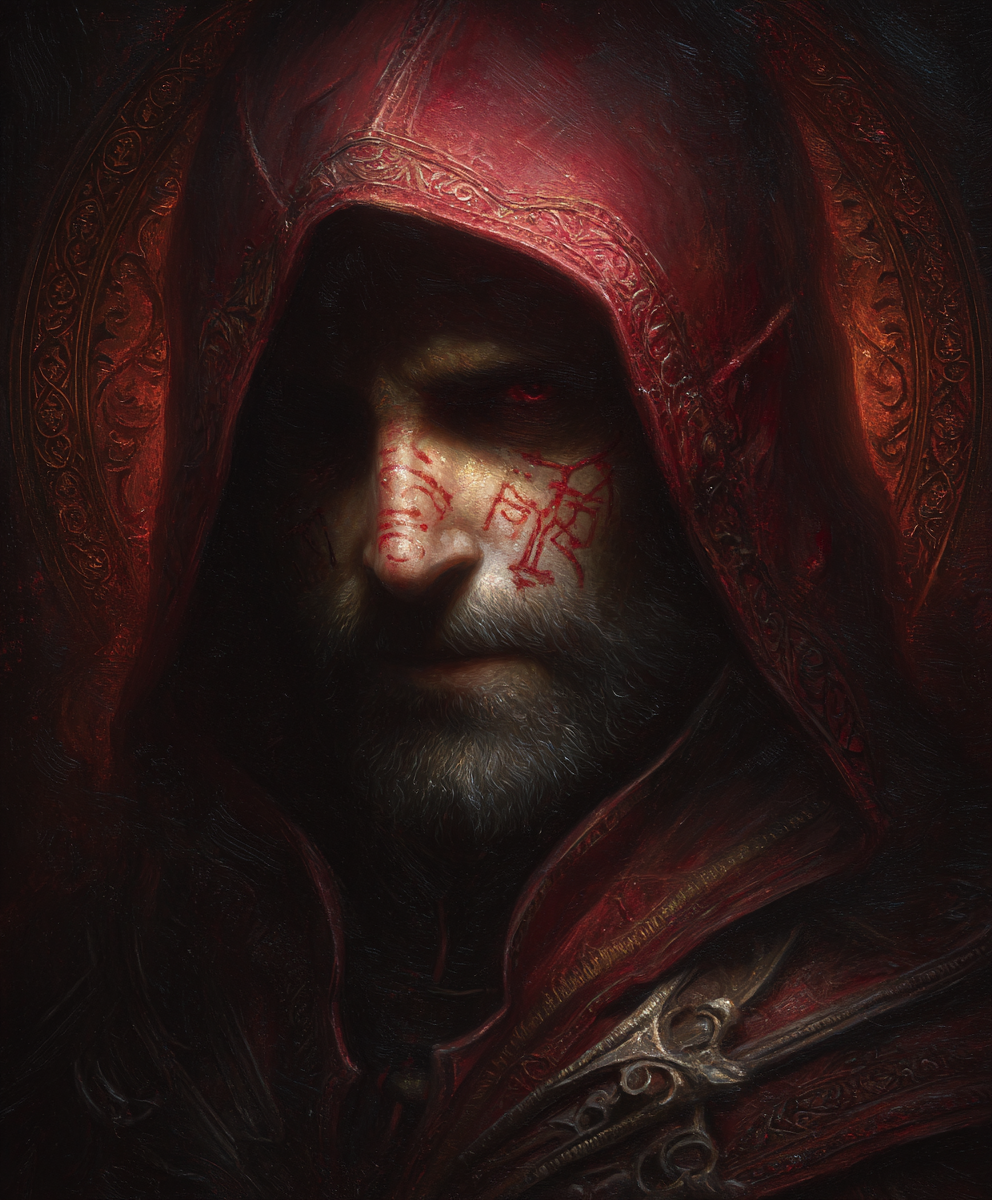
Most folk describe their methods as ruthless. Harpers see them as blunt instruments. Villagers whisper of their bloodletting rites, of eyes that glow like dying coals, and of limbs twisted by curses willingly borne.
The Order of the Lycan
Among the strangest are those of the Order of the Lycan—warriors who embrace the curse of lycanthropy not as a burden but as a weapon. A lycan blood hunter fights with fang and claw, channeling the beast within to strike down far darker things.
Of these, werebears are remembered with a kind of reluctant fondness. Gruff and solitary, yes, but known to defend fishing villages or forest hamlets with a stubborn nobility. Even common folk will raise a tankard to a “werebear guardian,” so long as its rage is aimed outward. But werewolves, wererats, and stranger breeds? Those are feared as much as the foes they stalk.
Hunter of the Sarathai Tribe, last of his people, now walks this path—a figure whose scars tell of both discipline and grief. To him, the lycan’s curse is not a loss of self but a sharpening of purpose.
The Crimson Sanctum
Every tale of blood hunters eventually circles back to the Crimson Sanctum.
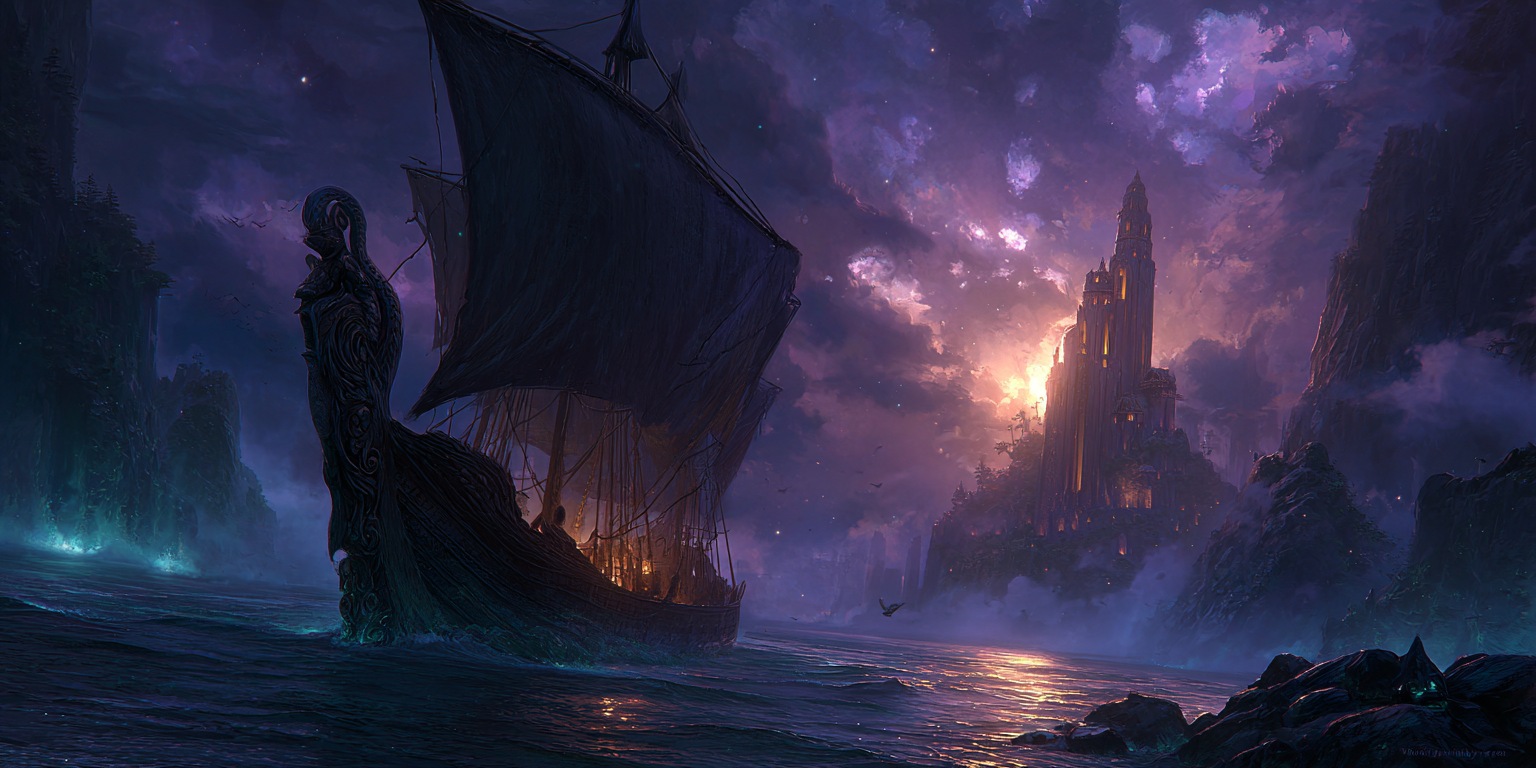
Sailors in Waterdeep claim it is a fortress adrift in the Sea of Swords, wreathed in storms and red mist. Neverwinter sages argue it exists in more than one place at once, a dimensional harbor that appears only to those who know the way. Others insist it rests upon the back of some titanic sea-beast, forever moving.
Whatever the truth, the Sanctum has endured countless assaults. Zhentarim agents, Thayan enclaves, even dragons have tried to scour it from the world—each attempt wasted. High-ranking blood hunters are said to know the path, whether by chart, rite, or whispered name.
Those who return from its halls speak of storm-wrapped corridors, sigils traced in salt, and weapons that hum with hungry silence. To many, the Crimson Sanctum is only a legend. To others—like Hunter, like the vanished Thalen —it is a promise waiting in the fog.
Ah, the Crimson Sanctum—yes, yes, I am of course familiar. I could tell you how to reach it, though I shan’t, for reasons of grave secrecy (and because certain folk there still owe me a drink). Suffice to say, the food is utterly uninspired—boiled fish, hard bread, and a lamentable absence of decent wine. Hardly worth the trouble of storm-wracked seas and ominous wards, if you ask me. Still, the company is… invigorating.

Comments