
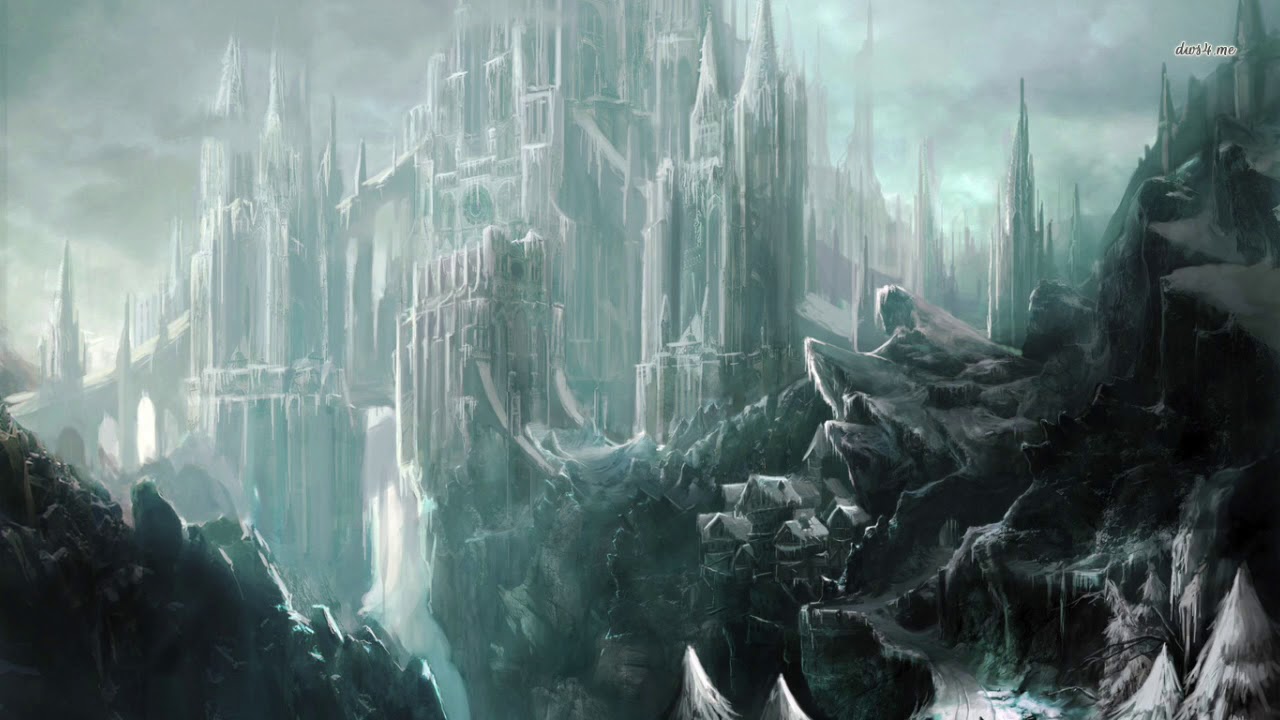
The Weight of Sorrow
The Weight of Sorrow: Grief in the Age of Ice
In a world where death is commonplace and hope is scarce, grief has become as much a part of daily life as hunger and cold. Yet the people of the Endless Winter do not grieve as their ancestors did. Thirty years without children, three decades of unrelenting cold, and the collapse of civilization have transformed mourning from private sorrow into a complex social practice that shapes how communities survive—or fail to.
Grief in Year 30 comes in many forms: grief for the dead who freeze in the wastes, grief for the children who will never be born, grief for the warm world that existed before the Day the World Broke, and grief for futures that will never arrive. Each culture and settlement has developed its own ways of carrying this weight, and these practices reveal as much about a people's will to endure as any fortification or food store.
Types of Grief
Grief for the Dead
This is the most traditional form of mourning, yet even it has been transformed by the harsh realities of the frozen world. With death so common—from frostbite, starvation, madness, or simple exhaustion—communities have had to develop efficient, practical mourning customs that don't consume precious resources.
The problem of burial: In the old world, the dead were buried in consecrated ground or cremated with proper ceremony. Now, both options are often impossible. The ground is frozen too solid to dig graves, and fuel is too precious to burn bodies. This has forced communities to improvise.
Grief for the Unborn
Perhaps the most profound grief is for the generation that never came. Every person over thirty remembers what it was like to see children playing, to hear a baby's cry, to watch the young grow. Now there is only silence where laughter should be. This is a collective grief, shared by all, and it manifests in different ways depending on one's age and outlook.
Grief for the Lost World
The Elders (those who remember the warm world clearly) carry a unique burden. They grieve for sunshine, for green growing things, for the simple comfort of warmth. Younger generations sometimes struggle to understand this grief, having only vague childhood memories or none at all.
Grief for the Future
With no children being born, there is no future to hope for in the traditional sense. Communities grieve the continuity they've lost—the sense that their work, their stories, their very existence will outlive them. This existential grief underlies much of the despair that leads to phenomena like "Walking Out."
Mourning Customs by Region and Culture
Survivor Settlements
Frost Cairns
The most common method of dealing with the dead. Bodies are carried to the edge of the settlement and stacked in designated areas, then covered with stones. These cairns grow larger each year, grim monuments to attrition. Some settlements hold brief ceremonies when adding to the cairn; others simply leave the bodies in silence.
The Remembrance Wall (Farrow's Rest)
One of the most poignant customs. A massive wall where the names of the dead are carved or painted. Families add their lost ones' names, sometimes with a brief phrase: "Died defending the walls," "Froze in the wastes," "Walked Out with honor." The wall serves as both memorial and historical record. On certain nights, people gather at the wall to speak the names aloud, ensuring the dead are not forgotten.
Ice Burial
Settlements near frozen lakes or rivers often push bodies through holes cut in the ice. This is considered more respectful than cairns, as the body is "given to the water" rather than left to slowly freeze and mummify in a pile. Some believe this helps the soul find its way to Father Death's realm.
The Last Flame
When fuel permits, some settlements hold a brief burning ceremony; not a full cremation, but a symbolic gesture. A small fire is lit, a piece of the deceased's clothing or a possession is burned, and mourners gather to share one memory of the departed. The ashes are scattered to the wind with a prayer: "May you find warmth beyond the ice."
The Frostmarked Clans
The Frostmarked have perhaps the most elaborate grief customs, born from their unique relationship with the cold.
The Vigil of Thaw
Once a year, during what the old calendars called the summer solstice, clans gather to remember not just their recent dead, but the warm world itself. They build a single precious fire and share specific, detailed memories—the smell of rain on dry earth, the taste of fresh fruit, the sound of genuine children's laughter. This is as much about grieving what was lost as honoring those who died.
Rime Names and Release
When a Frostmarked dies, their birth name (if they remember it) is spoken one final time by the shaman, then "given to the wind" in a blizzard. Their Rime Name (the name they earned in the clan) is carved into bone or stone and kept in a sacred place. The body is left on high ground, exposed to the elements, as the Frostmarked believe the spirit should return to the ice from which they came.
Songs of the Lost
The clans maintain oral traditions of songs for each type of death. There are different dirges for those who died hunting, those who were lost to Frost Madness, those who chose to Walk Out, and those who died peacefully. These songs serve as both memorial and cautionary tale.
The Order of the Last Light
The knights of the Order have codified grief into ritual, believing that disciplined mourning prevents despair.
The Flame Vigil
When a knight falls, their brothers and sisters hold a vigil through one full night. Each knight who knew the deceased keeps a small candle burning and shares one story of the fallen—preferably of their courage or sacrifice. At dawn, all candles are extinguished together, and the vigil ends with the phrase: "The light passes on."
The Empty Seat
In the great halls where knights gather, an empty chair or place setting is maintained for each knight lost. During communal meals, these places are acknowledged: "We eat for those who cannot." This ensures the dead remain part of the community in absence.
Letters to the Fallen
Some knights write letters to their deceased comrades—prayers, confessions, updates on the ongoing fight. These letters are burned in the sacred braziers, the smoke believed to carry messages to Father Death's realm.
Frost Cults
The various Frost Cults view death and grief very differently, often in ways that horrify outsiders.
The Children of Silence
This cult believes death in the cold is holy, a return to perfect stillness. When a member dies, others celebrate rather than mourn, holding festivals where they meditate in freezing conditions to "commune" with the departed. They carve ice statues of the dead, which they place in positions of honor until they melt—believing the melting represents the soul's journey.
The Brotherhood of the Long Night
This apocalyptic cult views grief as weakness and attachment to life as sin. When members die, their bodies are simply left where they fall, as the Brotherhood believes the Eternal Winter should claim all things. They actively discourage mourning, claiming it shows lack of faith in the "righteous end."
The Iron Hand Enclaves
The authoritarian settlements of the Iron Hand have systematized grief to prevent it from undermining productivity.
State Funerals
Deaths are recorded by the state. Bodies are processed efficiently—usually cremated in large communal furnaces (when fuel permits) or added to mass graves. A brief ceremony is held monthly for all who died, with names read from a list. Individual mourning is discouraged as "counterproductive."
Mandatory Continuation
Grieving family members are given exactly three days of reduced work duties, then expected to return to full productivity. Extended grief is treated as potential mental instability and may result in "reeducation."
Monument to Service
Rather than individual graves, the Iron Hand maintains single monuments listing all who died "in service to the collective." Personal remembrance is secondary to acknowledgment of contribution.
Walking Out: The Funeral of the Living
One of the most significant grief practices to emerge since the Fall is "Walking Out"—also called "Winter Walks" or "Taking the Ice."
The Practice
An individual, typically elderly but sometimes younger, decides they have nothing left to contribute or endure. They announce their intention to the community—sometimes days in advance, sometimes that very morning. They walk into the wastes to freeze to death.
The Farewell
Depending on the settlement, Walking Out may be accompanied by ceremony. In some places, the community gathers to say goodbye, share memories, and give blessings. In others, it's a quiet, private departure. Some communities give the person small tokens to carry: a lucky charm, a letter to a deceased loved one, a symbol of their faith.
Ethical Debates
Attitudes toward Walking Out vary dramatically:
- The Old: Often supported. Many elders view it as a dignified choice, a way to die on their own terms while conserving resources for the young.
- The Middle Generation: Conflicted. Can the community afford to lose experienced workers? But is it right to force someone to endure when they've lost all will?
- The Youth: Many young people see elder Walking Out as abandonment, a generation giving up when they're needed most.
Religious Perspectives
- The Order of the Last Light opposes Walking Out, viewing it as surrender to despair rather than fighting until the natural end.
- Frost Cults often encourage it, especially the Brotherhood of the Long Night, who see voluntary death in the cold as holy.
- Priests of Father Death are divided—some believe it's an individual's right to choose their end; others argue it circumvents the god's natural judgment.
- The Iron Hand explicitly forbids it, considering suicide to be theft from the state.
The Aftermath
Communities handle post-Walking Out differently. Some maintain small shrines or markers at the edge of settlements with names of those who Walked Out. Others never speak of them again, as if they never existed. The practice itself has become a barometer of a community's morale and values.
Religious Mourning Practices
Priests of Father Death
Father Death's clergy has become busier than ever. In the old world, a priest might oversee a handful of funerals per year. Now, they perform last rites almost daily.
The Last Prayer
When death is imminent or has just occurred, a priest speaks the Prayer of Passage: "Father Death, Eternal Judge, we commend this soul to your keeping. May they find peace in the Underworld, freed from the cold that claims the flesh." In areas without priests, anyone may speak these words.
The Skull Vigil
For important community members, priests may hold a vigil with a prepared skull (representing Father Death) watching over the body until it can be properly disposed of. Mourners are invited to speak to the skull, sharing confessions or final words meant for the deceased.
Day of the Dead (Traditional but Fading)
In the old world, this was a major festival where families visited graves and left offerings. Now, with no graves to visit and food too precious to waste on the dead, the custom has diminished. Some settlements still observe it by gathering at the Frost Cairns or Remembrance Walls to speak names and share memories.
Priests of the Old Faith
Other deities have grief customs too:
- The Queen of Summer's priests (now rare) lead ceremonies remembering the warm world, treating the death of summer itself as a loss to be mourned.
- Old Man Winter's priests perform ceremonies asking the god to "grant mercy to the frozen" and "accept this soul into your cold peace."
- The Seer's followers sometimes seek visions of the deceased, attempting to learn if the dead have messages for the living.
The Language of Grief
New phrases and customs have emerged around death and mourning:
Common Phrases
- "May you find warmth beyond the ice" - A blessing for the dead, hoping they've found peace beyond cold.
- "Speak their name" - An invitation to remember someone. Names spoken aloud keep the dead present.
- "Gone to the cairn" - Euphemism for death.
- "The ice took them" - Common way to describe death from exposure.
- "They saw the dawn" - Poetic way to say someone died (implying they'll never see another dawn).
- "Walking the white road" - Euphemism for Walking Out.
Gestures
- Touching foreheads: When offering condolences, people press their foreheads together—sharing warmth, sharing grief.
- The Empty Cup: At communal meals, some pour a small amount (even just drops) into an empty cup for the dead. "We drink, they do not."
- Frost-marking: Some mourners mark their faces with ash or charcoal in patterns resembling frost—visible grief that fades over days.
Grief and Mental Health
The prevalence of loss has created a mental health crisis:
Frost Madness
Extreme, untreated grief can contribute to Frost Madness—a psychological break where individuals become catatonic, violent, or delusional. Some believe the cold itself preys on grief, using it as an entry point to break minds.
Survivor's Guilt
Those who've survived when others died, especially in large catastrophes, often struggle with profound guilt. This can manifest as self-destructive behavior, inability to feel joy, or eventual Walking Out.
The Grief Spiral
A recognized phenomenon where one loss leads to inability to function, which leads to more loss (through accident, exposure, starvation), creating a downward spiral. Communities try to identify and intervene when someone enters a grief spiral, though success rates are low.
Support Networks
Some settlements have informal grief circles—groups who've suffered similar losses who gather to share their pain. Others rely on priests, shamans, or respected elders to counsel the grieving.
Children of Grief: Mourning the Future
The absence of children creates a unique, ongoing grief that never fully resolves:
Empty Nurseries
Many settlements have areas that were once schools or nurseries, now repurposed. Some communities maintain these spaces as memorials, others find them too painful and tear them down.
The Toys We Keep
Some families have preserved children's toys from 30 years ago—the last toys that will ever be used. These objects take on almost holy significance, symbols of what was lost.
Unspoken Grief
The pain of never becoming parents, never becoming grandparents, haunts the middle generation especially. Many don't speak of it, but it colors everything.
The Miracle Child
The birth of the Last Ember has reopened these wounds for many. Some see it as hope; others see it as cruel, a reminder of everything they'll never have.
Communal Grief Practices
Beyond individual mourning, communities engage in collective grief:
Story Nights
Regular gatherings where the dead are remembered through storytelling. "Let me tell you about Mara Coldhand..." These nights serve both as memorial and oral history.
The Dirge Singers
In larger settlements, some individuals specialize in singing dirges—mournful songs for the dead. They're paid in food and shelter to perform at funerals and memorial gatherings. Their repertoire includes hundreds of songs, each for different types of death.
Memory Walls
Beyond Farrow's Rest, other settlements have created their own memorial structures: carved ice walls (temporary but renewed), stone cairns with names etched in, even cloth banners sewn with the names of the dead that flutter in the wind.
Seasonal Mourning
Some communities designate specific times for collective grief—often the anniversary of the Day the World Broke, or the winter solstice (the longest, darkest night). On these days, normal work stops, and the community gathers to mourn together.
The Evolution of Grief
Mourning customs continue to evolve as the crisis extends:
Early Years (Years 0-5)
Grief was raw, desperate, often hysterical. Communities still performed traditional funerals when possible, clinging to old customs.
Middle Years (Years 6-20)
Grief became systematized and practical. Frost cairns replaced graveyards. Ceremonies shortened. Some customs were abandoned as "wasteful." Walking Out became normalized.
Recent Years (Years 21-30)
A strange numbness has set in for many. Death is so common it's sometimes barely acknowledged. Yet this numbness is its own form of grief—the death of the ability to mourn fully. Some communities are experiencing a backlash, a desperate attempt to reclaim elaborate mourning customs as a way to assert their humanity.
Notable Grief-Related Locations
The Cairn of Ten Thousand (Northern Wastes)
A massive frost cairn that has grown so large it's visible from miles away. Pilgrims sometimes journey here to add stones, making it perhaps the largest memorial in the world.
The Remembrance Wall (Farrow's Rest)
The most famous memorial wall, visited by travelers who add names of loved ones lost elsewhere.
The Garden of Frozen Tears (Rumored)
Some travelers speak of a hidden valley where ice formations resemble weeping figures—either natural phenomenon or shrine created by grieving pilgrims. Its location is unknown or perhaps mythical.
The Last Nursery (Various settlements)
Preserved children's rooms, kept exactly as they were 30 years ago, have become unofficial shrines in some communities.
Advice for Travelers
If you encounter someone in grief:
- Touch foreheads rather than embrace (warmth-sharing is intimate and appropriate).
- Speak the deceased's name if you knew them—silence is considered worse than awkward words.
- Don't say "at least..." or try to find silver linings. The people of Year 30 have no patience for false comfort.
- Offer practical help rather than emotional platitudes: "I'll take your watch shift," not "They're in a better place."
- Respect Walking Out decisions, even if you disagree. It's not your choice to make.
Related Articles
- Walking Out / Winter Walks
- Frost Cairns
- Father Death and His Priesthood
- The Day the World Broke
- Frost Madness
- The Last Ember (Miracle Child)
- Remembrance Wall of Farrow's Rest
"We grieve not just for those who died, but for those who were never born. Not just for the warm world we lost, but for the future we'll never see. In the end, we are all monuments to loss, walking cairns of sorrow, carrying the weight of every goodbye ever spoken in the endless cold."
Article Type: Cultural Practice / Social Customs
Scope: Universal (with regional variations)
Time Period: Primarily Year 0 to Present (Year 30)

Comments