
The Endless Winter
The Endless Winter
A world trapped in eternal twilight, where no child has been born in thirty years
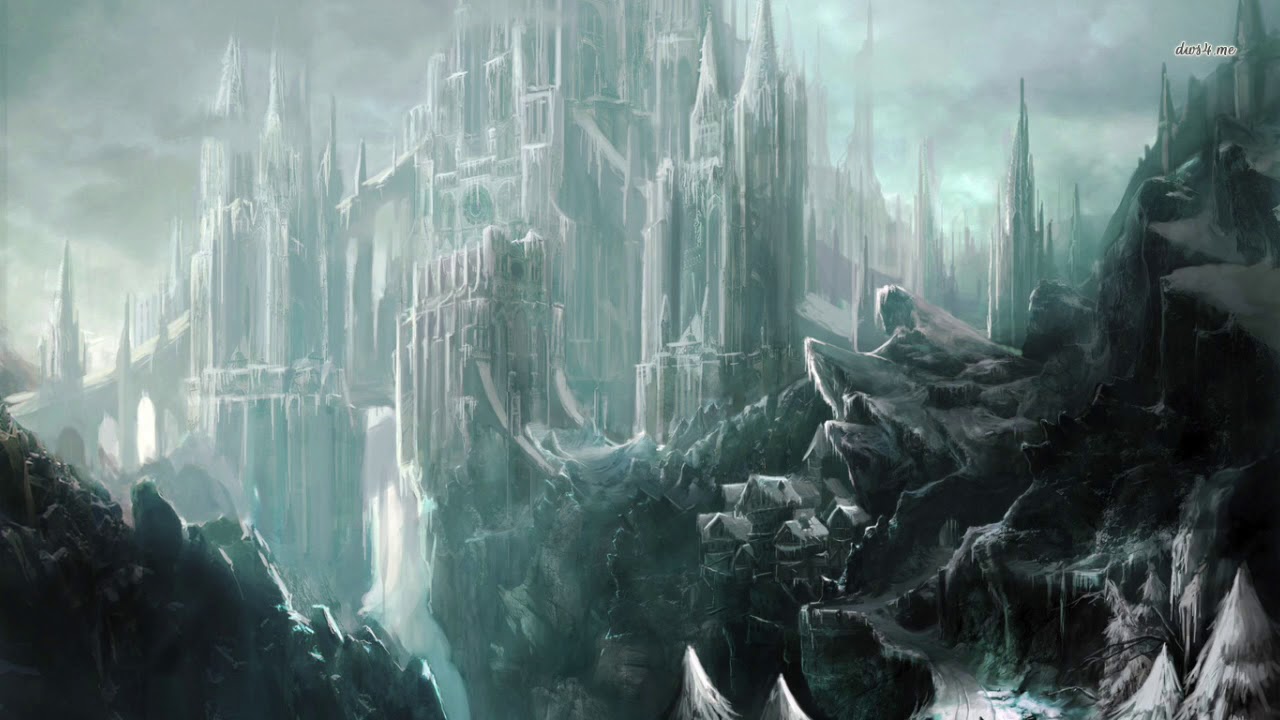
The Endless Winter is the name given to the twin catastrophes that struck the world thirty years ago, plunging it into a perpetual state of frozen twilight and absolute sterility. In a single, devastating moment known as Year Zero, two calamities struck simultaneously: a mysterious plague of sterility swept across all lands, ensuring no child would be born again, and a supernatural winter descended upon the world, bringing with it an endless night where the sun became nothing more than a weak, distant ember offering dim light but no warmth.
The world now exists in a state of terminal decline. Every death is permanent. Every settlement is one disaster away from extinction. Food, warmth, and hope are the rarest commodities, hoarded and fought over with desperate ferocity. The approximately 15-20% of the population that survived the initial catastrophe now faces a slow march toward extinction, their numbers dwindling with each passing year.
Life endures, but only through fierce competition, fragile cooperation, and an iron will to survive against impossible odds. The Endless Winter has transformed what was once a thriving world of diverse civilizations into a grim battlefield where every day is a struggle against the gnawing hunger, the bone-deep cold, and the crushing weight of knowing you may be among the last of your kind.
The World Before: A Lost Age
The Last Century of Warmth
For centuries before the collapse, humanity and its allied peoples walked under a sun that still rose and set in predictable cycles. This lost age—the world before the Childless Plague and the Endless Winter—was a time of fading glory and fragile hope. The Old Empire dominated the known world, a far-reaching realm that represented the pinnacle of mortal civilization.
At its height, the Old Empire spanned fertile lowlands, forested highlands, and shining coastal cities. Great stone roads connected city to city, patrolled by the legendary Solar Legion and bustling merchant caravans. The capital city, later to become Frosthold, was a marvel of architecture and culture, its libraries filled with accumulated knowledge from generations of scholars.
The Old Faith provided spiritual structure, with a pantheon of gods representing different aspects of existence: the World Mother (creation and life), Old Man Winter (death and cold), the Queen of Summer (warmth and growth), the Horned King (wild nature and beasts), and others. Temples dotted the landscape, and priests of various traditions maintained the spiritual health of communities.
Magic flourished under careful regulation. Mage guilds and arcane colleges trained practitioners in structured traditions, while hedge-witches and village wise-folk practiced simpler enchantments to aid their communities. The flow of magic through the world's leylines was strong and stable, powering great works and everyday conveniences alike.
The Gathering Storm (50-30 Years Before Year Zero)
In hindsight, the signs were clear, though few recognized them at the time:
Political Fragmentation
The Old Empire began to fracture into competing power centers. Regional warlords declared autonomy, civil strife flickered on and off, and the imperial throne became more symbolic prize than seat of true governance.
Climate Anomalies
Winters grew harsher year by year. Spring came later, summers grew cooler, and harvests gradually diminished. Farmers complained but attributed it to "bad years" that would eventually pass.
Mysterious Disappearances
Remote villages vanished overnight with no explanation—livestock in pens, food on tables, but no people. These early instances of what would later be recognized as the Echoing Silence went largely unnoticed by the wider world.
Fertility Decline
Stillbirth rates began to spike in scattered locations. Miscarriages became more common. These isolated tragedies weren't connected until it was too late.
The Floating Fortresses
Over several decades, the wealthiest and most powerful began constructing colossal floating citadels in the far north—massive structures held aloft by arcane crystal engines and immense magical power. These cities in the sky were built ostensibly as marvels of magical engineering, but in truth, the elite were preparing for the catastrophe they either foresaw or inadvertently caused. By the time Year Zero arrived, these fortresses had gone silent, all contact severed.
The Awakening in the North (45-35 Years Before Year Zero)
Deep beneath the ancient ice of the far northern polar regions, something stirred. Scholars from the floating fortresses, seeking ever greater power and knowledge, began excavations into the polar ice cap. They discovered ruins of a pre-human civilization and strange crystals that pulsed with cold energy. Their research inadvertently awakened something vast and ancient that had slept for eons: a primordial consciousness that craved perfect stillness and silence.
Those who noticed the early signs saw:
- Areas of permanent frost appearing where none had existed
- Strange whispers carried on northern winds
- Animals fleeing southward in unprecedented numbers
- A pervasive sense of wrongness in the air
- Compasses spinning wildly near certain glacial formations
The floating fortress scholars realized what they had done and attempted desperately to contain the awakened force, but their efforts would prove catastrophic in ways they could never have anticipated.
Year Zero: The Day the World Broke
The Twin Catastrophes Strike
On the day that would become known as Year Zero, two things happened simultaneously:
The Childless Plague
Every pregnant woman across the world either miscarried immediately or gave birth to stillness. From that moment forward, no conception was possible. The wombs of the world became barren, and the cradles fell silent. Animals, too, were affected—no creature, from the smallest mouse to the greatest bear, could reproduce.
The Descent of the Eternal Winter: At the same moment, the supernatural winter took full hold. Temperatures plummeted to levels never before recorded. The sun dimmed to a weak ember on the horizon, providing a pale twilight but no warmth. Blizzards became weekly catastrophes. Crops failed everywhere. Coastal harbors froze solid. The world entered a state of permanent polar night.
The First Years: Collapse and Chaos
The immediate aftermath was apocalyptic:
Mass Death
In the first winter alone, perhaps 30-40% of the world's population perished from exposure, starvation, violence, and despair. Cities became charnel houses. Rural villages were abandoned en masse. The weak and elderly died first, then the unprepared, then those who simply gave up hope.
Social Breakdown
The Old Empire ceased to function as a unified entity within months. Martial law, food riots, and complete isolation cascaded into the collapse of central authority. Wealth and noble titles became meaningless when a peasant who could hunt was suddenly more valuable than a lord with chests of gold.
The Sundered Oath
At the capital city of Frosthold, which possessed geothermal warmth from hot springs beneath it, a critical moment came. Tens of thousands of refugees descended on the city, fleeing the frozen countryside. The Solar Legion's high command made a terrible calculation: they had food for six months for the city's 50,000 residents, but if they admitted 20,000 refugees, everyone would starve in three months.
Commander Kaeleen Vance argued passionately that their oath was to protect the people, not just those already inside the walls. The high command ordered the main gates sealed. Vance and approximately 1,000 loyal soldiers refused the order, drew swords on their fellow Legionnaires, and forced the gates open during a bitter winter storm to allow refugees through.
This betrayal split the Solar Legion forever:
- Vance and her followers became the Order of the Last Light—wandering knights devoted to defending the desperate
- The high command purged Frosthold of dissent, renamed themselves the Iron Hand Regiment, and declared the name "Solar Legion" dead, for the sun itself was now a lie
Faction Formation
In the chaos, various groups emerged:
- Frost Cults began forming, with zealots worshiping the cold as divine judgment
- Raider bands like the Iceclaw Raiders preyed on the weak
- Survivor settlements coalesced around precious resources
- The wealthy remnants formed the Silver Company, controlling trade and commerce
The Psychological Toll
The horror of Year Zero was not just physical but existential. The world realized that humanity and all mortal races were now finite. Every death was permanent. The psychological impact was devastating:
- Widespread depression and post-traumatic stress
- An epidemic of suicides
- Mass embracing of nihilism and death cults
- Complete abandonment of long-term thinking
- The emergence of fierce generational divides
The Endless Winter: Physical Manifestations
The Dim Sun and Perpetual Twilight
The sun no longer rises and sets in any meaningful way. Instead, it remains a weak, anemic disc barely visible on the horizon, providing a dim twilight that casts long, pale shadows across the ice. The world exists in perpetual dusk—never full darkness, but never true light either.
This twilight is oppressive, grinding down on the psyche of all who endure it. The lack of true daylight causes:
- Severe depression and seasonal affective disorder (though now permanent)
- Disruption of natural sleep cycles
- Difficulty growing crops even in sheltered locations
- A pervasive sense that the world itself is slowly dying
The Killing Cold
Temperatures hover well below freezing at all times, with severe cold snaps plunging even lower. The cold is:
- Pervasive: It seeps through walls, steals the feeling from limbs, and turns breath to ice crystals
- Exhausting: The body burns through calories at an accelerated rate trying to maintain warmth
- Deadly: Exposure can kill in hours, frostbite sets in quickly, and hypothermia is a constant threat
Survival requires:
- Multiple layers of insulated clothing made from furs, leather, and scavenged textiles
- Constant access to fire and fuel (increasingly scarce)
- Shelter from wind, which makes the cold exponentially more dangerous
- Knowledge of warning signs of hypothermia and frostbite
Blizzards and Weather Patterns
Blizzards strike with frightening regularity, some lasting for days. These storms bring:
- Complete whiteout conditions with zero visibility
- Powerful winds that can knock down structures and hurl deadly debris
- Snowfall measured in feet, burying roads and buildings
- The danger of being caught outside, which is almost always fatal
Between storms, the wind never truly stops. It howls across the frozen wastes, carrying:
- A bone-deep chill that penetrates any shelter
- Strange sounds that might be weather or might be something worse
- Ice crystals that scour exposed skin
- An oppressive sense of malevolence (though whether this is psychological or supernatural is unclear)
The Frozen Landscape
The world has been transformed into an alien wonderland of ice:
Glaciers and Ice Sheets
New glaciers have formed across previously temperate regions. Massive ice sheets cover what were once forests, farmlands, and cities.
Frozen Bodies of Water
Rivers, lakes, and even parts of the ocean have frozen solid, creating strange ice highways and barriers where water once flowed freely.
Crystalline Formations
In certain areas, bizarre crystalline ice formations have emerged—towering spires of impossibly clear ice, forests of ice-needles, and valleys where crystal-like structures refract the dim light into eerie rainbows.
Ruins Preserved in Ice
Towns, cities, and settlements that were abandoned in the early years are now encased in ice like insects in amber, frozen tableaux of the moment they were abandoned.
Scarcity of Resources
The Endless Winter has created an age of absolute scarcity:
Food
- Agriculture is nearly impossible; only the most sheltered valleys with geothermal heat can support crops
- Hunting is difficult as most animals have died or migrated away
- Ice fishing in frozen lakes provides some sustenance
- Preserved foods from the before times are priceless
- Desperation has led to unspeakable acts, including cannibalism in some regions
Fuel
- Wood is scarce; many forests are buried under ice or have been stripped bare
- Coal and peat are valuable beyond measure
- Scavenged furniture, books, and even houses are burned for warmth
- Magical heat sources are jealously guarded
- Some settlements fight wars over fuel supplies
Shelter
- Intact buildings are precious and often disputed
- Many people live in ruins, caves, or makeshift shelters
- Insulation is critical; a drafty shelter is a death sentence
- Geothermal locations are worth their weight in gold
The Childless Plague: A World Without Tomorrow
The Silence of Empty Cradles
The sterility plague struck universally and absolutely. On the day it began:
- Every pregnant woman lost her child
- No new conception became possible for any living being
- The biological imperative to reproduce simply... stopped
This affected not just humans but every living creature. Animals no longer breed. No eggs hatch. No seeds sprout. The very concept of reproduction has been excised from the world.
The Psychological Horror
The childless plague creates a unique form of existential horror:
For Those Over 45
They remember the before times. They remember children, families, and the assumption of continuity. Their grief is tangible and profound. Every day is a reminder of what they've lost—the chance to be grandparents, to see their bloodlines continue, to leave a legacy beyond their own lifetime.
For Those Over 35
They were children when it happened. They remember a world with babies and young children, but their entire adult lives have been spent in this silent, dying world. They are the bridge generation—old enough to remember but young enough to have adapted to the new reality.
For Those Around 30
They have never known any other world. The concept of pregnancy, childbirth, and babies is alien to them—something from elder's fairy tales. They have no grief for what they never experienced, but they also have no hope, no concept of a future beyond their own mortality.
The Generational Divide
The plague has created a stark divide between generations:
The Elders (45+)
Carry the grief of lost futures. Often cling to old traditions and ways of thinking. Sometimes paralyzed by nostalgia and depression. But also preserve crucial knowledge and wisdom.
The Middle Generation (35-45)
The pragmatists. They remember enough to grieve but have adapted enough to function. Often emerge as leaders, balancing harsh survival instincts with vestiges of old-world morality.
The Young (30-35)
Born right before the world died. Brutal pragmatism is their default. Often lack education, culture, or knowledge of "civilized" behavior. Can be both frighteningly ruthless and surprisingly innovative. To them, mercy is a luxury that kills, and compassion is a weakness that gets you killed.
Social Collapse
The knowledge that there is no future has devastated social structures:
- Long-term planning becomes meaningless
- Education is seen as wasteful (why teach someone who won't teach the next generation?)
- Cultural traditions die as those who remember them pass away
- Marriage and family bonds lose their meaning
- Some embrace hedonism; if there's no tomorrow, why not indulge today?
- Others embrace violent nihilism or fanatical religious movements
The Peoples of the Dying World
Five main ancestries share this frozen world, each with fundamentally different relationships to the twin crises:
Humans: The Fractured Survivors
Humans remain the most numerous of the dwindling peoples, forming the backbone of what little civilization persists. They are the most versatile survivors, found in every role from fierce tribal hunters to scholarly librarians hoarding ancient knowledge.
Relationship to the Crises
Humans fight both the cold and mourn the silence. They lack any innate resistance to the conditions but make up for it with adaptability and determination. The generational divide is most pronounced among humans, with stark differences between those who remember the old world and those born into the frozen waste.
Cultural Diversity
Human survivors range from remnants of the Old Empire maintaining ancient laws and traditions, to savage frontier tribes who have abandoned civilization entirely, to pragmatic merchants and traders who see opportunity in disaster.
Current Status
Declining steadily. Every settlement faces the calculus of dwindling numbers. Humans know their time is limited and react to this knowledge in countless different ways.
The Frostmarked: Children of Ice
The Frostmarked are humans who have been transformed by deep exposure to the supernatural cold. Their skin takes on a pale, bluish or white hue, their eyes become crystalline, and hoarfrost forms on their hair and eyelashes. They possess an otherworldly, haunting beauty—like living ice sculptures.
Origin
Most Frostmarked have been transformed during the calamities or in the years since. The transformation can happen through:
- Prolonged exposure to the deepest cold
- Surviving what should have been fatal hypothermia
- Deliberate rituals involving ice magic
- Being born to parents already transformed (though no new births means this is rare)
Relationship to the Crises
The cold is not a curse to them but their natural element. They are immune to normal cold, need little food or sleep, and can see perfectly in the dim twilight. However, they are vulnerable to heat and fire, which can cause them agonizing pain. The sterility plague affects them no differently than other living beings—they too cannot reproduce.
Cultural Role
The Frostmarked often become scouts, rangers, and warriors for human settlements, venturing into conditions that would kill normal humans. Some form their own nomadic clans, wandering the deepest wastes. Others are feared and shunned as reminders of the world's unnatural state.
Spiritual Connection
Many Frostmarked claim to hear "the voice of winter" in the howling winds, giving them an uncanny ability to predict storms or navigate through blizzards. Whether this is supernatural or simply acute environmental awareness is debated.
The Soultorn: Death's Refugees
The Soultorn are beings who died but did not remain dead. They are neither fully alive nor completely undead—caught in a liminal state between existence and oblivion. Their flesh is corpse-cold to the touch, they glow faintly in darkness, and they no longer need to eat, sleep, or breathe. Animals panic in their presence, sensing the fundamental wrongness of their existence.
Origin
Each Soultorn has their own story of death and impossible return:
- A warrior who froze to death on a battlefield and woke in the morning
- A plague victim who clawed out of a mass grave
- A ritual gone catastrophically wrong that tore someone between life and death
- Someone who simply refused to die when they should have
Most Soultorn died during the collapse or in the early years of the Endless Winter. The exact mechanism of their return is not understood, but it seems tied to the magical corruption now saturating the world.
Relationship to the Crises
The Soultorn exist entirely outside the biological struggle. They don't feel the cold, don't need food, and the sterility plague is irrelevant to beings that can't reproduce anyway. Their immortality gives them a detached, almost philosophical perspective on the slow extinction of the living races. Some find this liberating; others are tormented by eternal existence in a dying world.
Social Status
The Soultorn are almost universally feared and shunned. Most mortals cannot overcome the primal revulsion they inspire. They are often mistaken for malevolent undead and attacked on sight. This forces many Soultorn into isolation or to hide their nature behind heavy robes and masks.
Powers and Limitations
Soultorn can perform feats of endurance impossible for living beings—going for weeks without rest, surviving wounds that would kill others—but they are vulnerable to holy magic and consecrated weapons, which burn them like acid. Many slowly accumulate magical corruption over time, as the dark energies that sustain them taint their souls.
The Glasgrim: The Crystal Enigmas
The Glasgrim are ancient, inhuman beings whose bodies are composed of crystalline flesh—translucent or faceted crystal lattice intermingled with organic matter. They are typically tall (7-8 feet), slender, and unnaturally graceful, with faceted faces that don't show expression like humans would. Their bodies glow faintly with inner light and refract illumination into rainbow shards. Their voices carry a resonant, bell-like echo.
Origin
The Glasgrim predate current civilizations, emerging from the great glaciers or deep places of the earth in ages past. Even they don't fully understand their own origins—whether they evolved naturally, were created by ancient magic, or crystallized from pure elemental forces.
Pre-Fall Society
Before the Endless Winter, Glasgrim maintained hidden enclaves in crystal grottos carved into living mineral formations, ice caves where the boundary between elemental and material was thin, and subterranean cities decorated with crystalline growths and arcane runes. These sanctums were centers of magical research and preservation of primordial secrets.
Current Status
After the Frost, many Glasgrim enclaves were abandoned or destroyed. Very few remain active, and those that do are extremely secretive. Most Glasgrim now wander alone, searching for remnants of their people's knowledge or seeking new purpose among the younger races.
Relationship to the Crises
The cold doesn't bother them at all; they're actually more comfortable in it. The sterility plague is tragic to them but not existential; Glasgrim reproduce extremely slowly anyway (perhaps once every few centuries). What troubles the eldest Glasgrim is that they remember ages of ice and warmth in cycles throughout history, but nothing like the Endless Winter. This winter is fundamentally different, unnatural in a way that frightens even immortal beings.
Magical Nature
Arcane energy courses through Glasgrim bodies like blood. They are inherently magical creatures, with even untrained Glasgrim manifesting minor abilities like emitting light, minor telekinesis, or communing with elemental forces. They can use their own bodies as arcane foci, channeling spells through the crystal of their limbs. However, powerful magic can cause them painful fractures or permanent scars.
Physical Traits
Glasgrim are resistant to piercing weapons (blades glance off faceted limbs) but vulnerable to blunt force trauma (can crack or shatter), falls from height, and sonic attacks (vibrations create harmful resonances). Many wear flowing robes or padding to cushion blows and hide fragile joints.
Cultural Practices
When Glasgrim form communities, they establish sanctums decorated with crystalline growths and arcane runes. Their society is based on "resonance" rather than hierarchy—Glasgrim who resonate harmoniously work together naturally. They speak little, listen much, and keep emotions inscrutable. When they do speak, it's often with the weight of centuries behind their words.
Lifespan
Glasgrim are functionally immortal if not destroyed. A 500-year-old Glasgrim is not uncommon, and some may be far older. The youngest adult Glasgrim (100-200 years old) remember the Empire's golden age. Glasgrim elders remember the world before humans built empires.
The Emberforged: The Stone Sentinels
The Emberforged are not born but built—hulking humanoid figures of black iron, wood and stone, standing 6-8 feet tall. They were crafted in the great forges of the old world, animated by a sacred flame that glows like a hot coal deep within their chests, visible through seams in their armored plating. Their eyes glow with the same inner fire, and wisps of steam sometimes vent from gaps in their construction.
Creation
With the great forges of the old world lost to time and the knowledge of their creation largely forgotten, no new Emberforged have been made in living memory. The few who remain are ancient relics, wanderers whose original purpose died with their creators.
Design Variations
Emberforged come in various designs based on their intended purpose:
- Massive guardian models built for combat and protection
- Sleek courier models designed for speed and endurance
- Scholarly models created to preserve knowledge and assist mages
- Labor models built for heavy construction and forge work
Relationship to the Crises
Emberforged exist entirely outside the biological struggle. They are immune to cold, hunger, exhaustion, and disease. The sterility plague is irrelevant to constructs that were never "born" in any traditional sense. Their immortality and immunity make them ideal protectors and tireless workers, but their inhuman nature inspires both awe and fear.
The Inner Flame
The flame within each Emberforged is their literal life force—a magical enchantment that animates their constructed form. If the flame is extinguished, the Emberforged "dies," becoming an inert statue. The flame requires no fuel in the traditional sense but can be diminished by powerful counter-magic or specific enchantments. Some Emberforged can dim or brighten their flames at will, trading power for efficiency.
Social Status
Emberforged are viewed with mixed reactions:
- In some communities, they're called "cinder devils" and driven off as soulless machines
- In others, they're welcomed as powerful, unflagging defenders
- Some settlements are entirely dependent on their few Emberforged residents
- Scholars and mages often seek them out, hoping to learn the secrets of their construction
Psychology and Memory
Emberforged don't have childhood memories—they "awakened" fully formed with knowledge implanted by their creators. They remember their creation and their purpose. Older Emberforged (built 200+ years ago) remember serving ancient masters, guarding fortresses, hauling ore, protecting families. They approach memory as archival records: clear, precise, but lacking the emotional context living beings attach to events.
The Question of Souls
Whether Emberforged possess true souls is a matter of theological debate. Some priests claim they're simply animated matter, while others argue that any being with consciousness and free will must have a soul. Emberforged themselves have varying opinions on the matter.
Factions of the Frozen World
The Order of the Last Light
Wandering knights in fur-lined plate armor etched with sun motifs, the Order of the Last Light are idealistic defenders of the weak in a world that has forgotten mercy. They are the fractured remnant of the Solar Legion who refused to abandon the refugees at Frosthold's gates.
Philosophy
They believe in a prophecy that "the dawn will come again" and see themselves as guardians until that prophesied moment. Their faith is almost fanatical—they must believe in hope because without it, there is only despair. They greet others with "May you walk in light until the dawn."
Structure
- Led by High Commander Lisbet Vance, the daughter of Kaeleen Vance
- Still advised by Commander Honorarium Kaeleen Vance (now in her late 60s), one of the last who remember the Sundered Oath, as well as her daughter,
- Organized in small companies of 5-15 knights who patrol vast territories
- Answer only to their own commanders and sacred creed, not local authorities
- Recruits come from all ancestries, united by shared ideals
Activities
- Escort caravans between settlements
- Hunt particularly dangerous monsters
- Defend villages from raiders
- Provide aid to desperate survivors
- Seek out and destroy Frost Cults
Reputation
- To free settlements like Farrow's Rest: heroic saviors
- To pragmatic leaders: dangerous idealists who will get people killed
- To the Iron Hand: traitors and oath-breakers
- To Frost Cults: sworn mortal enemies
Relations
- Bitter cold war with the Iron Hand Regiment
- Uneasy cooperation with survivor settlements
- Allied with the Silver Company when convenient
- Absolutely hostile to any Frost Cult
The Iron Hand Regiment
Descended from the Solar Legion's high command who sealed Frosthold's gates, the Iron Hand Regiment is a quasi-fascist military state that prioritizes order and survival above all else. Their symbol is a stark white fist on black armor.
Philosophy
"Strength is Order. Order is Life." They believe only absolute control and ruthless efficiency can defeat the endless winter. Mercy and freedom are luxuries for a warm world. The sun was a lie that promised false hope—only cold pragmatism offers real survival.
Structure
- Ruled by the Iron Council and Lord-Commander Valerius (an aging veteran of the Sundered Oath)
- Based in Frosthold, a fortress-city with geothermal power
- Citizens are ranked in a strict military hierarchy
- Three primary divisions:
- Reclamation Division: Annexes territories and secures resources
- Forge Wardens: Operate the geothermal forges and industrial infrastructure
- Judgment Division: Internal security and enforcement of law
Activities
- Annexing smaller settlements under their harsh rule
- Strip-mining vassal territories for resources to feed Frosthold's forges
- Hunting deserters and dissidents
- Seeking to capture "the Last Ember" for study and control
- Engaging in cold war with the Order of the Last Light
Frosthold
- Built around geothermal vents providing constant heat and power
- Multi-level hydroponic farms produce nutrient paste for citizens
- Massive forges create tools, weapons, and maintain infrastructure
- Grim, identical housing towers for the citizen-soldiers
- Heavily fortified gates process raw materials from vassal territories
- Life is spartan but guaranteed: always food, always warmth, always order
Reputation
- To their citizens: harsh but secure—better than dying in the snow
- To annexed settlements: oppressive tyrants
- To the Order of the Last Light: the enemy of everything they stand for
- To free settlements: a threat as dangerous as the winter itself
Dark Secret
Many in the Regiment harbor resentment toward the floating fortress elite who abandoned the ground-dwellers to die. They seek the Last Ember partly to prove they don't need the fortress scholars—that ground-based order can surpass those who betrayed them.
Internal Dissent
A secret faction of younger officers and Forge Wardens, led by Centurion Marius, believes the Regiment's brutal methods are unsustainable and will eventually provoke an uprising they cannot contain. They may seek outside allies to reform the Regiment from within.
The Silver Company
A commercial empire built on the ruins of the old world's economy, the Silver Company is the third splinter of the Solar Legion—the quartermasters and paymasters who chose profit over ideology.
Philosophy
They turned the apocalypse into a business model. In a world of broken oaths and worthless currency, they offer one thing: guaranteed payment in pure, standardized silver for all contracted work (the "Iron Charter"). They don't aim to save or rule the world, but to own it by controlling its last remaining currency—trust.
Structure
- Led by a shadowy figure known only as "The Registrar"
- Operates from secure trade outposts across the wastes
- Employs the best soldiers, artisans, and specialists from all ancestries
- Particularly values Emberforged (tireless, immune to cold) and Soultorn (deathless agents)
Activities
- Maintaining secure trade routes
- Issuing high-interest loans to desperate settlements
- Mercenary contracts (neutral to all sides)
- Banking and currency exchange
- Information brokerage
- Contract enforcement and arbitration
Business Model
- They profit from chaos without creating it themselves
- Maintain careful neutrality between the Order and Iron Hand
- Finance all sides of conflicts to ensure they always win
- Control access to vital trade goods and services
- Transform settlements into debt-dependencies
Reputation
- Reliable but expensive
- Neutral and professional
- Will honor contracts to the letter (but not the spirit)
- More loyal to silver than any cause
- Ruthless debt collectors
The Children of Silence (Frost Cult)
Public Knowledge
A fanatical cult that worships the Eternal Winter itself. They are driven by terrifying madness, devotion to the cold that defies all reason. Initiates meditate naked in blizzards, courting frostbite as a sign of faith. They replace one eye with a shard of enchanted ice, supposedly allowing them to "see the world as the Frost does"—lifeless and still.
Reputation
- Inextricably linked to the Echoing Silence phenomenon
- Sworn mortal enemies of the Order of the Last Light
- Believed to be seeking the Last Ember for some horrific sacrifice
- Rumors say they don't speak, having cut out their own tongues
- Some claim they aren't born but made—souls reborn from the Echoing Silence
Known Activities
- Horrific rites of devotion in the deepest cold
- Possible creation or summoning of Echoing Silence events
- Hunting for something related to the newborn child
- Operating from hidden monasteries in remote, frozen locations
Observed Traits
- Possess unnatural resistance to cold
- Pale, waxy skin often blackened with necrosis
- Move with eerie silence
- Radiate an aura of wrongness that disturbs animals
- Seem impervious to normal pain
Survivor Settlements
Scattered across the frozen wastes are independent communities that have pledged allegiance to no faction:
High Hearth
A fortress-town built around a geothermal vent, providing precious warmth. Governed by a draconian rationing system where theft of food is punished by exile. Gates closed to outsiders. A relative paradise but with harsh laws. Population: ~2,000.
Farrow's Rest
A ramshackle community inside the rusting hull of a crashed sky-ship. They have little but welcome travelers freely, believing community is the only shield against the cold. More chaotic than High Hearth but with a beating heart of compassion. Population: ~500.
Winter's Retreat
A fortified university where a scholarly "Librarian-King" hoards knowledge, bartering it for supplies. A stark divide exists between scholars who eat first and laborers who eat last. Preserving the old world's wisdom but at moral cost. Population: ~800.
Blackrock Mines
A mining community extracting coal and minerals. Dangerous, dirty work but access to critical fuel. Governed by a rough council of shift foremen. Contested territory—both the Order and Iron Hand want control. Population: ~600.
The Frostmarked Clans
Nomadic groups of Frostmarked wandering the deepest wastes. They trade with settlements occasionally but prefer the isolation of the deep cold. Population: ~200 across multiple clans.
Phenomena of the Frozen World
The Echoing Silence
A supernatural phenomenon where a settlement is suddenly overcome by an unnatural quiet, followed by maddening whispers and phantom sounds. The affliction drives inhabitants to madness, violence, or to simply wander into the snow and vanish.
Effects on Victims
- Initial phase: An eerie quiet falls over the area
- Second phase: Disembodied whispers begin, seeming to come from everywhere and nowhere
- Third phase: Phantom sounds—footsteps with no maker, doors slamming in empty buildings, voices of the dead
- Final phase: Total psychological breakdown—violence, self-harm, or catatonic wandering into the snow
Known Incidents
- Hallowdell: The first recorded major incident, thirty years ago
- Dozens of smaller settlements have been consumed since
- Some ruins of affected settlements become permanent "dead zones" where the whispers never stop
Public Theories
- A magical disease spreading through communities
- Punishment from the gods for unknown sins
- Weapon created by the Children of Silence (widely believed)
- Failed magic from desperate attempts to reverse the catastrophe
Survival
A handful of people from affected settlements have survived, but they are permanently changed—often withdrawn, speaking in whispers, and prone to episodes where they seem to hear things others cannot.
Crystal Valleys
Certain valleys have become crystalline wonderlands where ice has formed into vast, transparent structures. Light refracts through these formations in eerie rainbows and strange optical effects. Some survivors report that being surrounded by the crystals can cause hallucinations—seeing figures in reflections that aren't there, hearing voices in the way light bends through the ice.
Dangers include:
- Snow blindness from reflected light
- Intense cold magnified by the crystals
- Crystal golems that attack intruders
- Risk of shattering crystals creating deadly shards
Permanent Blizzards
Certain regions have fallen into states of permanent storm. These areas, called "The Shrieking Wastes," are death to travel through. Winds exceeding 100 miles per hour carry ice shards like razors. Visibility is zero. Temperatures are far below any measured before the Frost. Few who enter these regions ever return, and those who do speak of:
- Shapes moving in the white-out
- Voices crying for help that lead travelers in circles
- A sense of malevolent intelligence in the storm itself
- Visions of frozen figures that might be statues or might be people
Frozen Tableaux
Across the wastes are scenes preserved perfectly in ice:
- A caravan frozen mid-journey, traders and pack animals locked in crystal
- A village square where people stopped mid-conversation
- Battlefields where armies fell and froze in fighting stances
- Families preserved in their homes, eternal still-lifes of the moment the deepest cold took them
Some of these frozen figures show signs of awareness—eyes that follow movement, subtle shifts in position when not observed directly. Whether this is trick of light and ice or something more disturbing is debated.
Magic in the Dying World
The Corruption of Magic
Magic itself has become tainted since the Endless Winter began. The awakening of the primordial entity poisoned the very essence of arcane power flowing through the world. In the decade before Year Zero, mages recorded odd phenomena: spells misfiring, warped effects, sudden chills in leyline nexuses, and increases in supernatural occurrences like hauntings and curses.
After Year Zero, magic truly became dangerous:
- Spells often have unintended side effects
- Powerful magic can create zones of permanent curse or corruption
- Failed rituals have catastrophic consequences
- Magic users slowly accumulate "corruption"—physical and spiritual taint
Signs of Corruption
- Hair falling out in patches
- Skin taking on unnatural textures or colors
- Eyes changing to inhuman hues (green, purple, solid black)
- Fingernails becoming claw-like
- Strange growths or crystalline formations on the body
- Psychological changes—paranoia, sociopathy, megalomania
- Attraction to dark powers and forbidden knowledge
Magic by Ancestry
Humans
Most versatile but vulnerable. Can learn any tradition but risk corruption more quickly. Hedge-witches and charm-sellers offer minor spells for protection against cold. Scholarly mages are rare and risk persecution in some settlements.
Frostmarked
Natural affinity for ice and cold magic. Shamans commune with winter spirits. Relatively resistant to frost-based corruption but vulnerable to corruption from fire or life magic.
Soultorn
Already partially damned, so less afraid of corruption in some ways ("what more can the darkness take from me?"). Often dip into dark arts—necromancy, curse magic, shadow magic. Repelled by holy magic, which burns them.
Glasgrim
Born mages. Cast spells naturally, using their bodies as arcane foci. Follow structured traditions from their enclaves—illusions, elemental manipulation, telepathy. Must be careful not to shatter themselves with power.
Emberforged
Rare spellcasters. Those who pursue magic focus on fire magic or enchantment of objects. Use their inner flame to fuel spells. Have runes engraved inside their construction for calculating spell formulas.
Religious Magic
Priests of various faiths can still channel divine power, though it's weakened:
Old Faith
Priests of the traditional pantheon (World Mother, Old Man Winter, Queen of Summer, etc.) can still perform minor miracles, but their power has waned. Many question if the gods abandoned them or are simply too weak to help.
Cult of the New God
A monotheistic movement that gained followers in the empire's last century. Their priests claim their singular god will save the faithful, though evidence is lacking. Some settlements have banned their proselytizing, while others have embraced it desperately.
Death Cults and Frost Cults: Disturbingly, priests of death gods and those who worship the Endless Winter itself seem to have maintained or even increased their power. This has led to a surge in dark worship, as people turn to gods who seem to actually answer.
Daily Life in the Endless Winter
Survival Basics
Warmth
The primary concern of every waking moment. People wear multiple layers: base layer of insulation, middle layers of furs, outer layer of wind-breaking leather or treated hide. Most keep a fire going constantly. Geothermal locations are priceless. Body heat is shared—people sleep huddled together. Lone travelers often freeze to death in their sleep.
Food
- Ice fishing: drilling through thick ice to fish below
- Mushroom farming: in caves and cellars
- Hunting: dangerous and often unsuccessful
- Preserved foods from before: worth more than gold
- Rationing: every community has strict systems
- Scavenging: abandoned settlements still have buried caches
- Dark alternatives: some have turned to eating the dead
Water
Abundant (as snow and ice) but requires fuel to melt. Eating snow directly causes dangerous body temperature drops.
Shelter
Any structure with walls and a roof is valuable. Insulation is critical—drafts kill. People pack snow around building foundations for extra insulation. Windows are sealed with whatever is available. Many live underground where earth provides some insulation.
Social Dynamics
Trust is Rare
In a world of scarcity, trusting strangers can be fatal. Settlements are closed to outsiders. Travelers are viewed with suspicion. Theft is punished harshly—often with exile, which is a death sentence.
Community Bonds
Within established communities, bonds are fierce. People know their survival depends on cooperation. Shared hardship creates deep connections. Betraying your community is the worst possible crime.
Generational Tension
- Elders remember the old world but struggle to adapt
- Middle generation bridges the gap but is exhausted
- Youth have adapted but lack the old world's knowledge and culture
Loss of Culture
Much of the old world's culture is dying. Music, art, literature, theater, all are seen as luxuries. Oral traditions are maintained, but literacy is declining. Skilled crafts are being lost as masters die without apprentices.
Mental Health Crisis
Depression, PTSD, and various trauma responses are universal. Suicide is common. Some settlements have developed support systems; others simply accept it as inevitable.
Law and Justice
Each settlement has its own approach:
- High Hearth: Draconian rationing and harsh exile for theft
- Farrow's Rest: Loose rules with community consensus
- Iron Hand territories: Military law with absolute obedience
- Nomadic clans: Traditional tribal justice
- Many places: Simple trial by combat or elder council
Common Crimes:
- Theft (especially of food or fuel): most serious offense
- Murder: surprisingly less common—death is so prevalent that killing seems redundant
- Hoarding: hiding resources from the community
- Desertion: leaving your community when they need you
Common Punishments:
- Exile: death sentence in another form
- Rationing cuts: hungry and cold but alive
- Hard labor: mining, ice-breaking, other dangerous work
- Public shaming: in small communities, reputation is everything
- Execution: rare, as it wastes potential labor
Entertainment and Morale
Despite everything, humans need more than survival:
- Storytelling: Tales of the old world, legends, rumors
- Alcohol: Produced from scavenged ingredients, precious and valuable
- Games: Dice, cards, board games fashioned from scraps
- Music: Rare but precious—a single musician can boost morale immensely
- Festivals: Some communities maintain old holy days, others create new ones
- Sex and Companionship: Still important for mental health and pair bonding, though the inability to conceive has changed its meaning
The Last Ember: A Crack in the Silence
Thirty years after Year Zero, the impossible has happened: a child has been born. A woman named Seren, daughter of the floating fortress elite, gave birth to a boy called Elian in a small settlement. This single birth has sent shockwaves through every faction:
To the Desperate: Hope incarnate—proof that the curse can be broken
To the Pragmatic: A research subject that could unlock the secret of reversing the sterility plague
To the Nihilistic: A threat to the acceptance they've built around inevitable extinction
To Frost Cults: The first crack in the perfect silence—a cosmic disease that must be extinguished
To Factions: A prize worth any cost, a weapon to control the future
The child's existence has become the catalyst for the greatest conflicts and alliances the frozen world has seen in thirty years. Every major faction now moves with purpose, each with their own vision of what the Last Ember represents and what should be done with him.

Comments