

Humans
The Humans of Ki are a younger species entering into these lands only 2000 years ago, in massive wave of migration that only ended recently. These various migrations brought an array of diverse human groups who settled throughout all corners of the Land of Ki. Humans are said to possess remarkable adaptability and resilience as many group groups went from nomadic wondering tribes inhabiting the harsh lands outside of Ki to forging powerful and prosperous kingdoms. Their history is one of migration, innovation and conflict as they put their mark on the ancient arcane Land of Ki. Humans are a remarkably diverse species with various ancestral ethnic groups that have now divided into multiple sub ethnic and cultural groups. The original four migratory groups were the Sudar (Koptites, Turybians, Keshabalites, Jeban), Chemites (Akkardians, Halraates, Narmeans) Injra-Nayas ( Mittites, Cytashians, Aryaas) and the Heilosians (Dorcieans), with the newly arrived Sea Peoples including Humans that originate from the far northern lands of Thraike.
Civilization and Culture
Major Organizations
There have been numerous Kingdoms and Empires of Human origin throughout history. currently the major human states are the Kingdom of Asyaria, Kingdom of Bablani, Kingdom of Kaldini and the Mittite Empire. Furthermore, there are numerous independent Halraate city states, the small Kingdom of Keshabal and the Elven ruled but majority human New Phari Kingdom of Kemit.
Major Language Groups and Dialects
Many, many human languages exist within the Land of Ki however the major languages are Akkardian, Kemitish, and Yamnash. Akkardian is the language of the Akkardians, a Chemitic language in origin it has been heavily influeced by the Elven Eriq language and is currently considered the most spoken language in all of Ki. Kemetish is the major language spoken in Kemit with it being a creole language combining old Eriq and the various languages of the ancestors of the Koptites. Yamnash is a western dialect of the Injra-Nayas language and is the primary language of the Mittites and its Empire.
Culture and Cultural Heritage
Humans are considered the most diverse species in the Land of Ki and therefore are known to have various cultural heritages and traditions. These groups include
Sudar Humans
Koptites: Descendants of Sudar humans who integrated into the Phari kingdom, they are closely tied to Kemitic culture and often serve in the Pharaoh's armies. They are known for their agricultural skills and their role in the governing of Kemit.
Turybians: Inhabiting the western regions of outer Kemit, they are known for their warlike nature and are often employed as mercenaries. They are known to be devout followers of a war god.
Keshabalites: Residing in the south of Kemit, they have established their own independent kingdom. They are known to harborers of powerful magic and knowledge. While isolationist they maintain connections with the peoples of Kemit and the Pharaohs.
Jeban: located in the far south in the savannahs of outer Kemit, they are known for their fierce warlike pastoralist communities. The Jeban are said the practice blood magic and vampiric like rituals.
Chemites.
Akkadians: Settling in Musmer, they assimilated Elven culture and built powerful empires. Known for their advanced civilization, city-building, and complex social structures, they left a lasting impact on the region.
Halraates: More insular and zealous, they rejected much of Elven influence, forging their own path. Characterized by strong religious beliefs and an independent spirit, they often engaged in infighting among their city-states.
Narmeans: Remaining nomadic, they clung to their traditional ways in the harsh southern deserts. Known for their resilience in the face of harsh conditions, they are skilled raiders and traders.
Injra-Nayas
Mittites: The dominant Injra-Nayas clan, they established the Mittite Empire and are renowned for their horse-riding skills and military prowess. They brought significant changes to the landscape of Ki.
Cytashians: A group of Injra-Nayas who settled in the eastern regions, maintaining a more nomadic lifestyle. They are known for their traders and pastoral traditions.
Aryaas: Another group of Injra-Nayas who settled far to the east, developing their own unique caste-based culture. They are known for their distinct darker traditions and customs, separate from the other Injra-Nayas groups.
Heilosians
Dorcieans: Migrating from unknown northern lands they conquered the dwarven kingdom of Kret, becoming a maritime power. Known for their seafaring skills, philosophers and warrior culture, they integrated the Kretite dwarves into their society.
Sea Peoples
Hailing from the frozen northern lands of Thraike, they are fierce warriors, powerful druids and skilled navigators with some afflicted with lycanthropy. They have established a foothold in the isles of Western Sea and the Celvant.
History
The history of humans in Ki can date back to over 2000 years ago and marks the beginning of the Period of the Great Migrations. The first humans to arrive in Ki were ancestors of the modern Sudar groups who originated in the lands south of the Aur River. After their contact with the Phari Elves and subsequent settlement in the lands around and within Kemit many of the Sudar integrated into the Phari Elven kingdom, eventually contributing to its fracturing and the rise of the Kemit warlords. Those that remained outside the rule of the Phari Elves developed their own cultures and tradtions with the Sudar now divided into the Koptites, Turybians, Keshabalites and Jeban.
The next Human group to migrate to the Land of Ki were the Chemites in 2311 AE. Originating as nomadic clans from the Southern Waste south of Musmer, the Chemites divided into three distinct groups over their 700 years of migrations. The ancestors of the modern Akkadians settled along the fertile river valleys of Musmer and assimilated many aspects of Elven culture. This assimilation fueled their rise to power, culminating in the formation of powerful empires that challenged Elven dominance. The Halraates descend from a group of religiously insular clans who rejected much of Elven influence and settled in the Celvant, forging their own competing tribe's ad city states. The Narmeans are those who descend from the Chemitic tribes that remained nomadic. Maintaining their traditional ways in the northern reaches of the harsh deserts, and arid Musmer borderlands.
The Akkardians in particular became an influential Human group in Ki with their rise in power beginning in the early 3000s AE. The First Akkadian Empire emerged from the city of Akkar (later known as Asyar) under the leadership of Sargon. Originally a slave of low noble background, Sargon led the human rebellion against Elven rule, conquering the Elvish city of Gorrah in 3067 AE. This marked the first time humans had subjugated Elves in Ki. Though Sargon's reign was relatively short, his conquests laid the foundation for a powerful empire that lasted for nearly two hundred years. However, the First Akkadian Empire eventually collapsed.
The Second Akkadian Empire arose hundreds of years later, centered on the city of Babla. The empire, under its founder Hammurabi, emerged after the collapse of the Neo-Erimerian Empire, a last attempt by the Elves to reassert their dominance. Unlike the First Akkadian Empire, the Second was characterized by a more peaceful approach towards the Elves. Recognizing the value of Elven knowledge, the Akkadian kings invited Elven scholars and advisors to their courts, fostering a period of cultural exchange and relative peace as the Akkardians saw themselves as equals to the Elves. Babla became a center of learning, blending Akkadian and Elven traditions. This Second Akkadian Empire enjoyed a long period of stability, becoming the dominant power in Musmer for over four hundred years, until it fell to the invading Injra-Nayas.
The arrival of the Injra-Nayas, horse-riding warriors from the northern steepe, dramatically changed the landscape of Ki. These nomadic people swept across Ki, With the strongest of these clans who migrated to Golbek in the west establishing the mighty Mittite Empire. The Mittite Empire sacked Babla and caused the end of the second Akkardian Empire. The Injra-Nayas, are at present divided into three groupings, the Mittites in the west, the Cytashians who dwell within the Iras Plateau and the Aryaas in the far eastern lands of the Gindus River Valley.
Later, the Heilosians migrated from unkown lands and conquered Dorciea and the dwarven kingdom on the island of Kret. They established themselves as philosphers and warriors who integrated the Kretite dwarves into their society.
The Akkardians eventually reorganized themselves into three distinct kingdoms centered around the citites of Asyar, Babla and Kalda who grew prosperous during the period of stable caution and increasingly relied on the Elves of Musmer for wisdom and spiritual guidance.
With the arrival of a new type of Humans (and Dwarves) and the Period of Great Struggle the human kingdoms of Ki have been thrown into chaos. The Akkardian Kingdoms have been plagued by banditry, famine and disorder. The Priest-Kings of Kaldini have seen their realm shrink to little more than the city of Kalda itself, while in Aysaria, the tyrannical King Enshunu further burdens his suffering people with heavy taxes to fund his failing campaigns.
Further west, Kemit faces its own struggles as raids from the Sea Peoples along the northern coast, coupled with incursions from the Turybians in the west and the Jeban in the south, have stretched the Pharaoh's forces thin. Another warlord period seems inevitable, as the kingdom is on the brink of collapse. The Mittite Empire is in decline as their borders become lawless frontiers and their vassals refuse to pay tribute. Even the isolated Kingdom of Keshabal, is said to have faces issues in this new age.
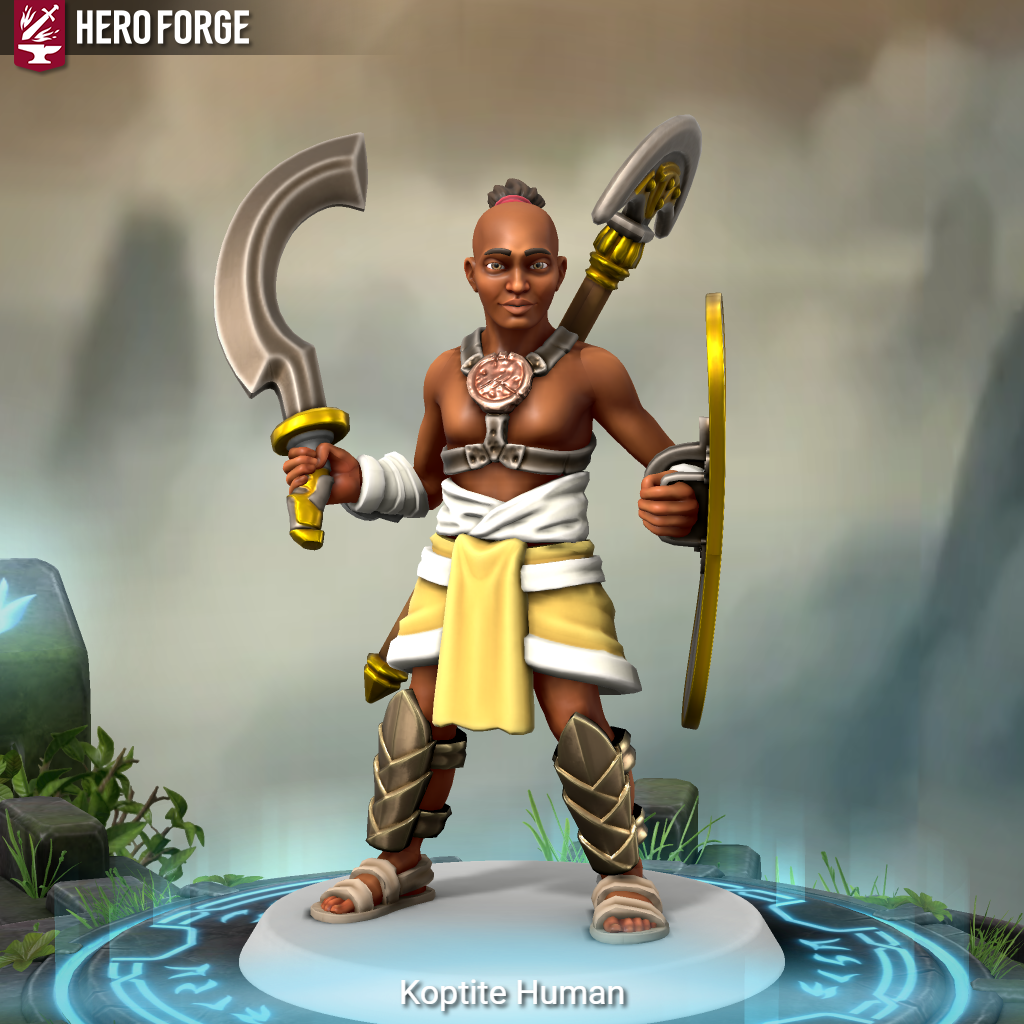
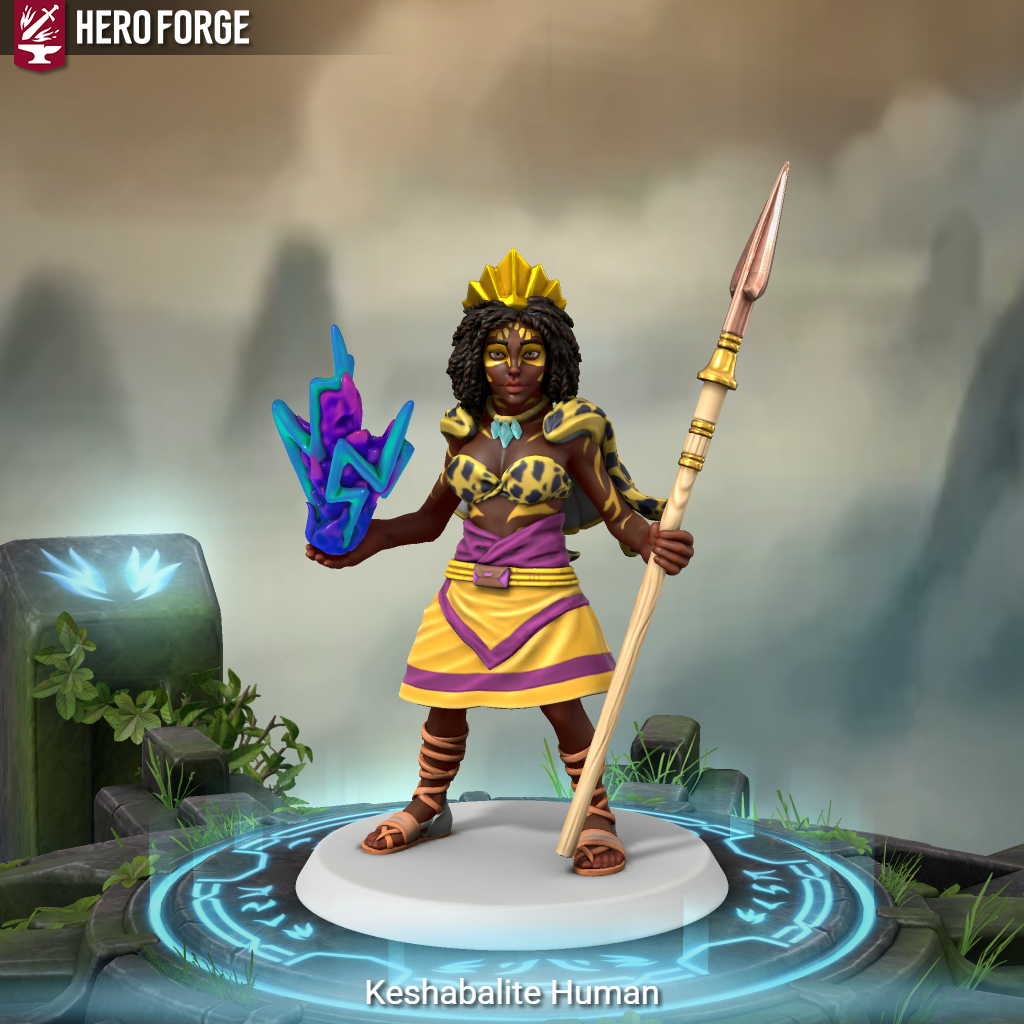
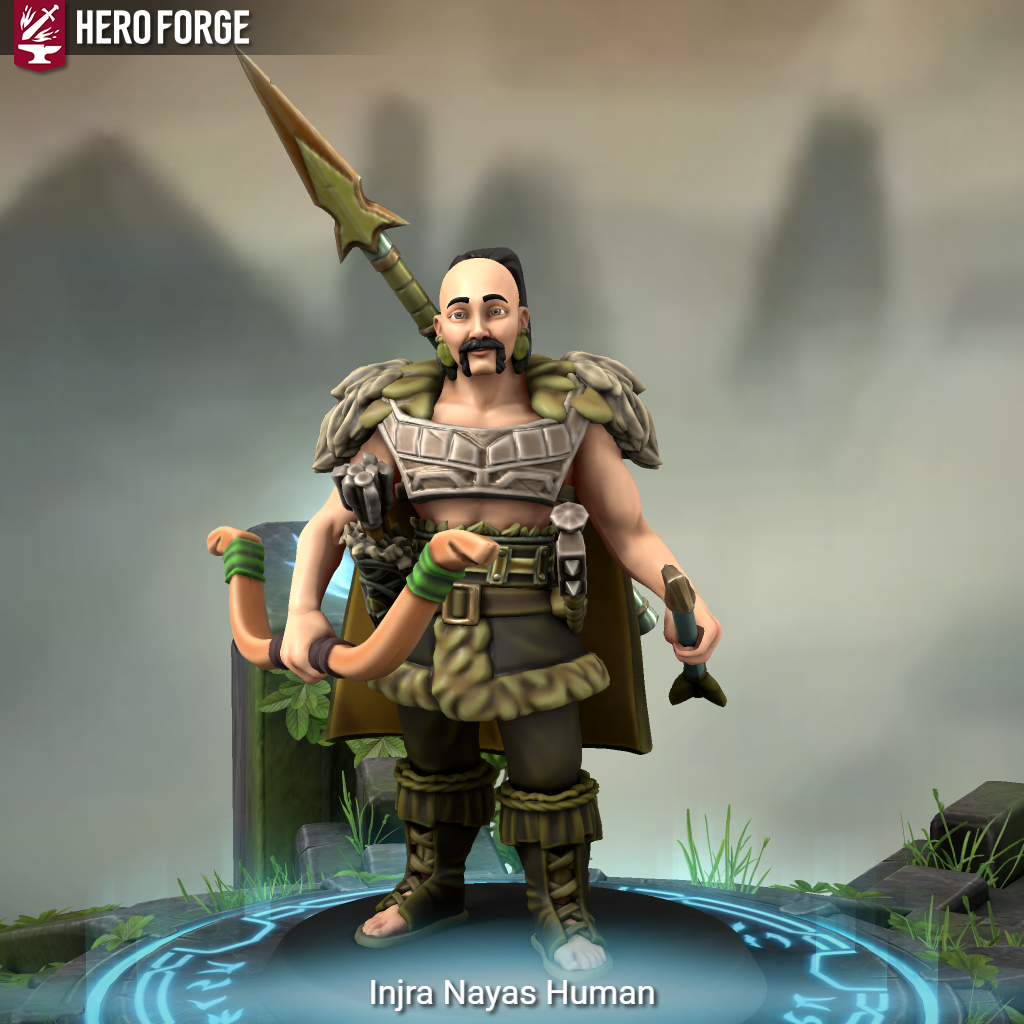
Most humans are seen to have medium builds being more dense and shorter than Elves on average while being taller and thinner than Dwarves. Their varying size and builds though depend heavily on their ancestral groups.
Humans come in various skin tones with the newly arrived Sea Peoples and Injra-Nayas people having pale skin to the Jeban peoples who are as dark as charcoal. Most other groups vary between these two extremes with the most common coloring in Ki being olive to light brown.
Hair and Eye coloring are also dependent on human group. While dark brown or black hair with brown eyes seems to be the most common. Injra-Nayas and the Sea Peoples are known to have hair of various yellows and reds, with eyes that match the color of grass or water.

Comments