
Dwarves
The Dwarves of the Land of Ki are a strong and durable race said to have originated in the land of no sun deep within the mighty mountain ranges of Ki. Known as the fathers of Bronze, the Dwarves are renowned for their skills in battle and fine craftsmanship. what they lack in height, they make up for in their powerful builds and physical might. Throughout their history the Dwarves have built powerful kingdoms and resilient clans centered around military might and the trading of valuable metals. Currently the Dwarves of Ki are divided into 6 diverse groups known as the Elmradi, Kordi, Gorgani, Kretites, Pashgan, and the newly arrived Thraiken sea Dwarves.
Additional Information
Social Structure
Historically all Dwarves first formed into familial clans when they first left the land of no sun. However, due to 4,000 years of divergence the social structures of the modern Dwarven groups differ greatly.
Facial characteristics
Their faces are said to be stern looking and heavy.
Civilization and Culture
Naming Traditions
Most Dwarven groups follow the standard bases of just having a personal name and then either a nickname or clan name to distinguish oneself. only the nobility or specific families of high worth have their own familial surnames.
Major Organizations
The major organizations of the Dwarves include the Republic of Elmrada and the Avyl Trade League founded by the Gorgani Dwarves. The Republic of Elmrada is the most influential and powerful Dwarven state in Ki while the Avyl Trade League (Avyl refers to the bear deity of the Gorgani) has become a powerful merchant guild within northern Ki.
Gender Ideals
Gender Ideals vary depending on the group of Dwarves. For the Kizgaros Mountains Dwarves which are the Elmradi and Kordi, both genders are seen in equal standing with women in particular holding a high place in their religious affairs due to their matriarchal pantheons (The Three Mothers and Shurphadism respectively). The Kordi Dwarves in particular still practice clan-based societies that are ruled by Chiefesses and are matrilineal. However, gender roles still do exist with the vast majority of warriors and miners being male while the clergy and healing professions are exclusively female in both groups.
The Gorgani Dwarves however are known to be much more Patriarchal with Male Gorgani being dominate in their societies. The Kretite during their days of independence use to have a much more equitable society in terms of gender however after their conquest they have mostly adopted the patriarchal culture of the Dorciean Humans.
Relationship Ideals
The various dwarven groups have differing relationship ideals due to differences in their organization and religion. The Gorgani are known to practice polygamy (for men only) even for the laboring class while the Kordi on the oppoiste end usually practice monogamy except for the High Cheifessess and her high guard who are able to take multiple partners.
Major Language Groups and Dialects
A variety of languages are spoken amongst the Dwarves of Ki. The most dominate Dwarven language is the Elmradi tongue which is spoken throughout the Republic of Elmrada and seen as a Lingua Franca amongst the Dwarves. Other languages include the closely related Kordi speech, Gorganish, and Kreten. Many Dwarves also speak the various languages of their neighbors with many being polyglots.
Culture and Cultural Heritage
Currently there are 6 major Dwarven cultural groups in Ki that can be divided into four macro ancestral groupings, the Kizgaros Mountain Dwarves, Western Ki Dwarves, the Pashgan and the Thraiken. The 6 groups are
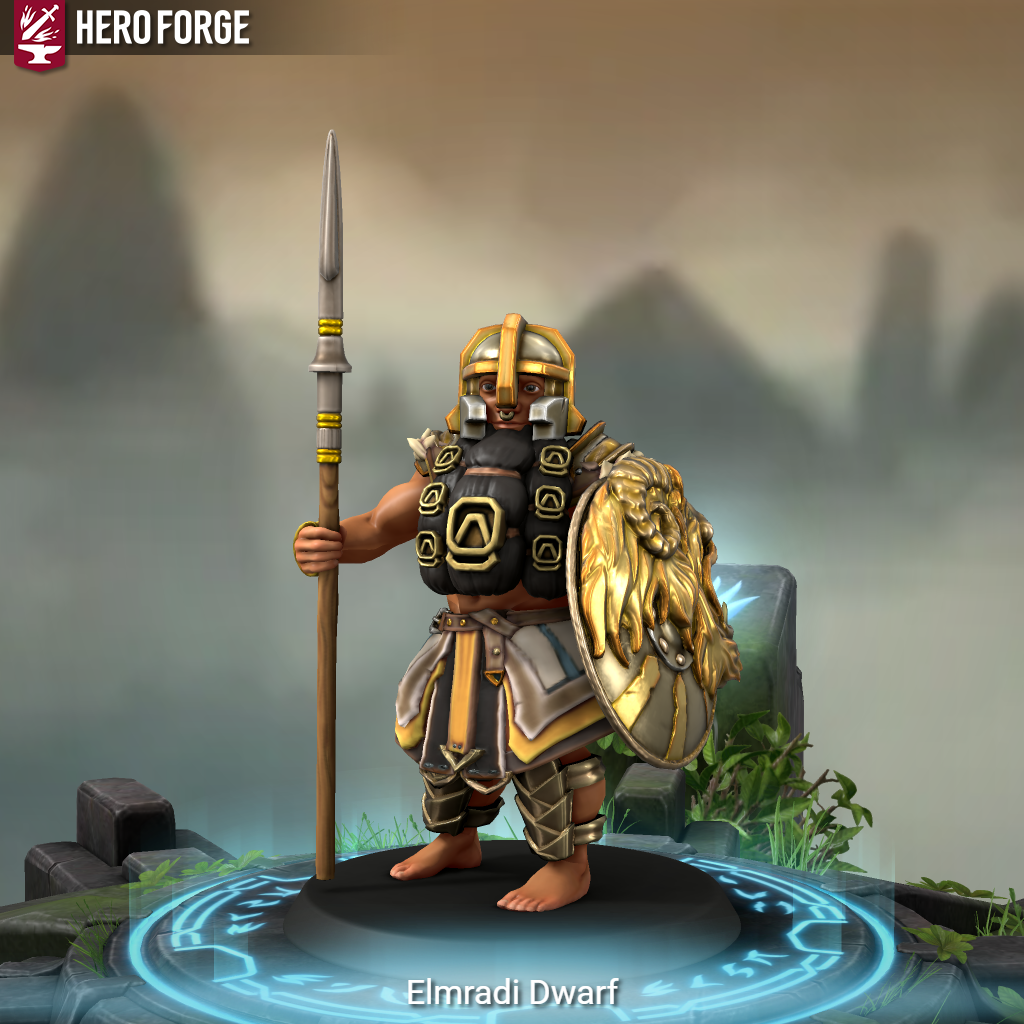
Elmradi Dwarves: Known for being the most "civilized" of the Dwarves, the Elmradi hail from the southern part of the Kizgaros Mountains and have a history of creating powerful states. They are known for their fine craftsmanship, particularly in metalworking and architecture, and their strong organization. They also have a long-standing blood feud with the Kordi Dwarves.
Kordi Dwarves: Hailing from the northern Kizgaros Mountains, they are considered more rugged than their southern kin and possess a strong warrior culture. They are known for their resilience in harsh environments, their skill in battle, and their fierce independence. Their bitter feud with the Elmradi Dwarves stems from a broken promise regarding land after a combined military effort.
Gorgani Dwarves: Dwelling in the Daugari Mountains, they are skilled miners, traders, and farmers. They are known for their expertise in mining, trading, festivals and their ability to cultivate the difficult terrain of the mountains/boggy lowlands. Due to their low numbers, they have often allied with other races, notably the Mittite Empire, providing valuable resources and showing a capacity for trade. Their society is organized into clans and city-states.
Kretite Dwarves: Once masters of the sea, they established a powerful kingdom on the island of Kret. They controlled trade routes and had colonies on the mainland, demonstrating a maritime culture. They are known for their shipbuilding and navigation skills, as well as their fine craftsmanship. Their kingdom was conquered by the Heilosian humans, leading to their integration into human society.
Pashgan Dwarves: Isolated in the distant Karshrappa Mountains, they are shrouded in mystery. Known for their fierce warrior culture and strict isolationist policies, little is known about their internal workings or interactions with the outside world. They are rumored to possess exceptional martial prowess and a complex code of honor.
Thraiken Dwarves: These Dwarves arrived with the Sea Peoples, migrating from the far north land of Thraike. They are known for their integration with human clans in the Sea Peoples culture, blurring traditional dwarven societal distinctions. They are also known for their ferocity in battle, expertise in shipbuilding, druidic traditions and, like their human counterparts, some are afflicted with lycanthropy.
History
The early history of the Dwarves in the Land of Ki is one of mystery. Many of Dwarven kind speak of ancient kingdoms deep within the land of no sun, where they battled amongst themselves, and a mythical race of creatures known as the "Urakki". Many Elven scholars believe this to be purely mythology and believe that the Dwarves were a newly created race that was created sometime around the Great Flood. However, their complex culture and advanced bronze metallurgy may cast doubts on the truthfulness of the Elves and give some credit to a potential long-lost history of the Dwarves.
No matter the case, the history of the Dwarves in Ki began in the late 200s AE when a group of Erimerian Elven colonists returned to Eridu and gave testimony to their existence. After the Parlay between the Dwarves and Elves in 300 AE the Dwarven clans of the southern Kizgaros Mountains (the first that made contact) began to emerse themselves with the dealings of the Elves and Musmer. While during this time many other Dwarven clans began to emerge throughout the different mountain ranges of Ki it would these southern Kizgaros Mountain Dwarves that would form their first kingdom in Ki. The Kingdom of Gizrada (named after the founding clan of Gizra) was formed in 1132 AE by High Chieftan Elam Gizra who would be known as the first King of the Dwarves.
However, a coalition of various other southern clans conquered the Kingdom of Gizrada in 1885 AE. However, the various southern clans eventually mixed with the peoples of Gizrada and this united group became known as the Elmradi (after King Elam). in 1902 AE the city of Sussak was founded and became a powerful city state that helped turn the tide of war favor of Eridu during the Elven Brothers War. The Erimerian Elves during this time were said to have admired the durability and courage of the Dwarven warriors who fought alongside them.
During the years leading up to and after the arrival of the Humans in Ki, the Elmradi Dwarves continued to incorporate various southern Dwarven clans and positioned themselves as a great power in Ki. However, in a 1000-year span known as the times of strife for the Elmradi, a period of regime changes and instability occurred for the Dwarves of Sussak. Their society shifted from city state to Theocracy to Kingdom to finally a Republic in 3636 AE, each the product of violent uprisings.
During the middle part of the Great Migration period saw the rise and cementing of the other Dwarven peoples with the Gorgani identity becoming a unifying factor amongst the Dwarf clans of the Daugari Mountains and the founding of the Kingdom of Kret by the Kretite Dwarves in the early 3000s AE. However, by the end of this period both of these dwarven group would be subject to various human control as the Gorgani clans became vassals to the mighty Mittite Empire while the kingdom of Kret was conquered by the Humans of Dorciea in the 3700s AE and have since been fully intergrated within their society. Finally, the Pashgan Dwarves of the Karshrappan Mountains were also discovered during this period but due to their isolationism not much is known of their history.
Likewise, during this period, the Dwarven clans of the northern reaches of the Kizgaros Mountains were forced to migrate south due to various human expansions. Although culturally akin they were organized into various independent clans. as they fleed south, they initially allied with the Elmradi rebels in their fight against their corrupt kingdom. However, in an act known as the "Bloody Renege" the now unified Republic of Elmrada marched against their northern cousins to reclaim the land they had promised them 60 years earlier. Forced to migrate back north these clans would forever hold a blood feud with their settled kin are known today as the Kordi Dwarves.
in 3856 AE with the period of stable caution the Republic of Elmrada flourished as one of the most prosperous states in Ki and being directly involved within the construction of the Great Road of Ki. Likewise, the Gorgani Dwarves grew rich due to their dominance of trade in northern Ki and were considered the most valued subjects of the Mittites.
Currently since the period of Great Struggle like all of Ki the Dwarves as a whole have suffered setbacks but there are glimpses of potential opportunities. Elmrada has remained relatively stable compared to the other states of Ki and while they have suffered from decreased trade and barbarian incursions, they are arguably the most powerful peoples in Ki at present. Likewise, the Gorgani Dwarves have begun to lessen or even flat out ignore their tributes to the Mittite Empire in a move to further their autonomy. Since the arrival of the Sea Peoples a new group of Dwarves have settled in the Land of Ki as the Sea Dwarves (Thraiken) like their human counterpart's raid and colonize the western coast.
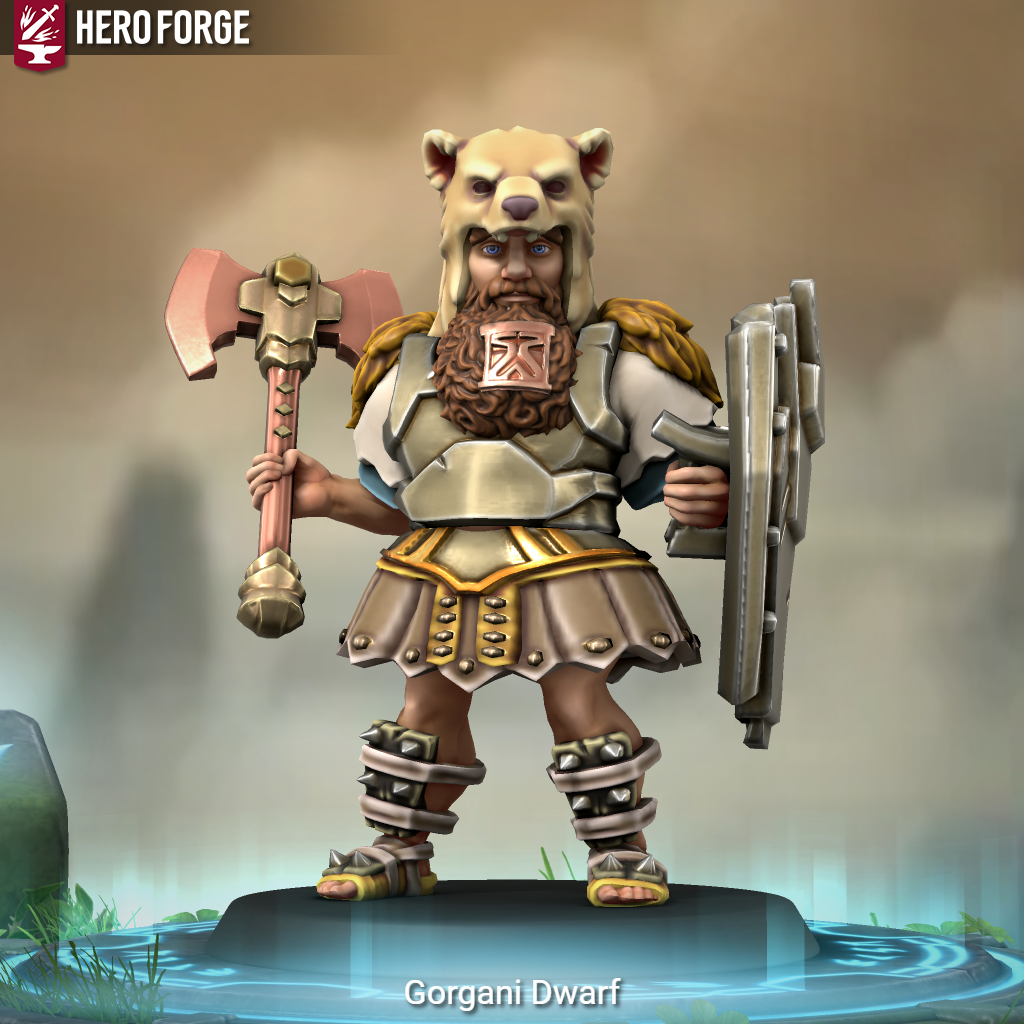
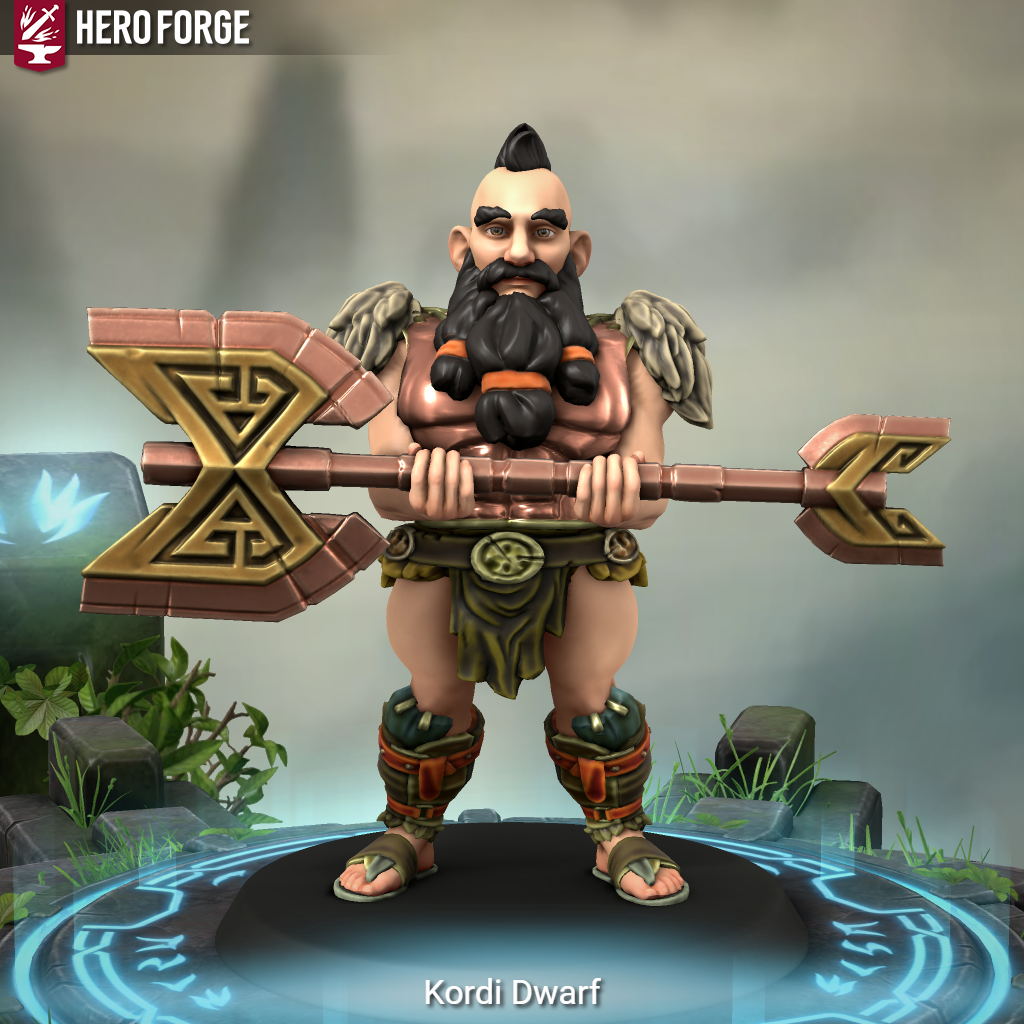
Dwarves are known for their short stocky physiques. While they may be a head shorter than that of Humans, they are the heaviest and strongest of all races in Ki. Their broad and compact bodies are known are supported by dense bone and thick short limbs. How short and comapct they are can depend on their ancestry with the Gorgani Dwarves being notoriously round while the Pashgan are said to stand as tall as a Human woman.
Dwarves come in a variety of skin tones depending on the ethnic group they originate from. From pale white to dark bronze, with the Pashgan Drwaves having a purplish tint to them.

Comments