
Anti-missile defence systems
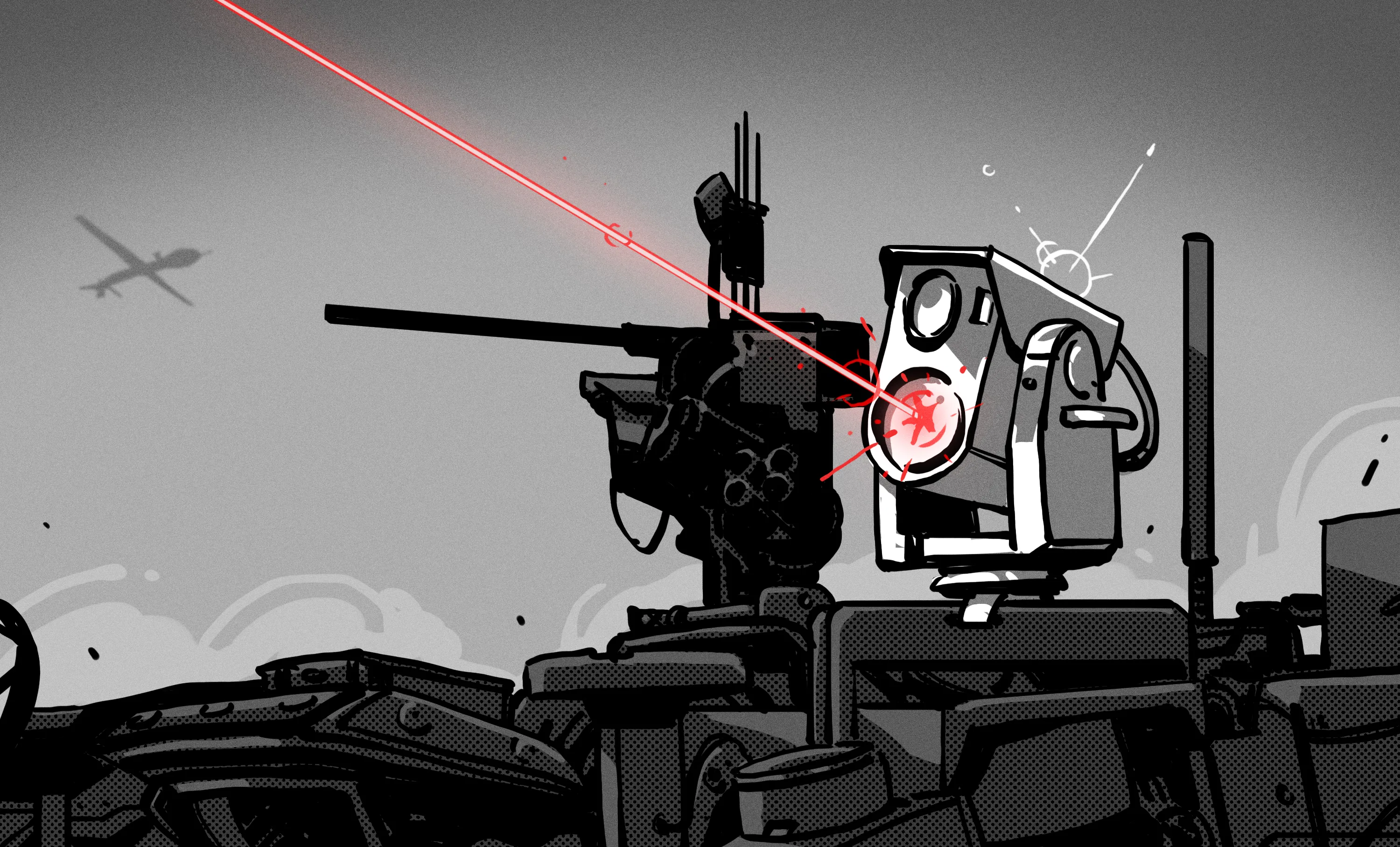
During the later half of the 21st century missile defence systems, especially point defence systems, would begin to make guided missiles uneconomical as the cost of producing them and the number needed to overwhelm even basic modern defences compared with the resource and monetary cost of massed unguided artillery and only using guided munitions for large airburst weapons such as nuclear armaments.
This would also eventually apply to orbital combat as ship point defence would largely eliminate anything travelling under relativistic speeds such as Canon Accélérateur Magnétique weapons. Missiles would adapt to these shortcomings by splitting into two distinct branches. The rarer variant (though notably much more common in the CoN) the torpedo, large armoured missiles that could brush off basic point defence long enough to impact the target usually armed with a correspondingly large nuclear payload which would be able to destroy multiple nearby ships if able to get close enough. Typically carried in small numbers aboard small vessels on the outside of the ship as a meaningful way of engaging larger capital ships or forcing them to direct larger weapons systems at the torpedo rather than the vessel. The second variant, swarm missiles, are very common being aboard almost every ship fitted with weapons, having small individual payloads and only very basic guidance systems which does not allow them to be guided from the ship. They are almost always deployed in their hundreds if not thousands to overwhelm enemy point defence in a single large scale strike using shaped charges to puncture large numbers of small holes in enemy hulls suffocating the crew. These weapons would be later used to great notability by pirates and other raiders to capture ships with their cargo intact.
This would also eventually apply to orbital combat as ship point defence would largely eliminate anything travelling under relativistic speeds such as Canon Accélérateur Magnétique weapons. Missiles would adapt to these shortcomings by splitting into two distinct branches. The rarer variant (though notably much more common in the CoN) the torpedo, large armoured missiles that could brush off basic point defence long enough to impact the target usually armed with a correspondingly large nuclear payload which would be able to destroy multiple nearby ships if able to get close enough. Typically carried in small numbers aboard small vessels on the outside of the ship as a meaningful way of engaging larger capital ships or forcing them to direct larger weapons systems at the torpedo rather than the vessel. The second variant, swarm missiles, are very common being aboard almost every ship fitted with weapons, having small individual payloads and only very basic guidance systems which does not allow them to be guided from the ship. They are almost always deployed in their hundreds if not thousands to overwhelm enemy point defence in a single large scale strike using shaped charges to puncture large numbers of small holes in enemy hulls suffocating the crew. These weapons would be later used to great notability by pirates and other raiders to capture ships with their cargo intact.

Comments