
Abeil
A species of bee-like humanoids common to Arcadia but found throughout the Realms, the Abeil have a long and proud culture of dance, harmony, and confectionery.
Basic Information
Anatomy
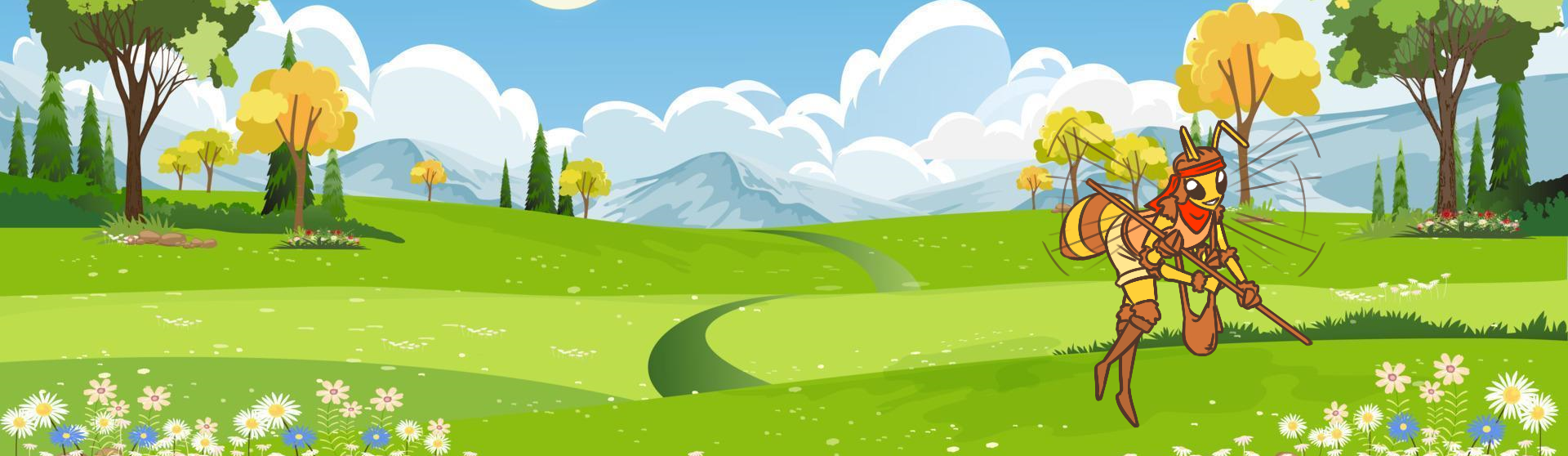
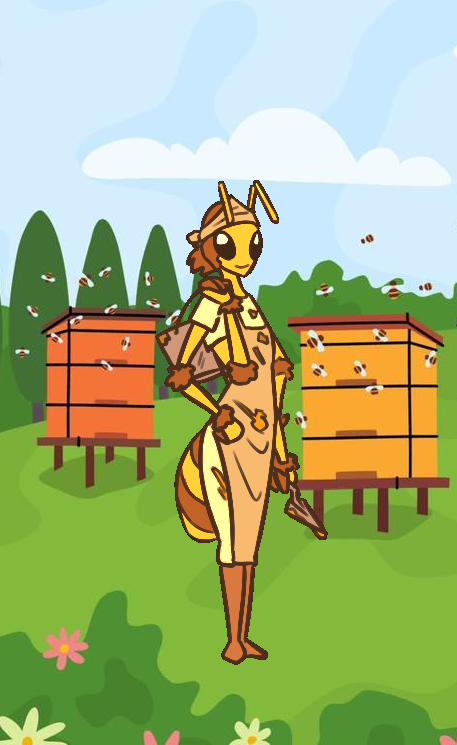
The upper body of an Abeil humanoid, though the neck is decidedly narrower than most humanoids, and the head has an insectoid shape, with large eyes and two hinged antennae. Their skin, except on their face, hands, and feet, is covered with a short layer of tawny-gold, black-banded fur.
The torso is separated from the abdomen by a narrow waist, and, in addition to their four arms, each of which end in four-digited hands, Abeil have two insectoid and segmented legs equipped with a short, bristled feet that allow them to climb steep surfaces. Abeil are also equipped with a retractible stinger, as well as long, narrow, translucent wings attached at the upper back.
Genetics and Reproduction
Abeil are an egg-laying species, but unlike most humanoids, the capacity to reproduce is not inherent, and is manifested by a special diet. Introducing certain nutritional elements to an Abeil's diet prompts a minor mutation which allows the Abeil to produce or fertilize eggs. Clutch size in such individuals ranges from four to six on average.
Growth Rate & Stages
Like many insectoid species, Abeil mature quickly, reaching physical maturity in only five years. Born in a sort of larval state, the limbs and denser skin develop first, followed by the eyes and distinction of the head and abdomen, the fur, and wings. Once an infant Abeil can move unassisted, its growth is mainly in terms of size and strength.
Dietary Needs and Habits
Most Abeil have a natural intolerance for the proteins found in white and red meat, necessitating a vegetarian diet, but there is a minority of the population which can comfortably metabolize eggs, fish, or both.
Additional Information
Perception and Sensory Capabilities
The poison from an Abeil's stinger causes severe pain and inflammation in most species. In addition, despite their delicate appearance, their wings are sufficient for sustained flight, and their antennae give them a heightened sense of smell so much more complex and nuanced than that of other humanoids that it could be considered a separate sense altogether.
Civilization and Culture
Beauty Ideals
Especially thick, long, or brightly-coloured fur is broadly considered appealing among Abeil communities.
Courtship Ideals
Dance is an important part of Abeil life and communication, but perhaps in no regard more than courtship. Abeil communities choose everything from the music to the steps to communicate interest, reciprocation or rejection, seriousness of intention, and more. To be skilled in dance is considered an extremely broadly-appealing trait.
Major Language Groups and Dialects
Most Abeil speak Common, but there is also manual language specific to Abeil culture which uses dance-like movements of the body rather than spoken word. In Abeil communities, much communication involves a combination of this language and a spoken one.
Common Dress Code
Most Abeil prefer lightweight clothing that does not hamper their flight abilities or the movement of their legs and wings. Hats are unpopular, due to the restriction they put on antenna use.
Culture and Cultural Heritage
Though the origins of the species itself are murky, that their form is an homage and an ideological link to the hardworking honeybee is clear. Bees of all sorts are sacred creatures in Abeil culture, and beekeeping a respected and highly-honoured tradition. Also due to this close relationship with bees, traditional Abeil cookery often includes heavy use of honey, nectar, and even carefully-gathered pollens.
Also inspired by the lauded honeybee is the Abeil value placed on hard work and business. To achieve a goal by one's own efforts or in cooperation is considered far more honourable than to profit from the efforts of others.
Scientific Name
Homo Apis
Origin/Ancestry
Humanoid
Geographic Distribution