

Magic Item Regulations
Magic Item Regulation
The catastrophic accident at the Forbidden University 80 years ago had a profound and far-reaching impact on the world of magic in Thalindor, particularly concerning the creation, use, and distribution of magical items.
Origins of Regulation:
- The experiment that destroyed the Forbidden University demonstrated the dangers of unchecked magical experimentation. To prevent another disaster, the kingdoms implemented strict regulations on the use of magic and the creation of magical artifacts.
Government Oversight:
- All magic items are now registered and monitored by the Jussum Octavius, the governing body responsible for magic laws and enforcement.
- Items deemed too powerful or unstable are confiscated and locked away in secured vaults, such as those in HighMoore and Wintershade.
Can a player obtain magic weapons and/or rare magic items?
Yes absolutely, although there is a strict regulation on weapons and powerful magical items, the world of Thalindor thrives on magic use and most magical items are quite common
Magic weapons are rare but can be obtained as long as these are registered at the Jussum Octavius, any evidence of misuse will result in severe legal actions.
Commonplace Enchantments:
- While powerful magic items are rare, small enchantments for everyday use are more common. These include self-cleaning brooms, ever-lit lanterns, and temperature-regulating cookware. These items are less regulated due to their low impact on magical stability.
Impact on the World
Adventurers:
- Magic weaponsare a rarity, and obtaining one is seen as a significant achievement. Most adventurers rely on heirloom items passed down through generations or find them through secretive means.
- Black markets for unregistered magic items thrive in cities like Krakenheim, where rogue factions smuggle and sell enchanted gear.
Factions:
- The Jussum Octavius enforces strict oversight, often clashing with adventurers and guilds over the possession of unregistered items.
- The Inventors’ Guild and Patents House works to innovate within the constraints of the law, creating “low-impact” magical tools that adhere to regulation.
Economy:
- Magic item regulation has created an underground economy where unregistered artifacts fetch exorbitant prices. Some noble houses secretly collect powerful items as a display of status or for potential leverage.
Cultural Shift:
- The accident at the Forbidden University has cast a shadow of distrust over magic. While still respected, magic is now viewed with caution, and those who wield it are often scrutinized by the public.
The Emergence of Alternative Magical Practices
With the regulation and scarcity of magic weapons and artifacts following the Forbidden University disaster, the demand for alternative magical solutions has spurred innovation and creativity across Thalindor.
These practices, though varied in form and origin, reflect the resilience of Thalindor’s people and their ability to adapt in the face of restrictions.
Potions and Scrolls
Booming Industry
- Potions: Alchemy has become a lucrative trade, with potion-makers experimenting with new concoctions to replace the utility once provided by magic items. Healing potions, strength boosters, and temporary resistances are in high demand.
- Scrolls: Enchanted scrolls, functioning as disposable spells, have become an adventurer’s best friend. They allow non-magic users to access limited spells in emergencies.
Cultural Shift
- Potion-makers and enchanters have risen in status, gaining recognition as essential contributors to society.
- The Inventors’ Guild and Patents House is particularly active in regulating and certifying new potion recipes and scroll designs to ensure safety and compliance with the magical laws.
Magical Tattoos
Functionality: Magical tattoos serve as temporary or permanent spell-like effects, offering flexibility to those who cannot carry or acquire magical items.
- Examples:
- Shielding Ink: A tattoo that temporarily grants additional armor class.
- Elemental Brands: Tattoos that imbue attacks with elemental energy.
- Mark of the Wanderer: A tattoo that allows limited teleportation.
- Crafting: Tattoo artists work closely with enchanters to imbue inks with magical properties, using intricate designs and specific rituals to activate the magic.
Regulation
- Magical tattoos exist in a legal gray area. While less dangerous than items, they are still subject to scrutiny, and some designs are outright banned for their potential misuse.
Body Modifications & Arcane Bioenhancement
Techniques: A burgeoning field of arcane experimentation involves infusing the body with magic through implants, grafts, and modifications.
- Examples:
- Runic Implants: Embedded runestones that provide minor magical effects.
- Arcane Prosthetics: Limbs enhanced with magical power, offering increased strength or spellcasting abilities.
- Symbiotic Enhancements: Organic additions that grant unique powers, such as a second sight or natural armor.
Controversy
- This practice is highly experimental and often controversial, with many viewing it as unnatural.
- The Jussum Octavius closely monitors these advancements, while underground practitioners operate in secrecy to avoid regulation.
Pictomancy
Emerging Magical Art
Concept
Arcane Pictomancy: A new art form allows skilled painters to create works that come to life, either temporarily or permanently.
- Applications:
- Combat: Painted creatures or objects can be animated to fight or assist in battle.
- Utility: Paintings can serve as portals, illusions, or even messengers.
- Artistry: Living murals entertain and awe the populace, with some used in storytelling or propaganda.
Technique
- Paint infused with magical pigments is activated through a combination of artistic skill and arcane ritual.
- Advanced practitioners train in specialized schools, with growing interest from guilds and nobles seeking to harness this magic.
Cultural Impact
- The Starfall Assembly has embraced this art form, using animated paintings in their performances and for decorative enchantments in entertainment halls.
- Some scholars fear its potential for misuse, as criminals and rogue factions begin experimenting with living paint for nefarious purposes.
The Jussum Octavius
Creators and Enforcers of Magical Law
The Jussum Octavius is a bureaucratic faction of wizards responsible for drafting, enforcing, and maintaining laws related to magic.
They oversee the registration of all magic items in Thalindor, ensuring transparency and preventing misuse.
The Verum Conquisitor
Judges, Legal Protectors, and Wizardly Royal Guards
The Verum Conquisitor is a faction of wizards dedicated to upholding justice and serving as arbiters of the law in both mundane and magical disputes. Their subfaction, the Weavers of HighMoore, functions as an elite unit of spellcasters tasked with safeguarding the nobility.
- The Verum Conquisitor rely on the Jussum Octavius for interpretations of magical law in court cases.
- The Weavers of HighMoore work alongside Compliance Enforcers to protect nobles from illicit magic use.
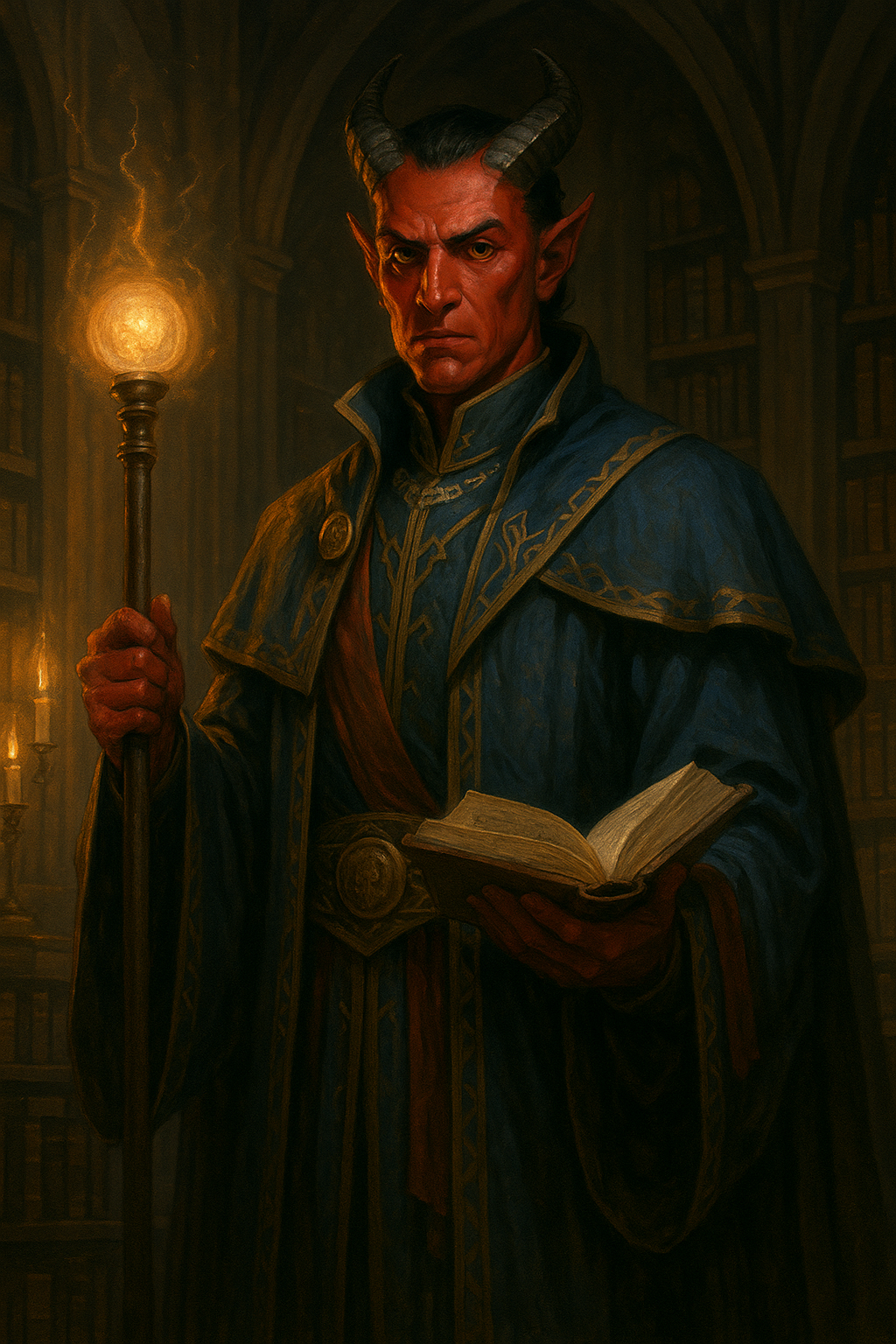
Arch-Legiscribe Quellan Varrow:
- Role: Head of the Jussum Octavius and primary drafter of magical legislation.
- Background: A tiefling wizard known for his intellect and meticulous nature.
- Personality: Ambitious, calculating, and unwavering in his belief in order.
- Motivation: Create an infallible system of magical law to ensure Thalindor’s stability.

Comments