
Multi-use Spaces & Emergency Conversion Zones
MULTI-USE SPACES & EMERGENCY CONVERSION ZONES
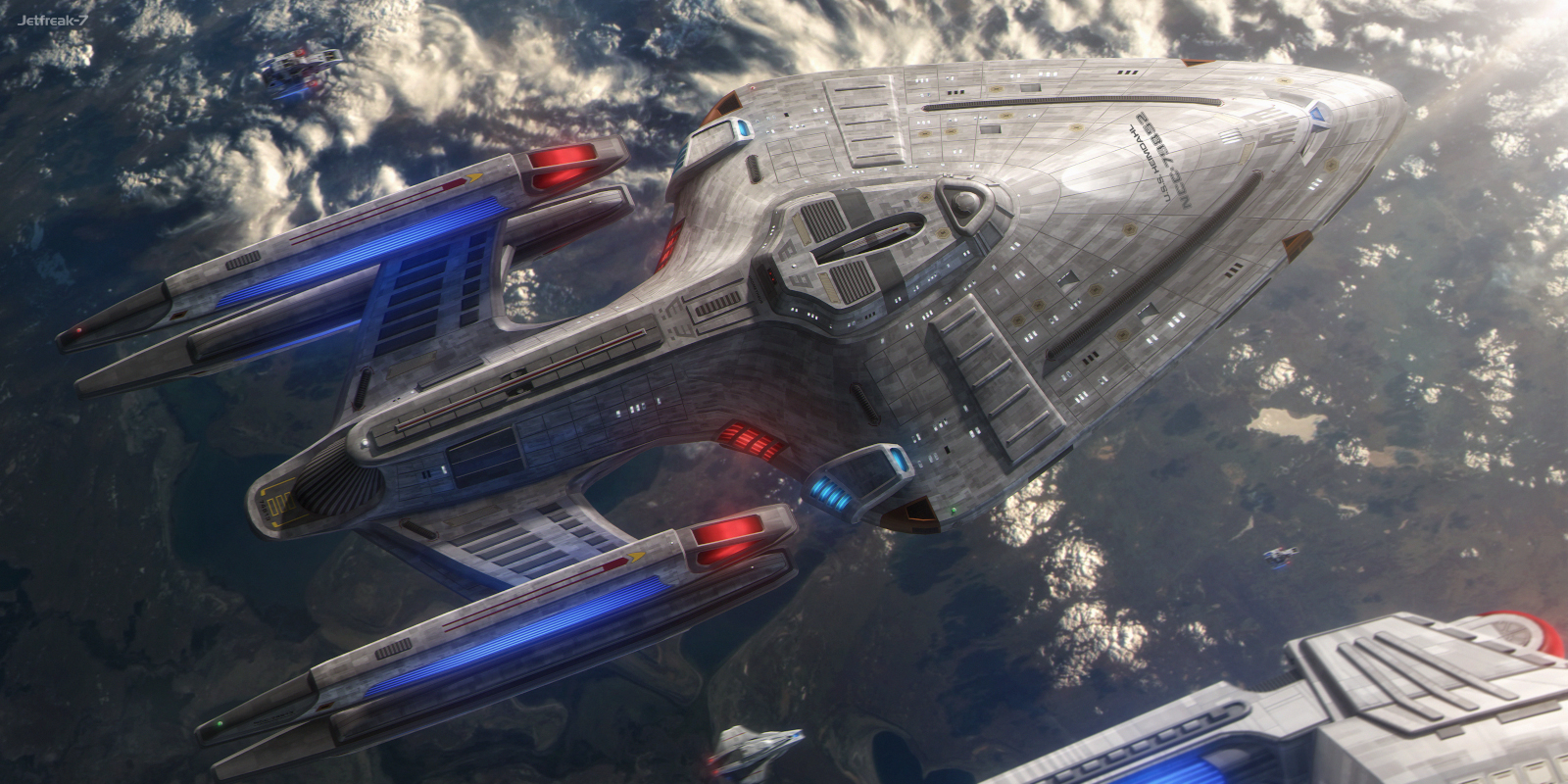
Design Contingencies & Tactical Flexibility – USS Heimdahl
While the Heimdahl’s decks are built around specialization and compartmentalization, several rooms across the vessel are deliberately engineered for rapid repurposing during emergency conditions—a legacy of both Federation contingency doctrine and Section 31’s blacksite adaptability ethos.
These "conversion-capable zones" are embedded across multiple decks and serve as fallback infrastructure for events such as triage overflow, mass evacuation, critical resource storage, temporary holding, or alternative command staging.
EXAMPLES OF ADAPTIVE SPACES
- Mess Halls
- Furniture is magnetic and collapsible. Tables can be locked into triage gurney configurations or cleared to create open floor space.
- Lighting shifts to sterile white; floor interfaces accept medical equipment mounts.
- Environmental reconfiguration allows isolation via localized filtration domes.
- Forward Lounge
- Galley replicator banks shift from boutique fare to bulk production mode.
- Hidden vented induction ranges and collapsible counters enable mass-feeding operations for evacuees or refugee populations (up to 500 personnel/day throughput).
- Also suitable for post-crisis morale reconstruction.
- Theater
- Originally a morale space for briefings, dramatics, and civilian simulation.
- The theater, normally an open two-deck chamber, can deploy an internal ceiling—lowering a reinforced platform to divide the space into two separate, functional decks.
- Seating retracts seamlessly into the walls, converting the area into either a high-clearance cargo bay or two full floors of usable space, effectively doubling its surface utility.
- Bio-support rails and recessed head units deploy from walls during triage repurposing.
- Gyms & Garages (Decks 10, 13–14)
- Gym / Fitness Center (Deck 10):
Equipment is modular and deliberately under-secured, allowing for rapid repositioning with minimal effort and a bit of cooperation. Clearing the floor creates an adaptable open zone suitable for triage, evac coordination, or crowd containment. The space is built to handle increased biological output—sweat, blood, and the grit of prolonged emergency use—without compromising hygiene or operational safety. The integrated EM barrier grid can be activated to convert the space into a temporary confinement field or suppressive perimeter during volatile conditions. - Garages / Hover Vehicle Bays (Decks 13–14):
Hovercraft and support vehicles can be repositioned along reinforced mag-lock tracks, clearing central space as needed. These bays are built with industrial-grade flooring, grime-resistant surfaces, and oil filtration slats—ideal for operations involving mechanical debris, field contaminants, or planetary evacuee intake. Isolation sealants along the walls allow for rapid lockdown and atmosphere control, making them suitable for conversion into quarantine zones, drop platforms, or mobile containment vaults.
Operational Guidance:
If your emergency scenario involves bodily trauma, physical conflict, or environmental contamination, these two sections are designed to absorb the worst of it. They're built not just to flex, but to take punishment—and keep functioning.
DEPLOYABLE SUPPORT UNITS
Scattered throughout the Heimdahl—primarily in modular cargo bays and structural crawlspaces—are compact emergency systems not listed in the public Starfleet manifest:
- Portable Life Support Nodes: Capable of stabilizing atmosphere and temperature in converted spaces for 6–12 hours.
- Environmental Emitters: Deployable from wall cavities or sub-floor mounts; extend air filtration, humidity control, or pathogen isolation.
- Head Pods (Sanitation): Vacuum-seal waste systems with antibacterial foam wash cycles; standard in field camps.
- Triage Packs: Includes stasis foam capsules, basic tissue regenerators, and modular med-hubs.
Cost of Deployment:
Running these systems diverts power from non-critical ship systems. If sustained during high alert, it reduces Heimdahl’s top-end capacity in the following ways:
- Speed reduced by 0.3–0.7 warp factors
- Weapon recharge lag increases by up to 14%
- Agility drift during evasive maneuvers expands by 3.5–5%
Summary:
The USS Heimdahl isn’t just adaptable in mission profile—it’s physically built to flex under strain. In crisis, form follows function. Lounges become kitchens. Gyms become bunkers. Tables become trauma beds. And walls you once walked past conceal life-support systems no civilian starship should ever need.
Comments