Perfumery
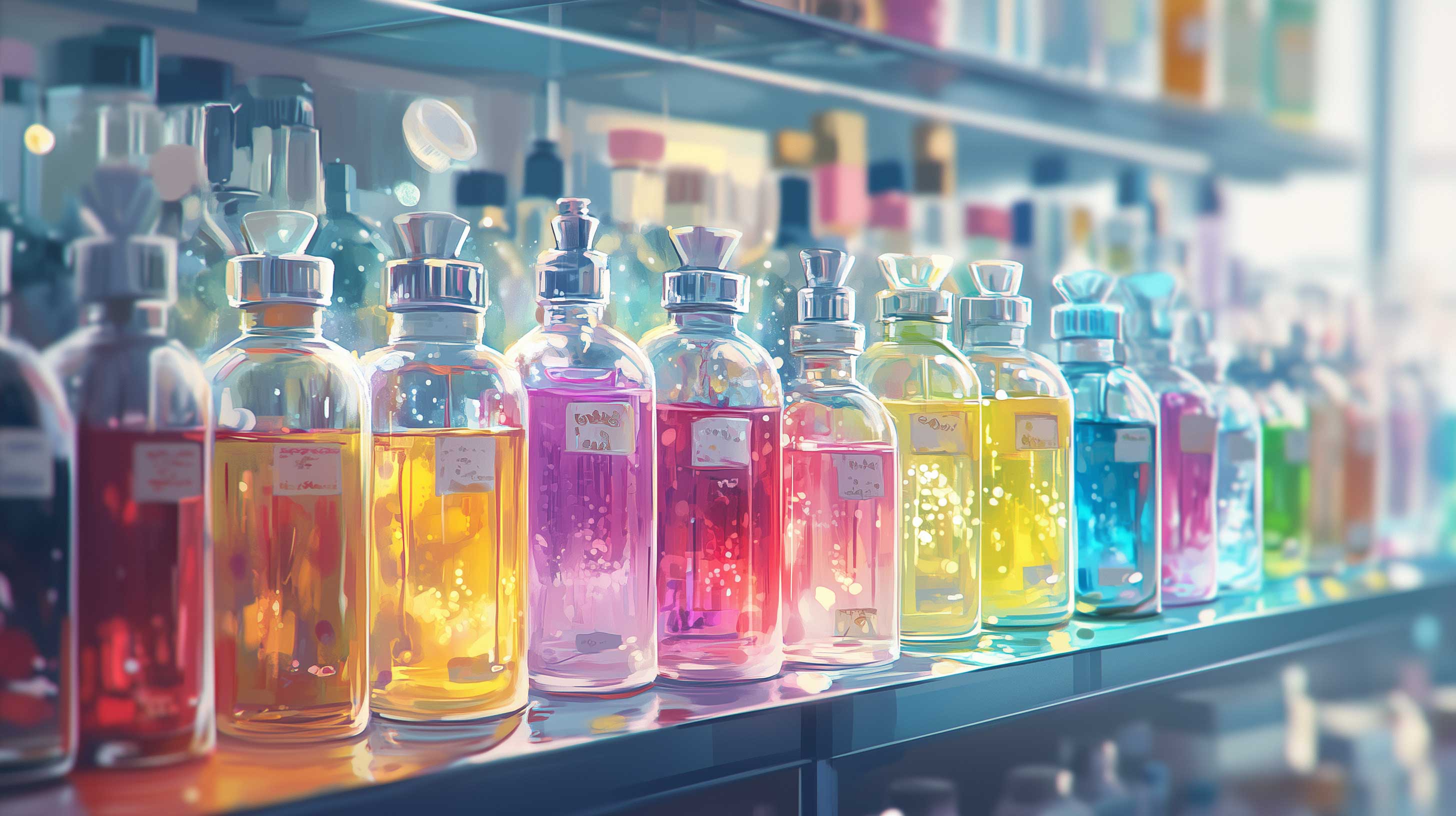
Perfumery is an ancient craft, a delicate fusion of artistry and chemistry that has shaped societies, enhanced beauty, and even played a role in diplomacy, seduction, and medicine. From the simplest herbal distillations to complex blends that evoke entire landscapes, fragrances have long been seen as more than mere adornments—they are memory, identity, and power bottled into a fleeting mist.
Traditional perfumery is founded upon the extraction of aromatic compounds from nature. These compounds are meticulously balanced to create scents that linger upon the skin and within the air. A well-crafted perfume is more than a pleasing smell; it is a composition, layered with top notes that strike the senses first, heart notes that define its essence, and base notes that provide depth and longevity.
Methods of Extraction
Perfumers use a variety of techniques to extract and preserve the essence of their materials:
- Distillation: One of the oldest methods, where plant material is heated with water or steam, causing the volatile oils to be released and then condensed into aromatic waters and essential oils.
- Cold Pressing: Typically used for citrus oils, this method extracts fragrant compounds by pressing peels and collecting the resulting essence.
- Solvent Extraction: A more refined approach where delicate flowers, such as jasmine or tuberose, are soaked in solvents, producing an intensely fragrant wax known as an absolute.
- Enfleurage: A slow, laborious process where petals are pressed into fats that gradually absorb their scent, used for capturing the most fragile aromas.
Before the Burn, perfumery was a luxury, often reserved for nobility and the affluent merchant class. Exotic resins, floral distillations, and rare animalic notes were prized, and master perfumers competed to create the most exquisite fragrances, each blend a signature of wealth and status. But the Burn changed the world—its aftershocks disrupted trade, altered the environment, and left perfumers searching for new means to preserve their craft. Although perfumes still exist their ingredients became even more rare and expensive and in some cases completely disappeared.
Perfumery and the Rise of Infusion Alchemy
As with many sciences, alchemy stepped in where traditional methods faltered. Among perfumers, those who studied Infusion Alchemy began experimenting with ways to not only preserve lost fragrances but to elevate them beyond mere scent. The result was infused perfumes, formulas designed not only to tantalize the nose but to influence the mind, body, and even emotions.
These enhanced fragrances could do more than attract admirers or conceal unpleasant odors; they became tools of influence, tools of control, and tools of transformation. Perfumers infused their creations with effects that could sharpen focus, ease anxiety, embolden courage, or deepen passion. Some formulas were so refined that a mere drop upon the skin could send waves of confidence through the wearer—or, in the wrong hands, cause confusion, forgetfulness, or susceptibility to suggestion.
Lip balms and rouges followed, enhanced to make spoken words more persuasive, glances more irresistible, and intentions more difficult to read. It is whispered that among the courts and secret societies, such alchemical perfumes are used to tip negotiations in favor of their wearers, to soften the resolve of rivals, or even to make one’s presence feel like a comforting embrace—or an unshakable dread.
Many tradition perfumers and botanists now use alchemically created bymetals to enhance their creations but the true skill lays with those that understand Infusion Alchemy and its effects.

The ingredients
Floral Ingredients
Soft and elegant notes
- Rose – Classic, luxurious, and deeply romantic.
- Jasmine – Rich, narcotic, and slightly fruity.
- Lavender – Herbal, calming, and fresh.
- Iris (Orris Root) – Powdery and soft with a violet-like scent.
- Tuberose – Intoxicating, sweet, and creamy.
- Orange Blossom – Bright, citrusy, and lightly floral.
- Ylang-Ylang – Exotic, fruity, and slightly spicy.
- Violet Leaf – Green and slightly ozonic with a floral undertone.
Citrus Ingredients
Fresh and uplifting, often used as top notes.
- Bergamot – Citrusy, slightly floral, and complex.
- Lemon – Sharp, bright, and fresh.
- Lime – Zesty and tart with a green undertone.
- Mandarin Orange – Sweet, juicy, and tangy.
- Grapefruit – Bitter, fresh, and slightly green.
- Neroli – Distilled from orange blossoms, warm and floral.
Herbal & Green Ingredients
Fresh, crisp, and aromatic, often enhancing natural tones.
- Rosemary – Herbal, medicinal, and slightly woody.
- Basil – Spicy, green, and slightly sweet.
- Mint – Cool, refreshing, and energizing.
- Clary Sage – Musky, herbal, and slightly floral.
- Vetiver – Earthy, smoky, and grassy.
- Patchouli – Deep, earthy, and slightly spicy.
Woody Ingredients
Warm, grounding, and deep, often forming base notes.
- Sandalwood – Creamy, warm, and rich.
- Cedarwood – Dry, woody, and slightly smoky.
- Oud (Agarwood) – Deep, resinous, and exotic.
- Guaiac Wood – Smoky, woody, and slightly sweet.
- Mahogany – Rich, warm, and slightly spicy.
Spices & Gourmand Ingredients
Warm, inviting, and sensual.
- Cinnamon – Sweet, spicy, and warm.
- Clove – Intense, slightly medicinal, and rich.
- Nutmeg – Warm, slightly woody, and nutty.
- Ginger – Fresh, zingy, and slightly citrusy.
- Vanilla – Creamy, sweet, and soft.
- Tonka Bean – Warm, almond-like, and slightly smoky.
Resinous & Balsamic Ingredients
Deep, mystical, and long-lasting base notes.
- Frankincense – Smoky, resinous, and spiritual.
- Myrrh – Warm, balsamic, and slightly medicinal.
- Amber – Sweet, rich, and warm (a blend of labdanum, benzoin, and vanilla).
- Benzoin – Soft, sweet, and slightly vanilla-like.
- Labdanum – Deep, animalic, and leathery.
Fruity Ingredients
Juicy, sweet, and playful, often in top and heart notes.
- Blackcurrant (Cassis) – Tart, slightly green, and rich.
- Peach – Sweet, soft, and slightly floral.
- Pear – Crisp, juicy, and fresh.
- Apple – Bright, slightly tart, and green.
- Cherry – Deep, sweet, and slightly almond-like.
Animalic Ingredients
Once common, now largely lost, providing warmth and depth.
- Musk – for warmth and sensuality.
- Civet – A deep, animalic, and slightly floral note.
- Ambergris –From whales, warm, and sweet richness.
- Castoreum – From beavers, adding leathery depth.
Extraction Methods
Steam Distillation
Common for essential oils, especially from flowers, herbs, and citrus.
Steam distillation is one of the most widely used methods for extracting essential oils from plant materials. In this process, steam is passed through the raw material, causing the essential oils to evaporate. The steam is then condensed into liquid form, where the oil separates from the water. This method is particularly effective for lavender, rose, peppermint, and citrus peels.
Solvent Extraction
Used for delicate flowers like jasmine and tuberose.
Some flowers are too fragile for steam distillation, as high temperatures would destroy their scent compounds. Instead, solvent extraction is used. The plant material is soaked in a chemical solvent (such as ethanol), which dissolves the essential oils and aromatic compounds. The result is a concrete, a thick, waxy substance. The concrete is then further processed with alcohol to create an absolute, a highly concentrated aromatic liquid that can be used for perfumes that is mostly used for makeup and lip sticks and balms.
Cold Pressing
Used exclusively for citrus oils.)
Cold pressing, or expression, is the traditional method used to extract essential oils from citrus fruits like bergamot, lemon, lime, and orange. The rinds are mechanically pressed or punctured to release their fragrant oils, which are then separated from the juice. This method retains the fresh, zesty scent of citrus peels without the need for heat or solvents.
Enfleurage
One of the oldest and rarest methods, used for fragile flowers.
Enfleurage is an ancient technique that involves placing delicate flower petals on sheets of purified animal fat or vegetable wax. Over time, the fat absorbs the flower’s essential oils. The process is repeated with fresh petals until the fat is saturated with fragrance. The scented fat is then washed with alcohol to extract the aromatic compounds.
Maceration
(A slower, more traditional infusion process.)
Maceration is similar to enfleurage but uses warm oil or alcohol instead of fat to extract essential oils from plant materials. The material is soaked for extended periods, allowing the oils to infuse naturally. This method is often used for spices, resins, and woody materials.
Tincturing
Used for delicate, complex scents like vanilla and ambergris.
Tincturing involves steeping plant materials, resins, or animalic substances (like ambergris and musk) in alcohol for weeks or even months. The alcohol slowly extracts and preserves the scent molecules, creating a rich, long-lasting perfume base.
Bimetallic Exposure
A post-process that enhances the properties of ingredient giving them a more powerful effect that elevates their normal essense
Bimetallic exposure is done by dipping a the right alchemical bimetal to the resulted extracted ingredient and exposing it to specific sound tones for a specific amount of time. Most bimetallic exposures take several seconds and require a collection of finely crafted tuning forks and a collection of reusable bimetal rods that are dipped into the ingredient.
Alchemical Recompilation
This process follows a bimetallic exposure but its goal is to merge two ingredients into a single compound that greatly boosts the abilities of both ingredients into a new mixture. This creates the most powerful of perfumes and oils but it is also an extremely dangerous process since any mistake can cause the material to explode shattering glass containers and potentially harming the perfumer. Only perfumers with good understanding of alchemy, good equipment and the best of practices attempt this kind of practices.
Rules
Creating a perfume
Creating a perfume from a known recipe requires a simple check in Botany in order to combine the ingredients into a single perfume. The rate of success determines any potential bonuses that the given perfume can have.
On an ordinary success the perfumer has creates a low quality perfume that can be noticed and will last for a short amount of time on most skins
On a good success the perfumer creates a long lasting perfume that is noticeable by most and will turn some heads if the perfume is to the liking of the person that is in the recipient of it.
On an amazing success the perfume is of the highest quality, it lasts for a very long amount of time on the skin it was created for and it provides a -1 step bonus to interactions with those that it is liked by (similar to great looks).
Creating a new recipe
Creating a new recipe is a long and complete project. Depending on its intended effect it can take anything from 60 to 360 ticks to complete (but averages around 90) Recipes include both the method of extraction for the ingredients uses and the percentages of ingredients to be combined (anything between 2 to 5) in order to create the desired effect. Once the recipe is completed the pefrumer can create it without any further work (see above) as long as the ingredients are available to them.
Ingredients Extraction
Preparing an ingredient requires a complex limited time skill check. Most preparation processes require 1 sixth to complete plus the given time for the ingredient to be infused.
- Steam Distillation, Solvent Extraction and cold pressing take an additional sixth to be finalised.
- Enfleurage, Maceration and Tincturing can take anything between 1 to 6 months, (unless an alchemical accelerant is used. )
- Bimetallic exposure and Alchemical Recompilation take an additional 2 sixths of continuous attention. (total of 3)

Comments