
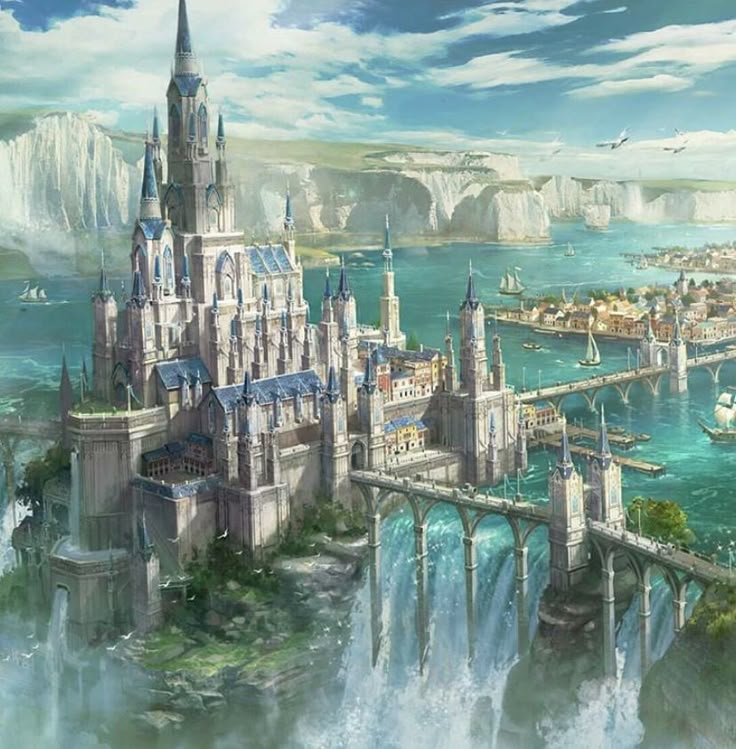
Kingdom of Cales
The Kingdom of Cales is a peaceful, river-nourished realm of roughly 108,000 people, known for its fertile plains, elegant bridges, and the harmonious coexistence of Humans, Elves, Halflings, Dwarves, and Half-Elves. Governed from the capital of Caelondria under the River Throne, Cales thrives through agriculture, craftsmanship, and its intricate system of waterways that link every major settlement. Its culture emphasizes cooperation, environmental stewardship, and a gentle spirituality centered on the Flowing Concord—honoring Avelora the River-Mother, Tirion the Bright, and Verrin Oakshaper. Millhaven’s waterwheels, Rivenshire’s golden fields, the elven sanctuaries of Elms-Deep, and the dwarven craft halls of South Barrow define a kingdom that values knowledge, diplomacy, and the quiet strength found in community. Education flourishes through communal tutors, guild apprenticeships, and centers of learning like Goldenrise, ensuring that wisdom and practical skill pass freely between generations.
Cales’ influence extends beyond its modest size through trade diplomacy, neutral mediation, and dependable river-based commerce. While its military is small, the disciplined Riverguard and agile Riverfleet protect its borders and secure its transport routes. The kingdom’s laws focus on fairness, restoration, and environmental protection, creating a stable society where conflict is resolved through dialogue rather than force. Behind its serene reputation, subtle political intrigue flows between noble houses, elven riverlords, dwarven guildmasters, and halfling merchant families, all maneuvering within the High River Council to guide the kingdom’s future. Yet Cales remains unified by shared values—balance, honesty, compassion, and respect for the land. Through cooperation, craftsmanship, and the steady guidance of the Flowing Concord, the Kingdom of Cales stands as a beacon of harmony and gentle prosperity in a world often shaped by storm and steel.
Structure
The Kingdom of Cales is governed by a hereditary monarchy known as the River Throne, a title passed through the royal Caelondrian bloodline. The monarch rules from the capital city of Caelondria, overseeing national law, foreign policy, taxation, and the administration of trade across the kingdom’s vital waterways. Supporting the crown is the High River Council, a body composed of noble houses, elven riverlords, halfling trade delegates, and appointed scholars who advise on diplomacy, agriculture, infrastructure, and cultural policy. Each region of Cales—riverlands, highlands, forests, and market districts—is governed by a Steward of the Realm, who ensures local stability and reports directly to the crown. While the monarchy holds ultimate authority, the council and stewards collectively guide decision-making through negotiation and consensus, producing a relatively stable and cooperative political environment.
Beneath this upper structure, Cales maintains a refined system of guilds, abbeys, and local assemblies that manage day-to-day governance. Guilds oversee major sectors such as milling, river transport, smithing, and viticulture, ensuring quality standards and fair trade across the region. Goldenrise and other religious or scholarly centers act as cultural arbiters, training diplomats, record-keepers, and mediators who support the monarchy’s diplomatic needs. Townships elect local Wardens, who administer law, settle disputes, and maintain infrastructure such as bridges, grain stores, and flood controls. This layered organizational framework allows the kingdom to function with remarkable efficiency: the monarch provides direction, the council shapes policy, and local institutions carry out the work—creating a harmonious governance model grounded in cooperation, agricultural abundance, and the steady flow of the rivers that sustain Cales.
Culture
The culture of Cales is shaped by its rivers, fertile plains, and peaceful multi-race coexistence, creating a society that values harmony, hospitality, and steady craftsmanship. Daily life revolves around the seasonal rhythms of planting, harvesting, festival cycles, and river trade. Humans provide the backbone of governance and agriculture, while Elves preserve ancient traditions, recordkeeping, and artistry that flow into Calesian music, architecture, and literature. Halflings bring warmth and communal joy through food, festivals, and expert river navigation, and Dwarves contribute disciplined craftsmanship in stone and metal. Cales celebrates unity in diversity, and its towns—large and small—feature shared markets, communal feast days, and cross-racial apprenticeships that strengthen bonds between all peoples of the realm.
Calesians prize beauty in simplicity: well-tended gardens, elegant bridges, carved riverstones, and melodic song traditions that echo across valleys at dusk. Storytelling is central to cultural identity, with tales of river spirits, ancient kings, and heroic envoys retold in taverns and abbeys alike. The people value emotional balance, diplomacy, and cooperation, making them respected mediators among neighboring nations. While capable of defending themselves, Calesians prefer peace over conflict and nurture a cultural expectation that strength is best demonstrated through wisdom, generosity, and patient resilience. This gentle yet resilient ethos permeates their clothing, customs, music, education, and governance—creating a kingdom defined not by conquest, but by the flourishing of community and the steady flow of life along its rivers.
Public Agenda
The public agenda of Cales focuses on preserving internal stability, protecting fertile farmlands, and strengthening the kingdom’s extensive river-based economy. Ensuring consistent harvests, maintaining well-kept irrigation systems, and funding mill operations are among the monarchy’s highest priorities, as agriculture is the lifeblood of both domestic well-being and trade influence. The River Throne invests heavily in infrastructure—bridges, dikes, canals, and road networks—to guarantee smooth movement of goods between settlements. Educational and cultural institutions such as Goldenrise receive state support to promote literacy, diplomacy, and peaceful cohesion among the realm’s diverse peoples. By encouraging cross-racial cooperation, shared festivals, and inter-regional guilds, the crown aims to solidify unity and prevent economic or cultural divisions from taking root.
Externally, Cales seeks to maintain its status as a neutral mediator among neighboring powers, leveraging its geographic position and gentle reputation to encourage trade treaties and peaceful resolutions to border disputes. The kingdom avoids military posturing and instead uses agricultural exports, river access, and diplomatic hospitality as tools of influence. Maintaining amicable relations with Skalzij, Rilt’kej, Pepji, and Velkara is central to long-term stability, and Cales often hosts negotiation summits, religious gatherings, and scholarly exchanges that strengthen regional ties. Through balanced diplomacy, controlled expansion of trade routes, and steadfast commitment to peace, the kingdom positions itself as a stabilizing force—a place where nations meet, agreements settle, and the steady flow of rivers mirrors the steady flow of cooperation.
Assets
Cales’ greatest assets stem from its abundant natural resources and highly developed river infrastructure, which together form the backbone of its prosperity. The fertile low plains around Rivenshire, Millhaven, and Bracketon produce exceptional harvests of wheat, barley, fruits, and specialty crops used in trade across the region. The kingdom’s extensive river networks—broad, slow-moving, and easily navigable—act as natural highways that connect all major settlements, enabling efficient trade and transport without large standing armies. Watermills, fishing grounds, vineyards, and orchards supply both domestic needs and valuable exports, making Cales a critical provider of food, beverages, and artisanal river goods to surrounding nations. Its mineral-rich northern hills, worked by both Humans and Dwarves, contribute high-quality tools, jewelry, and stonecraft that further diversify the kingdom’s economic strengths.
Beyond material wealth, Cales’ most powerful asset is its role as a cultural and diplomatic crossroads. Elven knowledge preserved in Elms-Deep and Goldenrise bolsters the kingdom’s reputation as a center of learning, diplomacy, and historical archiving. Mixed populations contribute unique crafts—Elven art, Halfling viticulture, Dwarven stonework—that draw foreign traders and scholars alike. The kingdom’s political neutrality, combined with its reliable agricultural surplus and its position between major nations, gives it considerable influence in regional negotiations. Cales’ stability, warm hospitality, and well-maintained infrastructure allow it to host summits, mediate disputes, and foster alliances, making it not only a land of fertile rivers but a bridge between cultures whose diplomatic reputation enhances its safety and prosperity as much as any fortress or standing army.
Demography and Population
With a total population of roughly 108,000 inhabitants, the Kingdom of Cales is a harmonious blend of races shaped by centuries of peaceful coexistence and shared prosperity along its fertile riverlands. Humans make up the majority at around 55%, most living in agricultural towns, mill districts, and the capital of Caelondria, where they occupy roles in governance, trade, and craftsmanship. Elves represent about 15%, concentrated in forest-adjacent settlements such as Elms-Deep and cultural centers like Goldenrise, where they serve as historians, spiritual advisors, and artisans. Halflings, at roughly 12%, dominate the southern villages and fertile deltas, contributing expertise in farming, viticulture, and river navigation. Dwarves account for about 8%, primarily inhabiting the northern hills and smithing enclaves such as Greyhollow. Half-Elves (6%) and other minority races (4%) fill niche roles within diplomacy, specialized craftwork, scholarship, and caravan trade, giving Cales a diverse yet unified demographic landscape.
Population density follows the natural contour of the land. The central river corridor holds the highest concentrations of people, with thriving hubs like Caelondria, Rivenshire, and Millhaven supporting large marketplaces and guild districts. The southern river-mouth settlements, including Driftwharf and Bracketon, maintain moderate but vibrant populations connected to trade routes extending toward Skalzij. The northern hills are more sparsely populated, with communities like Southbarrow and Highford reflecting a blend of dwarven craftsmanship and human resilience. Diversity is woven seamlessly into everyday life: markets are multilingual, festivals feature traditions from multiple races, and intermarriage—especially between Humans and Elves—has produced a notable Half-Elf presence. This demographic balance, combined with widespread literacy and strong communal ties, allows Cales to function as a unified, stable realm whose people embrace cooperation as readily as they embrace the steady flow of their rivers.
Military
The military of Cales is modest in size but highly organized, designed primarily for defense, border security, and rapid response along its river systems rather than large-scale warfare. The kingdom maintains a professional core force known as the Riverguard, composed mostly of trained Human and Elven soldiers supported by Halfling scouts and Dwarven-engineered equipment. Riverguard infantry specialize in shield formations, archery, and maneuvering across varied terrain, particularly the plains and hills that define much of the kingdom. Fortified towns such as Highford and Thornwall Keep maintain dedicated garrisons trained for defensive warfare and border control. The northern highland settlements, including South Barrow, contribute skilled Dwarven smiths and crossbow units who bolster Cales’ defensive deterrence. Though small, the army excels in discipline, knowledge of local terrain, and coordination with civilian river transport networks.
Naval strength in Cales is found in its Riverfleet, a compact but efficient collection of patrol boats, ferries, and shallow-draft skimmers used to control waterways, protect trade, and respond swiftly to threats along the Kelreth and its tributaries. These vessels are crewed by mixed-race teams: Humans and Elves handle navigation, Halflings expertly manage shallow-water maneuvering, and Dwarves maintain mechanical components. The Riverfleet works closely with local Wardens to preserve safe passage for merchants and travelers, while diplomatic ties with Skalzij ensure support along external sea routes when needed. While Cales lacks the overwhelming martial power of its neighbors, its military philosophy centers on prevention, mobility, and strategic withdrawal, ensuring that the kingdom remains secure through preparedness, tactical intelligence, and strong alliances rather than aggressive expansion.
Technological Level
Cales possesses a high level of practical technology, driven by its mastery of waterways, agriculture, and craftsmanship rather than large-scale industry or magical innovation. Its river-powered infrastructure is among the most advanced in the region: interconnected watermills, grain presses, textile wheels, and lumber cutters fuel economic growth in settlements like Millhaven and Rivenshire. Elven influence enriches architecture with elegant stone shaping and wooden latticework, while Dwarven smiths in South Barrow develop precision tools, durable farming implements, and mechanical lock systems for bridges and canals. Cartography, herbal medicine, and environmental management are well-developed sciences, taught in abbeys and scholarly halls where botanical studies, flood prediction, and weather-reading techniques help maintain stability across the fertile plains.
The kingdom is also a regional leader in diplomatic, archival, and educational sciences, much of which centers at Goldenrise and Caelondria. Scholars maintain vast historical records, standardize agricultural practices, and refine methods for water purification, long-distance signaling, and structural engineering of bridges. Elven and Human thinkers collaborate on philosophy, ethics, and the natural sciences, while Halfling communities contribute advancements in fermentation, crop rotation, and food preservation that are prized throughout neighboring lands. Though Cales lacks the industrial might of Skalzij or the arcane depth of Rilt’kej, its scientific strength lies in a well-rounded, peaceful innovation model—one that prioritizes sustainability, diplomacy, and the refinement of daily life through steady, intelligent craftsmanship.
Religion
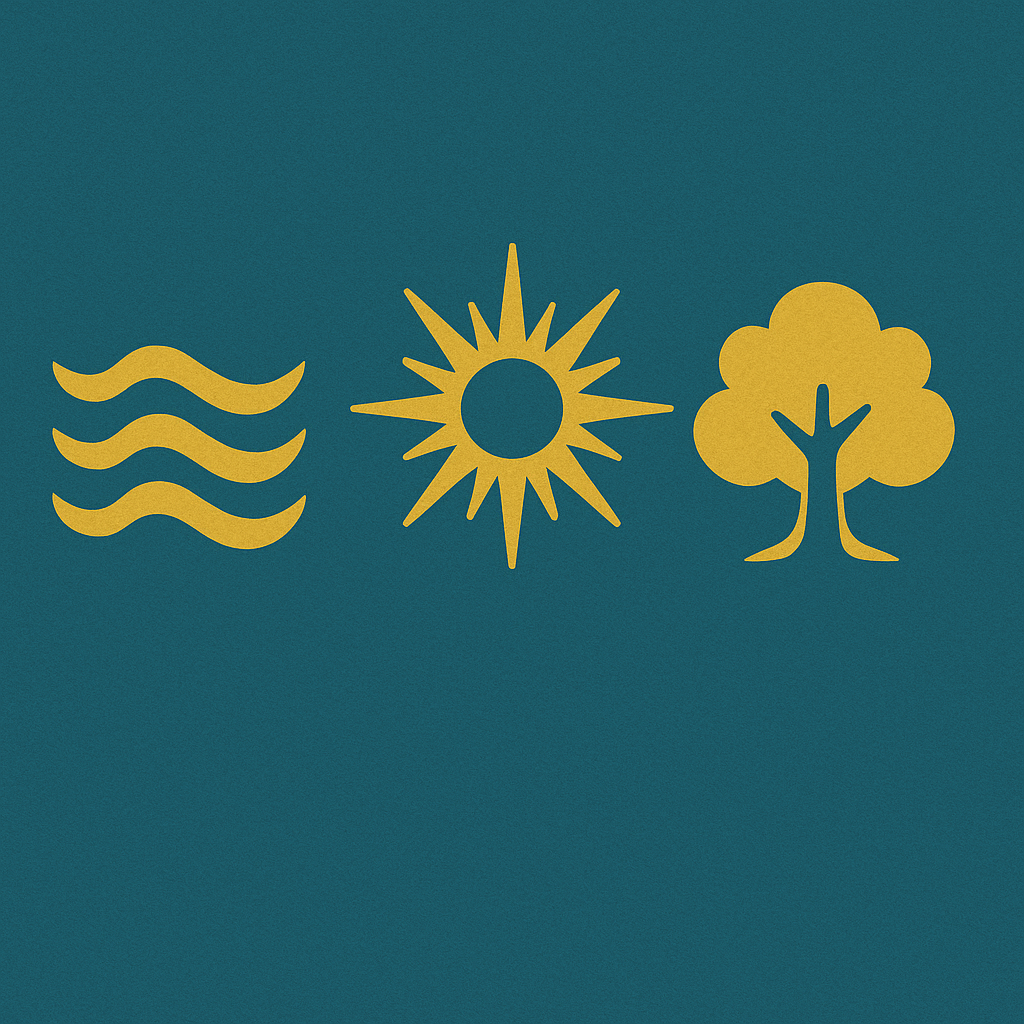
Religion in Cales centers on a harmonious belief system known as the Flowing Concord, a triad of deities and natural spirits tied to the rivers, fertile lands, and cycles of peace that define the kingdom. The primary deity is Avelora, the River-Mother, revered as the giver of life, harvests, healing, and emotional balance; her temples appear in every major settlement, often built beside bridges or springs. Alongside her stands Tirion the Bright, a solar guardian associated with justice, leadership, and diplomacy—patron of kings, envoys, and scholars, whose teachings guide the High River Council. The third figure of the Concord is Verrin Oakshaper, a nature spirit embraced by Elves and Halflings alike, representing growth, craft, and the quiet strength of the land. Worship is gentle, communal, and woven into daily routines rather than formalized doctrine. Prayers accompany planting, trade, travel, and festivals, making faith a steady current that flows through Calesian life without overwhelming it.
Religious institutions emphasize unity over hierarchy, and clergy—called Concord Keepers—act as counselors, educators, healers, and mediators rather than political authorities. Goldenrise serves as the spiritual heart of the kingdom, its hilltop sanctuaries preserving ancient hymns, herbal lore, and diplomatic rites passed down over centuries. Seasonal festivals are major religious expressions: the River Unbinding in spring, the Sunbridge Solstice in summer, the Harvest Concord in autumn, and the Lantern Descent in winter. These celebrations reinforce community bonds across racial lines, welcoming Humans, Elves, Halflings, Dwarves, and others into shared acts of gratitude and remembrance. Faith in Cales is characterized by gentleness, optimism, and the belief that cooperation mirrors the natural harmony of their rivers—flowing together, nourishing all, and smoothing the rough edges of the world.
Laws
The legal system of Cales is built upon the guiding principles of the Flowing Concord, emphasizing fairness, community welfare, and restorative justice over harsh punishment. At the heart of Calen law is the River Code, a body of statutes that prioritizes the protection of trade routes, farmlands, waterways, and public well-being. Theft, vandalism, and fraud are typically resolved through restitution, community service, and mediated agreements rather than imprisonment. Disputes between citizens are handled by local Wardens or Concord Keepers, who work to preserve harmony rather than assert dominance. Violence is strictly regulated; duels are outlawed, and assault or murder is met with exile, heavy reparations, or in rare cases—when public safety demands it—long-term detainment. Elves and Halflings often serve as scribes and record-keepers for the courts, ensuring that legal decisions respect history, context, and the grievances of all parties.
At the national level, the High Court of Caelondria oversees major cases, diplomatic issues, and enforcement of kingdom-wide laws. The monarchy retains ultimate authority, but its rulings are guided by a council of legal scholars, clergy, and representatives from each major racial group to ensure equity and consistency. Environmental protections are a unique strength of Calen law: river pollution, overfishing, and destruction of sacred groves are treated as serious offenses, with penalties designed to restore the damaged land. Trade laws ensure fair pricing, safe travel, and open markets, all of which sustain the kingdom’s prosperity. By rooting its laws in compassion, responsibility, and long-term stewardship, Cales maintains a stable and cooperative society—one where justice flows as evenly and predictably as the rivers that nourish the realm.
Agriculture & Industry
Agriculture is the foundation of Cales’ prosperity, nourished by the kingdom’s extensive river systems, rich alluvial soil, and mild climate. The fertile plains surrounding Rivenshire, Millhaven, and Bracketon yield abundant harvests of wheat, barley, oats, fruits, and specialty riverbank crops such as shimmering reed-grain and sweetwater berries. Halflings excel in viticulture and orchard care, producing celebrated wines and ciders that travel widely across the region. Elves introduce advanced methods of soil stewardship and seasonal planting, while Humans provide the workforce and organizational structure behind large-scale farming operations. Fishing along the Kelreth tributaries supplements inland diets, and well-maintained irrigation ditches ensure crop stability even during dry years. Agricultural guilds regulate crop rotation, seed quality, and market distribution, creating a reliable food network essential to both local communities and foreign trade.
Industry in Cales focuses on refinement rather than heavy manufacturing, using the kingdom’s natural resources to produce high-quality goods sought by neighboring realms. Millhaven stands as the industrial heart, its waterwheel complexes powering sawmills, grain mills, cloth looms, and paper presses. Dwarven enclaves near South Barrow forge tools, nails, hinges, and decorative metalwork renowned for their durability and craftsmanship. Elven artisans shape fine woodwork, riverstone carvings, and ceremonial items prized in courts beyond Cales’ borders. Textile production thrives in mid-sized towns, turning flax, wool, and river reeds into clothing and rope. While the kingdom lacks the massive foundries or shipyards of its more militarized neighbors, its industries are efficient, sustainable, and deeply connected to its rivers—producing everything from flour and timber to artisanal craft goods that reinforce Cales’ reputation as a peaceful, prosperous, and well-balanced realm.
Trade & Transport
rade in the Kingdom of Cales is dominated by its river economy, which binds the realm together and connects it seamlessly to its neighbors. The Kelreth and its branching tributaries form natural trade arteries, allowing barges loaded with grain, fruit, timber, textiles, and craft goods to flow between Rivenshire, Millhaven, Caelondria, and Driftwharf with ease. Markets such as Farerun and Southmere attract merchants from Pepji, Velkara, and Skalzij, giving Cales a reputation as a safe, neutral trading hub. Elven artisans and Halfling vintners produce luxury exports—fine glasswork, carved riverstone, wines, ciders—that command high value abroad, while Human-run guilds regulate trade quality, weights, and taxation to ensure fair commerce. As a result, Cales enjoys economic stability without relying on militaristic expansion, using trade diplomacy and reliable exports to maintain influence across the region.
Transport within Cales is efficient, elegant, and overwhelmingly water-based, supported by an extensive network of bridges, ferries, and canals. Barges and shallow-draft skimmers move goods faster than roads ever could, and many towns are built directly along river bends to maximize accessibility. Well-maintained stone highways link river ports to inland settlements such as Highford and South Barrow, with patrol Wardens ensuring safe travel and preventing brigandage. Dwarven engineering enhances bridge durability and lock systems, while Halfling ferrymen provide unmatched expertise in navigating complex waterways. The kingdom’s transport philosophy favors speed, connectivity, and gentle environmental impact, mirroring its cultural values. Whether by boat, cart, or caravan, movement in Cales is predictable, safeguarded, and intentionally designed to keep the kingdom’s economy flowing as smoothly as its rivers.
Education
Education in Cales is rooted in a tradition of shared learning, practical skill-building, and cultural harmony, shaped by contributions from Humans, Elves, Halflings, and Dwarves alike. Most children begin their education in small community halls, where they learn reading, mathematics, history, and rivercraft from local tutors or Concord Keepers. Elven instructors often teach philosophy, herbalism, and the natural sciences, while Halfling teachers focus on agriculture, cooking, and river navigation. As students grow older, they choose apprenticeships aligned with their talents—milling, farming, diplomacy, smithing, artistry, or trade. These apprenticeships are overseen by guilds that ensure consistent quality and uphold ethical standards across the kingdom. Education in Cales emphasizes kindness, cooperation, and respect for both nature and diversity, reflecting the foundational values of the Flowing Concord.
Advanced study occurs in dedicated centers such as Goldenrise, where scholars train in diplomacy, theology, linguistics, and the stewardship of ancient knowledge. Caelondria hosts academies for governance, engineering, architecture, and river hydrology, drawing students from across the region. Dwarven enclaves near South Barrow provide technical instruction in metalwork, construction, and craftsmanship, while Elms-Deep offers tutelage in natural magic, lore, and artistic traditions. Cales places high cultural value on literacy and learning—not for military power or political advantage, but to strengthen community bonds and preserve wisdom for future generations. As a result, the kingdom enjoys a well-educated populace capable of innovation, ethical leadership, and thoughtful negotiation, making Cales one of the most intellectually respected realms in the region.
Infrastructure
The infrastructure of Cales is among the most elegant and efficient in the region, built around the kingdom’s vast river network, which functions as both transportation grid and agricultural lifeline. Stone bridges—crafted with Dwarven precision and elven aesthetic—span major waterways, linking cities like Caelondria, Rivenshire, and Millhaven with remarkable stability and beauty. Canals and controlled irrigation channels feed farmland and prevent seasonal flooding, allowing consistent harvests across the plains. Watermills power saws, presses, and textile machinery in Millhaven and Bracketon, while ferry docks and barge stations ensure seamless movement of goods between towns. Roads are well-maintained, winding gently alongside the rivers; they’re patrolled regularly by Wardens to prevent banditry and assist travelers. Every major settlement has access to clean water due to communal wells, purification stones, and Elven-designed aqueducts that keep disease rates low and quality of life high.
Beyond transportation and agriculture, Cales invests heavily in public architecture, communication, and civic services. Town halls, trade houses, abbeys, and market squares are central gathering spaces built from local stone and timber, emphasizing accessibility and beauty rather than fortification. Beacon towers line high ridges and hilltops, allowing long-distance communication through lantern codes and signal banners. Floodgates, embankments, and emergency shelter points protect river towns from rare but dangerous storms, while Goldenrise maintains the central archives, libraries, and diplomatic chambers for regional events. Smaller villages benefit from guild-funded granaries, communal ovens, and paved walkways connecting fields to river docks. Even remote settlements like South Barrow are linked to the heart of the kingdom by dependable supply routes and craftsmanship networks. Altogether, Calen infrastructure embodies harmony, forward-thinking engineering, and the belief that a well-connected, well-cared-for people form the strongest foundation for national prosperity.
Mythology & Lore
The mythology of Cales is a tapestry of river lore, ancestral tales, and nature-centered legends passed down through Humans, Elves, Halflings, and Dwarves who have shared the land for centuries. Central to Calen myth is the story of Avelora the River-Mother, said to have carved the Kelreth with her flowing hands as she sought to bring life and harmony to a once-barren landscape. Tales claim her laughter became the tributaries, her tears the springs, and her heartbeat the rhythm of seasonal floods. Alongside her stands Tirion the Bright, a radiant guardian who descended in an age of strife to broker peace between ancient tribes; myths say his spear became the sunbeams that guide travelers, while his shield became the laws that protect the realm. The third figure, Verrin Oakshaper, is revered as the gentle craftsman of the land—shaping forests, hills, and groves where both elves and halflings claim to have first learned their arts. Together, the trio embodies water, light, and earth: the forces believed to sustain the kingdom.
Mythic stories also describe a time before the founding of Cales, when river spirits, wandering giants, and cunning fae contested the fertile valley. Heroes like Queen Seralyth the Ford-Walker, who supposedly crossed the raging Kelreth unharmed, and Dromir Stonehand, a dwarven builder who shaped the first bridges with a hammer gifted by Verrin himself, feature in epic poems still sung in taverns and abbeys. Halfling folklore adds playful elements: tales of trickster river sprites who teach humility through harmless mischief, or moonlit gatherings where the River-Mother whispers secrets to those patient enough to listen. These myths are less about divine command and more about living in harmony with the land, teaching that peace, cooperation, and respect for nature are the virtues that allowed Cales to flourish. Through storytelling, festivals, and ritual song, mythology remains a living current connecting the people of Cales to their origins, their rivers, and one another.
Divine Origins
The origins of the Kingdom of Cales trace back to a time of scattered river clans and migratory bands who settled along the fertile banks of the Kelreth. Early Human farmers, Elven woodshapers, Halfling vintners, and Dwarven artisans all arrived independently, drawn by the valley’s abundant resources and gentle climate. Rather than competing for territory, these groups formed cooperative agreements centered on shared irrigation channels, seasonal harvests, and mutual protection from wandering beasts. Oral traditions say that unity first arose during the Great Flood of Selanor, when rising waters threatened to sweep the valley clean—yet the combined efforts of all peoples saved the land and one another. This event laid the foundation for a rare kind of multicultural cohesion long before the idea of a kingdom emerged. Over time, the settlements grew more connected, with trade routes, mill networks, and communal festivals weaving disparate communities into a single, thriving region.
The formation of the kingdom itself began when a respected diplomat and river mediator, Alen Caelond, resolved long-standing border disputes and forged the first binding accords between the major clans. His leadership and vision led to the establishment of Caelondria at the river’s heart and the creation of the River Throne, uniting the region under a peaceful monarchy built on cooperation rather than conquest. Under his descendants, Cales developed strong guilds, a council-supported governance model, and a cultural identity rooted in harmony, shared craftsmanship, and the sacred flow of the rivers. Unlike nations forged in war or born from ancient empires, Cales emerged organically—its strength arising from the steady collaboration of its people, the nurturing power of its waterways, and the enduring belief that stability comes not from domination, but from balance and unity.
Tenets of Faith
The faith of Cales is built upon a set of guiding principles known as the Tenets of the Flowing Concord, which emphasize harmony with nature, compassion toward others, and the steady pursuit of balance. The first tenet, Let Life Flow Gently, teaches that individuals should move with—not against—the natural rhythms of the world, embracing patience, adaptability, and the quiet strength of rivers. The second, Honor the Light of Truth, draws from the teachings of Tirion the Bright, encouraging honesty, fairness, and moral clarity in all relationships. The third, Guard the Roots That Sustain You, reflects Verrin Oakshaper’s wisdom: to protect family, land, and community as one interconnected whole. Together, these principles form the spiritual foundation of Calen society, influencing everything from education and diplomacy to agriculture and daily conduct.
Additional tenets shape the ethical outlook of the faithful. Share What the River Gives encourages generosity and communal responsibility, reminding citizens that abundance is meant to be circulated rather than hoarded. Walk Softly Through the World instills environmental stewardship, urging respect for the rivers, forests, and living things that nourish the realm. The final tenet, Seek Concord in All Things, reinforces cooperation over conflict, promoting mediation, empathy, and the belief that peace is more enduring than force. These tenets are not enforced by fear or rigid doctrine; instead, they are lived through ritual, story, and communal tradition—creating a culture where spiritual practice is integrated seamlessly into daily life, and where faith guides the kingdom toward unity, stability, and gentle wisdom.
Ethics
Ethics in the Kingdom of Cales revolve around the belief that individual actions ripple outward, shaping the health and harmony of the entire community just as a single disturbance moves through a still pond. Calesians are taught from childhood that compassion, honesty, and cooperation are not merely virtues—they are necessities for preserving the delicate balance that allows many races and traditions to coexist. The ethical cornerstone is harmonious living, encouraging citizens to resolve conflicts through dialogue, to share resources fairly, and to support neighbors in times of hardship. Deception, cruelty, or selfish ambition is strongly frowned upon, not because of strict punishment, but because such behavior is believed to damage the “flow” of community life. In Calesian moral teaching, strength is best expressed through kindness, patience, and the willingness to uplift others.
Environmental care is also deeply embedded in Calesian ethics. A common saying—“Guard what guards you”—reflects the belief that the land, rivers, and forests are living partners rather than resources to exploit. Wasting water, neglecting fields, harming wildlife, or polluting streams is considered ethically irresponsible, even sacrilegious to followers of the Flowing Concord. The ethical value of reciprocity ensures that communities give back to the land through replanting, restoration, and mindful harvesting. There is also a strong expectation of diplomatic morality: truthfulness in negotiations, fair treatment of foreigners, and the upholding of treaties are treated as signs of national honor. Guided by these principles, ethics in Cales promote a society that values balance over dominance, stewardship over exploitation, and unity over division.
Worship
Worship in Cales is a gentle, communal, and rhythmic practice woven seamlessly into daily life rather than concentrated in rigid ceremonies or hierarchical institutions. The Flowing Concord encourages individuals to honor the deities—Avelora the River-Mother, Tirion the Bright, and Verrin Oakshaper—through small, meaningful acts: offering a cup of fresh water to a shrine, lighting a dawn candle on a windowsill, or speaking words of gratitude before meals. Riverbank altars and stone markers can be found in every settlement, often decorated with flowers, woven reeds, or polished riverstones left by travelers and villagers. Festivals play a major role in worship, with seasonal celebrations like the River Unbinding or Harvest Concord bringing together Humans, Elves, Halflings, and Dwarves in song, dance, storytelling, and shared feasts. Worship in Cales is not about strict doctrine—it is about celebrating life, honoring nature, and reinforcing bonds among neighbors.
While temples exist, they function more as centers of community and learning than sites of rigid ritual. Goldenrise stands as the spiritual heart of the kingdom, where Concord Keepers oversee ceremonies, record sacred lore, and guide meditation practices that emphasize peace and balance. Elven priests often lead forest or garden rituals honoring Verrin, while Halfling congregations celebrate Avelora with water blessings and river lanterns. Tirion’s worship takes the form of oaths, ethical discussions, and sunrise gatherings where citizens reaffirm their commitment to truth and justice. Music and flowing movement are central to Calen worship—flute songs, choral harmonies, and gentle river drums accompany nearly every major rite. In essence, worship in Cales mirrors the nature of its people and land: calm yet vibrant, diverse yet unified, always flowing toward harmony.
Priesthood
The priesthood of Cales is composed of compassionate spiritual guides known as Concord Keepers, devoted to maintaining harmony between the people, the land, and the three central deities of the Flowing Concord. Unlike hierarchical clergy in more rigid kingdoms, Concord Keepers are chosen through community recognition, based on wisdom, empathy, and their ability to mediate disputes or bring comfort to those in need. They serve as counselors, teachers, healers, and archivists rather than political authorities. Many Concord Keepers specialize in aspects tied to their patron deity: River-Wardens devoted to Avelora oversee water blessings, healing rites, and irrigation rituals; Sun-Stewards honoring Tirion focus on ethics, diplomacy, and guiding civic leadership; and Grove-Binders aligned with Verrin teach environmental stewardship, herbal knowledge, and craft traditions. Their robes are simple and symbolic—woven with blues for the river, gold for the sun, or green for the forest.
Temples and sanctuaries led by Concord Keepers function as centers of community rather than centers of power. Goldenrise—Cales’ spiritual and academic heart—trains new Keepers in philosophy, lore, music, and conflict mediation, ensuring the priesthood serves as a stabilizing force throughout the kingdom. In villages, Keepers organize seasonal rituals, lead festivals, interpret omens, and maintain shrines that double as safe havens for travelers. While they hold no legal authority, their moral influence is considerable; monarchs and council members frequently seek their counsel during times of uncertainty. Above all, Concord Keepers embody the kingdom’s core belief: that spiritual leadership is not about commanding from above, but about serving with humility, guiding communities as gently and steadily as the rivers that sustain Cales.
Granted Divine Powers
The Concord Keepers of Cales do not wield flashy or destructive magic; instead, the divine powers granted by the Flowing Concord manifest as subtle, natural, and deeply practical blessings. Those devoted to Avelora, the River-Mother, often exhibit an intuitive affinity for water—able to sense shifts in river currents, predict rainfall, calm disturbed waters, or purify small amounts of drinking water with ritual focus. Keepers aligned with Avelora also receive gentle healing abilities: easing fevers, soothing emotional wounds, or accelerating the recovery of minor injuries through songs, touch, or the use of blessed river herbs. These gifts are subtle enough to be mistaken for skill or intuition, yet consistent enough that the people of Cales trust the River-Mother’s influence in daily life.
Followers of Tirion the Bright receive blessings tied to clarity, truth, and moral guidance. Their divine gifts may sharpen perception during negotiations, reveal dishonesty through subtle emotional cues, or bring mental calm to those in turmoil. Some Sun-Stewards can kindle a harmless, symbolic light in their palm during ceremonies—a mark of Tirion’s presence during oaths or diplomatic rites. Meanwhile, Keepers devoted to Verrin Oakshaper possess minor abilities that strengthen their bond with nature: encouraging plant growth in small areas, soothing frightened animals, or sensing when the land has been disturbed or polluted. None of these powers are overwhelming, but together they reflect the kingdom’s belief that divinity works like its rivers—quiet, steady, nourishing, and always flowing toward balance. These blessings help maintain harmony across Cales, reinforcing the priesthood’s role as healers, mediators, and caretakers of both the land and its people.
Political Influence & Intrigue
Though Cales is widely regarded as a calm and harmonious kingdom, political intrigue quietly flows beneath its peaceful exterior, much like the undercurrents of its rivers. The monarchy must constantly balance the interests of Humans, Elves, Halflings, and Dwarves—each group holding influence in different regions. Human noble houses often negotiate for greater control over trade and agricultural taxation, while Elven riverlords advocate for environmental protections and cultural autonomy. Dwarven guildmasters press for expanded mining rights near South Barrow, and Halfling merchant families compete to secure ferry routes and orchard lands. These negotiations rarely erupt into open conflict, but they produce a steady stream of quiet alliances, subtle rivalries, and political maneuvering within the High River Council. Diplomacy is the preferred weapon in Cales, and disputes are fought not with blades, but with favors, promises, and carefully crafted agreements.
Externally, Cales wields influence far beyond what its modest military strength would suggest. Its reputation as a neutral mediator allows the kingdom to shape regional politics through hosting treaties, arbitrating disputes, and controlling access to valuable agricultural exports. Neighboring powers—Skalzij, Rilt’kej, Velkara, and Pepji—regularly court Calen favor, seeking grain shipments, diplomatic support, or access to the vital river routes that pass through its lands. Skilled envoys trained at Goldenrise work to maintain this precarious balance, ensuring Cales remains indispensable without becoming entangled in foreign conflicts. However, neutrality comes at a price: foreign spies seek to sway council members, merchant guilds maneuver to influence policy, and distant kingdoms subtly pressure Cales to choose sides in disputes not of its making. Thus, while Cales appears serene on the surface, its political landscape is a careful dance—one guided by wisdom, negotiation, and the ever-present need to preserve the unity and peace that define the kingdom.
Sects
While the Flowing Concord unites most of Cales under a shared spiritual philosophy, several distinct sects interpret its teachings in unique and culturally rich ways. The largest is the Riverbound Order, devoted primarily to Avelora the River-Mother. Riverbound Keepers conduct water-blessing rites, manage purification rituals, and maintain sacred springs and shrines along the Kelreth. They emphasize healing, emotional balance, and the natural flow of life, making them the most commonly encountered spiritual leaders across villages and marketplaces. The Dawnwardens, followers of Tirion the Bright, focus on ethics, truth, and peacemaking; they guide diplomacy, oversee oath ceremonies, and serve as impartial mediators in legal disputes. Their temples often rise on hilltops where the first sunlight can be seen. A third major sect, the Greenroot Circle, venerates Verrin Oakshaper and promotes environmental stewardship, craft traditions, herbal knowledge, and the preservation of sacred groves. Elves and Halflings are especially drawn to this tradition, though its teachings resonate widely.
Beyond these primary sects exist several smaller, more specialized groups. The Lanternshore Fellowship, prominent in Driftwharf and other southern river ports, blends reverence for Avelora with maritime customs, offering nightly lantern-floating ceremonies to guide travelers and honor the departed. The Silvercurrent Mystics are contemplative monks who study the metaphorical and literal flow of water, seeking spiritual insight through meditation, tide-watching, and quiet isolation near waterfalls or river cliffs. In the northern hills, the Stonegleam Compact combines dwarven craftsmanship with Tirion’s teachings, believing that well-made tools and honest work are forms of sacred devotion. Though each sect expresses the Concord differently, all remain deeply interconnected, contributing to the kingdom’s spiritual cohesion and reinforcing its identity as a realm where faith flows gently, diversely, and in harmony with the land.

Comments