Kinds of Bonding
There are four main ways of 'bonding' with animals or spirits. These being: familiar bonding, dark bonding, ancestral bonding, and soul bonding.
- Familiar Bonding: Follows the idea of two souls bonding with one another on a spiritual level and no other. Familiars and their partners can detect basic shifts in emotion but nothing further. They can communicate with one another telepathically and the bond awards the mortal with a wider magic pool as well as the ability to master other techniques depending on the familiar. Animals are typically the only ones that can become familiars but certain rituals allow fae to be included to the list.
- Dark Bonding: Details the action of purposely or accidentally merging ones soul with a spirit during a ritual. This action warps the spirit's soul into a pit of darkness with the mind of whoever did it. Spirits are not inherently bad, but this action causes them to cross a line into what many would call evil. These spirits are named wraiths and killing them is near impossible for many.
- Ancestral Bonding: Typically the type of bond one sees when they speak of animalkin. Lycans or werewolves are one such example of an ancestral bond. These bonds are passed down through a bloodline/ancestral line by that of vows, curses, or blessings and effects all those within said line.
- Soul Bonding: Any other type of possible bond usually ends up here, mostly due to the presence of two souls bonding and sometimes even merging. This is also sometimes known as life-force bonding as it details the fact that two lives are now entwined to one another.
There are a few more specific and significant ones though that have been partaken in for centuries.
Dragon
Seen as the most prestigious of bonding rituals, mostly due to the fact that dragons choose more so than the person. A dragon of any age can choose a partner be it a child or an elderly soul. Not all dragons choose a partner but those that do see a swath of advantages. A dragon wishing for a partner will search far and wide. It is reported that many will be drawn to instances where a partner may reveal themselves, though these conditions are not known as dragons hardly speak about it.
Once a dragon finally finds their partner, they will approach. Usually, the partner has little choice in the matter depending on the age of the dragon. Younger dragons are far more lenient with being told no, as multiple partners may fit the bill. Older dragons do not have such patience and will force a bond. There is also a rare type of dragon and partner that is destined to be together and no other partner will work.
There is little ceremony in the way of becoming bonded with a dragon, most of the work is done on the dragon's side. Some dragon's will distance themselves from their partner, others will stay close. A dragon's personality hardly alters as even bonded dragons may still possess little respect for mortals.
Griffin
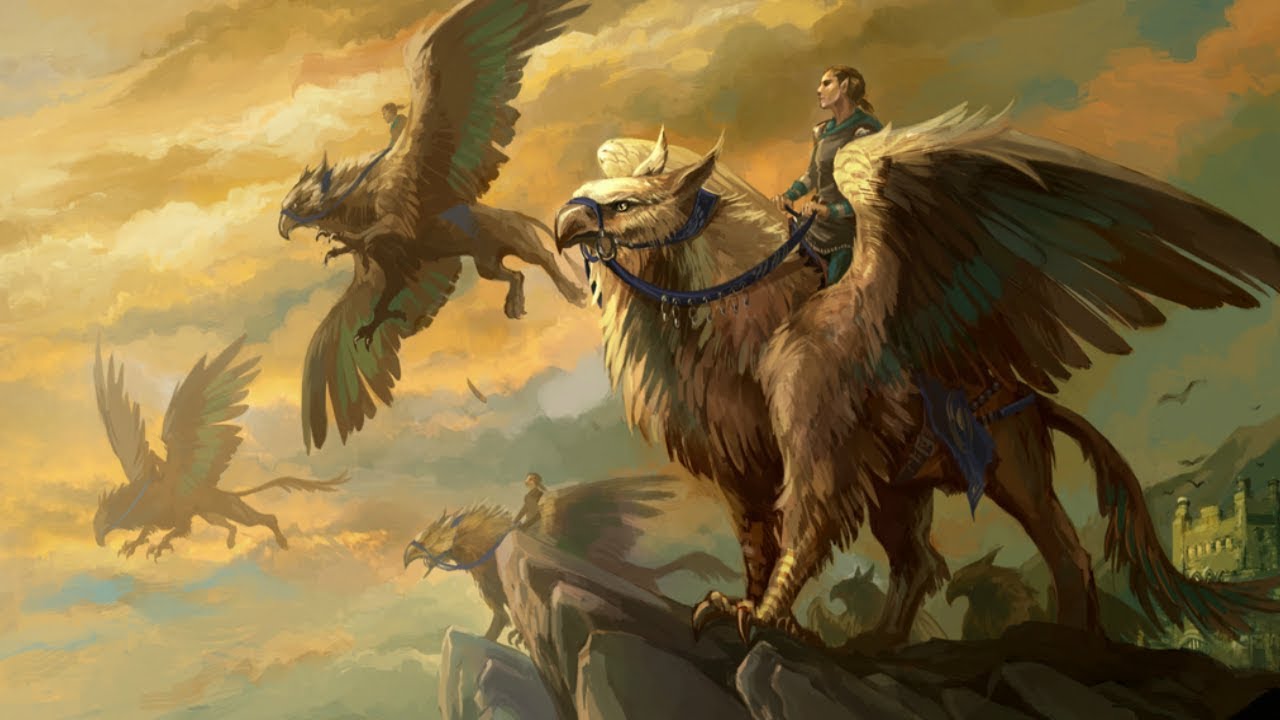
The ritual of a griffin bonding takes place at a very young age for both the rider and the griffin. It is known that at all ages, griffins can be ridden and due to being a loyal creature, will do much for their partners regardless of whether or not said partner is bonded. Unlike dragons, griffins see very few perks of bonding and their lack of propensity towards magic doesn't exactly make them favorable for the same purposes as dragons.
As stated, bonding between rider and griffin takes place at a young age between a child around the ages of 10-18 and a juvenile chub. Upon two partners finding one another, the two will be placed into an exhilarating but dangerous month long ritual that will see them both transcend together on the physical, mental, and spiritual level. In the end, the griffin and rider will be able to undergo a process known as mind/consciousness transference.
These bonds can only be broken in death.


Comments