Red Hands
The Red Hands Thieves’ Guild
Founded: 614 PR
Origin: Emberport, Tudor Empire
Founders: Smugglers and debtors loyal to House Rongeur
Motto: “Coin bleeds red.”
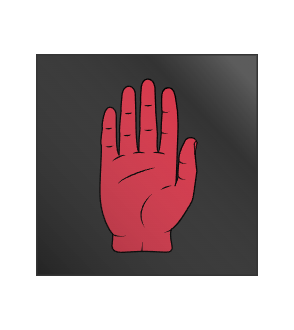
Symbol: A crimson-stained handprint over a black rat’s tail—signifying loyalty to the Rongeurs and blood oath to secrecy.
The Seeds of Emberport (580–613 PR)
After the Fire Years in Grindton (586 PR), the Rongeurs turned their eyes north to Emberport, a lawless coastal inlet near the Tudor Gulf. Once a minor wharf for salt smuggling, it grew into a den of exiles, pirates, and black-market traders, many fleeing the empire’s purges of “undesirables.”
House Rongeur, rebuilding its fortune after plague and war, quietly funded these docks. Through secret charters and coded shipping ledgers, they made Emberport a safe harbour for off-book cargo—spices from Abritus, Fenraith ivory, and, most lucratively, black powder and poisons from House Vipère’s alchemists.
Birth of the Red Hands (614 PR)
In 614 PR, Merthin Rongeur—then still a young port-warden under his mother Lady Ysmera—authorized a “dock syndicate” to stabilize smuggler feuds.
Led by Korrin Vey, a one-handed cutpurse from Leadenport, and Selra the Tide, a Vipère courier, the syndicate swore a crimson-palm oath: any thief spilling blood on Tudor soil would mark their hand red and pay tithe to the Rongeur treasury.
That oath became legend—the Red Hands were born, their initiation requiring the burning of a blood-soaked palm over a brazier of black salt.
Rise and Structure
By 620 PR, the Red Hands had grown from a smuggler’s circle into a sprawling thieves’ guild spanning the Tudor western coast. Their organization mirrored a merchant house:
- The Crimson Council — five lieutenants controlling smuggling routes, assassins, fences, forgers, and debt-collectors.
- Dockwardens — mid-rank captains overseeing coastal operations; recognizable by crimson wax seals instead of signet rings.
- The Black Tally — a secret codex recording debts, assassinations, and bribes paid to the Tudor Council. Only Merthin Rongeur and his spymaster kept copies.
Though officially outlawed, the guild operated under Rongeur protection, funnelling coin into Leadenport’s coffers and providing a shadow-navy of cutthroat sailors in wartime.
Faith and Patronage
Many Red Hands privately revere Drevrena, Goddess of Night and Shadows—the same patron secretly worshipped by the Vipères—believing every theft sanctified by her silence.
Their rites blend the Rongeurs’ merchant pragmatism with the Vipères’ cultic secrecy, forming what scholars call “The Triad of Ash, Venom, and Coin” linking Rongeur, Vipère, and Red Hand alike.
Legacy and Current Influence
By the current year (c. 620 PR), the Red Hands remain Tudor’s largest thieves’ consortium, their influence reaching:
- Leadenport’s foreign quarter, where they launder contraband through Rongeur trade houses.
- Embermoor, selling Vipère venoms disguised as perfumes.
- Grindton, brokering slave labour and forged iron contracts.
Though House Rongeur denies involvement, the guild’s crimson sigil still appears carved on wharf posts at night—a warning and a promise:
“The ports belong to the rats, the gold to the vipers, and the blood to the Hands.”
Summary:
The Red Hands began as a Rongeur-sponsored smuggling pact in Emberport (614 PR) and evolved into a thieves’ guild that dominates Tudor’s underworld, balancing brutality with merchant discipline. It stands as the unspoken third arm of the Rongeur-Vipère alliance—where poison, coin, and blood all buy silence.