
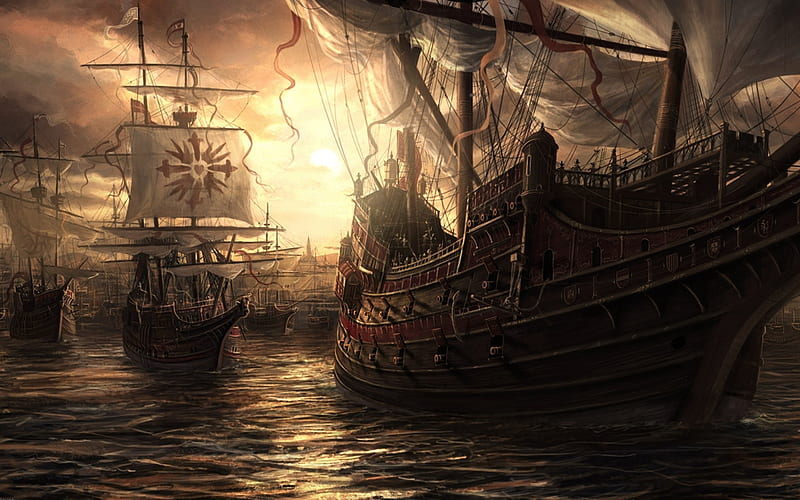
The fall of the Brakken kingdom
War Overview
classic scenario of a large, resource-hungry empire struggling to subdue a resilient, resource-rich kingdom that has managed to fend off its advances.
Offering a deal that preserves the kingdom’s independence while requiring them to adhere to the empire’s religion and policies, and even provide military support. It puts the kingdom in a complex position where they retain a nominal autonomy, but they’re effectively absorbed into the empire’s sphere of influence.
Valgarien Empire’s Motivation and Strategy
- Resource Acquisition: The empire needs the kingdom’s resources, but can no longer afford a protracted war. Offering conditional autonomy is a pragmatic compromise to avoid further resource depletion.
- Political and Cultural Influence: By enforcing religious conversion and policy alignment, the empire can ensure loyalty and assimilate the kingdom over time, reducing the risk of future rebellion.
- Military Support: By demanding soldiers, the empire not only gains more military strength but also keeps the kingdom’s forces from growing too strong independently.
Brakken Kingdom’s Motivation and Dilemma
- Preservation of Independence: While the kingdom can maintain a form of independence, it will have to balance this with the demands of the empire, likely facing internal resistance, especially with the enforced conversion.
- Resource Retention: Keeping their land and resources allows them to sustain themselves and potentially negotiate in the future.
- Limited Autonomy: Although they retain some autonomy, they’re subject to the empire’s rules and policies. This could be stifling for the kingdom’s people, and there may be resistance to following the empire’s religion.
Conflicts
- Internal Resistance in the Kingdom: Many citizens may resist the new religion and policies, leading to unrest or underground movements that could challenge both the kingdom’s ruler and the empire.
- Fragile Alliance: The kingdom’s leaders might secretly try to rebuild their strength to one day break free or at least renegotiate the terms, setting up potential conflicts down the line.
- Empire’s Waning Power: If the empire’s resources continue to dwindle, the kingdom might seize the opportunity to reclaim more autonomy or even rally other small kingdoms to resist the empire together.
This sets the stage for intricate political and cultural tension, where both the empire and the kingdom must tread carefully, each attempting to secure their long-term survival in a high-stakes balancing act.
Context
The war began due to territorial disputes over resource-rich lands. The Valgarian Empire seeks to expand its influence and impose its religious beliefs, while the Brakken Kingdom fights for independence and to preserve its way of life. Previous battles claimed the lives of the ruling King, and heir. This put Ravanna Brakken, the last living family member of the previous king, on the throne. During her short reign, she managed to re-establish previously annexed territories, making the empire nervous. They offered her a treaty in hopes of ending the war, and to give themselves more time to convert the kingdoms people to the Empires ideals. Despite the small win, the Brakken Kingdom's land-based trade routes were all being monitored by the Valgarien Empire, and they were under a naval blockade as well. Being cut off from all external trade, the Brakken kingdom was pushed to sign the treaty.
Terms of the Treaty Between the Brakken Kingdom and the Valgarien Empire
Autonomy and Sovereignty
- Partial Autonomy: The Brakken Kingdom will retain its title as an independent state but with limited control over significant decisions. The empire will oversee military and foreign policy decisions, ensuring that any major international actions or conflicts are aligned with the empire's interests.
- Loss of Territories: In exchange for peace, Ravanna is forced to cede certain border territories to the Valgarien Empire. These territories are strategically valuable or vulnerable points, particularly those near the kingdom’s weakest defenses or rich in resources.
Cultural and Religious Changes
- Religious Conversion: The kingdom’s people will be required to adopt the religion of the Valgarien Empire. Temples will be established, and religious leaders loyal to the empire will be appointed to guide the kingdom’s people in the new faith. This imposition on their deeply held beliefs will be a source of internal tension.
- Social Policies: The empire’s rigid social policies will be enforced, including restrictions on certain traditional festivals and practices. Education in the Valgarien language and culture will be mandatory, and new laws will dictate gender roles and societal hierarchies, fundamentally reshaping the kingdom’s cultural identity.
Economic and Military Clauses
- Resource Sharing: The Brakken Kingdom will be required to supply the empire with vital resources, including food supplies, strategic minerals, and agricultural products. In return, the kingdom will receive a steady supply of luxury goods and essential technology from the empire, although this exchange will be skewed in favor of the empire.
- Military Obligations: The kingdom will be obliged to provide troops to fight in the empire’s ongoing conflicts, especially in key strategic regions. These troops will be at the empire’s disposal when needed, although Ravanna may negotiate to keep control over how and where the kingdom’s soldiers are deployed.
Rights and Privileges
- Exemptions and Protections: In an attempt to preserve some sense of independence, Ravanna negotiates clauses that allow for limited exceptions to the empire’s social and cultural changes. These might include the continued use of the kingdom’s native language in daily life, the preservation of certain holidays and cultural practices, and some degree of local governance within the kingdom's own territory.
- Rights to Appeal: Ravanna secures the right for the kingdom to appeal against any decisions made by the empire that may be seen as excessively oppressive or in violation of the treaty’s protections. This clause offers some potential recourse if the empire oversteps its bounds.
Monitoring and Enforcement
- Empire’s Presence: A Valgarien administrative presence will be established within the Brakken Kingdom to oversee compliance with the treaty’s terms. Governors, advisors, and military officers loyal to the empire will be stationed in key areas to monitor the kingdom’s activities and ensure the treaty’s conditions are met.
- Penalties for Non-Compliance: The treaty clearly defines penalties for non-compliance, including economic sanctions, withholding of resources, or military intervention if the kingdom fails to uphold the terms of the agreement. These measures ensure that Ravanna's people remain in line with the empire’s demands.
The Valgarien Empire's rule and isolation of the Brakken Kingdom create profound ripple effects across the interconnected regions of West Lavania. This dynamic impacts each region based on its distinct strengths and dependencies
Brakken Kingdom (The Isolated Kingdom)
- Economic Collapse:
The Brakken Kingdom, now isolated, faces difficulties exporting its mineral wealth and seafood, key components of its economy. With limited access to external markets, the kingdom might have surplus goods it cannot sell, leading to wasted resources and a strained economy. - Supply Shortages:
As a major importer of goods, the kingdom struggles to acquire foreign luxuries, metal tools, and weapons. This impacts daily life, infrastructure, and the military’s ability to replenish equipment. - Internal Unrest:
The isolation exacerbates tensions within the kingdom as citizens suffer from shortages and economic hardship. Noble factions and merchants dependent on trade turn against the Empire and even Ravanna, viewing the treaty as a betrayal. - Resource Overutilization:
With limited imports, the Brakken Kingdom is forced to rely heavily on its own resources, leading to potential overharvesting of minerals and seafood, threatening long-term sustainability.
Republic of Sarnica (The Trade Hub)
- Economic Disruption:
Sarnica, heavily dependent on foreign trade, loses a major importer of its unique goods and spices. Fewer traders from the Brakken Kingdom pass through, reducing the republic’s revenue and global influence. - Rerouted Trade:
Merchants and travelers avoiding Brakken's controlled waters look for alternate routes, boosting trade with regions further south or east but cutting Sarnica off from key northern connections. - Political Realignment:
The Republic explores alliances with other regions to circumvent the Empire’s influence. This includes strengthening ties with Tepesh Forge and even engaging in underhanded trade with the Brakken Kingdom via smuggling.
Dominion of Tepesh Forge (The Metal and Stone Powerhouse)
- Economic Loss:
Tepesh Forge loses a major buyer of its metal goods, weapons, and stone products. The reduction in trade could lead to economic strain and dissatisfaction among its skilled tradespeople and merchants. - Rise of Smuggling Networks:
The dominion sees a rise in black-market operations, with merchants secretly trading goods with the Brakken Kingdom to maintain relationships and revenue. - Shift in Focus:
Without the Brakken Kingdom as a major trading partner, Tepesh pivots to focus on southern markets and to improve domestic industries, potentially fostering a period of innovation.
Valgarien Empire (The Enforcer)
- Economic Strain on Occupation:
The Empire needs to invest resources in enforcing the Brakken Kingdom’s isolation, including naval blockades, patrols, and suppression of rebellions. This drains the Empire’s already stretched economy. - Trade Bottlenecks:
By cutting off a major trading partner, the Empire risks destabilizing regional trade, making enemies of once-neutral territories like Sarnica and Tepesh Forge. This could lead to long-term damage to its influence in West Lavania. - Dependence on Brakken Resources:
The Empire exploits the Brakken Kingdom’s mineral wealth and seafood for its own purposes, but the local population resists, leading to rebellion, sabotage, and difficulty in fully utilizing these resources. - Military Overextension:
Enforcing control over the Brakken Kingdom requires significant military resources, weakening the Empire's ability to respond to threats elsewhere.
Broader Regional Effects
- Smuggling and Piracy:
With official trade routes disrupted, smugglers and pirates flourish, creating shadow economies that bypass the Empire’s control. This destabilizes smaller coastal regions and creates pockets of lawlessness. - Cultural Impact:
The Brakken Kingdom’s isolation severs cultural exchanges with other regions. Unique goods, traditions, and innovations no longer flow freely, creating a stagnation of ideas and deepening cultural divides. - Food Shortages in Neighboring Regions:
Without the Brakken Kingdom’s seafood exports, regions dependent on these goods face shortages, driving up prices and creating competition for alternative sources.


Comments