
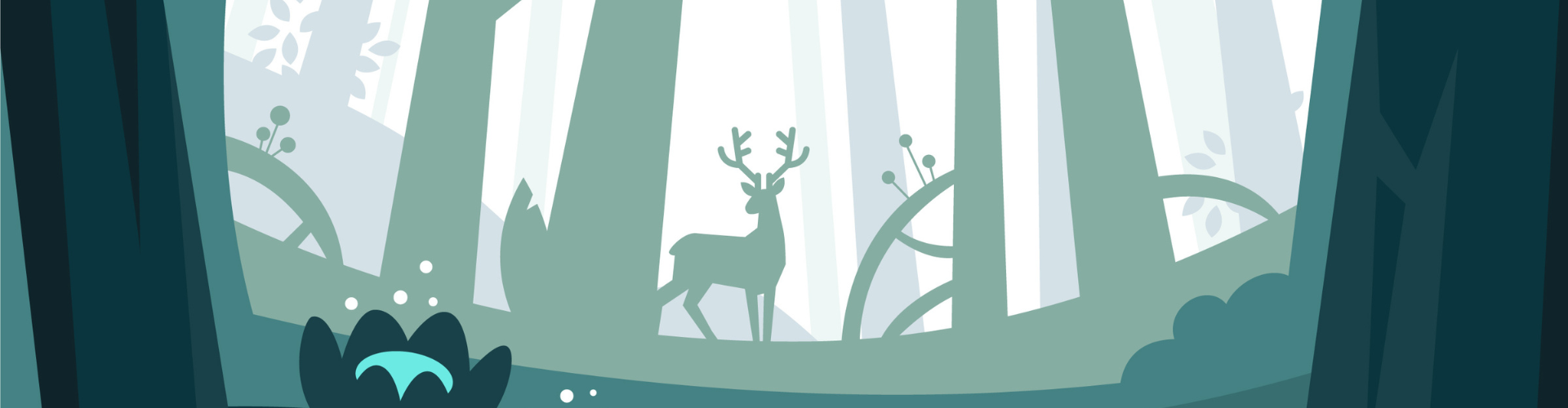
Satyr
"You humans put heads on walls and call it 'sport.' You wear fur and call it 'fashion.' Do not ask me why I live in the thorns. The thorns do not hunt me. The thorns listen to my flute and let me pass. You? You only listen when you want something."
Origins: The Trophy Era
Satyr history is defined by a genocide masked as a pastime.
- The Great Thinning: Two centuries ago, Satyrs were common in the open woodlands. But the human nobility of Cruinlagh developed a macabre trend: Satyr horns were considered a sign of wealth, and their hides were prized for luxury rugs. They were hunted almost to extinction by "lousy rich humans" on horseback.
- The Retreat: The survivors fled into the most inhospitable, secluded terrain. High crags, dense brambles, and haunted fens.
- Current Status: They are now an "Endangered Species." To see a Satyr is rare; to be trusted by one is a miracle. They view civilization (specifically Human aristocracy) as a death machine.
Cultural Values: The Solitary Song
They cannot gather in large groups without attracting attention, their culture is one of Distance.- Music as Language: Satyrs love music, but they don't play for crowds. They use their pipes and flutes to communicate across valleys. A specific melody might mean "Hunters nearby," while another means "Safe to drink here." It is a secret code hidden in art.
- The Hermit's Code: They value Privacy above all else. A Satyr’s camp is their fortress. They are self-sufficient, relying on nobody. If a Satyr shares their fire with you, they are putting their life in your hands.
- Memory: Because there are so few of them left, they feel a crushing responsibility to remember the names of the dead. Their songs are often oral histories or eulogies for the families they lost.
Placeholder Misc by Lou
Common Names
Satyr names are often short, woodsy, and melodious. They rarely use surnames, as lineages were broken during the hunts.Names: Pan, Reed, Hallow, Echo, Moss, Faun, Briar, Cyprian.
Nicknames (Derogatory terms reclaimed): Goat-Foot, Horns, Scruff.

Comments