
Maris
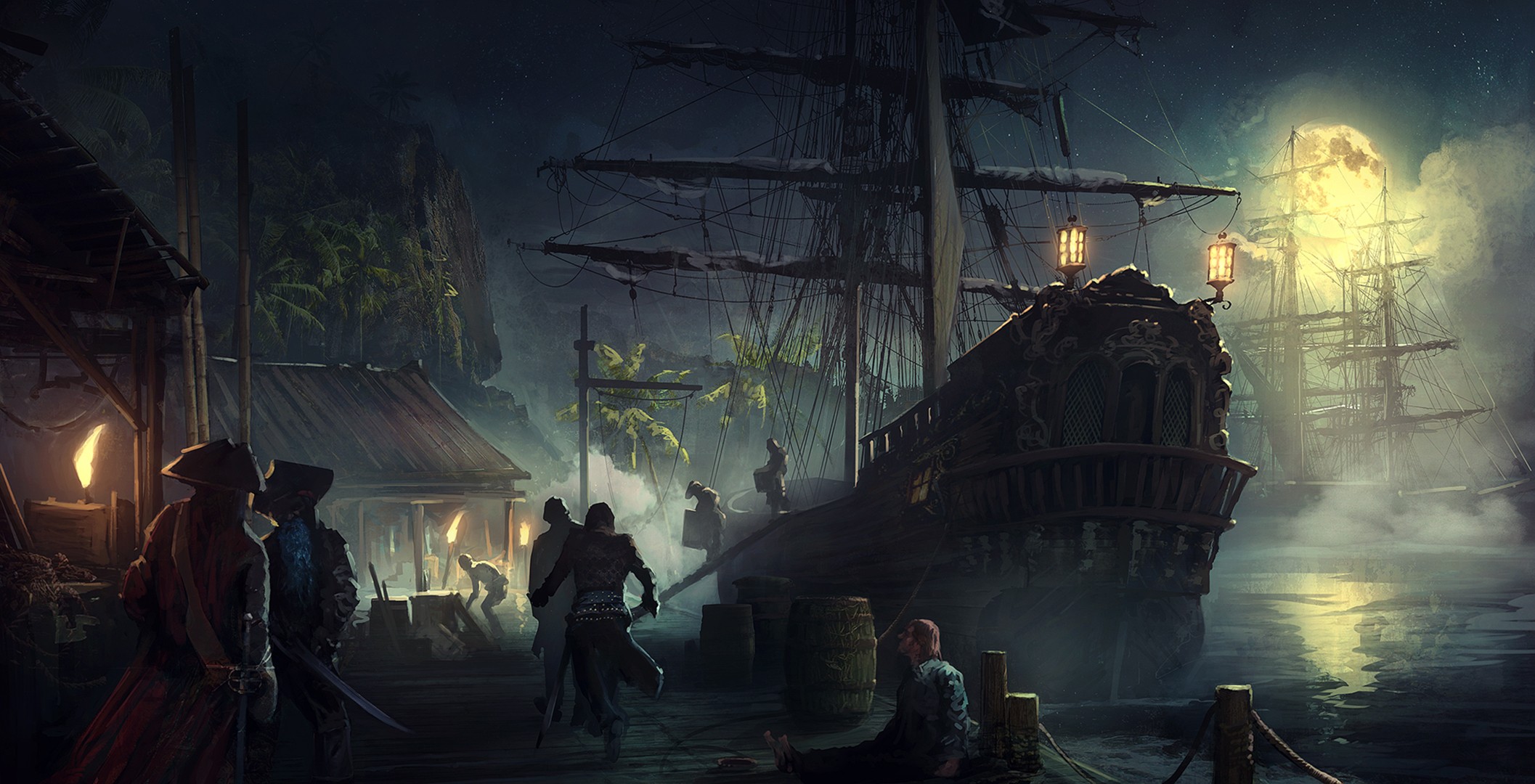
Maris is a world ruled by the sea. Vast, restless oceans cover nearly all of its surface, broken only by scattered islands and archipelagos that rise like fragile refuges from an otherwise endless expanse of water. There are no true continents. Life, power, and survival are bound to ships, harbors, and the shifting moods of the ocean itself.
Naval travel defines existence in Maris. Trade routes, wars, exploration, and communication all rely on mastery of the sea. Those who cannot sail are isolated, and those who control fleets command influence far beyond the size of any single island. Storms, currents, and magical tides replace roads and borders, and no journey is ever truly safe.
The sea is not merely a place in Maris. It is the primary source of magic. Arcane energy seeps from the depths, carried by tides and storms, empowering rituals, artifacts, and spellcasters. This magic is ancient and volatile, often tied to locations or entities far beneath the surface. As a result, the laws of nature are inconsistent. Climates shift abruptly from island to island. Tropical jungles may exist within sight of frozen seas or volcanic shores, shaped by unseen forces moving in the deep.
Among those forces are the Leviathans.
Leviathans are colossal, intelligent beings that rule vast regions of the ocean. Each one is a living catastrophe, capable of reshaping ecosystems, sinking fleets, and altering the balance of power between nations. Some are worshipped as gods, others feared as demons, and many are both. Their presence defines territory more decisively than any political border. Entire cultures form around appeasing, avoiding, or exploiting them. Warlocks are known to draw power from leviathans through dangerous pacts, trading loyalty or service for fragments of oceanic might.
Piracy thrives in Maris. The absence of continents, the abundance of trade routes, and the difficulty of enforcing law across open seas create perfect conditions for raiders, smugglers, and free captains. Pirate crews range from desperate criminals to organized fleets operating under strict codes. Some Pirates see themselves as liberators resisting tyranny. Others are little more than predators hunting weaker vessels.
Opposing them stands the Marine, a powerful lawful faction dedicated to order, control, and the suppression of piracy. The Marine rules key islands and fortified ports with an iron grip. Their prisons are infamous, their patrols relentless, and their authority rarely questioned in regions they dominate. Their presence brings stability to trade but suffocates freedom, often driving neutral sailors and outlaws alike into rebellion.
Legends speak of an ancient civilization known as the Mari. According to folklore, they were humanoid descendants of the leviathans, gifted with extraordinary control over sea magic. They could calm storms, command tides, and raise islands from the depths. Their cities are said to lie submerged, shattered, or consumed by the ocean. Whether they fell to internal collapse, leviathan conflict, or something far worse remains unknown. Ruins and relics attributed to the Mari still surface from time to time, always coveted and always dangerous.
Some scholars and cultists claim that Maris itself is not a true planet. They believe it is the first and greatest leviathan, a primordial being that created its own ocean and birthed all others. In this view, the sea is not a surface but a body, and every wave is a heartbeat. Whether this belief is metaphor or terrible truth is uncertain, but the behavior of the world often lends it credibility.
Life in Maris is defined by uncertainty. The promise of treasure, forgotten knowledge, and unclaimed power draws explorers ever onward, even as countless ships vanish without trace. Freedom and oppression clash constantly across the waves. The ocean gives wealth and magic, yet demands blood in return.
Those who survive long enough may come to shape the fate of islands, fleets, and factions. A rare few may even draw the attention of the leviathans themselves. In Maris, the sea always watches, and nothing of consequence happens without its notice.

Comments