
The Great Game
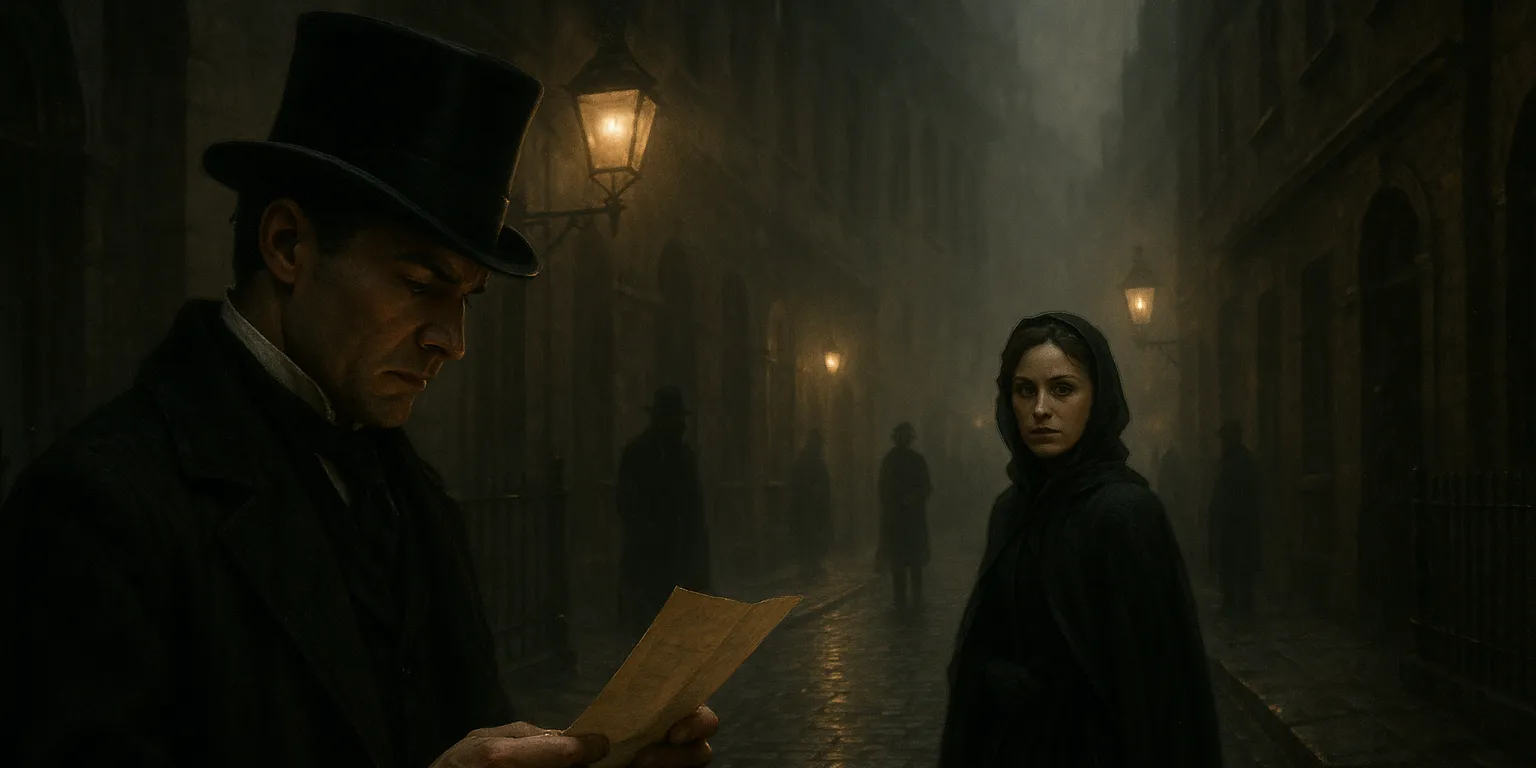
The Great Game is the name given to the secret war waged between the world’s two major powers: The Empire of Albion and The Mu Confederation. It is a conflict fought in shadows rather than on battlefields, where victories are measured in the acquisition of occult knowledge, or in denying that knowledge to one’s rival. Both sides understand that a more open and substantive confrontation is inevitable, and the agents of the Great Game serve as the advance forces of that coming struggle, preparing the ground, securing assets, and doing their utmost to tilt the odds in their own favor.
The Conflict
Prelude
When the Cult of the Leviathan began its assault upon Elbid, the only force in the world that seemed capable of holding it at bay was The Empire of Albion. With its vast armies of Taloi and other constructs, the Empire was able to fight the Cult’s eldritch hosts to a standstill, but no further. As the war dragged on, the Cult slowly advanced, using the bodies of the slain to fashion ever more deadly monstrosities, and unleashing plagues and curses against its enemies. The Empire was losing, but then the Cult made a fatal error.
The southern continent of Lemuria was the domain of the Living Gods: ancient and powerful mages who had placed themselves at the center of their own religions, and through worship had gained immense power and unending life. The oldest of these, by more than a thousand years, was The Pharaoh Undying of Kemet. The realms of the Living Gods were not unified. Historically, they had been rivals at best, and each guarded its sovereignty with fierce independence. Although Albion had attempted to persuade several Lemurian states to join the war, arguing that the Cult ultimately sought the destruction of the world itself, none were willing to commit their forces overseas while their neighbors remained neutral.
Kemet appeared the most likely to act. The Pharaoh Undying possessed greater power than any of his peers and was widely regarded as the foremost among them, when the Cult of the Leviathan launched a devastating magical assault. In the event later known as the Calamity in Kemet, the Cult infiltrated the mystical bonds between The Pharaoh Undying and his worshippers, and, whether by design or by catastrophic miscalculation, killed the Pharaoh and every worshipper old enough to have bonded with him. Several million people were slain in an instant, and the course of the war was irrevocably altered.
Fearing for their own power and immortality, the remaining Living Gods finally overcame their age old animosities and united to form The Mu Confederation. With their combined magical and military strength added to that of the Empire and its allies, the Cult was driven back at last. The war formally ended when a conclave of Living Gods, acting in concert, drew a colossal stone from the heavens and cast it upon the city of Bordeleaux, annihilating it and destroying the remnants of the Cult’s leadership.
The Empire watched this act with profound alarm. Albion had not fully comprehended the scale of power the Living Gods could wield when united, and this demonstration left Imperial leadership deeply uneasy at the prospect that such allies might one day turn their attention elsewhere. In the immediate aftermath of the war, the Empire initiated a series of covert operations, collectively designated Operation Bankpin, intended to secure as much of the Cult’s surviving knowledge and material as possible. Cult magicians, grimoires, and artifacts were seized and quietly transported to Albion, to be studied and stockpiled against the possibility of a future conflict.
The Living Gods of The Mu Confederation, for their part, were exhausted by the war and initially intended to dissolve their alliance and return to their former rivalries. That intention changed when their agents uncovered evidence of Operation Bankpin and reported their findings. Convinced that the Empire sought the means to recreate the Calamity itself, the Living Gods concluded that their safety depended upon continued unity, and resolved to maintain the Confederation for the foreseeable future.
The Players
The Great Game, though primarily contested between the Empire and the Confederation, has expanded to involve nearly every political and quasi-political entity in the world. Foremost among its participants are the intelligence services of the major powers. For the Empire, this role is filled by The Ministry of Correspondence, while the Confederation relies upon the Irit as its principal espionage agency. Many of the Game’s covert struggles are conducted by these two organizations, yet they are far from the only actors at work.
Beyond the formal allies of both powers stand a host of independent and semi-independent factions. These include The Church, The Orphans of Kemet, the Kostaránet, and an unknown number of Cults, trade organizations, and secret societies, all of which may deploy agents of their own and, in doing so, complicate the already perilous balance of the Great Game.
Battlefield
The Great Game is not fought upon a single battlefield, but across the world itself. It unfolds in offices and on city streets, in quiet assassinations and in proxy wars where small nations test powerful and often unproven magical weapons upon populations unconnected to any of the major powers. It is waged in the press and in the court of public opinion, in churches and in public squares. Wherever one looks, the Great Game is present just beneath the surface, waiting for the proper circumstances to erupt into sudden violence, before once more retreating into the shadows.


How does ome stay out of the war, given how the church seems so interested in rooting out heresy aggressively and seems want to calling breathing heresy?
To be fair, that's a regional thing in Arvoringia - it doesn't represent the entire Church of Albion, much less the three branches of the Old Church or the Convocation of the North. In most of the world, if you keep your head down you can stay out of the Great Game - but not free from its consequences.