
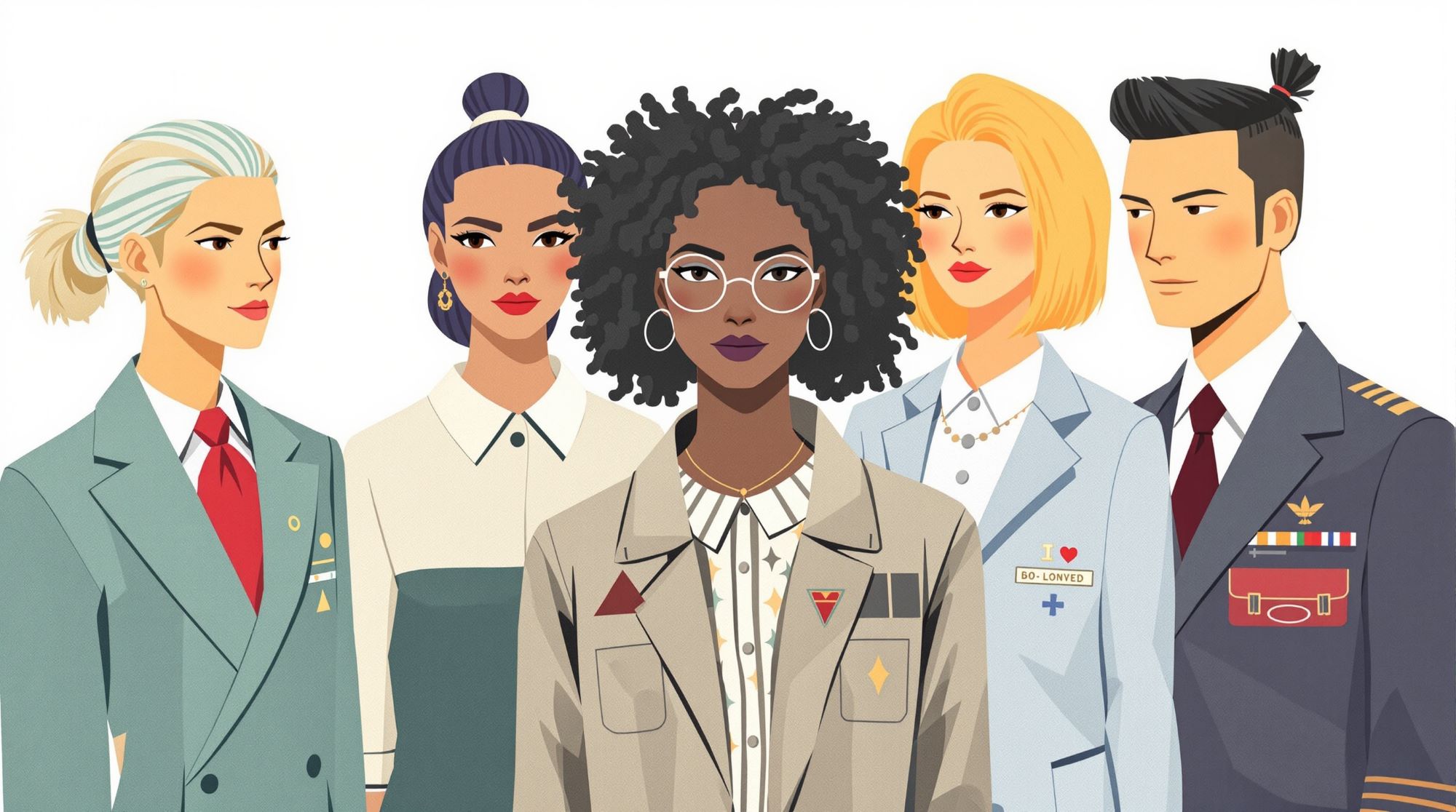
Fashion Through the Ages: A Worldbuilding Guide for GMs
Fashion tells stories without words. What your characters wear shows their world's culture, technology, and social structure. This guide helps you build believable fashion across different time periods and settings.
Ancient and Classical Eras
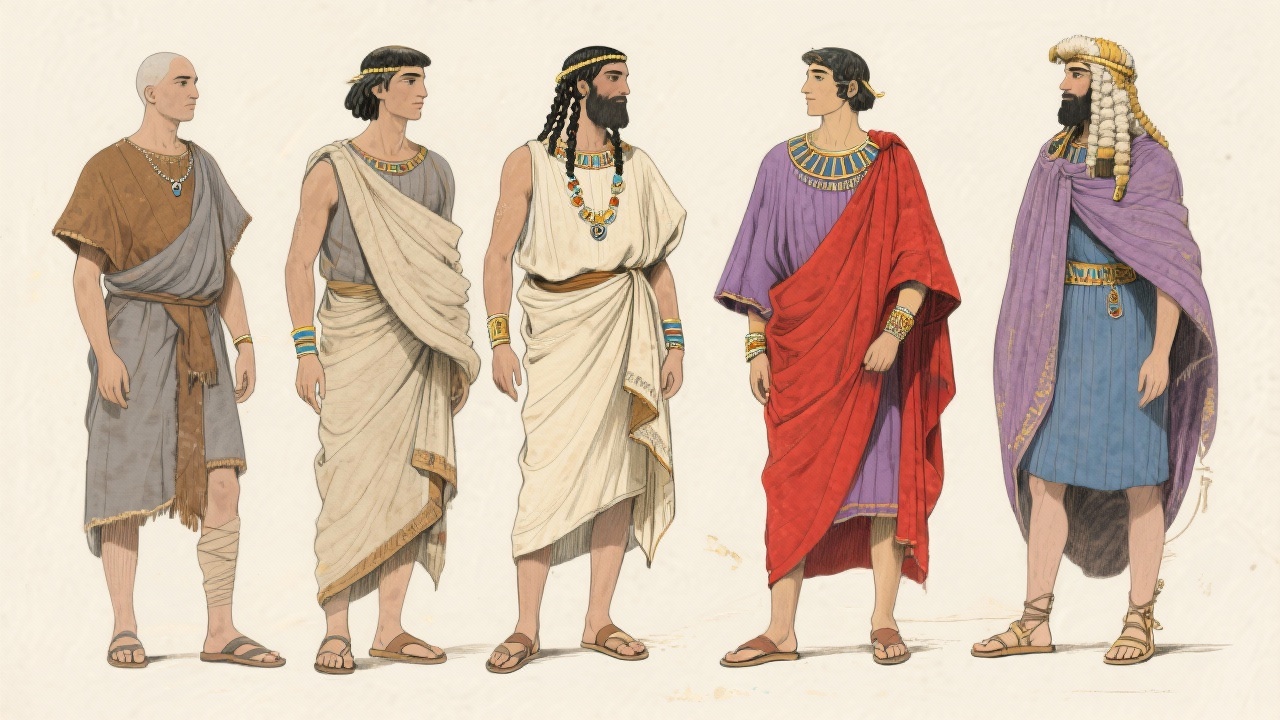
Think simple clothing that's wrapped or draped around the body. Most fabrics are linen, wool, or leather. Colour shows wealth because good dyes cost money. Common folk wear browns, greys, and cream. Rich people get bright reds, purples, or blues.
People wear tunics, robes, cloaks, and sandals . Jewellery matters because it shows status or religious importance. Hairstyles tell you about social rank straight away. You might see braids, shaved heads, or hair slicked with oil. In places like ancient Egypt, wigs and hair extensions mark out the wealthy. They also help with rituals and keep heads cooler in hot weather.
When you're building your world, use fabric quality to show class differences. A rough wool tunic means something different from fine linen. Give different professions their own hairstyles or let clans have signature looks. Religious groups might demand strict dress rules that everyone follows.
Medieval and Early Renaissance
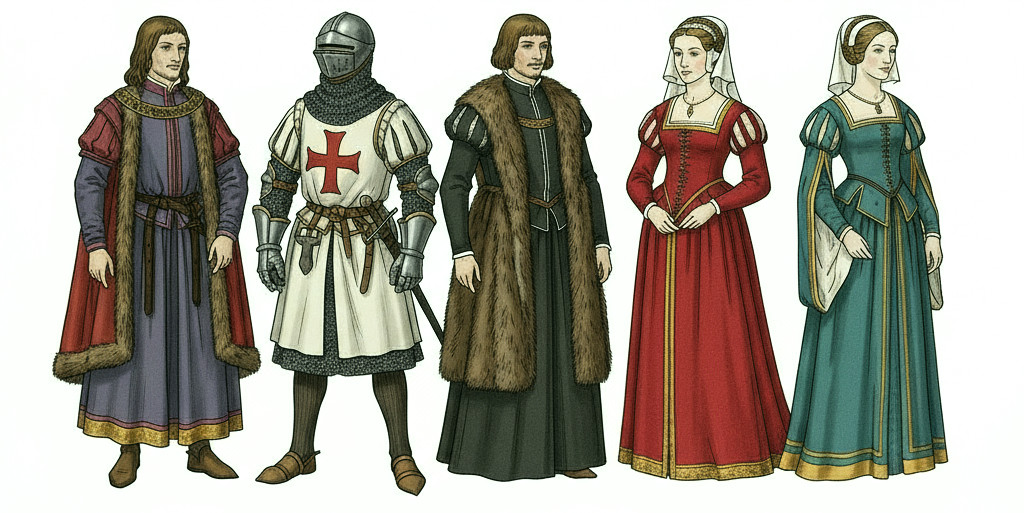
Clothing gets more fitted as tailoring improves. Wool stays popular, but you'll also see linen and early silk appearing. People wear tunics, doublets, hose, gowns, and cloaks. Simple armour pieces start showing up too.
Wealthy people trim their clothes with fur. Metal or leather belts aren't just decoration - they carry tools and weapons. Hairstyles change based on gender and class. Long hair often means high status. Noble families still use wigs and false hair to look their best .
Your world can have sumptuary laws that control who wears what colours or fabrics. Guilds or knightly orders might require specific dress. Climate shapes everything - cold kingdoms need layers and fur whilst warm regions stick to light linen.
Early Modern to Industrial
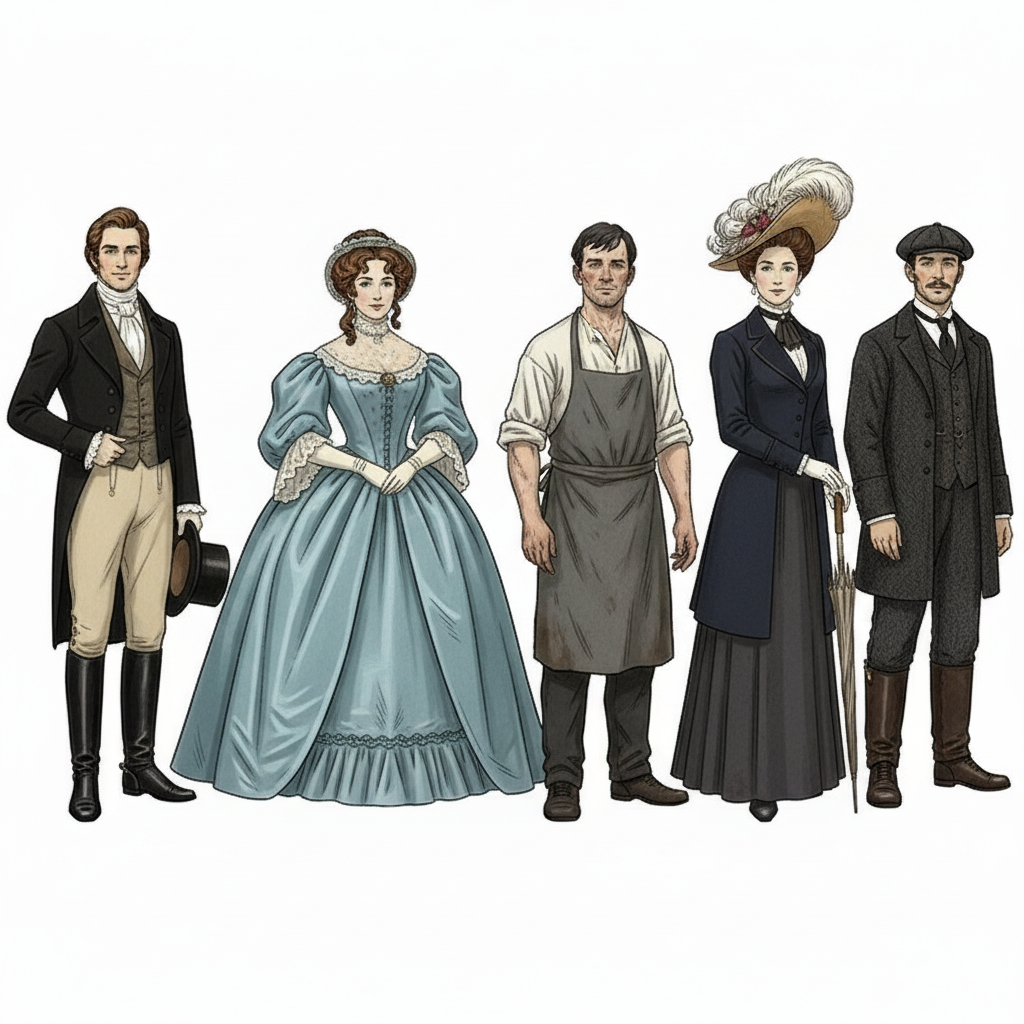
Clothing becomes more structured and complex. Buttons appear. Fitted jackets and elaborate dresses become normal. Industrial production makes everything cheaper over time.
People wear tailored coats, waistcoats, corsets, and full skirts (which later get simpler). Hats become huge social markers. Wigs hit their peak in some cultures as symbols of authority. Think of those massive powdered wigs in royal courts. Hairstyles follow strict fashion cycles that change regularly.
This is a good era to show rising merchant classes. Give them access to tailored clothing that used to be nobles-only. Military uniforms start defining national identity. Factories churn out cheap versions of elite fashion, which creates tension between classes.
Modern Era (20th–21st Century)
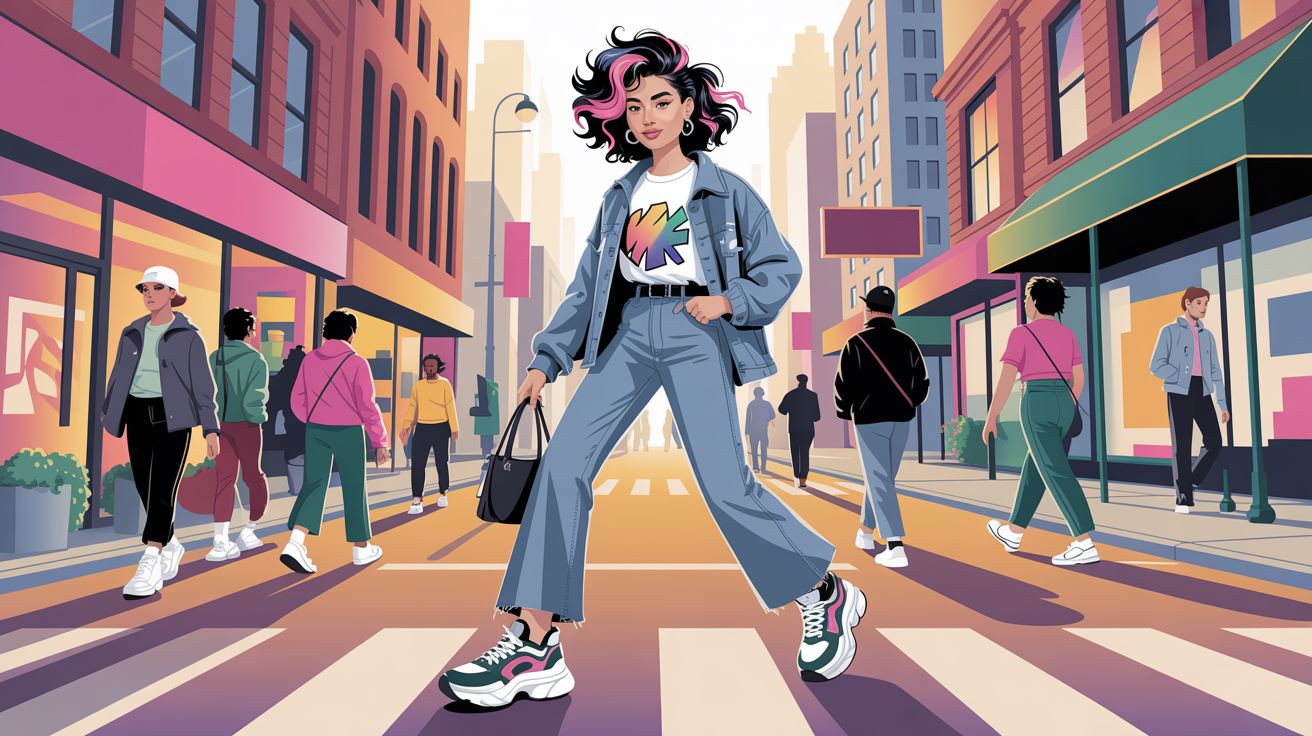
Mass production and global trade create massive variety. Fashion changes faster than ever before.
You'll see suits, uniforms, casual wear, and sportswear everywhere. Denim becomes universal. Synthetic fabrics appear. Printed logos mark brands and identities. Hairstyles range from completely natural to extreme artificial styles. Hair extensions and wigs are available to everyone, not just the rich. Subcultures use fashion to signal their identity loud and clear.
Big cities show mixed styles from many cultures living together. Youth movements create their own distinctive looks. Clothing reveals profession instantly - medical scrubs, construction gear, corporate suits all tell different stories.
Near-Future Sci-Fi
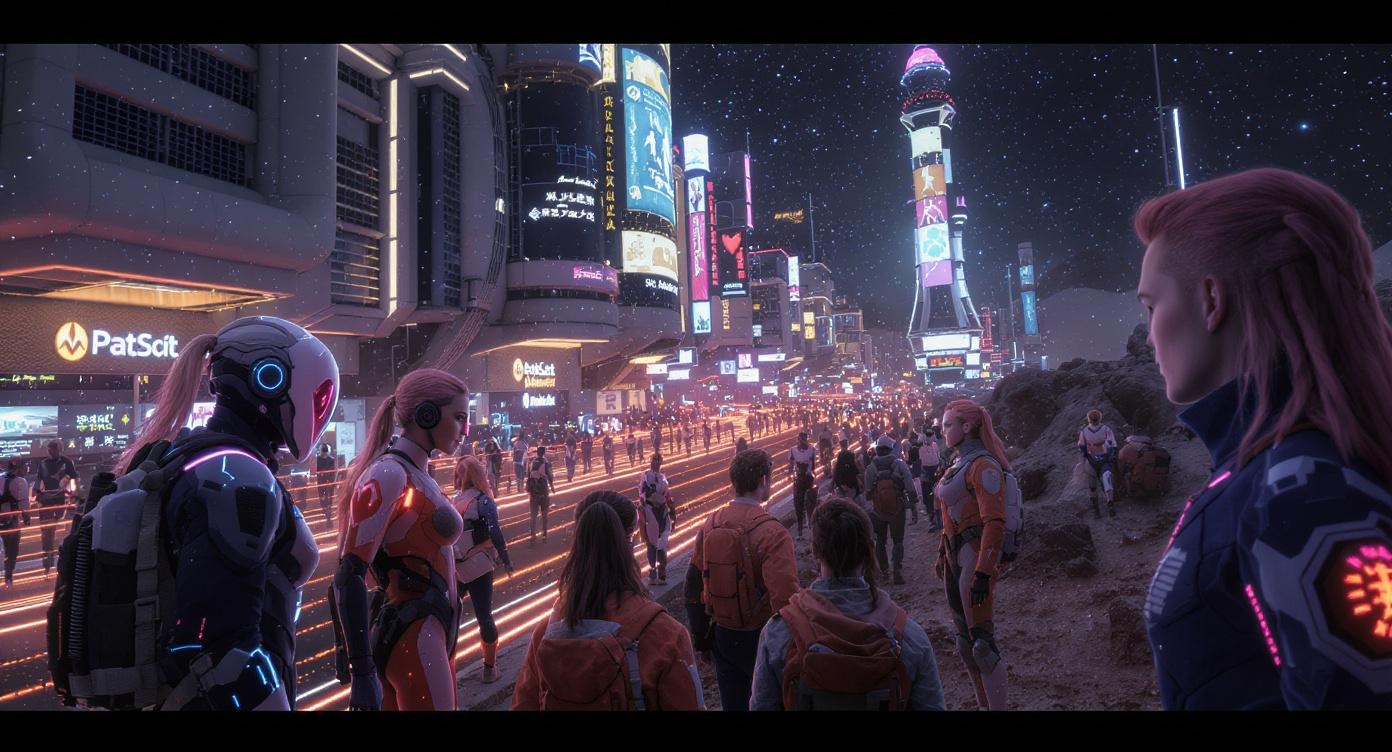
Technology shapes fabric and function. Clothing solves practical problems related to environment, health, or social control.
Smart fabrics adjust temperature or repair themselves. Clothes have built-in interfaces, lights, or communication tools. Corporations, colonies, and starships all use sleek uniforms. Advanced materials make extreme hairstyles possible with long-lasting extensions that don't damage real hair.
Show inequality through fashion. Divide citizens into colour-coded uniforms or give premium tech-fabrics only to the wealthy. Colonies on harsh worlds need protective fashion adapted to local conditions. Fashion fads spread instantly through networks, creating rapid style shifts.
Far-Future and High Sci-Fi
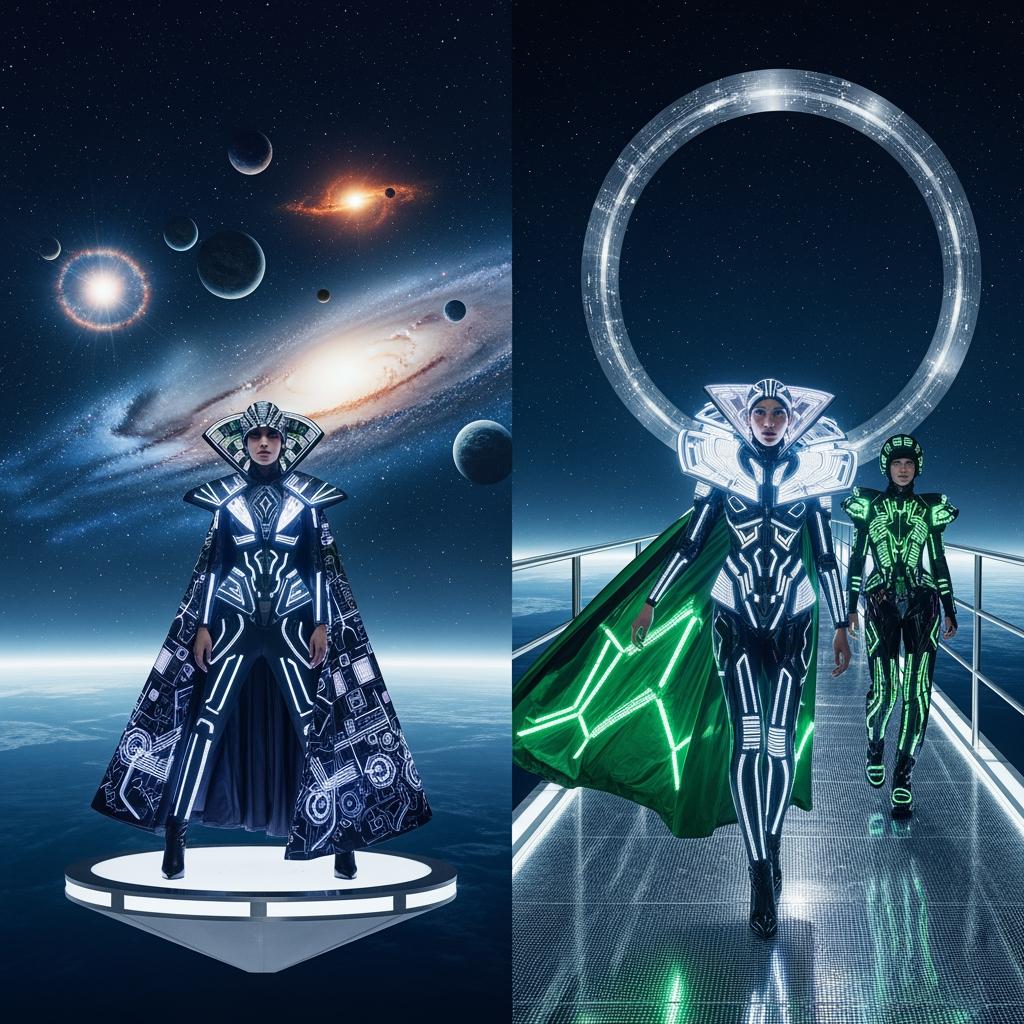
Fashion becomes deeply symbolic or highly engineered. Clothing might react to mood, social data, or alien biology.
Materials don't exist yet in our world - think memory cloth, living fabric, or energy weaves. Outfits are designed for low gravity, radiation protection, or multi-species environments. Wigs and hair extensions might be organic, cybernetic, or holographic. In complex societies, style becomes a political statement.
Some cultures might reject advanced technology and return to simple draped clothing. Alien influence could completely reshape what human hairstyles or clothing look like. Entire worlds might share one unified look whilst orbital stations use compact, utility-focused gear.
Quick Tips for Your Game
Use clothing to show class, culture, climate, and profession at a glance. Let hairstyles signal mood or identity. Make wigs and hair extensions common or rare depending on your world's technology and traditions.
Add small regional differences to make the world feel lived-in. A northern kingdom's fashion should look different from a southern one, even if they're at the same tech level. Use fashion shifts to mark time jumps, systemic changes, or cultural upheaval. When the old king dies and a new one takes over, fashion might change overnight.
Remember that fashion is practical. People wear what works for their lives. A farmer won't dress like a courtier, and a soldier's uniform serves a purpose beyond looking good.
