

Tempus, the Lord of Battles
Tempus, the Lord of Battles
Basic Information
- Name: Tempus (pronounced "TEM-pus")
- Domains: War, Strength, Protection
- Alignment: Chaotic Neutral
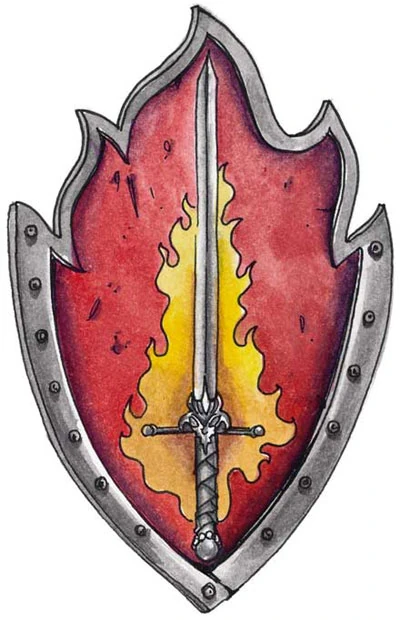
- Symbol: A flaming sword
Tempus is the god of war in the Forgotten Realms, embodying the chaotic and brutal nature of battle. His domains reflect his focus on martial prowess, resilience, and the defense of warriors. As a Chaotic Neutral deity, Tempus cares little for the causes behind conflicts, instead valuing bravery, honor, and skill in combat above all else.
History and Mythology
Tempus is one of the oldest and most enduring deities in the Faerûnian pantheon, his presence felt in every clash of arms and every battlefield across the world. His origins are tied to the earliest days of mortal warfare, and he is often depicted as a towering figure clad in battered armor, wielding a massive sword wreathed in flames.
Key Myths
- The Battle with Garagos: In ancient times, Tempus fought a legendary duel against Garagos, another war deity known for his bloodlust and savagery. Tempus emerged victorious, absorbing Garagos’s essence and becoming the undisputed god of war. This myth establishes Tempus’s dominance and his preference for honorable combat over mindless slaughter.
- The Code of War: Tempus is said to have bestowed a code of conduct upon his followers, emphasizing courage, respect for worthy foes, and the protection of civilians. This code shapes the behavior of his worshipers, even in the heat of battle.
- Neutrality in Conflict: Tempus is known for blessing warriors on all sides of a conflict, provided they fight with valor. This impartiality reinforces his role as a god who reveres the act of war itself, not the ideologies behind it.
Worshipers and Church Structure
Tempus’s followers are primarily warriors, soldiers, mercenaries, and martial leaders. His faith is widespread, especially in regions with a strong military tradition, such as the Sword Coast, where constant skirmishes and threats demand skilled fighters.
- Clergy: The church of Tempus is decentralized, with no rigid hierarchy. Leadership is often earned through battlefield prowess, and respected war veterans or commanders hold positions of influence. Clerics, known as Battle Chaplains, serve as spiritual guides and combat medics.
- Temples: Tempus’s temples often double as barracks, armories, or training grounds. They are practical, fortified structures, reflecting the god’s martial focus. The Shrine of the Sword in Waterdeep is a notable example, serving as both a place

Comments