
The Plane of Earth
Earth is a fundamental component of the multiverse continents, islands, mountains, hills – these are all concrete examples of this ubiquitous element across the realms, and it shows up in all of the other Inner Planes as well in one form or another. And the root for all that rock and dirt is the Plane of Earth.
Much of this plane is solid mass making it difficult for non-native creatures to move around or even breathe. However, limitless tunnels, passages, and caves wind their way through the stony realm, the result of both incursions from other Inner Planes and determined digging efforts by the native creatures. The dao, genies of the earth, are the cruelest of slave drivers and constantly seek out veins of rich minerals and ore to adorn their fabulous abodes.
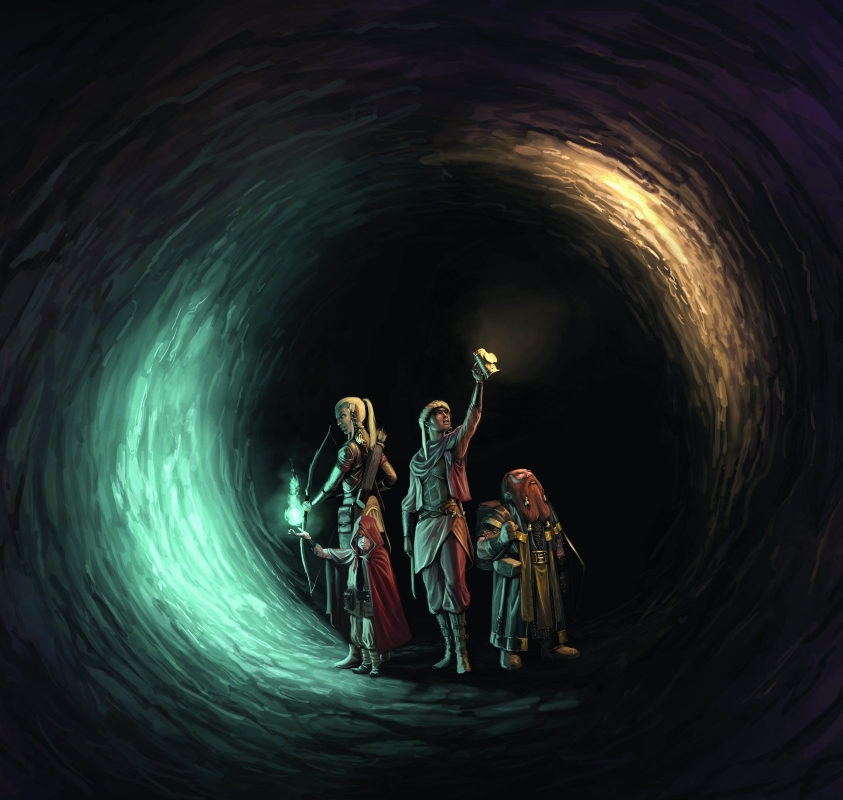
Getting lost in the Plane of Earth is perhaps the greatest threat to travelers beyond a collapsing tunnel or marauding beast, as there is no clear indication of any cardinal direction. Tunnels wind up and down, cross between each other, and cut into massive caves with no discernable pattern or thought. For travelers willing to risk the journey, however, great treasures and wonders can be found, whether it's the prize opal Koh Nur in the center of the Dao's Sevenfold Mazework or searching the chaotic Tunnels of Madness for the Heart of All Mountains or trying to escape the infamous Salt Dungeons of the Great Khan.
Lay of the Land
The Plane of Earth is best described as the largest chain of mountains in the multiverse, both in height and breadth. For those brave or foolish enough to try and reach the top, they find only the Void Peaks – the mountain tops pierce a veil of airless black that is inhospitable to living creatures. Most planar scholars agree that the Void Peaks are a breach from the Plane of Earth into the Negative Plane, the multiverse source of death and decay that enfolds all of the realms.
Stony Expanse
Below the Void Peaks and encompassing the vast majority of the Plane of Earth is the Stony Expanse. Great veins of minerals and rich ore cut through the rocky layers of the Stony Expanse, and over countless centuries, tunnels and caves have been carved out by time or force. The Dao consider this their eternal realm, though their numbers are realistically too few to effectively control the entire region. This overriding philosophy is what drives them to command scores of slaves from the native sandlings, pech, and other creatures.
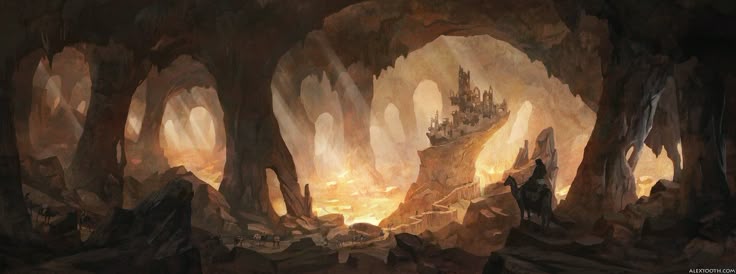
The dao hold numerous outposts throughout the Stony Expanse, and each one is built around a mazework. A dao mazework is their first line of defense – a confusing series of passages meant to trap intruders. One of the largest open quarries in all the Plane of Earth is the Great Dismal Delve, a massive cave carved out by the slaves of the dao, and at its heart sits the fabulous Sevenfold Mazework, also known as the City of Jewels. Therein dwells the Great Khan in the Hidden Fulcrum, his personal palace and one of the most complex mazes in the Inner Planes, rivaled across the multiverse only by the mazes of Baphomet, demon lord of beasts and minotaurs, in the Abyss.
Mud Hills
Beyond the Stony Expanse, where the Plane of Earth approaches the other Inner Planes, the region becomes more diverse. The Mud Hills are a vast region of bubbling, churning dirt and muck close to the Plane of Water – between the two sits the distinct Swamp of Oblivion (also known as the Plane of Ooze). The Mud Hills are open to the sky, and the tunnels that cross beneath are treacherous and prone to constant shifting at a moment’s notice, so most travelers avoid this region entirely. It is known that the dao have several outposts in the Mud Hills to search for rare mineral deposits that are known to show up only in that area.
Furnaces
The heat intensifies on the other side of the Plane of Earth in a region known as the Furnaces, close to the Plane of Fire. Lava seeps up and creates dangerous terrain, but the dao have harnessed the raw potential of the Furnaces to power their forges. Beyond the Great Dismal Delve, the largest concentration of dao and slaves can be found here.
Cycle of Time
There is no natural way to tell time across the Plane of Earth. Even the Void Peaks have no sun to mark the days, though the Mud Hills are lit by a dim pale light that darkens slightly every twelve hours. This lack of time and the general closeness of the tunnels in the Stony Expanse leads many travelers to madness and despair.
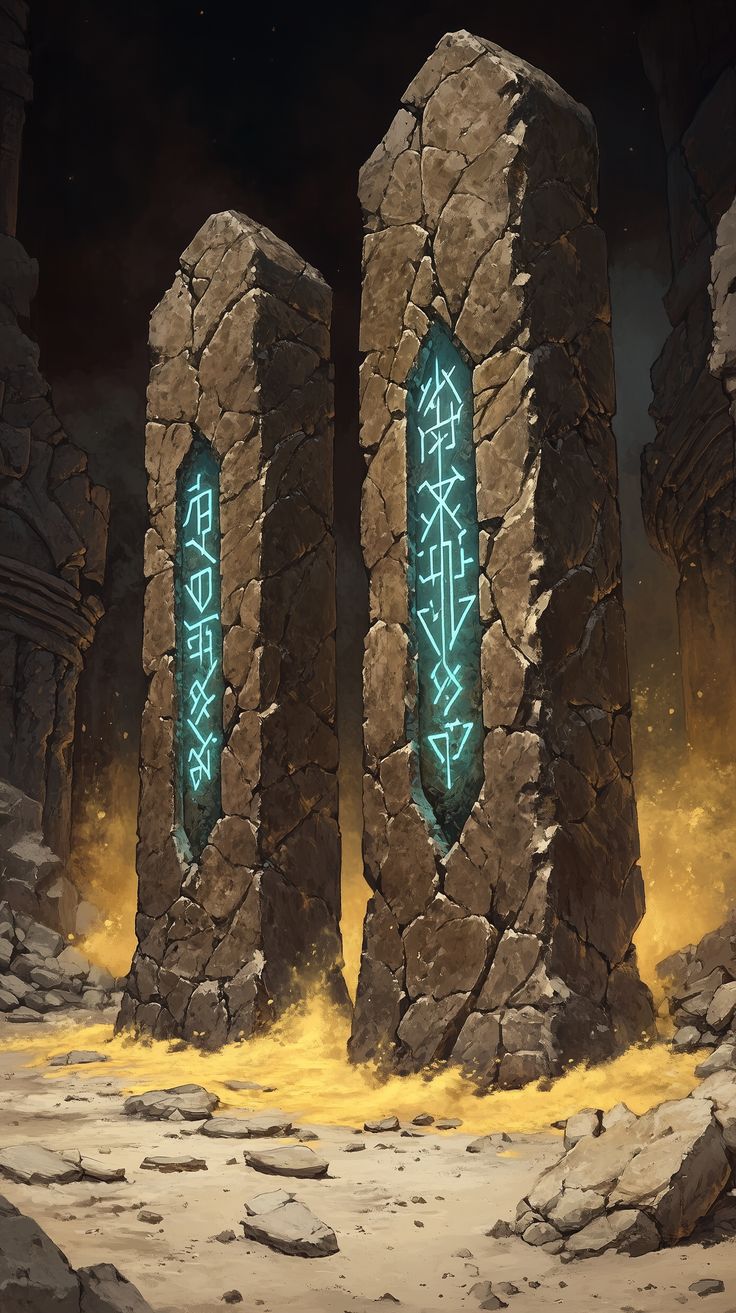
However, the dao have developed a way of telling time. Each outpost and most buildings are furnished with a clock gem, an enchanted jewel of nearly any size that changes color gradually from red to blue and back again to mark the passage of time. Unfortunately for travelers used to the cycle of time in most Material Planes, the Dao clock gems are based on a 13-hour cycle (13 hours of red time followed by 13 hours of blue time), creating a 26-hour day.
The source of power for all attuned clock gems is Koh Nur, opal of the Great Khan in the center of the Sevenfold Mazework in the City of Jewels. An attuned clock gem continues to be synchronized even when taken outside the Plane of Earth, though they need to be re-attuned to the opal every one hundred years.
Surviving
The tunnels and passages that cut through the Plane of Earth are breathable, so one of the greatest threats to travelers is cave-ins and earthquakes, which can suddenly send tons of rocks crashing down. Digging out of such a burial can be dangerous, depending on the type of earth involved.
Fresh water is scarce, and edible food for non-natives can be hard to come by, so travelers are encouraged to have a source of sustenance before venturing out into the Stony Expanse. A common feature of dao outposts are gardens to grow food for their various slaves, but these are jealously guarded behind their mazeworks.
In the Void Peaks, there is no air, so anyone who penetrates the surface of the Plane of Earth here begins suffocating immediately unless they hold their breath (or do not need to breathe). The closer a traveler gets to the Void Peaks, the less air is available, so ascending to this region is not advisable.
Getting There
The dao do their best to control or shut down unwanted portals to the Plane of Earth, so the number of known gates to the plane is relatively small. The City of Glass on the Plane of Water contains a known gate, along with the City of Brass on the Plane of Fire. The dao occasionally have dealings with the fiends of the Lower Planes so it is known that the City of Jewels contains gates to the Abyss and the Nine Hells.
In the Material Plane, natural gates and portals have been known to appear in the deepest mines dug by dwarves. Many dwarven strongholds consider themselves the first line of defense against incursions from the Plane of Earth, whether it be by natural monsters or planned invasions by the dao. For their own interests, the dao consider dwarf slaves the best the Material Plane can provide and actively raid dwarven outposts and strongholds to replenish their slave pens.
Some deeper dungeons in the Material Plane have been known to contain gates to the Plane of Earth as well, whether stumbled upon accidentally or deliberately opened by wizards and priests eager to use Earth elemental creatures as guardians and workers.
Traveling Around
Once a traveler reaches a cave or tunnel in the Plane of Earth, moving around becomes as easy as following a passage – and as frustrating when that tunnel leads to nowhere! Most native creatures, such as the xorn and earth elementals, can move through the earth of the plane as easily as a fish moves through the water, leaving no tunnel in their wake. Powerful magic can allow an adventuring group to do the same, but for most, the zigzagging passages that cut through the Stony Expanse are the most accessible means of transportation.
Many of the tunnels do connect to other regions, owing in large part to the never-ending machinations of the Dao. They constantly hunt for greater sources of ore and gems and use teams of slaves to accomplish this, but moving so many creatures across the Plane of Earth can be difficult. The dao use magic and slaves to create tunnels and passages that can be used to access the richer veins of minerals.
Powerful & Mighty
Though the dao would have travelers believe they are the greatest power in the Plane of Earth, the truth is more complex than that. It is true that they control the most concentrated territory of any sentient denizen of the realm, but the plots and machinations of other influential creatures continue to occur throughout the plane.
These powerful creatures can be used as villains or patrons for a party of adventurers who seek to explore the domains of the Plane of Earth. Most are treacherous, however, with evil intent, so adventurers are encouraged to tread carefully in their halls and homes
Elemental Lords of Earth
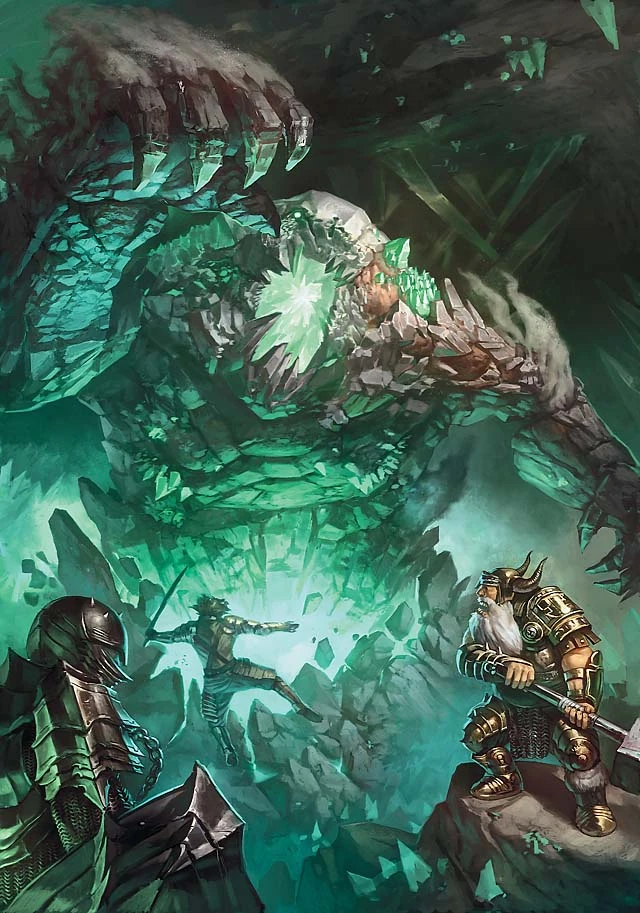
The greatest and most powerful Earth elementals on the plane are the Elemental Lords of Earth. Sometimes referred to as archomentals or primordials, these immense beings are comprised of the very stone and earth that makes up the plane. There are at least three elemental lords known – Ogremoch, Entemoch, and Sunnis. The plane is vast, however, and others may still exist, dormant or waiting.
Ogremoch is the best-known of the Earth elemental lords, and he is known as the Prince of Evil Earth Elementals. He dwells in a stone spire deep in the Stony Expanse that is surrounded by an airless void, and from there, he contemplates his next move. His cultists are known to spread destruction across the Material Planes in accordance with his will, which can be confusing to most. But Ogremoch is nothing if not patient, and while he seems slow to act, it is only because he is considering how best to utilize his forces to accomplish his goals of crushing all living creatures beneath stones. He has a special hatred for flying creatures and uses squads of gargoyles to harass Aarokocra in the Plane of Air on a regular basis.
Ogremoch’s twin, Entemoch, is less known but no less powerful. Entemoch is a Prince of Good Earth Elementals and works to thwart Ogremoch’s schemes as much as possible. He travels throughout the Stony Expanse, moving from passage to passage to stamp out his brother’s followers, to date, he has not moved much beyond that simple strategy. Ogremoch’s schemes are larger than his twin realizes.
Sunnis is a Princess of Good Earth Elementals and she dwells in a palace called the Sandfell. She keeps a lower profile than Ogremoch but opposes the dao at every opportunity – the two have an intense rivalry on the Plane of Earth. Sunnis believe that the native creatures of the plane, such as the pech and sandlings, deserve freedom, and she works with her followers to break the slave chains of the dao in their outposts across the plane.
Gargoyle Princes
Gargoyles are a common encounter in the Plane of Earth along with margoyles, their wingless cousins. These stony creatures are normally born as a byproduct of the Elemental Lords of Earth, who leave behind shards as they move through the plane that grow into gargoyles. Ogremoch is fond of using gargoyles in his never-ending war with the forces of the Plane of Air.
But not all gargoyles are born this way. Some are descendants of a line of fiercely intelligent creatures known as ancient gargoyles who were born from the plane itself. The most powerful of these native denizens are the Gargoyle Princes, each ruling a princedom in the Plane of Earth carved to their specification. The exact number of Gargoyle Princes is unknown, though at least four are known to exist. Each is thoroughly evil and represents the most ambitious aspects of the ancient gargoyle race.
The most prominent of the Gargoyle Princes is Prince Krongrud. Physically, Prince Krongrud is powerfully strong and views strength as his best asset – his plots are usually direct and involve total destruction. He rules from the subterranean Castle Kronguard and keeps company with his Legion of Stony Doom, an army of well-trained gargoyle warriors. Prince Krongrud pushes the boundaries of his princedom continually and does not get along with the dao or the Elemental Lords of Earth.
The other well-known Gargoyle Prince is Princess Zadhey. She is cunning and manipulative, and though her princedom is relatively small, from her Basalt Citadel, she leads an elite force of ancient gargoyle assassins. Princess Zadhey is on good terms with the dao who sometimes contract her assassins out for attacks on rivals, both internal and external.
Great Khan of the Dao
In the center of the Great Dismal Delve sits the Sevenfold Mazework, the largest dao settlement in the multiverse, and in the center of that rests the palace of the Great Khan, known as the Hidden Fulcrum. When a dao ascends to the role of Great Khan, they forsake their name in favor of the title, so it is difficult for an outsider to know when the power in the dao khanate shifts.
The current Great Khan is a massively loathsome, greedy, and paranoid dao who rarely leaves the inner sanctum of the Hidden Fulcrum. He surrounds himself with stone and iron golems, along with other constructs, as these are the only personal protection he trusts, and he communicates his wishes through a select cadre of seneschals that operate outside his personal chamber. Even the seneschals rarely gaze upon the Great Khan in person – the Great Khan makes his wishes known through specially enchanted mirror gems that allow for communication between tuned gemstones.
The Great Khan has an insatiable appetite for everything, from slaves to jewelry to art and treasure, and his greed has pushed his surveyors to find more and more veins of precious ore and mineral across the plane. He treats well with the Grand Sultan of the Efreet, and the two have a mutual business partnership – the Efreet come to the City of Jewels to purchase slaves, and the Dao use Efreeti techniques and masters in the working of the ore they mine. The Grand Sultan comes personally to the Great Dismal Delve to watch and bet on Greater Basilisk races organized by the dao.
Keepers Under the Mountain
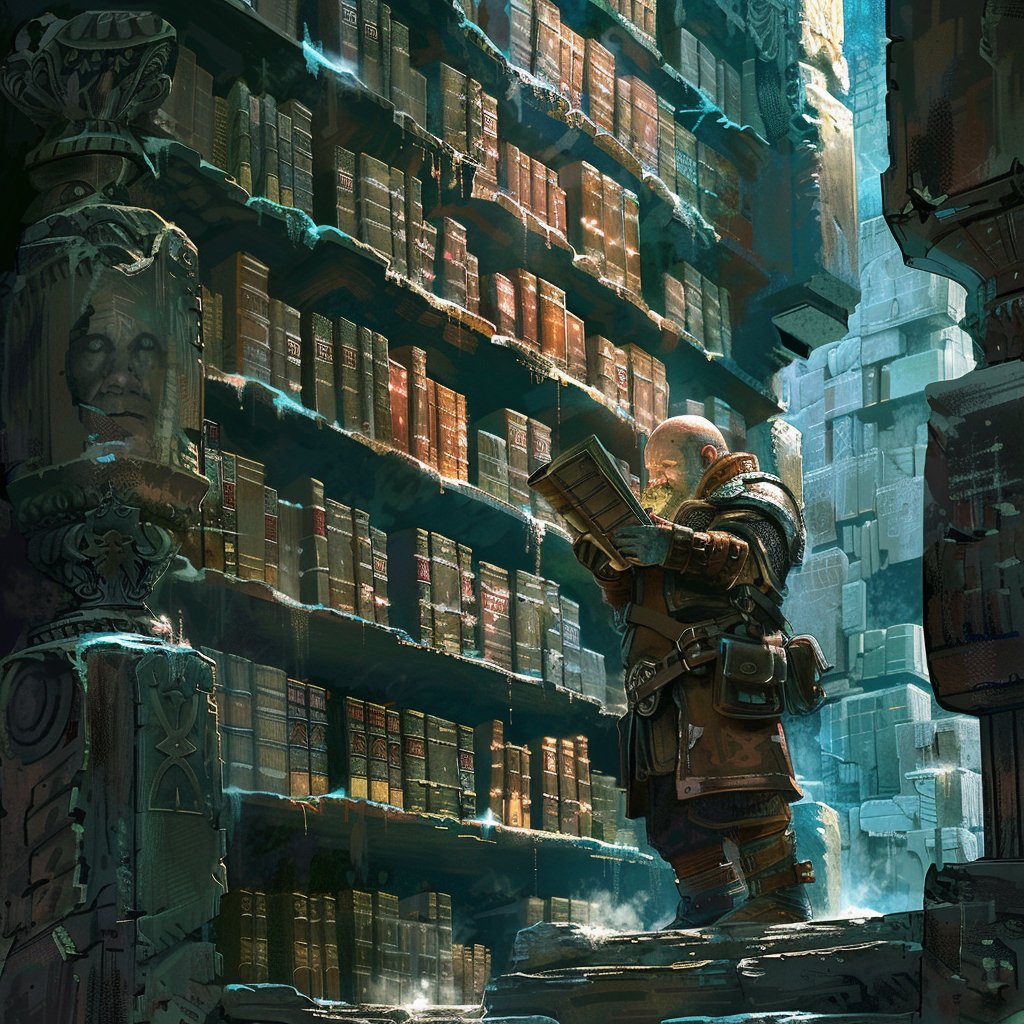
Dumathoin, the dwarven god of secrets, does not dwell on the Plane of Earth, but his followers maintain a stronghold dedicated to his teachings and worship there. The Library of Dumathoin is maintained by a devout order of dwarven monks and clerics called the Keepers Under the Mountain, and they trade in secrets of all kind. The halls of their hidden fortress are said to contain one of the largest collections of scrolls in the multiverse, and the Keepers maintain the sanctity of this holy site against all intruders with zealous ferocity.
To that end, the Keepers maintain a secret presence throughout the Plane of Earth and try to keep up on events throughout the Inner Planes. Several dwarf slaves in the service of the Great Khan are secretly members of the Keepers Under the Mountain, and they communicate knowledge through the very stone of the plane itself. Several deep cover Keepers are assigned to the Gargoyle Princes while others travel as independent merchants between the Sevenfold Mazework, the City of Brass on the Plane of Fire, the City of Glass on the Plane of Water, and even in the Citadel of Ice and Steel on the Plane of Air.
Leadership in the Keepers is determined by the number of known master secrets, which are the great mysteries of the multiverse, according to Dumathoin. The teachings of the Keepers Under the Mountain say there are thirteen master secrets, and only Dumathoin knows all of them. The highest ranking Keeper, the Seventh Master Librarian, is said to know seven of the master secrets.
Recently, however, a splinter faction has grown within the ranks of the Keepers. Some of the librarians and monks believe the secrets of Dumathoin are not meant to be hoarded but instead should be shared with all sentient creatures. These radicals call themselves the Liberties Under the Mountains and work to subvert the work of the library and its keepers. So far, a dozen members have been expelled from the Keepers, and rumors persist that at least one of them held the rank of Second Master Librarian.
Deepstone King of the Pech
The pech were not always hunted down by the dao and used as slaves. At one point, they held their own land and served a wise and great leader of their own kind in a fantastic realm of peace and tranquility. This mythical place is called Deepstone, and it has passed completely into legend, along with the role of Deepstone King.
But to the pech slaves of the dao, the myth of Deepstone and its legendary king is a wellspring of secret hope. Pech workers toiling in the mines and tunnels of their genie masters believe that the Deepstone King is destined to return, and when he does, he will free all of the pech from their bonds of servitude and lead the elemental people to their legendary homeland. Some say that this king will rise up from the ranks of the enslaved pech, while others say he will come from outside the Plane of Earth to save them all in a massive revolt.
For their part, the dao do their best to quash any stories they hear about the Deepstone King, and this tactic has worked for many hundreds of years. But the pech have long memories, and they pass the story of their legendary leader from one generation to the next in the hope that one day, their stories become true and they are led to their ancient homeland.
Creatures & Denizens
The Plane of Earth is a dangerous realm with monstrous denizens capable of sneaking up on travelers through the very rock. Cunning dao, ruthless sandlings, and voracious eaters such as the greater basilisks and tunnel worms are all creatures capable of ending a traveler’s journey through the Plane of Earth.
Elementals
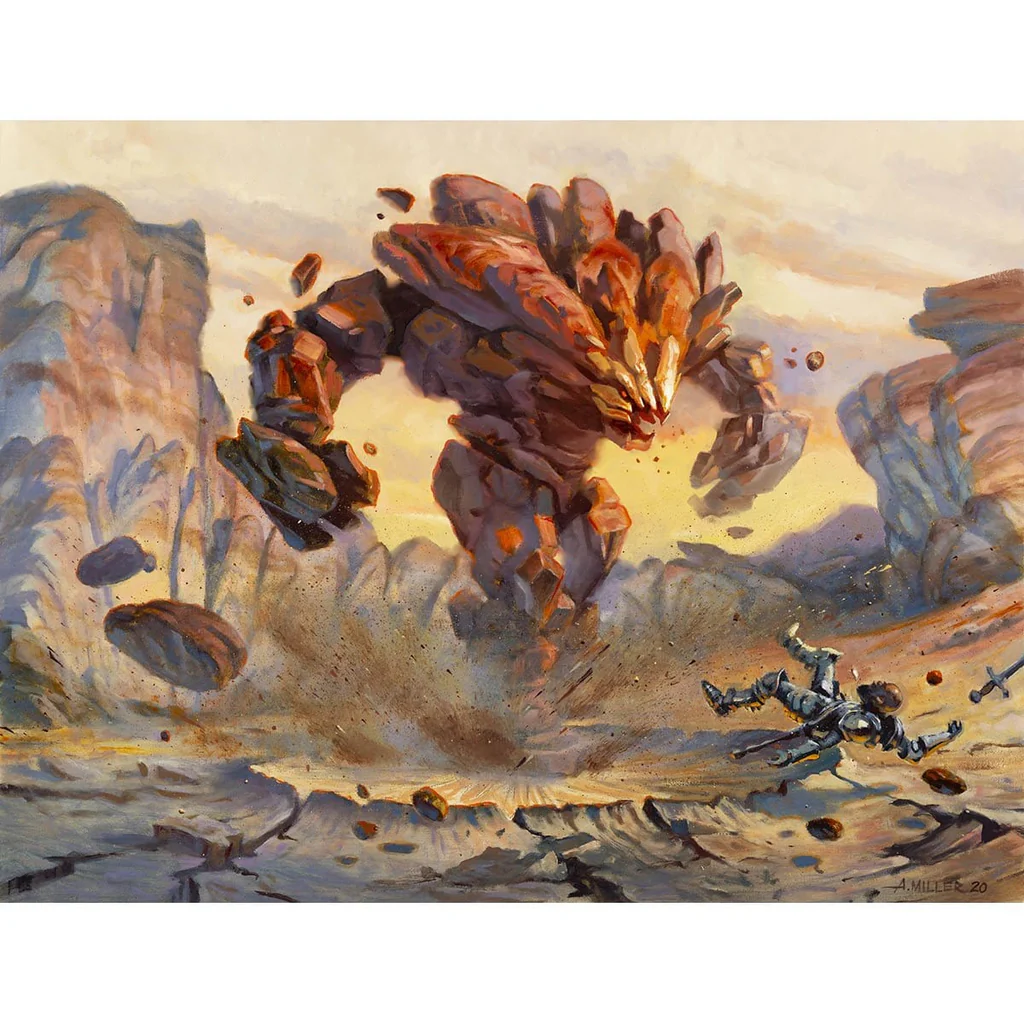
The most common inhabitants of the Plane of Earth, like all of the Inner Planes, are elementals, specifically Earth elementals. They range in size from small rolling boulder-like creatures to enormous behemoths comprised of rock and stone. They travel effortlessly through the depths of the plane without the need for breathing in a conventional sense, and while they do move through the earth, they leave no path.
Xorn are native creatures as well, though they are often found around veins of crystal or gemstones, which they eat for sustenance. They are highly protective of their food sources, and the other denizens have learned to watch for xorn signs in the tunnels. Other creatures include khagra, known as stone fish, which pass through the Plane of Earth in great schools and can be overwhelming in their large numbers, along with semi-sentient earth weirds that serve Ogremoch and the other Elemental Lords of Earth. Flail snails are naturally occurring elemental denizens with highly coveted prismatic shells, though the creatures can be dangerous to deal within in the confined spaces of the plane.
Zaratans are the most feared elemental creatures in the Plane of Earth. These enormous beings owe fealty to nothing, and even the Elemental Lords treat them with respect. They slumber for years or decades at a time, cocooned within impenetrable fortresses of solid stone, and when they wake they devour entire regions of the Stony Expanse.
Dao
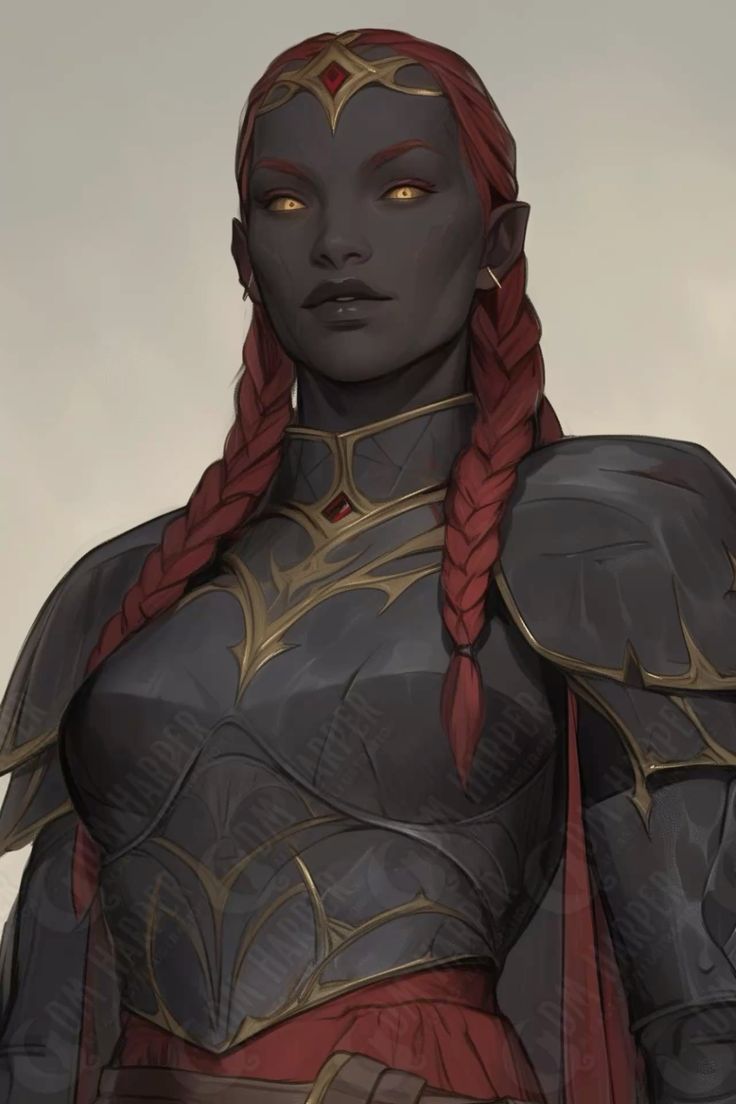
Genies are the oldest and most noteworthy sentient inhabitants of the Inner Planes, and the dao are the genies of the Plane of Earth. They are generally cruel, selfish, greedy, and they love gemstones of all kinds. They use gems to decorate their homes, wear as jewelry, and even enjoy them as delicacies. Dao live in small communities across the plane known as mazeworks, usually consisting of a single family of dao and their numerous servants and slaves, with deliberately confusing networks of tunnels and passages. The greatest settlement of the dao is the Sevenfold Mazework, also known as the City of Jewels, where the Great Khan of the Dao dwells along with his royal retinues. Dao trade regularly with efreeti from the Plane of Fire, and the two have numerous joint outposts in the Plane of Magma, though the dao try to turn every deal in their favor in all circumstances.
Gargoyles
Ancient gargoyles are a secretive, powerful species of elemental beings that trace their origins to the original formation of the Plane of Earth. Or so they claim, at least, that all gargoyles and margoyles (wingless variants) found across the multiverse are descended from their own lineage. Gargoyles exist in a strange space – they are creatures of earth and air, elements normally in diametric opposition. They have been used to wage a never-ending war against the djinni of the Plane of Air, and the ancient gargoyles are often the architects behind these endeavors. Ancient gargoyles and dao are rivals in all senses, but the dao and their slave forces vastly outnumber the ancient gargoyles.
Humanoids
The dao are notorious slave-takers, and their mazeworks are usually populated with humanoids of all types pulled from across the multiverse, by force or in the nefarious slave trade. Dwarves and humans are preferred targets, but every humanoid offers something for the dao to exploit for their own personal ends. Numerous hidden communities exist in the tunnels of the Plane of Earth filled with descendants of dao slaves that purchased or stole their freedom long ago.
Genasi
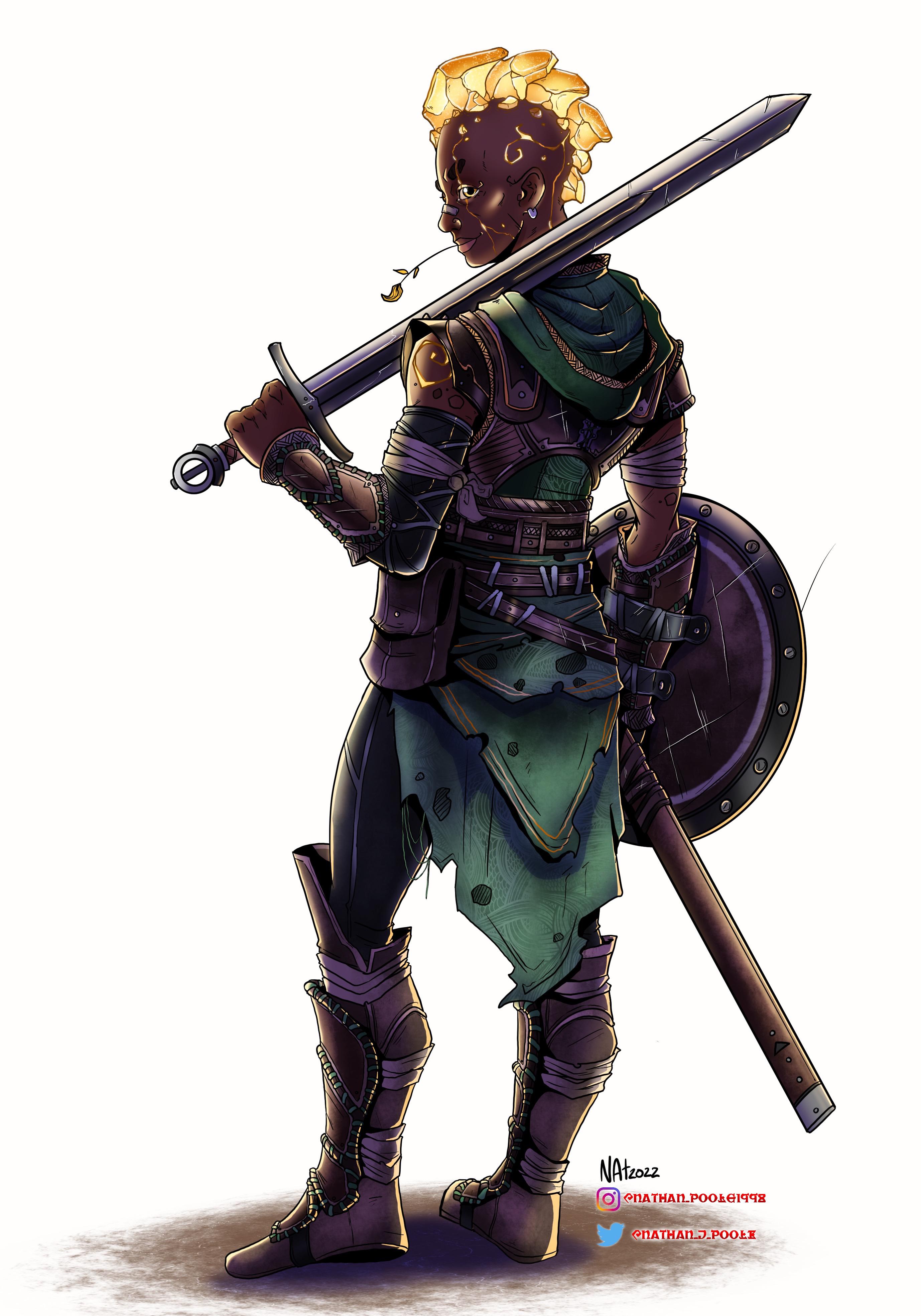
Earth genasi are the descendants of dao, but since they are not dao themselves, the arrogant genies ignore their offspring and treat them as outsiders. If a first-generation earth genasi chooses to remain in the mazework with their genie-kin, they can expect poor treatment at the bottom of the social ladder. Some work fervently to impress their dao leaders, but just as many strike out on their own, becoming wanderers and adventurers. There are no known Earth genasi settlements in the Plane of Earth, though the Sevenfold Mazework boasts a large community that has formed a mercenary force renowned for their skill in battle.
Goliaths
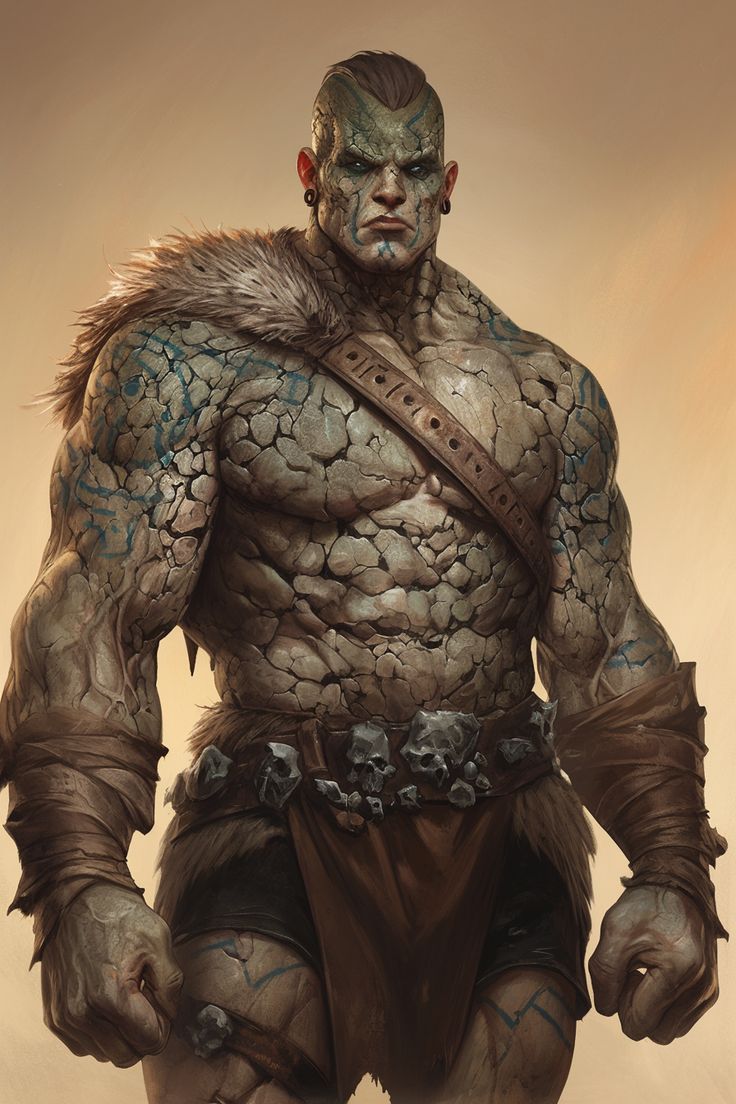
Goliaths are a tall, proud race most associated with mountains peaks and valleys, but a subrace called deep goliaths have become well-adapted to the lightless tunnels of the Stony Expanse. They live in small tribes, never settling in one place but able to traverse great distances over their personal territories. Deep goliaths are hairless, with pale or albino skin, but just as strong and athletic as their above-ground kin. They’ve developed a number of unique practices, most notably the art of stonesinging, which allows them to use vibrations in the rock to communicate over vast distances in the Plane of Earth.
Monstrosities
Numerous monstrous creatures stalk the tunnels of the Plane of Earth. Basilisks are common, though thankfully, the more serpentine greater basilisks are a rare if deadly encounter that even the dao try to avoid. Purple worms are responsible for a great number of the passages that snake through the Stony Expanse, and large colonies of kruthik can be found in the Furnaces close to the Plane of Magma. Dangerous umber hulks burrow through the Plane of Earth as well, helping to expand the network of tunnels used by other creatures, and patient ropers wait in the darkness for their next meal.
Hazards & Phenomena
The Plane of Earth holds numerous threats to travelers beyond its lack of breathable air for most of the realm! From collapsing tunnels to falling rocks and flows of magma and ooze, the plane holds no small amount of danger for the unprepared.
Earthquake
Despite its reputation, the Plane of Earth is constantly in motion. Normally this motion is slow and grinding, but occasionally, it is sudden and dangerous.
Cavern Collapse
The Plane of Earth is treacherous to the unwary and it can bury travelers in a moment’s notice. A collapse occurs when something causes the ceiling of the tunnel or cave to crumble, sending rocks and debris crashing down in a heap of rubble. Most collapses occur in a 30-foot-radius, though collapses caused by an earthquake fill a much larger area.
Ooze Flow
Some large swaths of the Plane of Earth have mixed with moisture from the Plane of Water to create dangerous ooze flows. These are common in the area below the Mud Flats, but any portion of the plane can contain a planar vortex to the watery realm.
Magma River
Similar to an ooze flow, a magma river is an incredibly hot flow of earthen material mixed with elements from the Plane of Fire. The Furnaces are filled with magma rivers, which cut great swaths through the caverns in that region of the plane, but they are not unheard of across the Stony Expanse.
Pulse Crystals
Pulse crystals are normally found in clusters of 3d6, and each crystal is 7 to 10 feet tall. They occur naturally where vortexes exist between the Plane of Earth and the Positive Energy Plane – most planar scholars believe them to be extensions of one of the quasi-elemental planes that are theorized to exist close to the energy planes. Whatever their origin, they are welcome respite for travelers, especially those not used to underground living.
Each pulse crystal glows with dim light in a 20-footradius of a random color, shifting every hour or so between green, red, blue, and yellow. Some planar predators know to seek out and hang around clusters of pulse crystals, as many creatures are drawn instinctively toward the lights.
Rock Rot
Some sections of the Plane of Earth are infested with microscopic pests known as mineralmites. They are not harmful to living creatures not made out of stone as they feast on the rich internal consistency of rock and stone. As they do so they pass through it, leaving the area chalky and unstable. Dwarves and gnomes are familiar with the resulting rock rot as the mineralmites are not uncommon outside the Plane of Earth as well.
Sites & Treasures
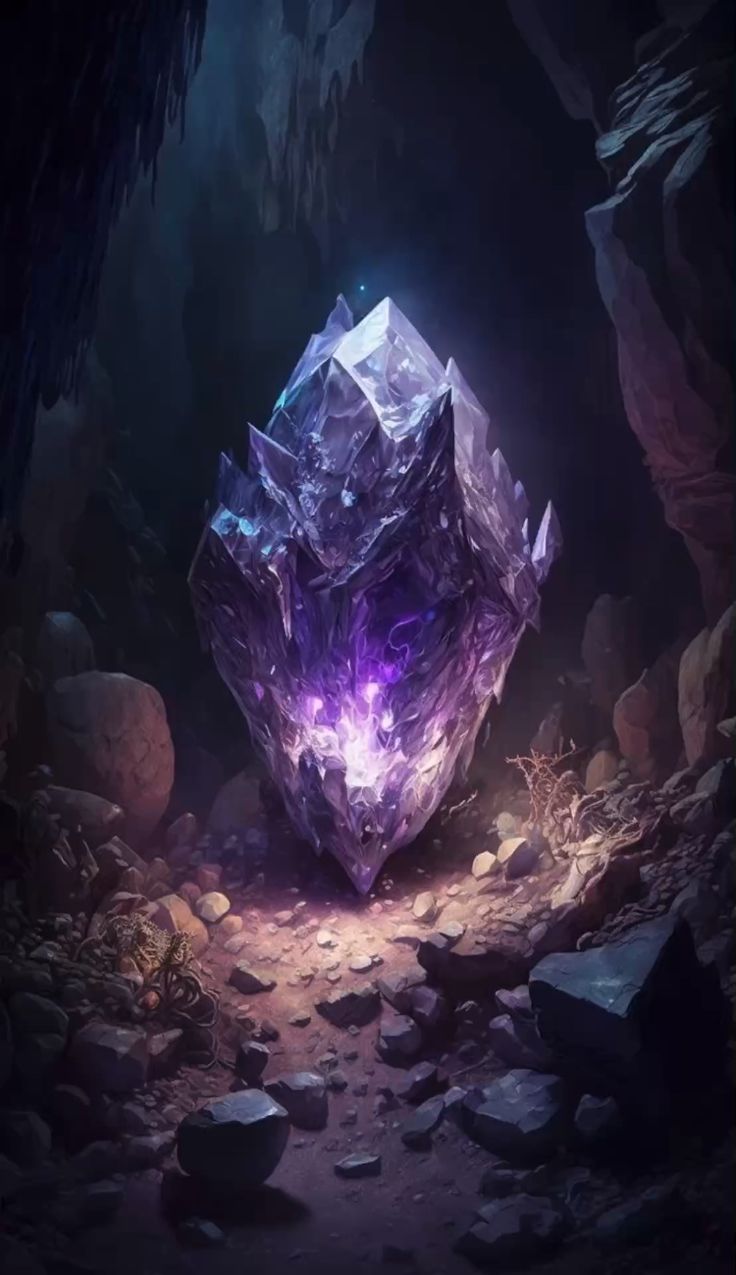
Despite the many dangers posed by the Plane of Earth, travelers still seek out its wonders and treasures. Some are like the dao, greedy and always hunting for the next big vein of rich ore or minerals, while others search for buried treasure, hidden secrets, or the very bones of the past.
Bones of the Earth
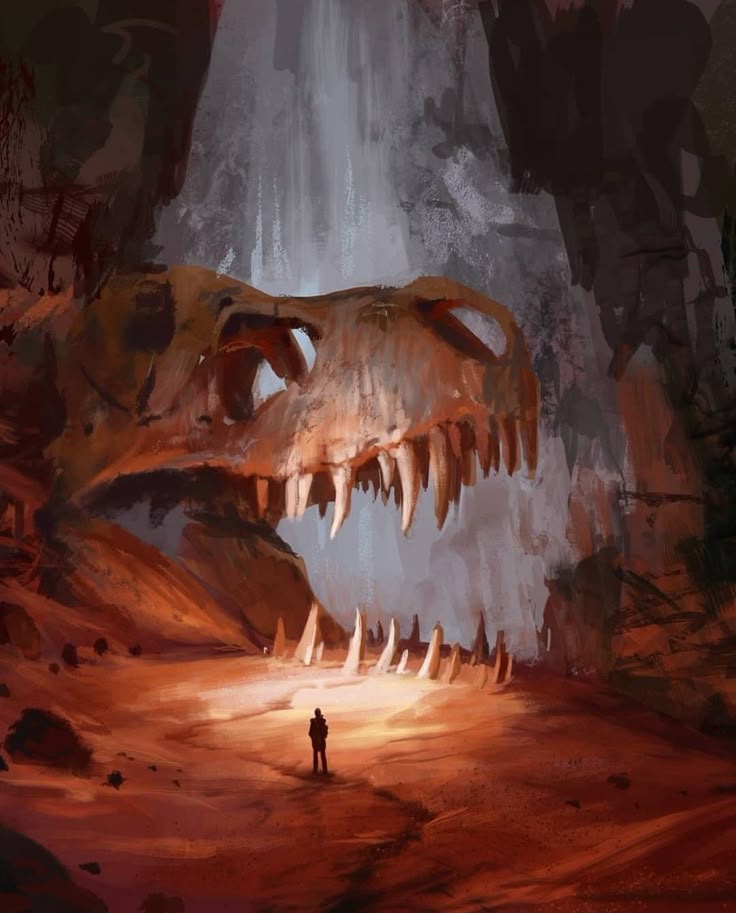
When an earth weird feeds on a living creature, its digestive process and stony makeup strip the victims of all flesh. The elemental creature then proceeds to devour the only part of the meal it cares about – the calcium in the victim’s bones. Once complete, the earth weird discards the remnants, which have taken on a stone-like substance. These stone bones are called fossils, and deep in the Stony Expanse, the earth weirds have gathered together a massive collection of these discarded victims in a place called the Bones of the Earth.
Fossil remains of all manner of creatures from all across the multiverse, from dinosaurs to demons to humanoids and dragons, lay scattered about the cavern. Earth weirds crawl over the piles of stone bones, scavenging for whatever morsel they can find. Rare monsters and their fossilized skeletons can be found in the cave, and for some cabals of necromancers, the powdered remains of certain fossilized creatures can be used as potent spellcasting components. Finding the Bones of the Earth is only the first problem, as some stories suggest that a massive earth weird king lurks in the cave that devours all intruders.
Deep Crystal Labyrinth
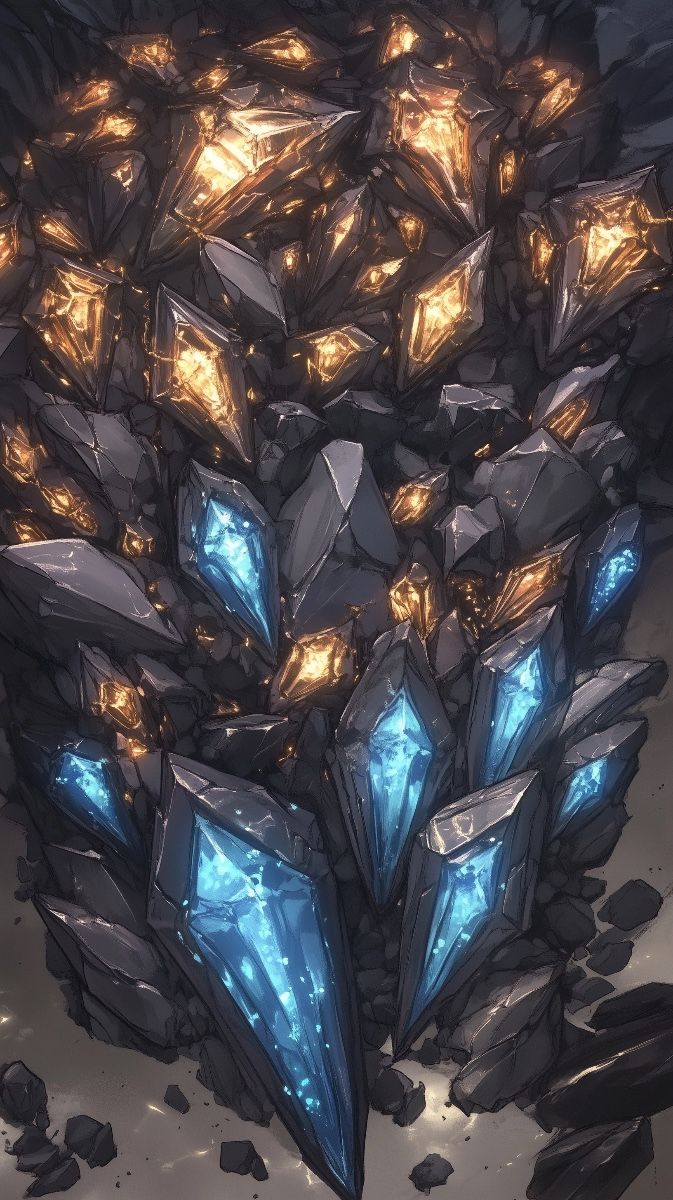
The Stony Expanse holds many buried secrets, but one of the most beautiful is a series of tunnels and passages cut into one very massive chunk of crystal. No one really knows if the caves are a natural formation of the crystal or if they were carved deliberately, but the Deep Crystal Labyrinth has attracted travelers from across the multiverse to seek out its wonders. Mapping the confusing maze has been a challenge for those who visit, as the passages have a tendency to shift and change over time, sometimes dramatically. Entire teams of explorers have become lost in the beautiful labyrinth of soft blue crystalline walls, but rumors of priceless diamonds in the Deep Crystal Labyrinth’s heart keeps drawing people in.
Some who have found the Deep Crystal Labyrinth and return tell of strange creatures that emerge from the very walls to harass and destroy intruders. Sometimes humanoid shaped, sometimes animal, these crystal guardians seem to have no means of communication and seek nothing but the total eradication of any intruders. The hardened nature of the crystal makes the guardians difficult to defeat in combat and some natural property of the labyrinth makes them resistant to most magic.
Ghost Tunnels
Among the slaves of the dao, the legend of the Ghost Tunnels is a cautionary tale of how dangerous greed can become. Among the dao, it is a source of a rich ore of rare minerals that is still sought out to this day. Long ago, a dao led excavation team uncovered an untapped vein of pale white mithril in the depths of the Stony Expanse. Refusing to recognize the warning signs around the vein, the dao immediately set the slaves to dig out the valuable ore, which seemed to possess strange otherworldly properties.
Unfortunately, those properties brought about the ruin of the dao and his teams of slaves. The mithril vein was infused with energy from the Ethereal Plane, and as they cut into it with picks and shovels, the unstable nature of the pure ore collapsed. But it didn't just collapse the tunnel. It trapped the diggers and the dao in a pocket of Ethereal Plane energy that separated their spirits from their bodies permanently. Several slaves who had been sent away to fetch more gear returned to find the tunnels gone as if nothing had happened, but when they were invariably recaptured by the dao and forced to explain what happened, the genies realized they had found a highly coveted ore called ghost mithril. Thus, the legend of the Ghost Tunnels was born.
Finding the Ghost Tunnels is a dangerous prospect, as the unstable nature of the ghost mithril means it can shift into the Ethereal Plane with dramatic results at any moment. And, if the rumors are to be believed, the ghostly remains of the dao and the diggers still haunt the tunnel
Great Dismal Delve
The largest natural cave in the Plane of Earth is the Great Dismal Delve, which forms the epicenter of the dao and their enterprises. The delve itself is a massive cavern shaped like a crevasse, about 60 miles wide and 120 miles long. The ceiling stretches up to a height of a half mile and is filled with stalactites of all shapes, though their natural formation is a mystery as there isn’t enough moisture or condensation in the cave to support the quantity or size of the stalactites. The Great Dismal Delve’s walls are honeycombed with passages and tunnels dug by the slaves of the dao, and the floor is a rocky mixture of natural stone structures, edifices, and bizarre fungal gardens.
In the center of the Great Dismal Delve is the Sevenfold Mazework, the capital of the Dao Khanate and home to the Great Khan. It sits inside a massive circular column in the delve, stretching from floor to ceiling and about 10 miles wide. Around the Sevenfold Mazework the dao maintain large farms for feeding the slaves that maintain the delve and the city. The farms consist of a sickly pale fungus that smells awful but keeps creatures alive.
The delve is filled with the sounds of work at all times, and the gemstones studding the side of the Sevenfold Mazework provide dim light for most of the expansive cave. The brightest lights are from the clock gems that report the time, shifting from red to blue and indicating when slave drivers must switch out their teams of diggers and miners. The dao consider the entire delve to be their territory but the truth is the cave is too large for them to effectively patrol and maintain. Monsters from the plane and elsewhere are a common problem in the outskirts of the delve, where dao maintain soldier slaves to protect their mining slaves.
Koh Nur, Opal of the Great Khan
In the Sevenfold Mazework, in a massive central chamber, the final two maze layers sit in a magnificent bejeweled dome. Gemstones of all kinds stud the outside of the dome, inside of which sits the Great Khan and his most trusted advisors, but the crown jewel of the structure – and indeed of the whole dao khanate – is a truly wondrous opal resting atop the dome. This is Koh Nur, the opal of the Great Khan, and it is one of the largest and most valuable gemstones in the multiverse. The opal sits thirty feet long and half that wide and rests in a specially constructed brass holder, a gift from the grand sultan of the efreet long ago.
Koh Nur is more than just a spectacularly expensive gemstone. It also functions as the ticking heart of the dao khanate, as it serves as the central focus for all of the attuned clock gems. Koh Nur sheds a brilliant radiance based on the 26-hour day of the dao, shifting from scarlet during the day to a deep midnight blue at night.
Over the centuries, there have been several attempts by enterprising thieves to steal Koh Nur from its resting place atop the Dome of the Great Khan. The gem’s size makes such attempts logistically difficult, but the most successful actually managed to perform a feat of magical subterfuge. The thieves – a team of planar adventurers – somehow replaced Koh Nur with a glass replica and shrink the original to pocket-sized during a blackout that plunged the Sevenfold Mazework into darkness for several minutes. The Great Khan’s personal bodyguards stopped the thieves before they were able to leave the City of Jewels, but the audacity of the attempt has pushed the dao to implement insane measures to ensure it never happens again. Few outside the Great Khan’s personal retinue of seneschals know the traps and perils placed around Koh Nur now.
Library of Dumathoin
Though he resides on another plane, Dumathoin – dwarven god of secrets and mining – maintains a storehouse of knowledge on the Plane of Earth. It’s one of several planar libraries around the multiverse, but the dwarven monks that maintain it, the Keepers Under the Mountain, hold that this one is the largest. It sits in a tall cleft hidden somewhere in the Stony Expanse, protected by ancient dwarven magic to prevent unwanted prying eyes. The walls of the cleft are lined with shelves upon shelves of books, papers, scrolls, sheaves, and other records of note, ranging from the mundane to the fantastic.
Access to the Library of Dumathoin is restricted to only guests invited by one of the master librarians, but that hasn’t stopped powerful forces from trying to break in forcefully. The enchantments placed around the library are said to hold the strength of Dumathoin himself and thus far have held against attackers, but a growing splinter faction within the Keepers Under the Mountain may undermine the efforts to safeguard the secrets. There is at least one greedy dao in the Sevenfold Mazework who will stop at nothing to claim the knowledge held within the library and she is hunting down every dwarf she can find to unlock the secrets.
Motherlode
It is a whispered legend among the dao, a fabled location that moves across the Plane of Earth, defying all logic and explanation. It is the Motherlode, a glittering vein of prismatic ore with powerful natural magical properties. Some dao craftsmen say that it can be used to imprison gods, while others believe it is the secret to conquering the djinn of the Plane of Air once and for all. Finding the Motherlode has consumed the lives of many dao seeking to make a name for themselves, and more than one dao believes it has the power to unseat the Great Khan himself.
Finding the Motherlode has proven difficult. The dao have found it only a handful of times, and each time they were able to take away only small chunks of the prismatic ore. But those chunks have turned into priceless artifacts and relics, most of which sit in the vault of the Great Khan in the heart of the Sevenfold Mazework. At least one ring and an amulet has found its way outside the City of Jewels, however, and into the hands of scheming dao who believe the relics hold the key to rediscovering the Motherlode.
One planar scholar believes the Motherlode to be an ancient deity of minerals and ore that has been consumed by the Plane of Earth, forever now an elusive piece of the plane that served as their home since time immemorial, but there is no evidence to back this claim up. It has persisted as the story of choice for many noble dao, however.
Salt Dungeons of the Great Khan
The laws of the dao are the will of the great khan, or so the saying goes, and for those who break the laws there are three primary punishments. The simplest and most common is enslavement, while the second most used punishment is a swift death. The third, reserved for those the Great Khan believes to have some hidden value, is to be imprisoned within the Salt Dungeons – a sprawling series of cells and chambers carved inside of a spike of acidic salt deep beneath the Sevenfold Mazework. Exposure to the acid salt is dangerous to living creatures and even the dao jailers tread carefully when placing or extracting prisoners.
As with many locations in the Plane of Earth, access to the Salt Dungeons is restricted, or at least supposedly. Several influential noble dao also use the location to torture prisoners and escaped slaves outside the purvey of the Great Khan. The deepest pits of the salt spike contain the crusted bones of the dead, animated into unlife by some ancient power, who roam the sealed halls beyond the control of even the Great Khan. Emissaries of the Great Khan do everything they can to discourage these rumors.
Sand Pits of Skatha
For the sandmen, existence is pain and suffering, though they constantly struggle to break free of their bonds of servitude. Those bonds extend to their birthplace, a broad cave filled with sand that bears a singular intelligence calling itself Skatha. Planar scholars debate over the nature of the sandmen and Skatha – are they all simply a manifestation of this one entity? Or are they splinters of an insane sand god trapped in the Plane of Earth? Or are they individuals with hopes and dreams separate from the pits of their birth?
Whatever the truth, the sand pits that hold the sentience of Skatha are usually avoided by most canny travelers. Skatha is a cruel entity bound forever to its sand pit, though it does manifest physically when intruded upon. Sometimes portals and vortexes from across the multiverse open up into Skatha’s realm, depositing strange treasures and befuddled guests to the sand pits. Dealing with the intelligence is usually an endeavor fraught with frustration, as Skatha doesn’t know all the time what Skatha wants. Sometimes it simply surges the sand dunes to devour intruders, other times it converses in with an inquisitive mind.
It is rumored that Skatha is bound by the will of the dao, which would explain the genies' use of sandmen as their slave-takers across the multiverse. If this were true, freeing Skatha would weaken the dao khanate and free an imprisoned mind from a tortured existence.
Sevenfold Mazework
The beating heart of the dao khanate spread across the Plane of Earth is the Sevenfold Mazework, a massive column of stone in the center of the Great Dismal Delve. Also known as the City of Jewels, the mazework’s exterior is studded with all manner of gemstones. The clock gems, attuned to the opal of the Great Khan, are the brightest and are a common site even within the structure.
Inside, the Sevenfold Mazework reveals itself to be a confusing mess of tunnels, passages, rooms, chambers, wings, and halls. The structure has over two dozen levels, and each level is divided into five rings of increasing wealth and privilege. Crossing between each layer of the mazework requires the completion of complex tasks and the recitation of esoteric phrases, but few outside the dao have breached the second maze layer. The two innermost maze layers known as the Hidden Fulcrum house the private realm of the Great Khan himself and his chosen slaves, though the current Great Khan is paranoid and trusts only golems and their like to enter the seventh maze.
Visitors to the Sevenfold Mazework are normally restricted to the first maze layer, which is an opulent display of the dao’s unmatched greed and flair for gemstones. Some ancient enchantment on the entire mazework causes every dao in the city to be instantly aware of any theft of a placed gemstone, a crime punishable by death. For those travelers able to withstand the lure of the gems, however, the halls and balconies of the dao and their markets are open for business at all hours.
The largest region of the first maze layer is the Free Market, an ironic name considering it trades mostly in slaves of all types. The dao do not discriminate against travelers within the first maze layer, and welcome all who desire privacy and secrecy in their dealings. The Sevenfold Mazework is not a more popular planar destination simply because the dao believe everyone to be as untrustworthy as they are, and they keep a long list of grudges against anyone who behaves even the slightest bit out of order. Thousands of dao and hundreds of thousands of slaves live, work, and die in the Sevenfold Mazework, and the constant earthquakes and collapses of the plane keep teams of slaves busy repairing and rebuilding sections of the city at all times.
Tunnels of Madness
Loneliness can drive anyone into the arms of insanity, but in the wind-infused Tunnels of Madness, the shrieking cacophonic gales do the trick without any assistance. Most planar scholars agree that the Tunnels of Madness are not so much a single location as a series of caves and intersections that cross a wide stretch of the Stony Expanse. Exposure to the madness-inducing winds in the area can drive even the most stalwart traveler to perform savage acts of random behavior, and it is theorized that the winds originate from the Plane of Pandemonium as the effects are similar to those that permeate that entire Outer Plane.
Some creatures have stumbled into the Tunnels of Madness and have lost their way, forgetting who and what they are in favor of a slavering insanity that drives them further into the wind-filled halls.

Comments