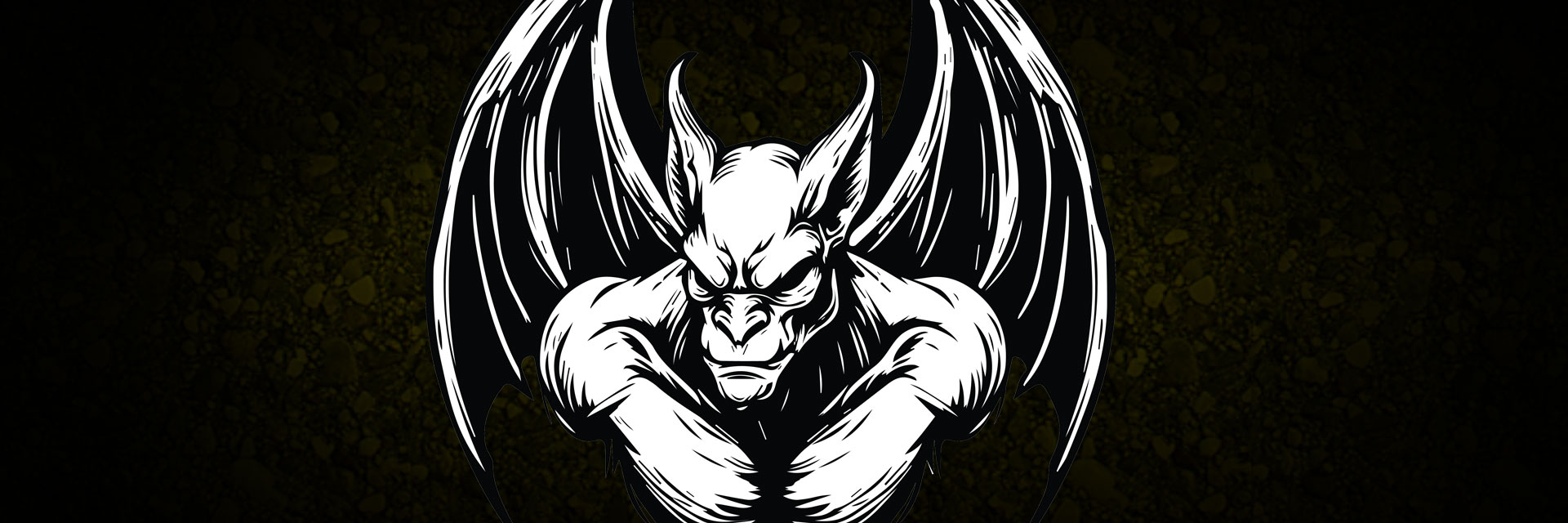
Gargoyle
Rooftop Wardens of Living Stone
Forged from stone and purpose, Gargoyles are living sentinels awakened by sacred vows etched into the world. Born atop chapels, bridges, and watchtowers, they are tireless guardians shaped by the promise that gave them life. Whether watching from rooftops in silent stillness or walking the road as a Freewing, each Gargoyle carries their vow like a second heart.
Gargoyles are living stone who arise where oaths are laid into mortar. Each is tied to a vowsite such as a chapel roof, bridge, or watchtower cornice. When a vowsite is in danger, the gargoyle awakens and climbs into the night to honor their oath. Many remain faithful wardens for centuries. Others eventually choose the Freewing path, leaving the roof for the road to atone for a broken oath or to hunt those who profane their vowsite.
In the Nevermore Expanse, gargoyles are a quiet resistance. The Crimson Order bends them into leashed roof toppers across the gothic horizon. Most gargoyles care little for politics. They care for vantage, for the right of sanctuary, and for the simple truth that a promise is set in stone.
Vowsites
A Vowsite is a place where an oath becomes more than words, and magic intertwines with the act of creation. Gargoyles are not carved to live; they are carved with purpose. Their existence begins when a mortal, knowingly or not, combines three elements: a crafted vessel, a place of significance, and a vow made in earnest.
This process mirrors the creation of a golem, but without arcane commands or binding sigils. Instead of enchantments, a vow must be woven with a whispered plea, a tearful promise, or a desperate prayer laid into the mortar. When the vow is true, the Bond listens; and when the Bond listens, it breathes life into the stone.
Living Vows
Gargoyles are not bound by spells or masters, but by the vow that gave them form. This bond is deeply personal and spiritual, and most gargoyles see it as sacred. As long as the vow remains intact and is respected by the people or the place that gave it, gargoyles draw strength from it, feel whole, and can enter restful stasis. If the vow is broken, the gargoyle feels the pain of its fracture. Some weaken and are unable to endure life without it. Others choose to leave, becoming Freewings who seek new vows to uphold or vengeance against those who desecrated the old.Creating a Gargoyle
When these three elements converge, the gargoyle awakens, though not always immediately. Some stir only when the vow is tested. Others rise at the toll of the first bell or the first storm after the structure’s completion. Most do not even know who made the vow, only knowing what they were made to protect.
The Vessel
A sculpted stone figure, usually incorporated into the architecture of buildings like a chapel, watchtower, or bridge. The figure must be crafted by mortal hands with intentional care and not mass-produced or shaped solely by magic.
The Site
A place of significance and purpose. A spot where people gather, protect, or mourn. The vessel must be placed where a promise holds importance.
The Vow
The animating force. It can be spoken aloud, carved into stone, or felt so strongly during the process that it leaves an imprint without words. The vow must be sincerely made and serve a purpose beyond oneself.
Basic Information
Anatomy
A gargoyle’s body is carved rather than grown. Their skin ranges from chalk pale limestone to soot dark basalt with veins of quartz or copper. Horns, crests, and jutting brows match the style of the vowsite and the hand of the carver. Wings are heavy but strong, best for bounding glides and sudden drops rather than long flight and their claws splay wide for gripping cliff sides and slick tiles.
Their blood is slurry, a mineral pulp that smells of wet stone. They chip and shed grit as they move, then slowly reform during stillness. Many gargoyles enter a restful stasis when they choose to perch under open sky. In that statue calm they heal and listen with sensitive hearing tuned to bells, ropes, and wind through ancient alleyways.
Civilization and Culture
Culture and Cultural Heritage
Freewings
While most gargoyles spend their lives perched above their vowsite, some leave after being driven by loss, duty, or revelation. These wandering protectors are known as Freewings, a term spoken with both respect and sorrow among other Gargoyles. Becoming a Freewing is not taken lightly. It means untethering yourself from the promise that gave you life and accepting the burden of carrying that vow into a world that may no longer honor it.
Though no longer bound to stone, Freewings carry their vow within. Some wear tokens of their origin, such as shards of rooftop slate, chisel-marked feathers, or bells worn on chains. Others refuse to speak of their past at all, letting their actions write new promises into the world.
“I carry no perch, but I still keep watch. No roof above me, but I still shelter the fallen. No bell beside me, but I still ring true.”
Reasons for Departure
No two departures are the same, but all share a spiritual gravity.
Vow Broken
The most common reason. If the community that swore the vow betrays it by spilling blood in a sanctuary, abandoning the helpless, or desecrating the sacred, the gargoyle feels it like a fracture of the soul. Some fall into silence. Others take wing, seeking to right the wrong.
Site Destroyed
War, weather, or corruption may physically reduce a vowsite to rubble. A gargoyle whose home is gone often enters a long stillness before awakening again and searching for a call to action in new lands.
Vow Fulfilled
In rare cases, a vow may reach completion. These gargoyles may leave of their own will, seeking a new oath elsewhere.
Personal Revelation
Some feel a deeper calling. They believe their purpose lies beyond a single rooftop. These Freewings often walk a lonely road, guided only by their instinct for where a new vow may need defending.
Lifespan
Gargoyles can live about 500 years of active life, standing watch, walking the world, and upholding the vows that birthed them. However, many far outlast this span through long periods of stone stasis. Some elders have remained unmoving for over a thousand years, weathering centuries atop rooftops, bridges, and sanctuaries.
When a gargoyle dies, it does not decay. Instead, it returns to stillness forever, fusing into the architecture of its original vowsite. If a gargoyle perishes far from its vowsite, its body becomes indistinguishable from inanimate stone, appearing as a weathered statue.
Lifespan
About 500 years, though some elders have remained motionless in stasis for over a thousand years.
Average Height
Medium (about 4-7 feet tall) or Small (about 2-4 feet tall), chosen when you select this species.

by Dean Spencer
Building a Vowsite Backstory
For players and dungeon masters alike, a gargoyle's origin is rooted in the vow that gave them life. Even as a traveling Freewing, your character is still shaped by the promise that stirred their stone. When creating a gargoyle character, ask these questions to help define your Vowsite and your reason for leaving it.
What Was the Vow?
Choose or create a meaningful promise that could give rise to life through the Bond. This vow should be simple, powerful, and selfless. It might have been sworn aloud, carved into stone, or simply felt with desperate conviction.
What Was the Vowsite?
Describe the structure where you were carved and placed. Was it a bell tower, a temple ruin, or a chapel rooftop? Who built it, and what community or history surrounded it?
Why Did You Leave?
As a Freewing, you are no longer bound to your vowsite. You might have left by choice or been forced to flee. Perhaps the vow was broken, the site desecrated, or your need to act outweighed the duty to stay.
DM Tip
Use the player’s vowsite as a narrative anchor. Introduce NPCs who remember the site, show remnants of the original vow, or threaten its legacy. A fallen chapel may become a haunted ruin. A bridge once guarded may be claimed by unnatural forces. The gargoyle’s past is a living part of the world.
Vow Origins Table
Roll or choose to discover the sacred vow that gave life to your Gargoyle.| d10 | Vow That Gave You Life |
|---|---|
| 1 | “No blade shall be drawn beneath this roof.” A hospice sanctum during a time of war. |
| 2 | “We will watch until the storm passes.” Sworn atop a coastal lighthouse during a siege. |
| 3 | “Let no grave here lie forgotten.” Etched in a mausoleum’s keystone. |
| 4 | “I built this with love and stone. May it endure.” Whispered by an aging mason with shaking hands. |
| 5 | “Let the hunted find shelter here, no questions asked.” Spoken during a rebellion. |
| 6 | “So long as someone sings, the dead shall rest.” A bard swore this over the funeral chapel she performed in weekly. |
| 7 | “No mourner shall weep alone under this arch." Spoken by a priestess who consoled the grieving. |
| 8 | “Though all fall, this tower will not.” Shouted by a soldier refusing to retreat from the final bastion. |
| 9 | “Truth shall not bow to kings.” Sworn by a deposed magistrate before his execution. |
| 10 | “This bridge will bind enemies into friends.” Spoken during a peace accord. |
Broken Vow Table
Roll or choose to reveal how the vow that gave your gargoyle life was shattered.| d6 | How the Vow Was Broken |
|---|---|
| 1 | Silence replaced the bell. The sacred bell was stolen or shattered. Without it, the vow can no longer be remembered aloud. |
| 2 | The community turned away. Those you protected abandoned their promise, offering bribes or betrayal to save themselves. |
| 3 | The structure fell. A flood, fire, or war leveled your home. |
| 4 | The vow was weaponized. The oath you were built to uphold was twisted to justify cruelty or oppression. You left in protest. |
| 5 | A sacred name was forgotten. The last mortal who remembered the vow’s meaning died. No one left believes the stone was ever alive. |
| 6 | The vow ended. It was truly fulfilled: the war is over, the protected have left, the need has passed. |
Comments