Dice & Difficulty Grades
Intro
The Dice
Whenever playing a TTRPG, the dice are typically integral to the game, and it is as such with this one. Dice are used to determine the success of certain actions, skills, and how well a character responds/handles/survives to/against something. Examples of this could be when a player moves to attack an enemy, attempt to successfully craft a dagger, decipher an advanced lock or puzzle, notice something in the room, reacting to an ambush, shielding from a spell, or even enduring and outlasting a power which physically changes/shocks the body.
NOTE: The dungeon master should not have to tell the players to roll for everything! Players are encouraged to take initiative and describe their actions freely. Thus when entering a new room, the dungeon master should NOT tell the players immediately to make an awareness or investigation check, but instead give a general description of the room, and allow the players to choose whether they look more closely, or if they choose to ignore the contents of the room and move forward.
While players can succeed in a task simply by rolling and applying modifiers, they can increase their chances by describing how they attempt to succeed in their tasks in detail (i.e. roleplaying). Example: Instead of simply stating that you'd like to roll to dismantle a trap, the player can ask the dungeon master what mechanism it seems to be made of, or even use an investigation check to first determine the segments of the trap (like the trigger, transmission, power source, payload and reset device, making it easy to identify where they should dismantle the trap and increasing the chances of success).
Types of Dice
There are seven types of dice in the game. Each have their own reason for existing, and six out of ten of them are meant to be rolled high, with the percentile rolled low. Below are the following dice and for every reason they might be rolled in the game.
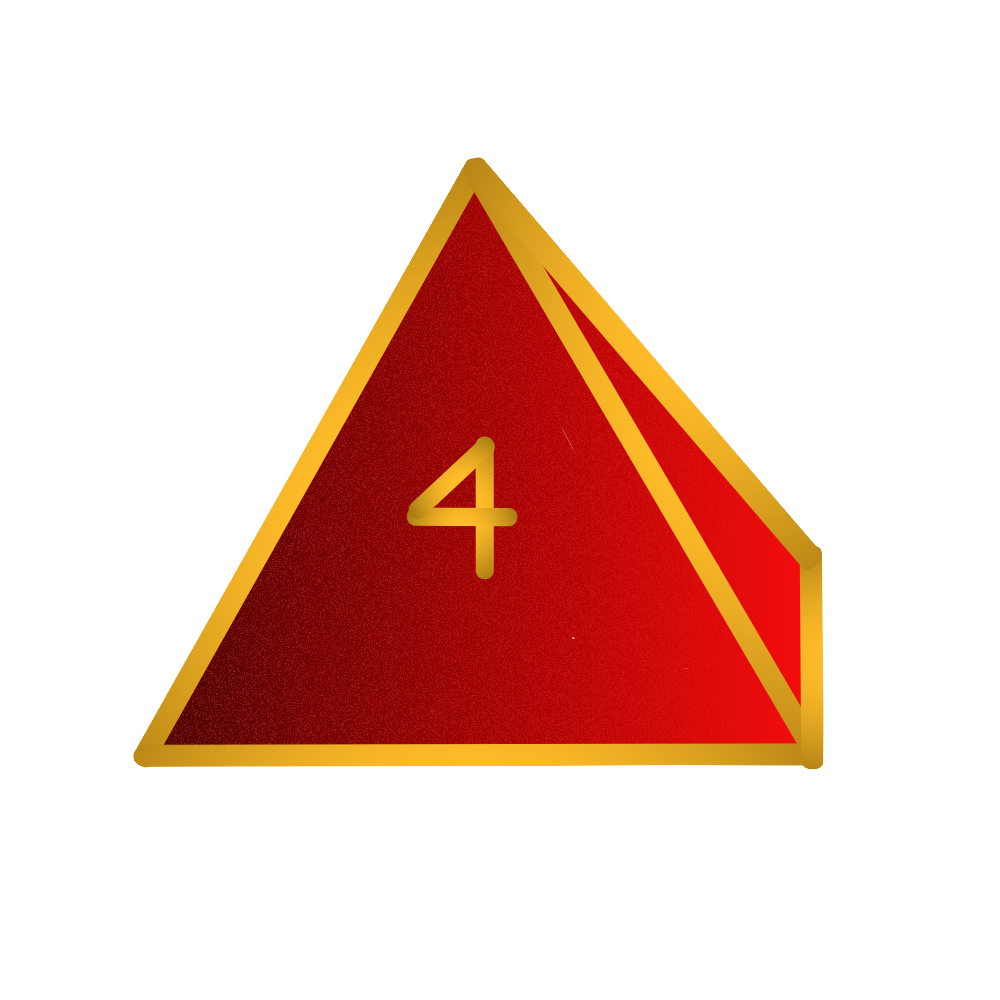
Four Sided Die (d4)
A Tetrahedron shaped die.
- Hit Dice
- Spell Damage/Effect
- Weapon Damage
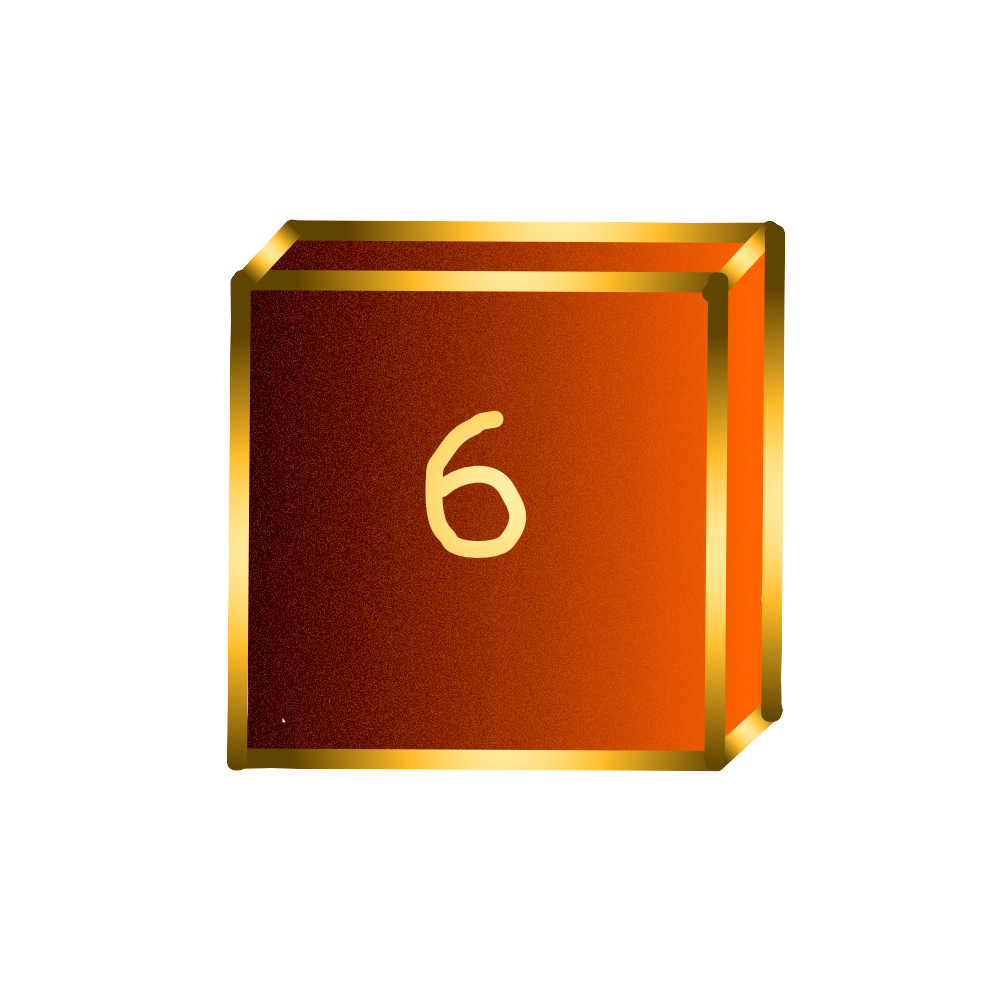
Six Sided Die (d6)
A Cube shaped die.
- Ability Score Generation (character creation)
- Hit Dice
- Spell Damage/Effect
- Weapon Damage
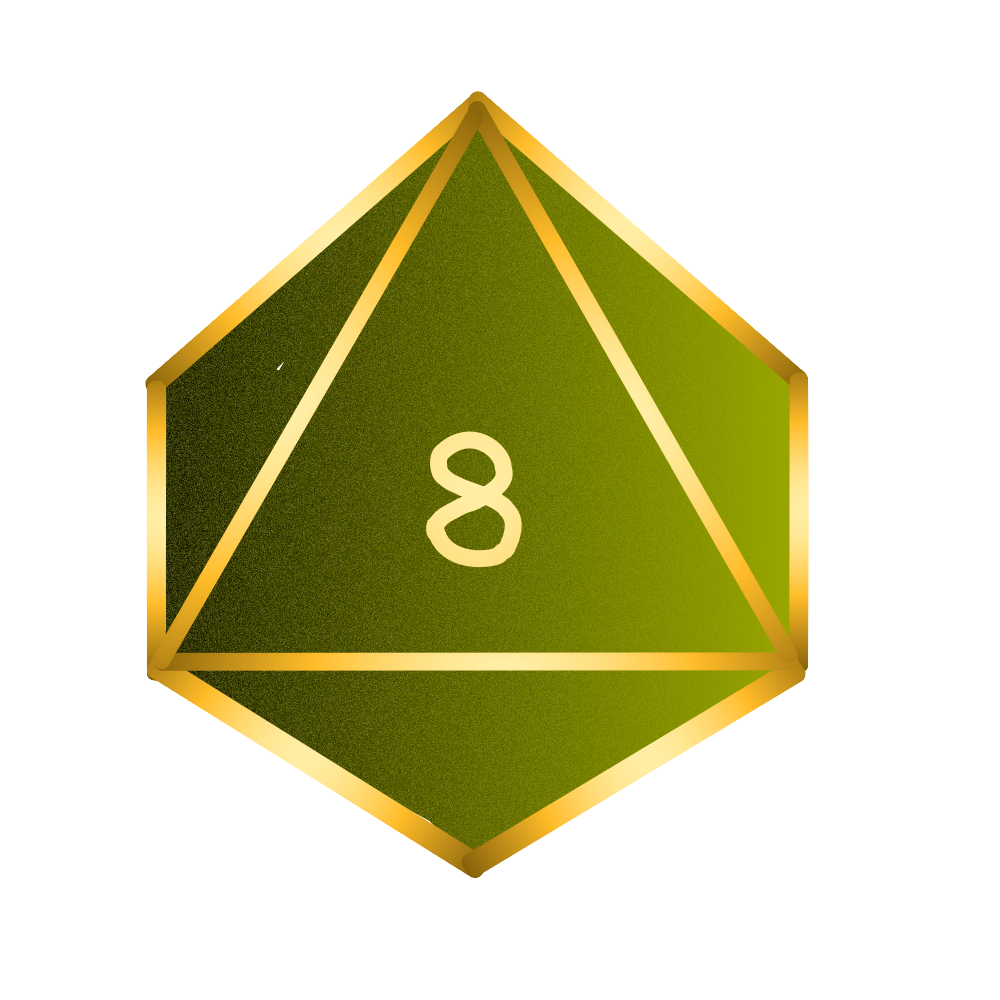
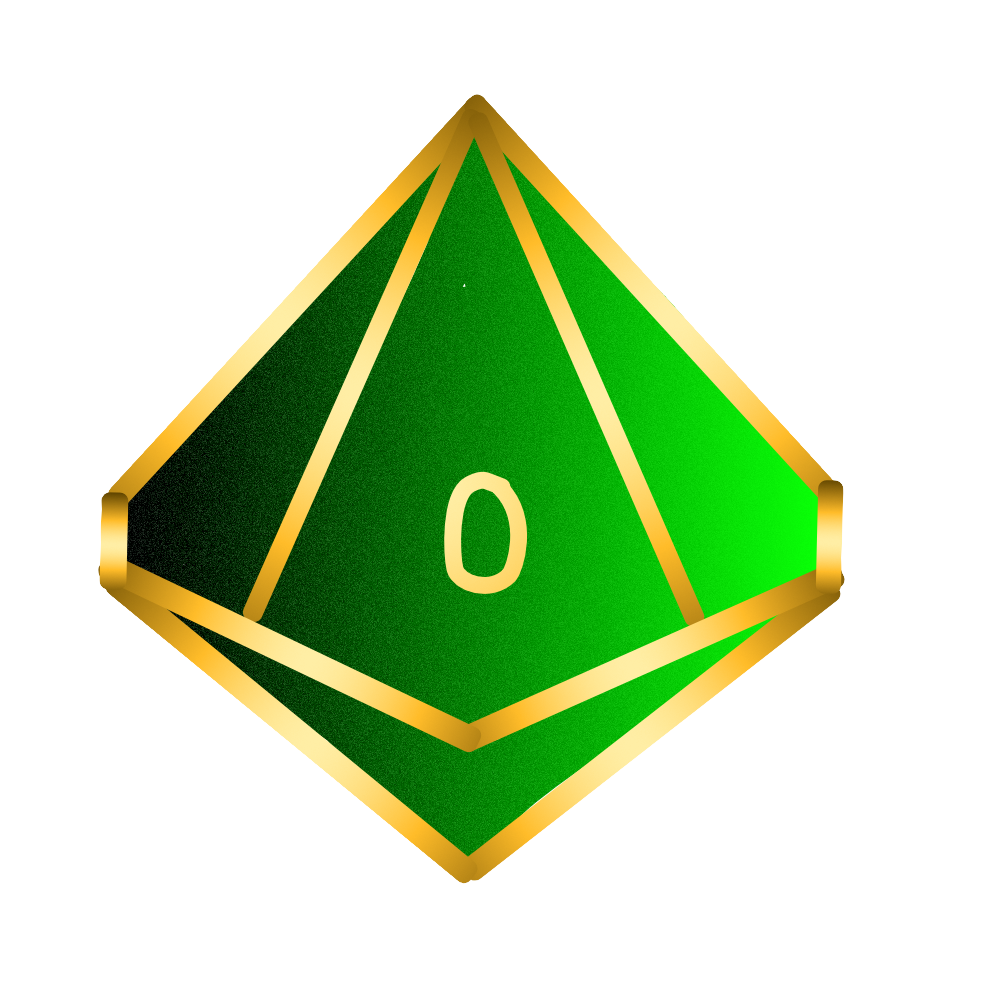
Eight Sided Die (d8)
A Octahedron shaped die.
- Hit Dice
- Spell Damage/Effect
- Weapon Damage
Ten Sided Die (d10)
A Pentagonal Trapezohedron shaped die, single digits.
- Hit Dice
- Initiative
- Spell Damage/Effect
- Surprise
- Weapon Damage
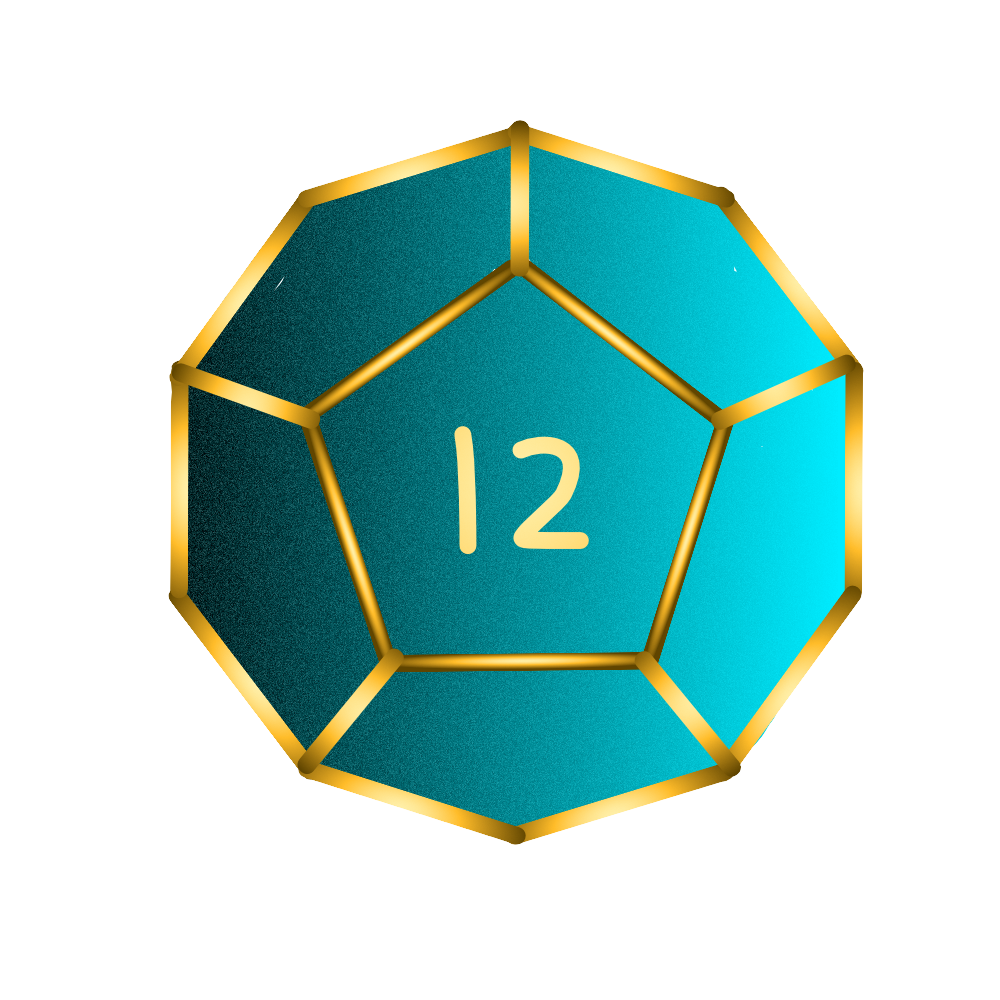
Twelve Sided Die (d12)
A Dodecahedron shaped die.
- Hit Dice
- Spell Damage/Effect
- Weapon Damage
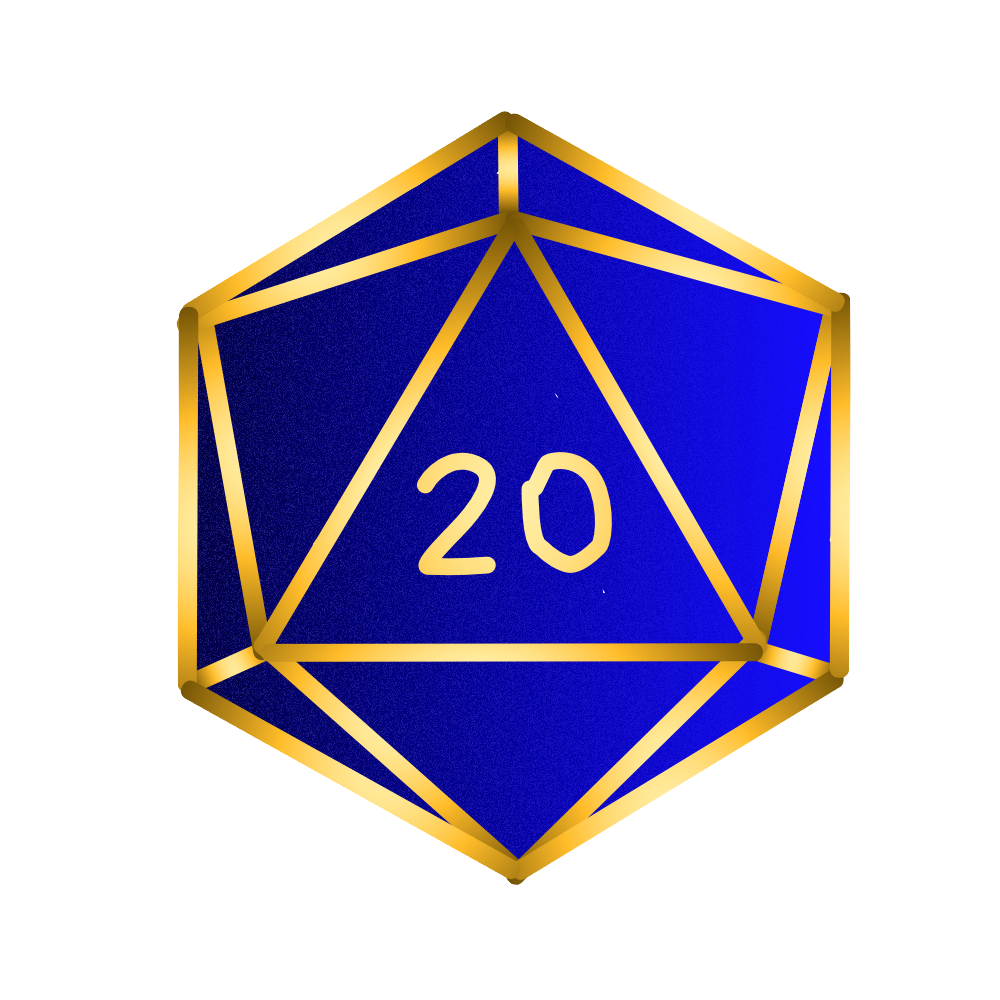
Twenty Sided Die (d20)
A Icosahedron shaped die.
- Ability Checks
- Chance to Hit
- Proficiency Checks
- Saving Throws
- Spell Damage/Effect
- Turn Undead
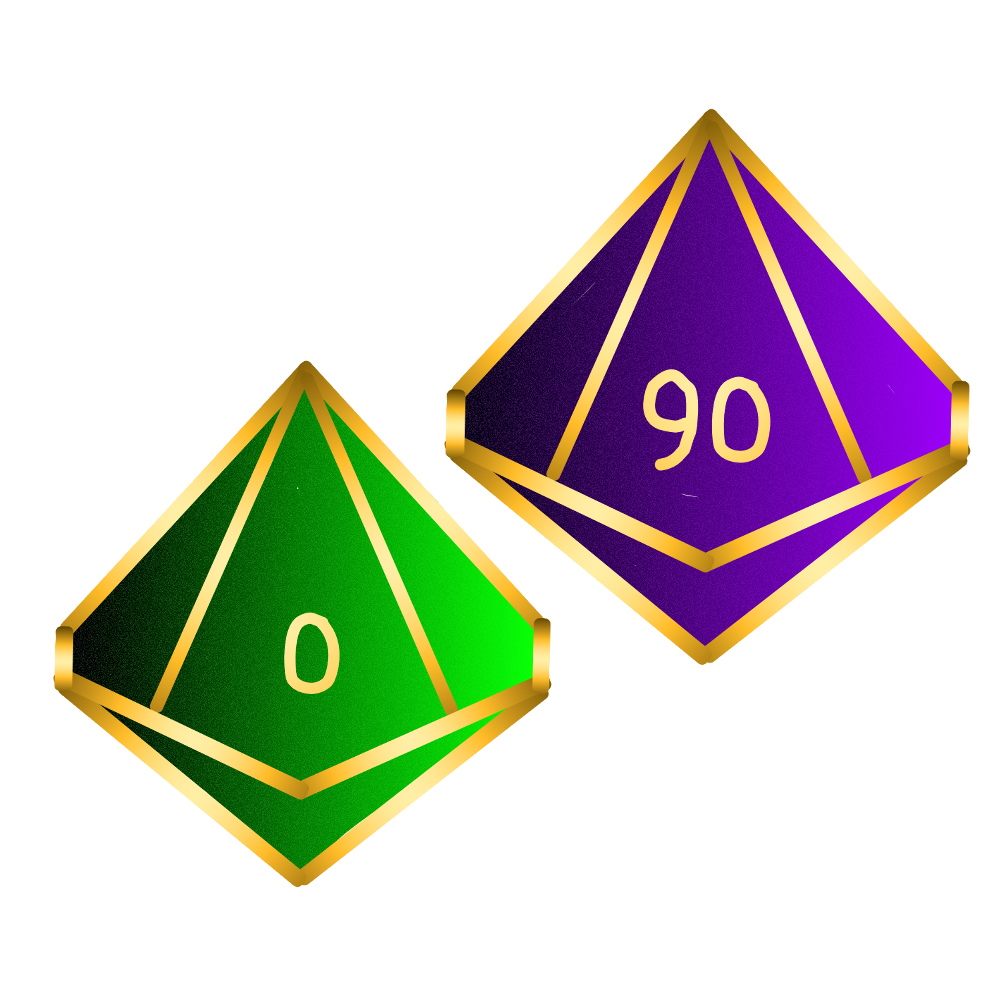
Percentile (d100)
Two Pentagonal Trapezohedron shaped dice, one with single digits, one with double digits. Instead of wanting high rolls, players want low rolls with this set of dice. The reason for this is there is a set percent chance of success, meaning if you roll within that percent chance of success (for example, 1-50 for 50%) then you succeed. Whereas if you roll outside that chance of success (51+) then you would have failed.
- Critical Severity
- Psionic Point Generation (character creation)
- Spell Effect
- Thieving Skills
Checks & Saves
Aside from specific type rolls such as combat rolls, thieving skills, etc. there are checks and saves players will need to roll. Checks (often ability score checks or proficiency checks) typically are rolled when they are attempting a certain skill or action. Saving throws occur then the player is attempting to evade, endure or otherwise survive an undesirable outcome.
Checks
- Charisma Check
- Intimidation
- Persuasion
- Constitution Check
- Dexterity Check
- Initiative
- Surprise
- Intelligence Check
- Investigation Check
- Proficiency Check
- Strength Check
- Prowess Check
- Wisdom Check
- Awareness Check
Saves
- Poison/Paralysis
- Death/Petrification
- Cleric/Magical Power
- Breath Weapons/Elemental Power
- Concentration
- Willpower
Difficulty Grades
When rolling general checks and saving throws the game can get too easy or hard far too quickly if the number to roll was always the same. As such the dungeon master is given a range of difficulty grades to choose from depending on the circumstances which the player must meet and/or exceed to succeed their roll.
- Trivial: The player must roll a 1.51 or higher (they roll a d20, then roll a percentile if they rolled a 1) to succeed.
- Easy: The player must roll a 6 or higher to succeed.
- Standard: The player must roll an 11 or higher to succeed.
- Hard: The player must roll a 16 or higher to succeed.
- Very Hard: The player must roll an 18 (or 19 if the DM desires) or higher to succeed.
- Trying: The player must roll a 20 or higher to succeed.
- Master: The player must roll anywhere from 21 or 25 (up to DM's discretion) or higher to succeed. Thus if the Dm chooses 21, then it's 21 or higher. If they chose 23, then it's 23 or higher, etc.
- Legendary: The player must roll anywhere from 26 to 30 (up to DM's discretion) or higher to succeed. Thus if the DM chooses 26, then it's 26 or higher. If they chose 29, then it's 29 or higher, etc. This cannot be reduced in grade.
Modifiers
There are a great many ways to increase and decrease the chances of succeeding in a roll, and likewise there are many ways that one's chances of success are reduced. The three greatest methods are bonuses & penalties, decreasing & increasing grade of difficulty, and favor & burden.
Bonuses & Penalties
The most simple and straightforward of the modifiers, bonuses add to your roll and penalties take away from your roll. There are too many things in the system that provide both bonuses and penalties which is why each list is contained within spoilers below. (wip)
Bonuses
Show Spoiler- 2
- 3
Penalties
Show Spoiler- 2
- 3
Decreased & Increased Grades
Even with many bonuses to one's skill, rolls can still go amiss. As such it can be very useful to reduce the difficulty grade of a roll. That said there are ways to increase the difficulty grade as well. Below are the different methods of decreasing and decreasing difficulty grades.
Decreasing:
Show Spoiler- 2
- 3
Increasing:
Show Spoiler- 2
- 3
Favor & Burden
This mechanic is very rare for it can quickly unbalance the game if used recklessly. Instead of adding or subtracting to a role, or shifting the level of difficulty of the roll, the player rolls the dice twice, applies their modifiers, and uses the higher rolled number if in Favor, or the lower rolled number if Burdened.
Favor:
Show Spoiler- 2
- 3
Burden:
Show Spoiler- 2
- 3
4 Sided Die
Six Sided Die
Eight Sided Die
Ten Sided Die
Twelve Sided Die
Twenty Sided Die
Percentile