
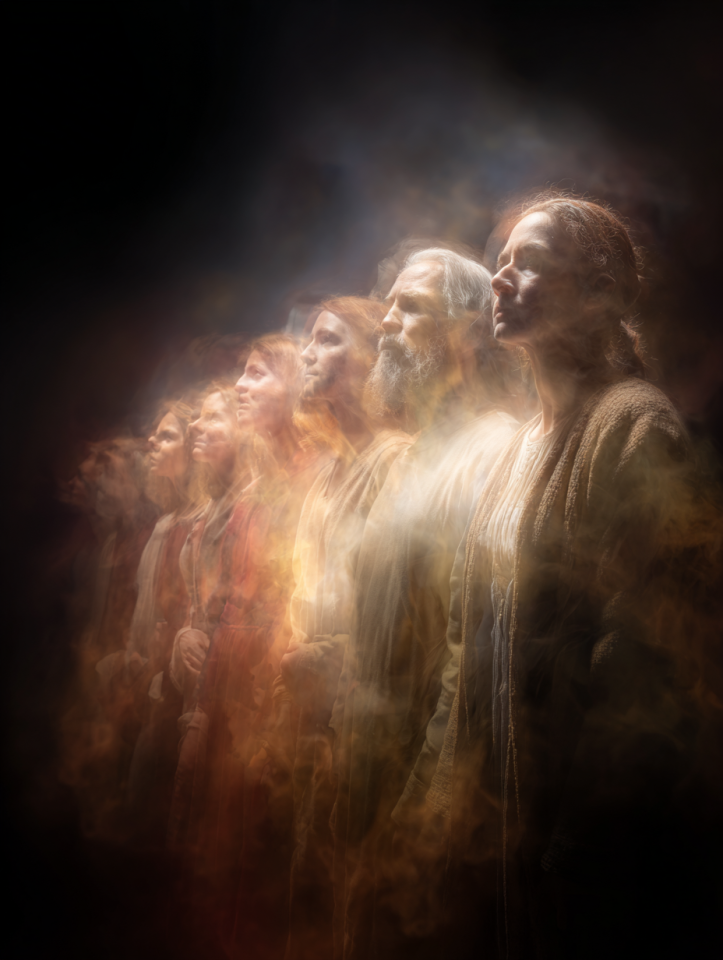




Tempus (TEM-pus)
Time / Tides
In Tir na nÓg, Tempus is not a straight line or a ticking construct, but a fluid, rhythmic field—experienced as tides rather than increments. It moves not with consistency, but with intention. Where mortals in other realms speak of time as something to be measured or spent, those in Tir na nÓg understand Tempus as a pattern of becoming: a pulsing continuum where events unfold not in sequence, but in harmony with need, awareness, and resonance. Time is not imposed here; it is responded to.
Tempus manifests as an emergent phenomenon shaped by story, memory, and ritual. It flows heavily around places of great significance and thins where attention dissipates. It is possible for a moment to stretch endlessly or vanish entirely. Some groves hold days longer than others; some conversations seem to last across seasons. This is not a distortion but a function of perception calibrated to presence. Inhabitants learn early that to resist Tempus is to misalign with the realm. One does not manage time here—one enters it.
Natural phenomena, including growth cycles, migrations, and even phases of thought, appear to move in concert with Tempus. It is described by scholars not as chronology, but as reciprocal rhythm—what one gives attention to, one elongates. What is neglected, recedes. There are no clocks in Tir na nÓg. Instead, rhythms are marked by bloomings, by silences, by the turning of certain winds. Communities calibrate themselves through ritual, not schedule. Festivals occur not on dates, but on alignments. Birthdays are observed when the soul stirs to be remembered.
Tempus is not a loop nor a spiral, though it contains elements of both. It is a waveform of experience—not deterministic, but layered. Moments can return if needed, not as repetitions but as harmonics. Elders say that time in Tir na nÓg does not pass; it sings. And like all songs, it carries the voices of its singers, the breath of its pauses, and the silence into which all sound eventually resolves.
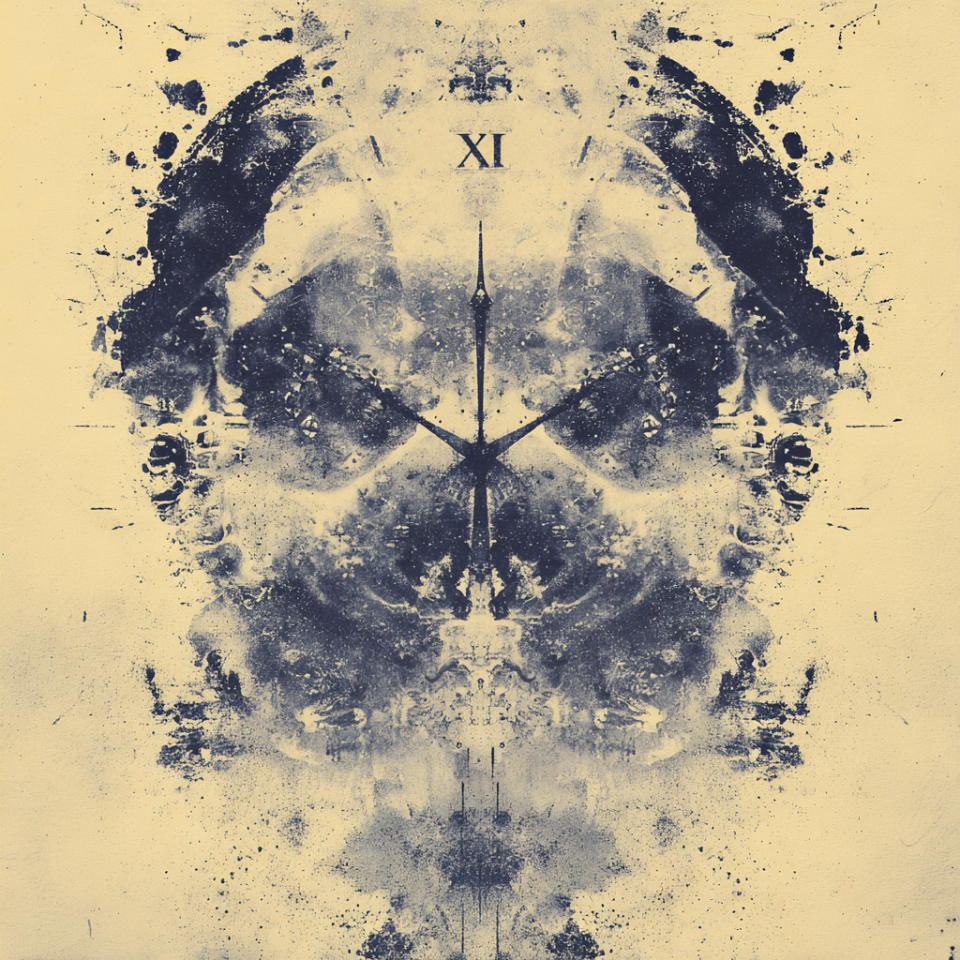
Tempus (Time)
| OBSERVATION |
|---|
| Tempus is observed as a rhythmic condition in which events unfold relative to attention and environment rather than fixed intervals. Individuals report variable durations—moments that feel extended or abbreviated depending on context—suggesting that measurement is not constant across the realm. Externally, observers note that certain locations or collective activities appear to carry disproportionate temporal weight, with phenomena such as prolonged daylight in groves or the apparent contraction of duration during concentrated interaction. Applied in practice, Tempus is integrated through ritual, seasonal markers, and community calibration rather than mechanical measurement. Growth cycles, migrations, and cognitive phases are tracked according to observable changes in the environment or shifts in collective awareness. Structured ceremonies, festivals, or silences function as reliable anchors, providing consistency in the absence of clocks or calendars. These practices emphasize synchronization with ambient rhythms rather than attempts to standardize them. From these observations, it is assumed that Tempus functions as a field responsive to presence and recognition. Attention appears to elongate or intensify its flow, while neglect corresponds with temporal recession. The prevailing inference is that time within this realm is not linear or cumulative but adaptive, operating as an ecological rhythm. This suggests that Tempus serves as a regulatory framework for continuity, ensuring that processes align with perception and context rather than external measurement. |
Scientific Name
Miotasach;



