
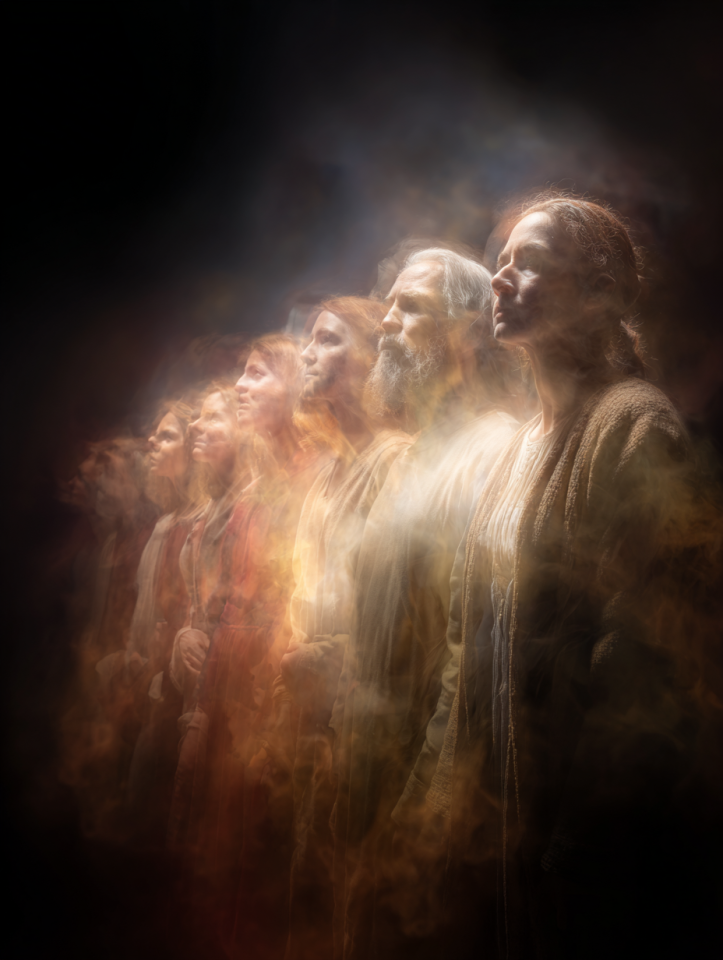




Skenta (SKEN-ta)
Thresholds / Phase Transitions
Known as Skenta, the force of threshold stability governs the integrity of transition. It is not the moment of change itself, but the field that allows change to occur without collapse. Where one state yields to another—night to dawn, silence to speech, life to death—Skenta rises to hold the tension. It does not force passage but maintains the space in which passage is possible. In Tir na nÓg, thresholds are not merely places; they are conditions—and Skenta is what makes them habitable.
Skenta is rarely visible, but its presence is often felt. A stillness before movement. A breath before revelation. A shimmer in the space between sentences. In these micro-moments, reality does not break—it flexes. Skenta operates as a contour of becoming, allowing both states—what is and what is next—to coexist briefly without contradiction. In this way, it prevents rupture, preserving coherence even as transformation unfolds. Without it, change would be shattering. With it, change becomes transition.
This force is especially pronounced at physical and metaphysical junctures: forest clearings where light shifts, waters where reflection and depth blur, rituals that mark adulthood, mourning, or awakening. Skenta accumulates where intentional crossings are honored. It is also where communities build their liminal structures—arches, gates, bridges—not for separation, but for recognition. To move through a threshold is not merely to relocate; it is to acknowledge that something has been released, and something else received.
In practice, those who work closely with phase-shifting forces—healers, midwives, poets—develop a sensitivity to Skenta’s presence. They do not control it, but attune to it, waiting for its alignment before proceeding. It is said that a transition without Skenta leaves residue: confusion, pain, or loss of direction. With Skenta, even endings feel whole. In this way, it is not merely a force of crossing—it is a guardian of coherence, quietly ensuring that change unfolds with grace, not fracture.
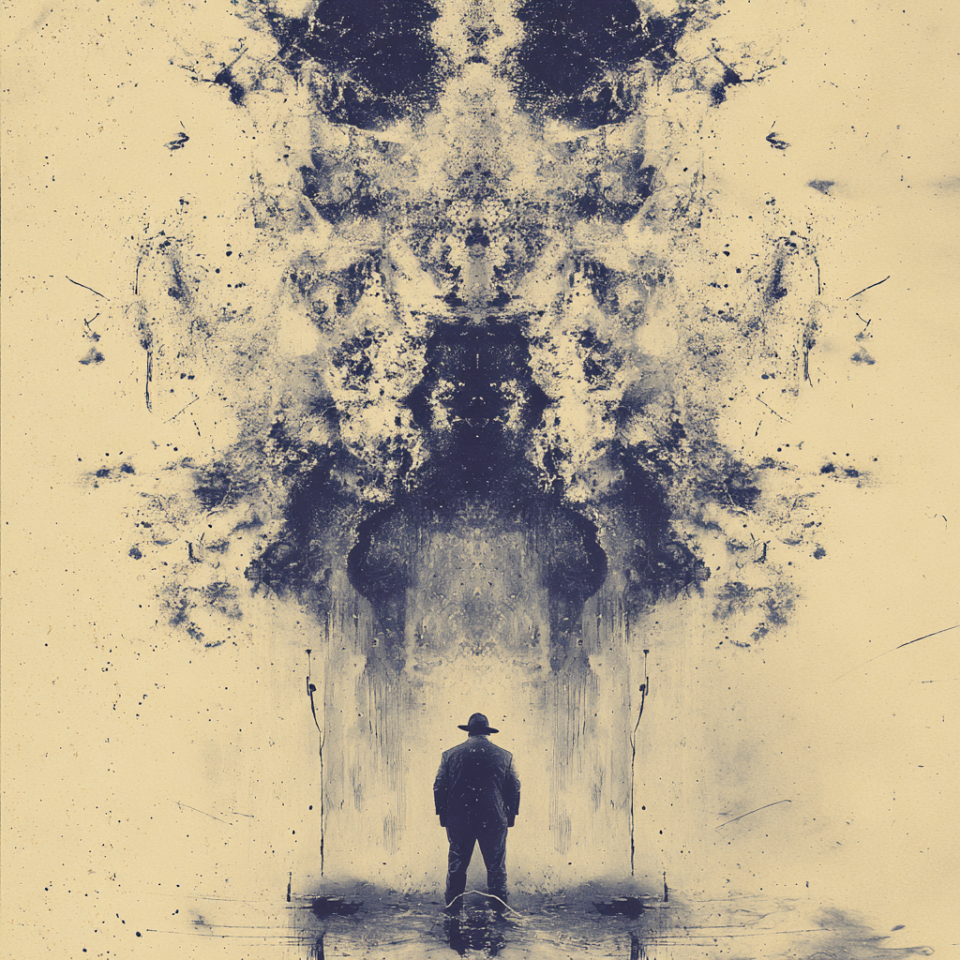
Skenta (Thresholds)
| OBSERVATION |
|---|
| Skenta is observed at points where one condition yields to another, serving as the stabilizing presence that allows both states to coexist briefly. It appears in natural cycles such as dawn and dusk, in the pause between silence and speech, and in social or biological transitions such as birth and death. Rather than marking the change itself, Skenta is noted for maintaining continuity across boundaries, preventing disruption during moments of instability. Applied in practice, Skenta is most evident in environments or events deliberately structured to acknowledge transition. Rituals of passage, architectural thresholds such as gates or bridges, and ecological edges like forest margins or shorelines consistently demonstrate its influence. Observers note that attention to these liminal spaces enhances the likelihood of a transition being integrated smoothly, while neglect often correlates with disorientation or incomplete adjustment. From these observations, it is assumed that Skenta functions as a regulatory field ensuring coherence during transformation. Its role is not to direct change but to sustain conditions in which change can occur without collapse. The prevailing inference is that Skenta is an essential component of both physical and social systems, moderating shifts by holding structural integrity until the new state is established. |
Scientific Name
Miotasach;



