





Lewk (LOO-k)
Light
Light—called Lewk in the codified lexicon of Tir na nÓg—is not simply illumination. It is a structured, reactive presence that activates potential, reveals form, and renders relationship visible. In this realm, Lewk is observed not only in what it touches, but in how it interacts with what it finds. It does not passively fall across a surface—it converses with it. Lewk enlivens boundaries, defines proximity, and coalesces thought. In Tir na nÓg, light is not merely a byproduct of energy; it is a participant in perception, as integral to awareness as sound or motion.
The behavior of Lewk changes depending on the nature of its source. Light filtered through a canopy moves slowly, softened and full of hesitation. Light at dawn carries a tone of awakening—more than visual, it hums gently against the skin. In the presence of grief, Lewk refracts differently, often sharpening edges or drawing long shadows. It has been observed to gather around quiet contemplation or shimmer in response to sudden insight. While not conscious in a traditional sense, Lewk responds to meaning as though tuned to resonance itself.
The study of Lewk reveals that its properties are layered. At its most visible, it clarifies—but at subtler levels, it reveals the invisible: relational tension, lingering memory, unspoken desire. Beings who dwell in states of openness often report “brighter perception” that has little to do with actual luminance. Conversely, those in deep emotional dissonance may find even daylight muted or blurred. This suggests that Lewk is not just an external force, but a mirror of the interior world, surfacing through interaction with the material.
Culturally, Lewk is never treated as sacred in and of itself—it is the revealer, not the truth. It allows beauty to be seen, but does not create it. It does not bless, but it does acknowledge. In sacred architecture, light shafts are placed not to spotlight, but to suggest alignment. In ritual, it is not summoned but waited for. For all its simplicity, Lewk is understood to be one of the primary communicators of the land—a language without words, spoken through shadow, glint, and form.
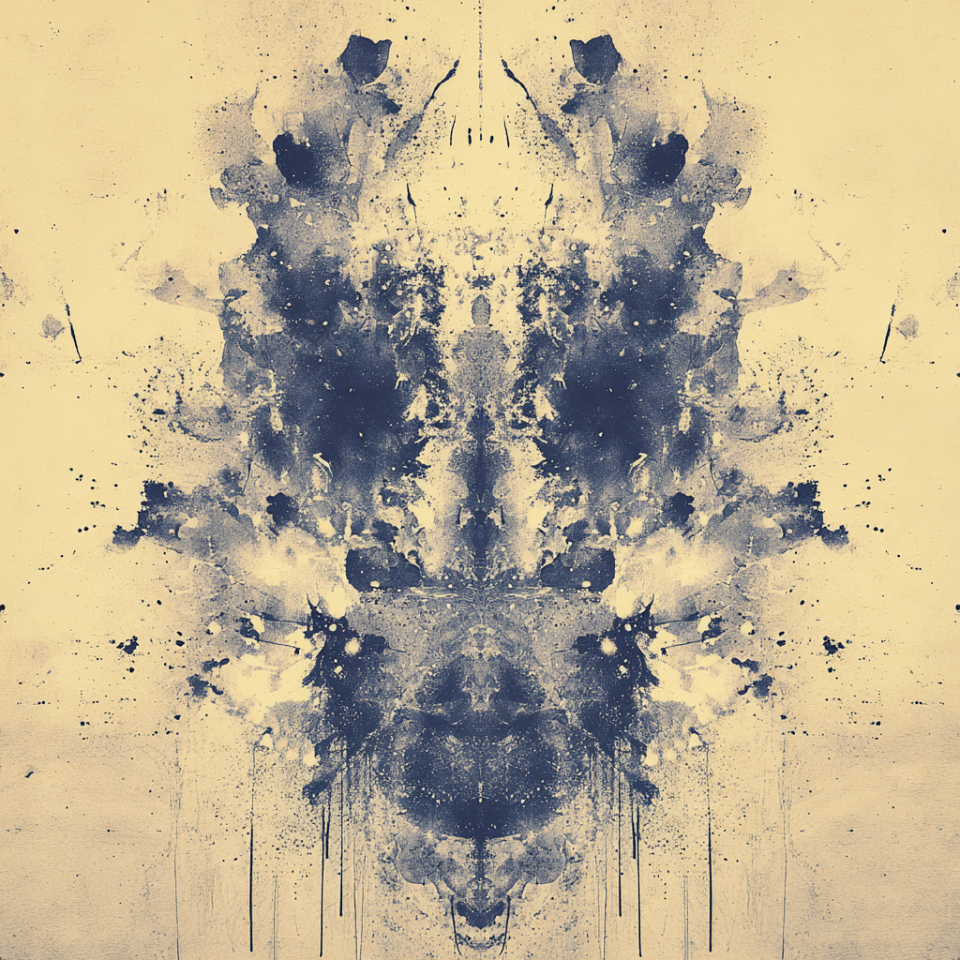
Lewk (Light)
| OBSERVATION |
|---|
| Lewk is observed as a reactive condition that alters both visibility and relational awareness. It consistently defines boundaries and enhances perception, but its behavior varies according to context. Diffused light produces slower transitions, while direct or sharp light accentuates contrast. Observers note that its presence extends beyond visual clarity, often recorded as tactile or emotional impressions, indicating that its influence is multi-sensory rather than purely optical. Applied in practice, Lewk is incorporated into design, ritual, and observation of natural cycles. Architectural features such as openings or shafts are aligned to direct its presence in ways that emphasize transition or alignment, rather than illumination alone. In communal or reflective settings, Lewk is noted to reinforce attention, serving as a silent indicator of focus or significance. Its variability in response to mood or circumstance demonstrates that it functions as more than illumination, shaping the interpretive frame of experience. From these observations, it is assumed that Lewk acts as a mediator between external environment and internal state. Its responsiveness suggests that it is not fixed, but adaptive, reflecting and amplifying conditions already present. The prevailing inference is that Lewk serves as a communicative medium, clarifying not only form but also context, ensuring that perception aligns with both material and experiential conditions. |
Scientific Name
Miotasach;



