Olladra
Olladra, lady of fortune. Bless the Pegasus in the Race of Seven Winds. Let its hooves find the clean air, let its wings catch the kind of gust that feels like cheating, and let every other rider suddenly remember an urgent appointment somewhere behind the starting line. If I win, I swear I will be responsible, generous, and humble.
Olladra is the Sovereign of Feast and Fortune, the giver of joy and the granter of luck, patron to entertainers, gamblers, rogues, merchants, and anyone who takes a chance and hopes the world smiles back. Her blessings are the full table, the perfect song at the perfect moment, the coin that lands the way you needed, and the sudden fortunate turn that feels like the universe briefly remembered you exist.
She is also famously whimsical. Even her most devout Vassals struggle to explain why she blesses one person and snubs another on the same day, in the same tavern, playing the same game. If you want a predictable goddess, there are plenty. Olladra is not one of them.
What Olladra Represents
Olladra stands for good fortune, celebration, hospitality, and the simple truth that life is better when shared. She is luck, but also the human side of luck: boldness, optimism, and the willingness to risk embarrassment, loss, or heartbreak for the chance at something wonderful.
She is also tied to healing in a number of traditions, not because she is a gentle nursemaid figure, but because recovery is its own kind of luck. Plenty of healers see her hand in the narrow escape, the patient who should have died but did not, and the medic who arrives one minute before it is too late.
Divine Family and the Schism
Olladra is traditionally described as the wife of Onatar, the Sovereign of Fire and Forge. Together they are said to have had twin children: Kol Korran, Sovereign of World and Wealth, and Kol Turrant, who after the Schism became the Keeper of the Dark Six. This makes Olladra’s portfolio feel uncomfortably complete: luck and celebration on one hand, commerce on the other, and then the grim reminder that fortune has a habit of producing winners and losers.
Some accounts speak of an older Host of fifteen gods before the Schism narrowed it to the familiar nine. Whatever the numbers were, the story ends the same way. The Host cast out the dark powers, and one of the exiles was Olladra’s own child. If you ever wondered why Olladra’s smile can look a little sharp at the edges, that is as good an explanation as any.
Creation Myths and Arguments That Never End
There are many competing stories about where Olladra and the Sovereigns came from, and Vassals argue about them with the enthusiasm of people who have never been hit by a real problem.
Some say the first generation of Sovereigns were created by the Progenitor Dragon Eberron, either deliberately or as a by product of the world’s creation. Others say they were born from the union of Eberron and Siberys. Some claim mortals created the gods through belief, that faith shaped divinity into being. Others insist the Sovereigns came from elsewhere, arriving during creation. And a particularly cheeky theory says the Sovereigns convinced Eberron to make the world in the first place, which is the sort of story Olladra herself would probably applaud.
Whatever the origin, everyone agrees on the present. Olladra is here. She is influential. And she has a terrible sense of timing in the best possible way.
Worshipers and Where Her Name Is Spoken
Olladra is widely worshiped across Khorvaire, with a strong presence in places like Aundair, the Eldeen Reaches, Karrnath, and the Shadow Marches. Her faithful include bards, gamblers, merchants, rogues, hedonists, travelers, and all who seek good fortune.
She is also tied to notable practical traditions. Many in House Jorasco honor her, treating her as a patron of healing and chance. House advancement rituals in some circles involve symbolic wounding and healing followed by an offering to Olladra, an acknowledgement that recovery is never only skill. Some members of House Orien honor her as well, especially among groups who live by the road and by risk. There were even wartime medics and healers who rallied under titles like the Healing Hand of Olladra, treating her as the saint of lucky survivals.
Tricksters and secretive groups favor her too, because luck and mischief are siblings who pretend they are not related.
Iconography and Forms
Olladra’s depictions shift with culture and mood. She may appear as a young halfling with bright eyes and quicker hands, an elderly human with the smile of someone who has seen every game in the book, or, in rarer and more dramatic art, as a black dragon. The dragon imagery tends to emphasize the dangerous side of fortune: the hoard, the gamble, the grin that says you might win, but you might also be eaten.
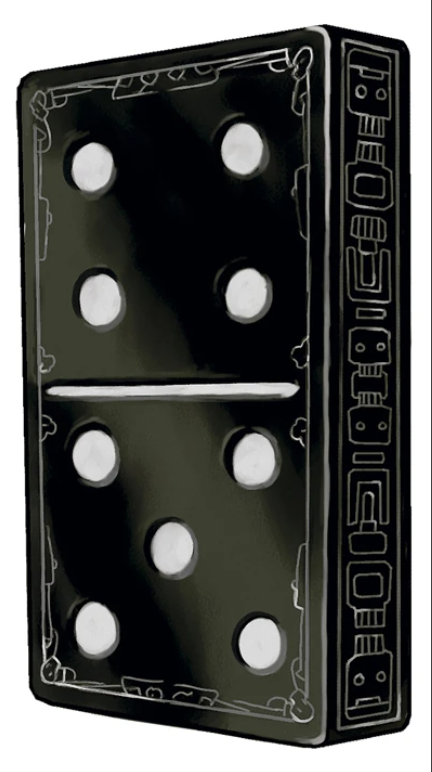
Common symbols include dice, cups, coin, harvest tables, and open hands offering food.
Aspects and Local Names
Across cultures, Olladra wears many masks.
In the Shadow Marches, some orc and half orc clans speak of Ollarasht the Gambler, widely considered an aspect of Olladra alongside other localized Sovereign figures. In the Frostfell, myths of a goddess called Hleid and her enemy Iborighu are sometimes interpreted by sages as distorted reflections of Olladra and the Keeper, recasting a mother and son dynamic into sibling rivals. Whether these are true aspects, cultural echoes, or simply mortals telling the same story with different names is a matter for scholars and people who have never rolled dice in a storm.