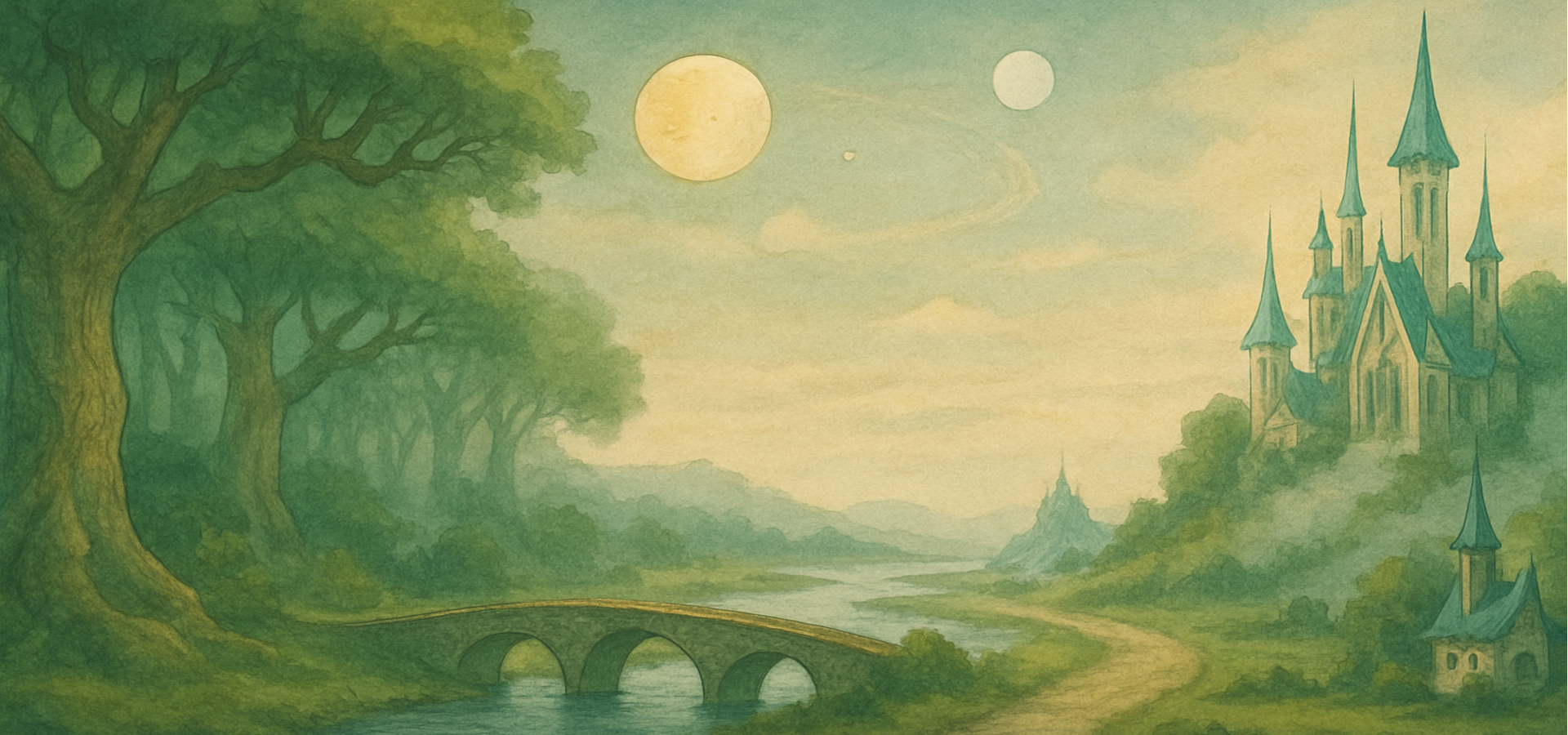
Yummelyk
From Dorian "Yumme" (Sleep) + "Lyken" (Lake), describing the migration of fisherfolk towards the inland lakes, in preparation for the month of Sleep.
Each year, the fisherfolk of southeastern Doriande find themselves bound to shore during the latter half of Wilt and the entirety of Sleep. The harsh weather, the cold and storms that plague the sea prevent them from earning their living unless they are part of a larger crew, with access to large fishing ships that can navigate the great waves without capsizing. Some prefer to seek work in Skarm, in a different profession during this time, while others move to the lakes.
The Journey
Fisherfolk that practice yummelyk travel inland with carts and pack animals, following the routes toward Lakes Gieffra and Kerpyer. They carry their fishing boats with them, or if they cannot, they bring the tools for land fishing, or build a raft on site.
Some families maintain seasonal lodgings near the lakes, used only during this migration. They tend to keep some vessels there, for them to use or loan to other folk for some extra coin. The wealthier families even have extra rooms for other people in ornate homes faced with stone. Others build huts that can shelter them during their stay, an art maintained for ages, with roots in the semi-nomadic traditions of the early Dorian tribes. One could even say that this tradition mirrors the ones of the Dorian north, such as the Farewell of Plenty .
These huts are set around the lakeshores, becoming temporary villages alive with music, smoke, and laughter.
The Lakes
The lakes are deliberately left fallow for much of the year, allowing fish populations to replenish. This ensures abundance during the slow season when the sea is too stormy to fish.
Locals around Gieffra and Kerpyer live off the land’s bounty and welcome fisherfolk. They trade foodstuffs, tools, and lodging in exchange for fresh fish.
Part of the catch is salted, smoked, or preserved by the locals, then later carried to Rivermark for trade.
Festivity and Hospitality
The end of the migration coincides with the opening of the year’s first wine casks from the harvest. Locals and travelers drink together, sharing both stories and provisions. Some of these families are long-time friends and acquaintances, waiting the entire year to reunite during yummelyk. For them, it has become a ritual of hospitality and co-existence, celebrated as much as the fishing itself.
Deep Sleep
In the coldest stretch of Sleep, the lakes freeze solid. Fisherfolk and locals alike cease labor and gather indoors, enjoying communal leisure. They organize feasts, play games and tell stories. The children enjoy this part of yummelyk most and many of them carry the memory fondly into their adulthood, so much so that they may continue attending even if they escape the life of fisherfolk and delve into a different trade.
The frozen lakes and snow-crusted groves are seen as majestic in slumber, a reminder that even in stillness, nature holds beauty. Unique flora that thrives only in this frost, from pale reeds and winter-blooming mosses to kaltiluli, a blue flower growing on the edge of the lakes, is gathered as a charm or keepsake.
History
This tradition is older than the large cities of today. Its tribal roots are apparent to those who have studied the Dorian civilization. However, this tradition differs from others, as it seems that even in the Age of Barbarity, when tribes still fought over territorial claims, at this time of year they sought refuge together from the harsh cold, cooperating for survival. This played its own role in the eventual forming of shared identity and possibly the establishment of Skarm.
Components and tools
Fisherfolk carry their boats and equipment with them. Their tools include fishing poles, nets, oars, fishing lines and waterproofed clothing appropriate for the cold lakes.
The local villages' inns usually stock some of these tools, bought from Rivermark to trade with fishers that may need them.
Participants
Fishing families are the key people in this tradition. There are however many others participating, which apart from the locals may include traveling bards, grunir studying the local customs and other professionals offering their services for the amassed people. Some merchants even take the long route to Rivermark, to pass through the area of the Lakes, in search of customers.
Observance
The migration happens between the 40th and the 52nd days of Wilt, when both moons give off enough light to guarantee a safe travel. The trip itself isn't more than a few days long, depending on the starting point, but each family or group may travel on a different day in that range. Full moon sky is not good for fishing anyway, as the fish can clearly see the bait and that's another reason for this.

Both very autumn but also very fitting the themes of community I mentioned in the brief. I love the richness of the culture and am sure some cured fish is leaving with me.