
The Lumberlands
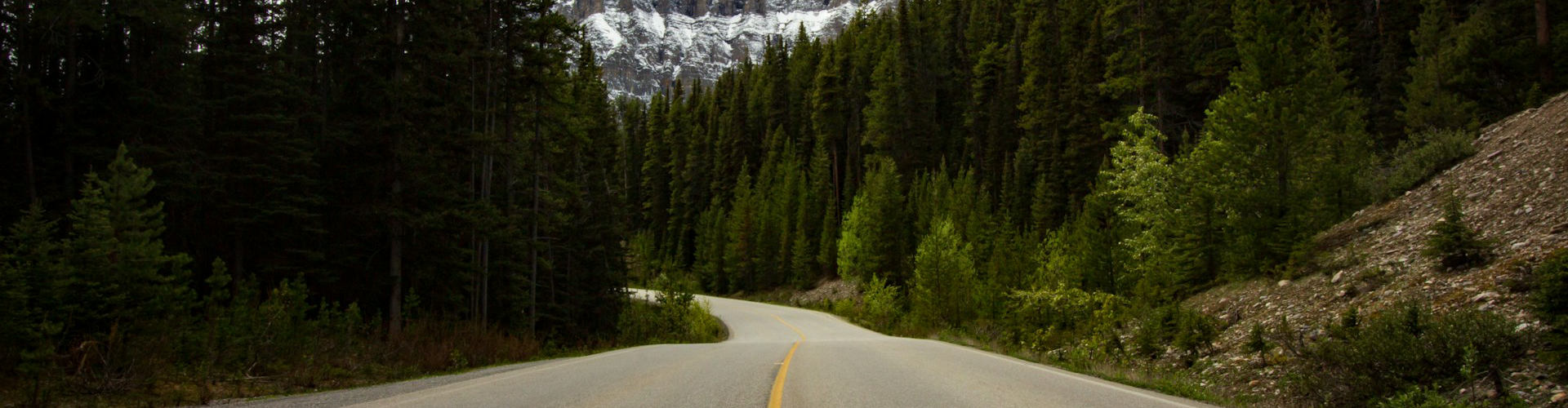
The Lumberlands are a wet, green maze of logging roads, maintenance tracks, and old highways connecting logging camps, mill towns, and dams. The heavy, near-constant rain here washes the fallout that drifts in from the coastal cities down the mountains, making even yellow zones relatively habitable at higher altitudes. Despite their reputation for being fiercely independent and not liking strangers, the camps and crews of the Lumberlands are more independent on one another than camps in most other parts of the Boomlands, with most people owing loyalty to a multi-camp co-ops. In addition to these syndicates, the lumberlands is home to some more traditional camps, numerous back-to-nature cults and communes, nomadic bands of hunters, and half-mad hermits and moutain men.
Geography
The Lumberlands encompasses Washington, Oregon, and parts of Idaho.
Localized Phenomena
The dams across the rivers of the Pacific Notherwest were mostly too small to figure into the Russian's strategic plans, leaving many of them functional after the Boom. Since the people responsible for keeping them running were mostly local thanks to their out-of-the way locations, it didn't take long to get them operating again and start restoring power to nearby towns. As a result, electricity is more common in the Lumberlands than in most other sections of the Boomlands.
Climate
The Lumberlands landscape is claustrophobic, with daylight filtered through the forest canopy and sightlines that only extend only to the next rock face, tree stand, or curve in the road. Visibility is further reduced by the region's constant rain and fog. The closeness is broken up by mountain roads and cliff edges consisting of a sheer drop overlooking miles and miles of landscape.
Fauna & Flora
Since most of the fallout that hits the Lumberlands is quickly washed downhill by the constant rain, the damage leftover from the Boom gets worse as you move downhill, with higher elevations relatively unchanged and most of the fallout ending up in the rivers and killing or mutating plant life along their banks. Wildlife here also survived at higher rates than in other areas, but since most animals rely at least in part on lowland water sources, mutations and contamination are common.
The area's most famous cryptid seems to have survived the Boom, which Bigfoot sightings still occurring from time to time.
The area's most famous cryptid seems to have survived the Boom, which Bigfoot sightings still occurring from time to time.
Natural Resources
In addition to the lumber that's their main export to other parts of the Boomlands, the Lumberlands are rich in wildlife and often have surpluses of game meat, fur, and leather.
History
Not long after everyone crawled out of their hidey-holes, the camps of the Lumberlands started forming trade alliances with one another. As trade has opened up, these alliances have become more powerful and more diversified, resulting in a slightly different social structure than what's developed in other parts of the Boomlands. Instead of camps, the people here are organized into co-ops between multiple camps which are further subdivided into work crews.
Most co-ops control several permanent home-camps as well as a temporary work camps and mostly nomadic work crews with specific responsibilities. The co-op is typically ruled by a council of representatives from each camp and crew, but some have more centralized leadership. While most members of a co-op consider themselves members of a specific home camp, those who spend most of their time away from the camp see their primarily loyalty as being to their work crew. A typical co-op consists of:
Most co-ops control several permanent home-camps as well as a temporary work camps and mostly nomadic work crews with specific responsibilities. The co-op is typically ruled by a council of representatives from each camp and crew, but some have more centralized leadership. While most members of a co-op consider themselves members of a specific home camp, those who spend most of their time away from the camp see their primarily loyalty as being to their work crew. A typical co-op consists of:
- 2-5 Home Camps: These are typically situated somewhere above the worst of the fallout, often near a lake or pond with relatively clean water. These camps serve as central supply depots, communications centers, and administrative hubs. Since most work crews are made up largely of men, key positions in the home camps are often held by women.
- At least 1 Dam Crew: Co-ops that don't control at least one dam are at a disadvantage, and those that see the potential future profitability of restoring the dams to full capacity once the Boomlands become more interconnected would like to control as many as possible. Dam crews usually consist of a few former dam workers and engineers who actually know what they're doing, some apprentices learning the trade, and civilians who are mainly there to do the grunt work. The crews are rotated frequently due to frequent exposure to fallout and radioactive water.
- Several Road Crews:Between mudslides, damaged bridges, and fallen trees, keeping the roads open can be a full-time job. Each co-op fields road crews to constantly patrol and repair their main routes. They also collect tolls from outsiders who use their routes. A road crew's work week lasts the amount of time it takes to drive their whole route, make the necessary repairs, and return to camp. After that, they get a few days to rest and relax before setting out again.
- One or more Mill Camps:Lumber is more valuable than logs, so most co-ops have invested the time in resources into restoring and electrifying at least one old sawmill. The size of these camps usually depends on how contaminated the nearby river and lowlands are. Mills camps in clean regions often serve as auxiliary home camps, while those that get a lot of radiation see frequent crew rotations.
- Multiple Logging Crews: In the early days when people only needed enough lumber for the co-op and maybe a few local trading partners, most camps only had one or two logging crews. As trade has opened up with other parts of the Boomlands, logging crews have come to make up the bulk of some camps. These crews set up temporary camps for months on end, harvesting the trees there and hauling them back to the mill (often along with a gang of rowdy loggers with leave time).
- Scrapper Crews: While these are still a relative rarity, some camps have started sending crews to search for salvage around the cooling edges of burned-out cities. Temporary scrapper crews are also occasionally formed to salvage the crashed planes, abandoned ranger stations, and hidden bunkers that are occasionally uncovered in the deep woods.
- River Crews & Convoys: These crews are responsible for hauling lumber and other trade goods out of the Boomlands. Some co-ops field their own crews, others rely on outside contractors.



Comments