
The Rez
One of the advantages of living on a reservation, at least in the context of nuclear war, is that there aren't a lot of strategic targets nearby. Like much of the promised land, the Pine Ridge Reservation and several others nearby avoided most of the fallout and were able to recover more quickly than people in other parts of the Boomlands. Like the Canadians, the people who lived here had dealt with America before and quickly mobilized to to protect themselves from possible Yankee invasion.
Instead of a wall of radioactive debris, The Rez uses rivers and other natural barriers and choke points to make crossing their borders difficult and heavily-armed patrols to make unauthorized incursions bloody. Outsiders who pay the toll are only permitted to travel along designated routes (most notably I-90) unless they have special permission from the tribes, which is usually accompanied by a truckload of local guides/guards. Several sites considered sacred are completely barred to outsiders.
Although the Rez is the only true regional power in the Boomlands besides the RRV, the emerging state does not have an official name yet. Although Sioux make up a majority of Rez inhabitants, they are not the only tribe in the coalition, so the tribe-based names that outsiders sometimes use are not technically correct. For now, the natives have half-jokingly reclaimed the the language of oppression, simply calling the region "Indian Land."
Instead of a wall of radioactive debris, The Rez uses rivers and other natural barriers and choke points to make crossing their borders difficult and heavily-armed patrols to make unauthorized incursions bloody. Outsiders who pay the toll are only permitted to travel along designated routes (most notably I-90) unless they have special permission from the tribes, which is usually accompanied by a truckload of local guides/guards. Several sites considered sacred are completely barred to outsiders.
Although the Rez is the only true regional power in the Boomlands besides the RRV, the emerging state does not have an official name yet. Although Sioux make up a majority of Rez inhabitants, they are not the only tribe in the coalition, so the tribe-based names that outsiders sometimes use are not technically correct. For now, the natives have half-jokingly reclaimed the the language of oppression, simply calling the region "Indian Land."
Geography
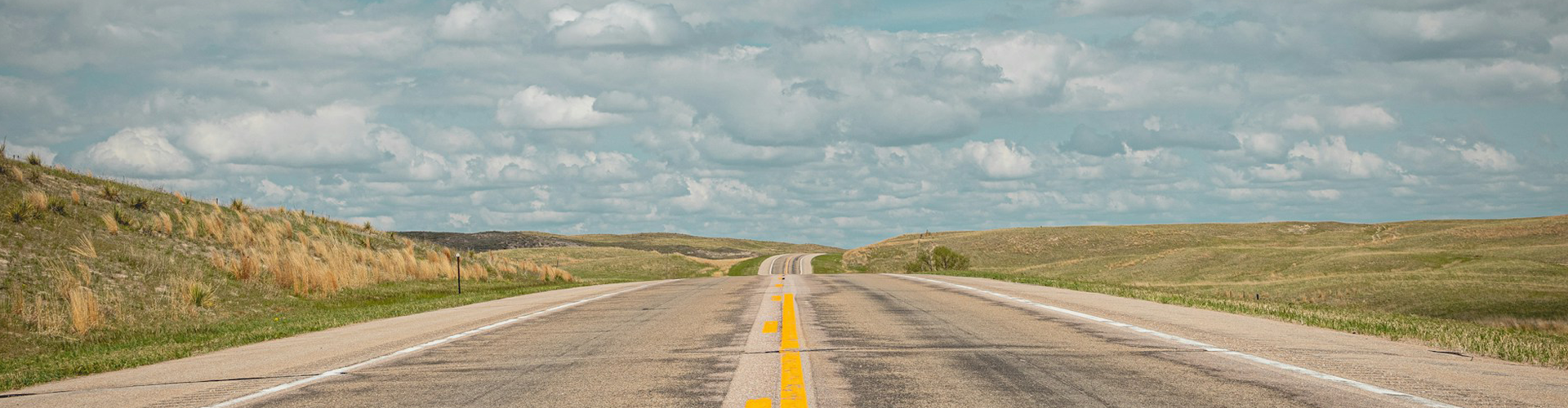
The Rez lies mostly Black Hills and central prairies of South Dakota and Nebraska, with small sections stretching into the clean sections of North Dakota, Wyoming, and Montana. The Fort Peck Reservation in Montana acts as a client state of the Rez, leading to fears that the Indians have designs on the land in between.
Localized Phenomena
Other than the RRV, The Res is the only organization in the Boomlands that can be considered a regional power. Most people anticipate an eventual clash between the two and some have even decided which one they're likely to support when that happens. For the time being, however, the Rez's potential for expansion is of greatest interest to the camps along its borders. The Rez has made it known that Indians2 from any tribe are welcome here, and in the past a few large migrations have been absorbed through expansion of the Rez's borders, which most people assume will continue. Half of the camps bordering the Rez are quietly preparing for an eventual fight. The other half are petitioning tribal council for annexation.
Climate
Dry with long, cold winters and short, hot summers.
Fauna & Flora
Prairie grass, wild flowers, and a few stubborn trees. The tribes manage herds of cattle, sheep, and buffalo and grow wheat, corn, soybeans, and a few smaller crops. Wild herds of deer, elk, and other game can also be found, but since these often feed in the large yellow zones surrounding the Rez it's important to test any wild meat unless you're desperate. Coyotes, foxes, prairie dogs, and predatory birds are also common sights.
Natural Resources
Primarily agricultural products. There some coal mines and oil derricks in the region that are currently inactive but eyed as potential future revenue sources. Rumors that the tribe is quietly attempting to locate supplies and expertise to build an oil refinery circulate regularly but have not been confirmed.
History
Shortly after the Boom, Pine Ridge and several nearby reservations were hit by a wave of refugees from the reservations that were no longer safe places to live. By settling the refugees at abandoned farms and camps between the reservations and making it very clear to the remaining locals that they were now living on Indian1 Land by the grace of the tribe, they were able to cobble the old reservations into a single larger reservation. The Rez has expanded its reach in the years since the boom, and many expect that it will continue to do so.
1 Some Native Americans find the word "Indian" offensive. Some Indians find the phrase "Native American" even more offensive. Members of First Nations tribes don't care for either. All three would generally prefer that you use their traditional tribal names, but most collective names for "the people who lived in the modern United States before Europeans decided it was theirs" are going to offend somebody. That being the case, I've decided to go with "Indians," because I find it more direct and evocative and because it's the term that was more common when the game is set.
2 Who counts as an Indian is ultimately a judgement call by the tribal council that's more about vibes than genealogical documentation.

People
Places
Everything Else
Alternative Name(s)
Sioux Nation, Lakota Territory, Indian Land


Comments