
Dwarf
The dwarves of Nithe, steadfast and resolute, have built their colossal cities deep within the earth to honor their ancestors and stand as bulwarks against the aberrations that threaten to escape. These subterranean strongholds, adorned with intricate carvings and grand halls, serve as testament to the dwarves' unwavering commitment to their ancestral legacy. Within the cavernous depths, the dwarves dedicate their entire lives to a relentless struggle against the encroaching aberrations. Each member of their society understands the weight of their duty – to protect their homes, their kin, and the memories of those who came before. However, not all dwarves choose to remain beneath the surface. Some, driven by a desire to provide a better life for their families, make the daring choice to flee to the surface. Though viewed by some as an act of cowardice, these surface dwarves are not cast aside by their subterranean kin. Instead, they are recognized as a vital link between the underground strongholds and the surface world. Surface dwarves engage in trade, establishing connections with other peoples and providing essential goods from the depths below. Their resilience is tested in a different way, as they navigate the challenges of the open sky and unfamiliar terrains. Yet, their contributions are acknowledged, and their commitment to sustaining their families is respected.
Hair color varies among shades of brown, black, and hints of reddish or grey tones and all dwarven culture, whether from Nithe or from the surface, engage in what they call "story braiding". This is the practice of intricately braiding hair, including facial hair, with beads or other objects in stylized patterns. The location and color of the beads indicates the liniage that a dwarf is descended from and it is considered a great dishonor to remove or lose these braids.
The vast majority of dwarven cities are found in Nithe, with almost none existing above ground. These underground cities, or thaigs in dwarven, are built as fortresses into the very earth itself. Each thaig is built from the ground up to be as defensible as possible, and very few have been seized because of this.
Because paper is so rare and oral tradition is difficult when lives are lost so easily in war, the dwarves of Nithe have taken to lacing intricate metalworking and carvings into the walls of their strongholds, knowing that long after they are gone the stories of their family will remain in the walls of their thaig.
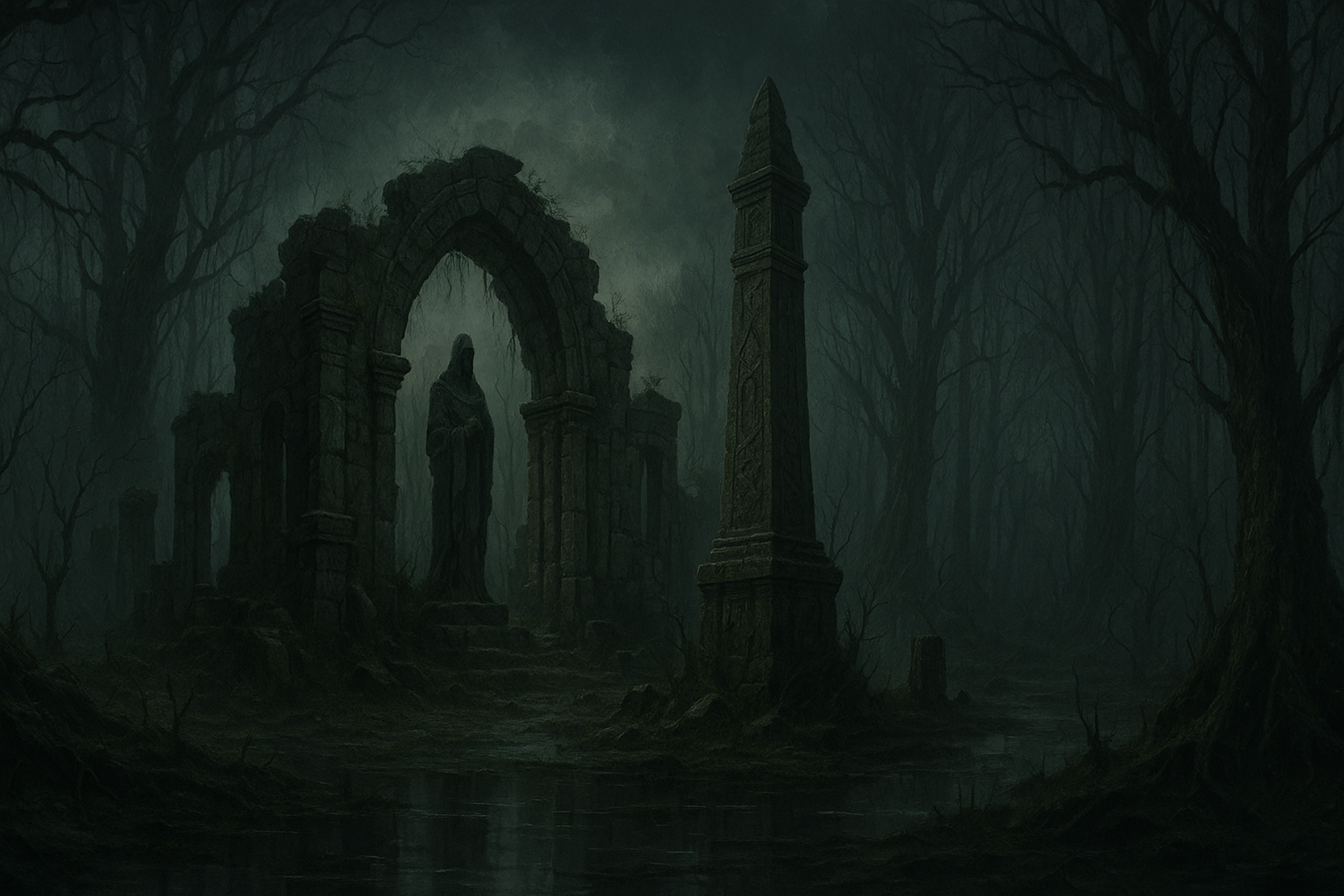
Because of the static and defensive nature of dwarven culture, ancestor worship has become a cornerstone of their society. Dwarves participate in elaborate ceremonies honoring past kings and heroes, as well as keep meticulous records of nobility and noble bloodlines. The most powerful and important of dwarves have their likeness carved in their ancestral tombs, with the belief that one day Duraminthra will return and will breathe new life into these statues, making them live once again.
Governmental power is typically held by the strongest warriors of a clan, with the dwarves bearing the most scars having the strongest claim to leadership. This makes peaceful diplomacy with Nithian dwarves difficult for the drow in the region, as they are locked in a bitter war together and most dwarves view the drow as dangerous and adversarial. This is made further difficult by the fact that the dwarves aren't just battling over land, but their entire history and culture as well. They view the drow as an existential threat that must be eradicated if Nithe is ever to be safe again.
On the surface dwarves live very different lives, and this difference is further distinguished by which regions a dwarf lives. Surface dwarves do not actively participate in the war against the drow, opting instead to live more peaceful lives on the surface in exchange for serving as envoys for their ancestors and families back home. Many of the surface dwarves take up lives as merchants, artisans, or diplomats with the sole purpose of facilitating an easier life for themselves while also bringing in much needed materrials and information to the dwarves who remain in Nithe. Some dwarves have spent so many generations on the surface however, that they have neglected their duties to their kin and all but forgotten about them.
Physical Description
Dwarves bear a robust and compact physique, standing between 4 and 5 feet tall with sturdy builds that speak to their resilience in the challenging subterranean environments they originate from. Their earthy skin tones, ranging from deep browns to ruddy hues, allow them to blend seamlessly with the rocky landscapes of their underground homes. Dwarves who spend their formative years in Nithe often bear scars from battling aberrations that are displayed with pride as a symbol of sacrifice to a greater good, while dwarves who are raised above ground typically do not engage in this kind of flashy showmanship.Hair color varies among shades of brown, black, and hints of reddish or grey tones and all dwarven culture, whether from Nithe or from the surface, engage in what they call "story braiding". This is the practice of intricately braiding hair, including facial hair, with beads or other objects in stylized patterns. The location and color of the beads indicates the liniage that a dwarf is descended from and it is considered a great dishonor to remove or lose these braids.
Society
Much of dwarven society is shaped by the constant war that rages in the depths of Nithe. The subterranean dwarves find themselves constantly fighting against the drow of the region and the aberrations that the drow released. Because of this constant warring many of the dwarves that live in Nithe congregate in large cities without many smaller settlements.The vast majority of dwarven cities are found in Nithe, with almost none existing above ground. These underground cities, or thaigs in dwarven, are built as fortresses into the very earth itself. Each thaig is built from the ground up to be as defensible as possible, and very few have been seized because of this.
Because paper is so rare and oral tradition is difficult when lives are lost so easily in war, the dwarves of Nithe have taken to lacing intricate metalworking and carvings into the walls of their strongholds, knowing that long after they are gone the stories of their family will remain in the walls of their thaig.
Because of the static and defensive nature of dwarven culture, ancestor worship has become a cornerstone of their society. Dwarves participate in elaborate ceremonies honoring past kings and heroes, as well as keep meticulous records of nobility and noble bloodlines. The most powerful and important of dwarves have their likeness carved in their ancestral tombs, with the belief that one day Duraminthra will return and will breathe new life into these statues, making them live once again.
Governmental power is typically held by the strongest warriors of a clan, with the dwarves bearing the most scars having the strongest claim to leadership. This makes peaceful diplomacy with Nithian dwarves difficult for the drow in the region, as they are locked in a bitter war together and most dwarves view the drow as dangerous and adversarial. This is made further difficult by the fact that the dwarves aren't just battling over land, but their entire history and culture as well. They view the drow as an existential threat that must be eradicated if Nithe is ever to be safe again.
On the surface dwarves live very different lives, and this difference is further distinguished by which regions a dwarf lives. Surface dwarves do not actively participate in the war against the drow, opting instead to live more peaceful lives on the surface in exchange for serving as envoys for their ancestors and families back home. Many of the surface dwarves take up lives as merchants, artisans, or diplomats with the sole purpose of facilitating an easier life for themselves while also bringing in much needed materrials and information to the dwarves who remain in Nithe. Some dwarves have spent so many generations on the surface however, that they have neglected their duties to their kin and all but forgotten about them.

Comments