
Olives
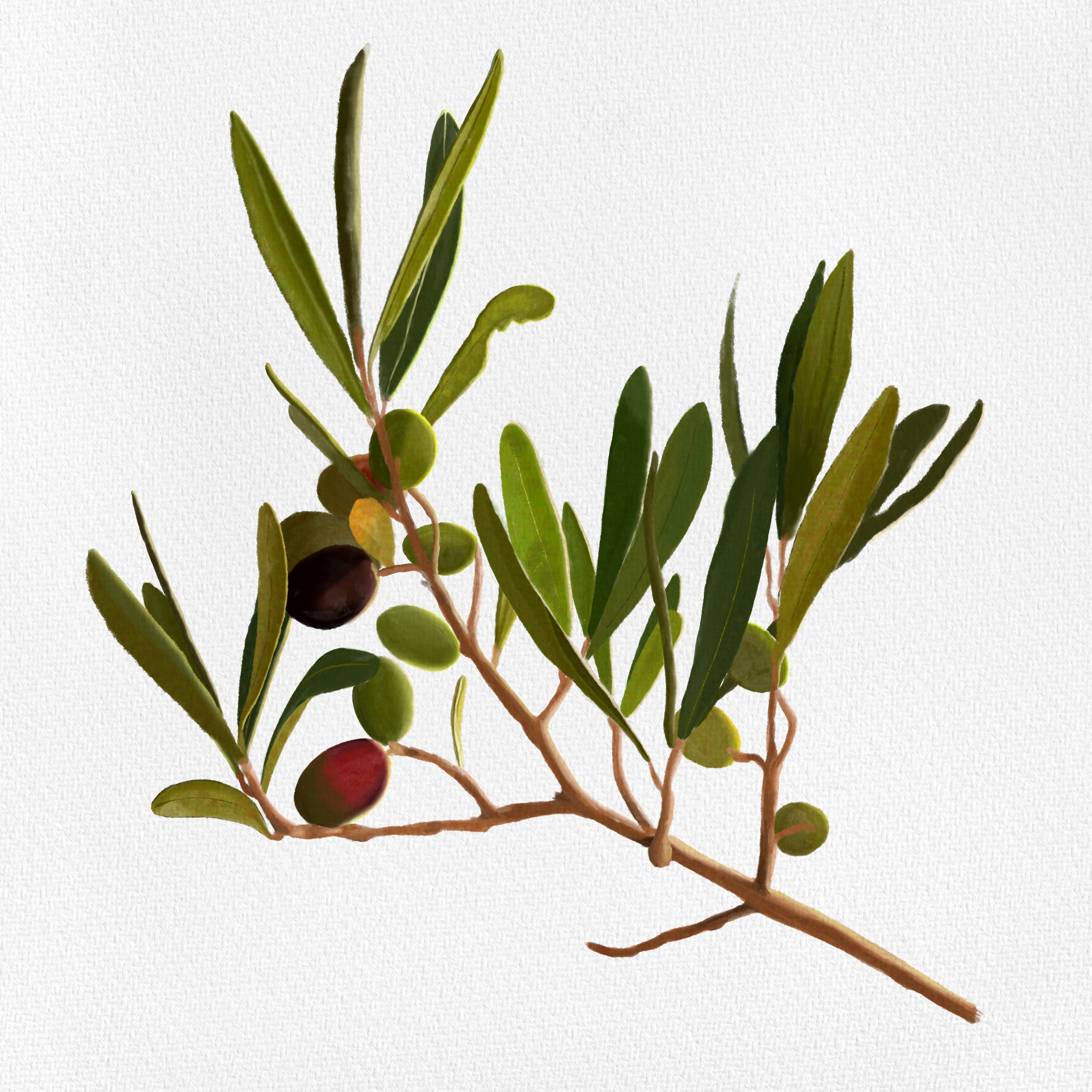
Olives are one of the most polarising foods. You either love them or you can't stand them. Few people would classify themselves as falling between the two groups. Yet the olive is one of the oldest crops cultivated by humans. Especially in the Mediterranean region, it is an integral part of people's lives.
Over centuries, the olive has shaped landscapes, diets, and cultural traditions, becoming far more than a simple food source. In this article, we have summarised a few general facts about olives and also discuss their role specifically in Greece, from ancient times to the present day.
About olives in general
Before we take a closer look at olives in Greece, there is some information about the fruit and the tree that we would like to share.
Biology
Olive trees grow to a height of 10–20 metres. This may sound surprising at first when you think of the trees on plantations. However, this is because these trees are pruned back to a height of around 2 metres to make harvesting easier. Wild olive trees grow significantly taller. What's more, olive trees can live to a very old age. There are many trees that are hundreds of years old, some even several thousand. The oldest known olive tree is located in Crete and is between 2,500 and 3,400 years old. Unfortunately, it is not possible to determine its exact age.
Did you know that there are over 1000 different types of olives in the Mediterranean region alone?

The trees bear leaves all year round and simply shed old leaves gradually. The long, narrow leaves often have a silvery sheen on the underside.
Olive trees have small white flowers with yellow stems in spring. These then form small, oval fruits, which we know as olives. Depending on the variety, these fruits can be green or dark purple-black. The majority of the fruit consists of the pit. High-yield and low-yield harvests alternate every two years.
Their low water requirements and high adaptability make olives a robust crop in dry regions. The roots can either form a widely branched network or extend up to 7 m deep into the earth, depending on the soil conditions. It is fascinating that each main root can also be assigned to a main branch. If the branch is removed, the root also dies.
Usage
Almost 60% of the annual olive harvest comes from Europe. The olive has three main uses.
- The fruit itself is not eaten fresh, but is first pickled in brine to reduce its bitterness. Often, the pit is removed and replaced with all sorts of things, such as anchovies, peppers or almonds. Olives can also be used to make tapenade, which is often spread on bread.
- A large proportion of the fruit, around 90% to be precise, is processed into olive oil. A distinction is made between different grades of quality, which depend on the type of production method.
- The wood is also used. Furniture made from olive wood is characterised by a particularly striking grain and warm colour.
How olive oil is made
One could certainly write a book about how olive oil is produced. Although we are not the right platform for this, we would still like to give you a brief overview of the topic. Therefore, here is a very rudimentary explanation of how olive oil is produced.
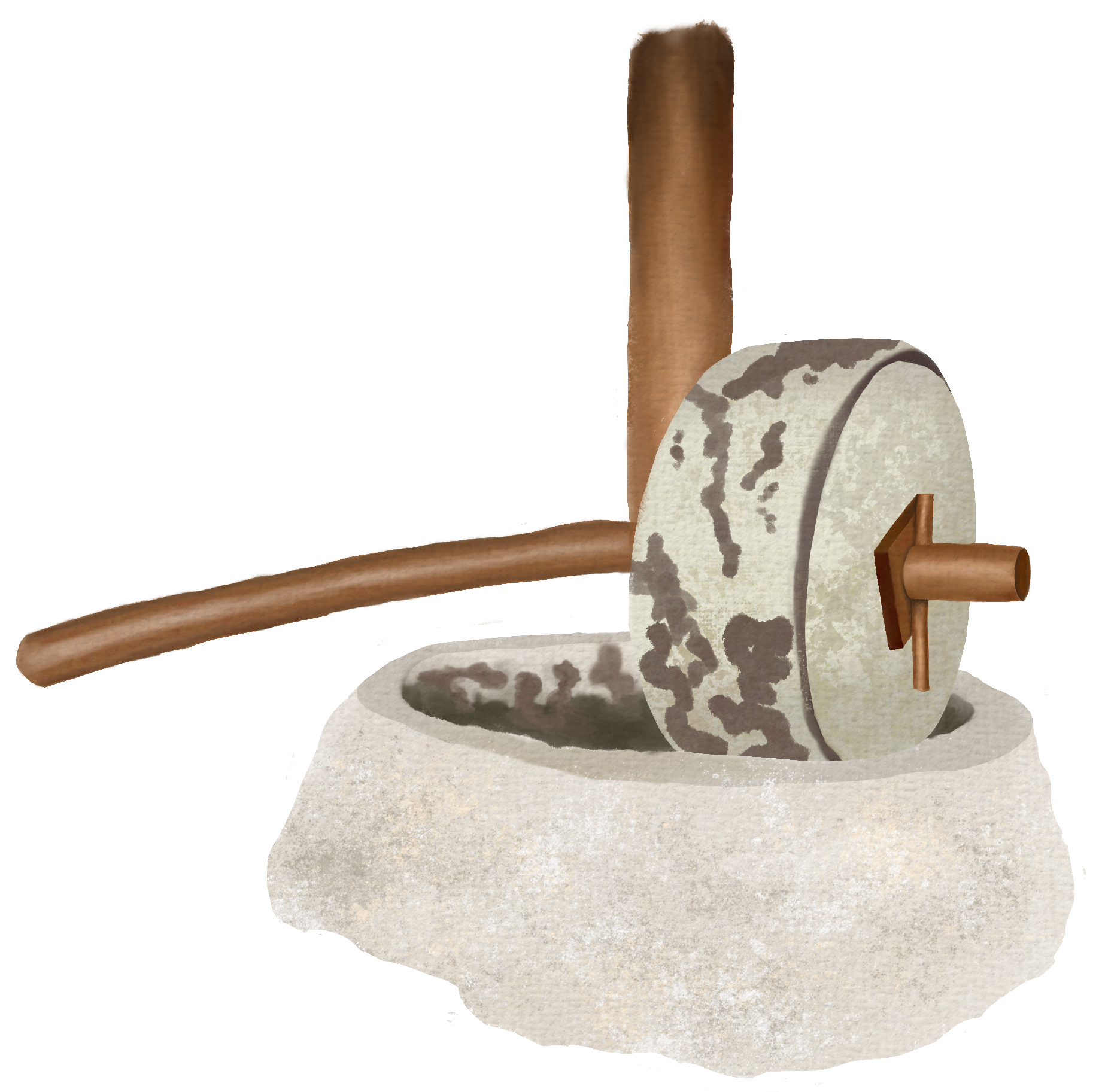
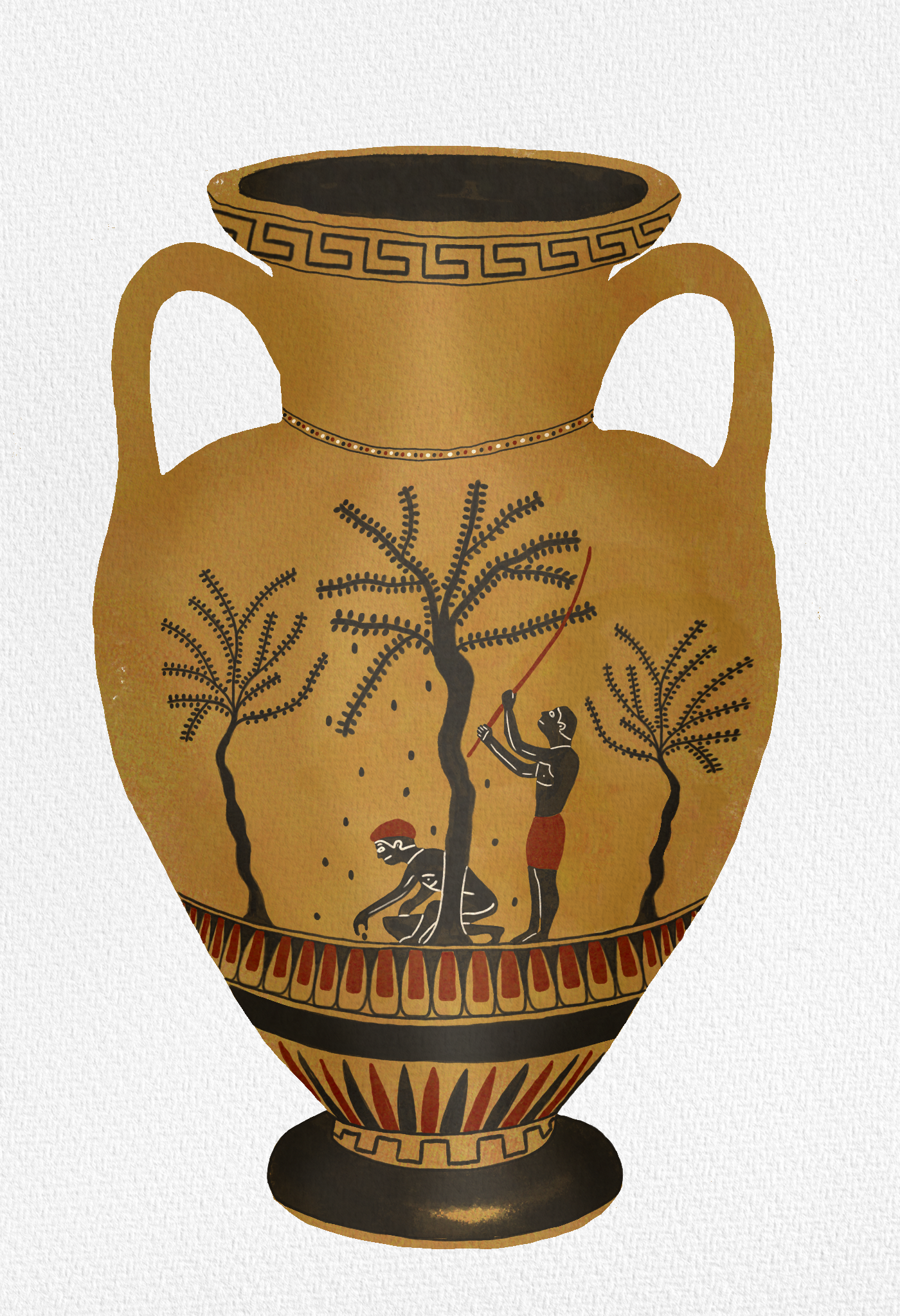
First, the olives are harvested in autumn or winter. The later the olives are harvested, the milder the oil will be. Traditionally, nets are stretched out under the trees and the olives are knocked down with a stick. Nowadays, however, this process is often carried out by machine. The fruits are then washed, crushed together with their pits and ground into a paste. In the past, this was done in stone mills, which were often powered by donkeys.
The paste is then stirred slowly. This causes the oil to collect and makes it easier to separate from the rest later on. This process takes between 30 and 45 minutes. It is important to keep the temperature constant at all times. The ideal temperature is around 25°C. Next, the oil is separated from the rest. In the past, this was done by pressing, but today centrifuges are used for this purpose in industrial production. The oil is then either bottled directly and sold as naturally cloudy or filtered first.
About olives in Greece
The olive tree is part of everyday life in Greece like no other plant. It shapes the landscape, the cuisine and the cultural identity. It embodies consistency, health and simplicity, values that are deeply rooted in Greek life. Anyone visiting Greece should stand among olive trees at least once, taste fresh oil and understand why this tree is more than just a useful plant for many Greeks. It tells their story.
History
In ancient times, the olive was sacred. According to legend, Greece's capital, Athens, owes its name to an olive tree. How so? As the city, which at that time was still nameless, grew larger and larger, the gods on Mount Olympus argued about who should give the city its name. Athena, goddess of wisdom, gave them an olive tree, while Poseidon, god of the sea, gave them a well, which, however, only contained salt water. Understandably, the inhabitants of the city chose Athena's gift and named their city Athens. The goddess also taught the Athenians how to make good use of the tree.
Even in ancient times, the olive branch was a symbol of peace. The winner of the Olympic Games received an olive branch as one of their prizes. This symbolised that conflicts between the individual tribes were prohibited during the games. The olive branch has retained this symbolism to this day.
Olive cultivation in Greece
A total of around 120 different olive varieties are grown in Greece, many of which are only known regionally. One of the best-known varieties is the Kalamata olive, which is mainly eaten pickled. The most commonly grown olive for oil production is the Koroneiki olive, which accounts for 60% of cultivation.
Greece is not the main producer of olive oil; that title goes to Spain, followed by Italy. But Greece comes in third place. However, the Greeks consume a lot of olive oil, averaging 15 litres per person per year. The Greeks have now recognised how important oil production is for tourism. There are museums and olive routes or oil mill tours everywhere.
today also in parts of North and South America, Japan, Australia and South Africa
Comments